Letter M #AtoZChallenge #JaneEyre and The Mason Family

This post is part of this year’s April Challenge to write a post a day. I’ve chosen to write about my greatest literary passion: Jane Eyre. Today Jane is going to tell you all about the Mason family, her husband’s troublesome in-laws.

M

I met two members of the Mason family personally; Mr. Richard Mason and his sister, Bertha Mason, who was Mr. Rochester’s first wife.

Richard Mason was Edward’s brother-in-Law, when I first met him, Richard took the liberty of installing himself as a guest at Thornfield. When Edward discovered that he was at Thornfield he was distressed and asked me to spy on him, worried that he might be talking about grave and mysterious things, but I told him he seemed engaged in a merry conversation with the other guests. Then he asked to speak with him privately in his study. I was worried about Mr. Mason’s intentions. They talked for an hour and seemed to part on friendly terms.

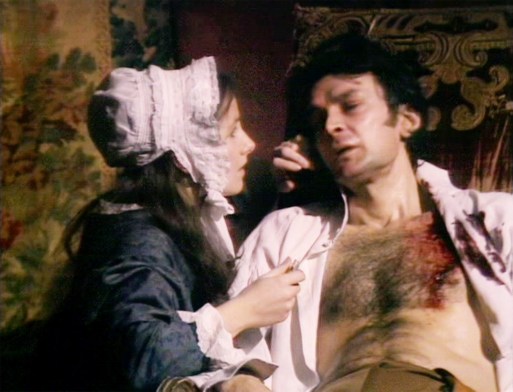
Later that night there was a great commotion at Thornfield Hall. Everyone was woken up by cries of help coming from the third storey. Edward told them it was a servant who had had a nightmare, but later, when everyone had gone back to bed, he called me to nurse Mr. Mason, who had been attacked, but I knew not by what kind of creature. I should have realized they were keeping a dark secret, but I had no idea what had happened and dared not even ask.

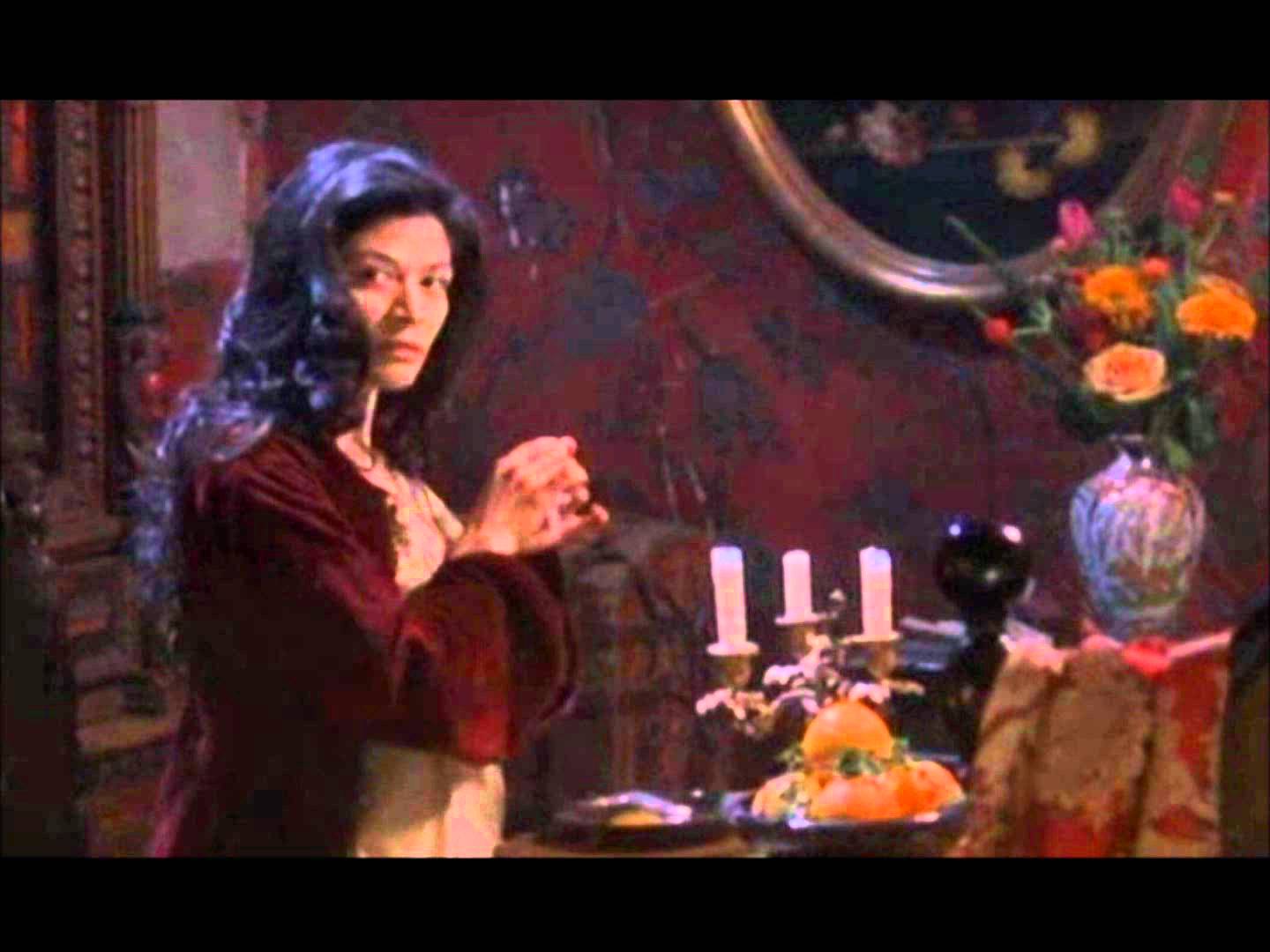
I met, no it could not be called a meeting, I mean I came face to face with Bertha Mason the night before my first ill-fated wedding day. She stood before my eyes in my room in the dead of night. ‘She was tall and large, with thick and dark hair hanging long down her back. I know not what dress she had on: it was white and straight; but whether gown, sheet, or shroud, I could not tell.  Her face was a fearful, ghastly, discoloured and savage face with red eyes. She reminded me of a Vampire. She tore my veil and approached me with a candle and I fainted.

Edward tried to convince me it had been a nightmare until I saw the torn veil on the floor. I would find out who she was on my wedding day, after the wedding was interrupted and we were taken upstairs to see her in her windowless room on the third floor.

Richard interrupted our marriage because he was defending his sister from her husband. Rochester was given a high dowry of 30,000 pounds for marrying her, by Mason’s father.

It seemed strange to me that he was not concerned about her physical welfare. He seemed to agree that she should stay in the attic. I suspected that Mason was a villain who had tried to blackmail Edward.

Many years later, one of my Dear Readers, who knew Mr. Mason was a villain, imagined he would return to haunt me twenty-two years later, while my husband lay on his death bed, in her novel, All Hallows at Eyre Hall. She has written another post about Richard’s role as villain.

Richard Maso Villain
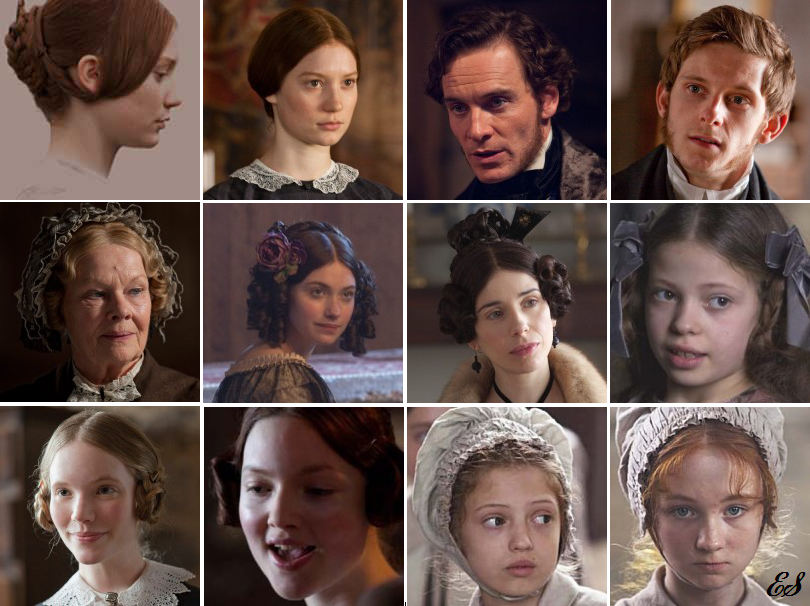
Kevin Spacey would be a great Richard Mason, 22 years later.

There were other members of the Mason family, whom I never met. Edward also told me that Richard and Bertha’s father, had been an acquaintance of Edward’s father, and they had planned Edward and Bertha’s marriage as a business arrangement. Edward’s father negotiated a 30,000 pound dowry and conditions, such as his removal to Jamaica to marry and live there with Bertha.

Much later, when Bertha’s presence became known to me, Edward also told me he found out Bertha’s mother was a lunatic, who lived in an asylum, and that she had another brother, who was a ‘dumb idiot’.

Finally, Bertha burnt down Thornfield Hall and committed suicide, at least that what I was told…

It does indeed seem that the Mason family were the most unpleasant in-laws.

Another Dear Reader called Jean Rhys, wrote a whole book about the Mason family called Wide Sargasso Sea. It’s a prequel to Jane Eyre. More about that in letter ‘P’ for Prequel, on Tuesday.


Letter L #AtoZChallenge Liars in #JaneEyre

This post is part of this year’s April Challenge to write a post a day. I’ve chosen to write about my greatest literary passion: Jane Eyre. Today I’m going to show you a lesser known aspect of this novel. I’ll tell you about the many characters in Jane Eyre who lie. I’ll also be revealing an imperfect Jane, because I’ll be telling you about Jane Eyre’s own lies to us, her Dear Reader, and other characters in the novel. 

L


Liars in Jane Eyre

“Deceit is, indeed, a sad fault in a child,’ said Mr. Brocklehurst; ‘it is akin to falsehood, and all liars will have their portion in the lake burning with fire and brimstone.”

Jane was severely humiliated at Lowood by standing on a stool and being called a liar by Mr. Brocklehurst.

After descending from the stool, Jane says, “…so overwhelming was the grief that seized me, I sank prostrate with my face to the ground. Now I wept: Helen Burns was not here; nothing sustained me; left to myself I abandoned myself, and my tears watered the boards.”

Throughout the whole novel Jane is excessively concerned with her Dear Reader believing her. It seems Jane wants the Dear Reader to know she’s not a liar, but her autobiography is full of lies, including her own.

In her autobiography, Jane tells us all about her life from her childhood to her marriage to Mr. Rochester, with great detail, in a moving, heart-felt story.

Jane is a powerful narrator, because she convinces the reader of her honesty. We believe her completely while she is at Gateshead with her cruel Aunt Reed, we continue to believe her while she is at Lowood, and even during her first months at Thornfield, we are mostly with her a hundred per cent, but after that, our trust begins to waver.

Jane becomes unreliable when she falls in love with Mr. Rochester. She becomes his spokesperson: a liar, too, albeit unwittingly, or perhaps not.

Readers are aware that when a story is told in the first person, it must be, at least partially unreliable, because the main character cannot know all the truth or facts, and must rely on the information other characters give her. We believe many of her characters’ lies, because Jane believes them.

Unreliable narrators add more complexity to the story, because they don’t tell the truth, and the reader needs to read the narrative more closely and make his/her own decisions about the veracity of events narrated.

The extent to which Jane believes the lies, because she wishes to believe them, is up for discussion.

Was Jane the only person in the house who didn’t know Bertha was there, in spite of seeing her once, before her marriage, when she tore her veil? Why did she always believe others’ accounts of the laughter and strange noises on the third floor? When Mr. Mason was attacked by someone in the attic, why didn’t she ask who it had been?

Did Jane prefer not to know about the pretense in the attic?

Perhaps she did, at the time the events occurred, but what about years later? There are two Janes in Jane Eyre. The naïve, 19-year-old Jane, and the mature Jane who writes the autobiography ten years after events occurred. The mature Jane has had plenty of time to grow up and realize that she might have been too naïve, at the time. Nevertheless, the older 29-year-old narrator maintains the pretense of Mr. Rochester’s innocence. Why? Why is the older Jane narrator even more unreliable than the young Jane?

Let’s look at the reasons why some narrators don’t tell us the truth:

  • They can be naïve.
  • They can be mentally unstable.
  • They can be liars who are purposefully misleading.

I’d say Jane becomes unreliable for all of the above reasons.

Firstly she is naïve, she was not only nineteen when she met Mr. Rochester, and she had led a sheltered life, not having left Lowood Institution for the length of her stay, eight long years. She had met very few men, probably only Mr. Brocklehurst and the local vicar, and had no experience of real life outside those walls.

Jane believes all the lies other characters tell her, and practically everyone in the novel lies to her. Her aunt lies to her, Mr. Rochester, and the servants at Eyre Hall, including Mrs. Fairfax.

Secondly, she suffered a transitory mental instability; she was in love, or rather madly and hopelessly in love with her employer, Mr. Rochester. Recent scientific research has investigated the chemical storm that romantic love can trigger in our brains. Dr. Frank Tallis, has gone as far as to write a book about love as a mental illness called Love Sick.

Finally, I hate to say this, but I believe Jane, the 29-year-old narrator, is also purposefully misleading. Why? Because she wants us to love ‘her Mr. Rochester’, the man she has fallen in love with, as much as she does. She wants us to forgive him, respect him, and love him, because she needs her Dear Reader’s complicity. Consequently, she accepts his lies, forgives him, embellishes his treatment of Bertha, Adele, Blanche, and herself, so that we will see him as she does, and love him.

Jane purposefully, and successfully, manipulates her Dear Reader into loving Mr. Rochester.

She’s in love and we all know love is blind. When St. John Rivers suggests Mr. Rochester behaved incorrectly:

‘He must have been a bad man,’ observed Mr. Rivers.
‘You don’t know him—don’t pronounce an opinion upon him,’ I said, with warmth.

What? What’s to know? He lied to you, repeatedly.

Mr. Rochester is clearly unreliable because he is a compulsive liar, constantly trying to convince Jane of his innocence. He’s also selfish and immature; someone else is always to blame for his problems.

Mr. Rochester has told Adele her mother is dead, yet he later confesses to Jane that her mother fled to Italy with an opera singer and abandoned the child in Paris.

The truth is that he married a rich heiress for her money, locked her in his attic, had an illegitimate child in France, the child’s mother is not dead, he had no intention of marrying Blanche Ingram, he was not ruined, he insisted he was a bachelor, he tricked Jane into a bigamous marriage. When all else failed, he offered to make Jane his mistress, which would have compromised her future and ruined any chances of having a family, and he knew it.


Nasty mr_rochester

Lies are hurtful. The person who is lied to is deprived of any control over their future because they cannot make an unbiased decision. They are not fully informed about their possible courses of action, so they may make a decision that they would not otherwise have made.


Jane’s power of decision is withdrawn by Mr. Rochester’s lies. If Jane had known Mr. Rochester was married, she would probably have behaved differently.

Jane’s Lies

Finally, we must remember that Jane herself lied on several occasions.

She lied to Mr. Rochester when she told him she had no family. On her behalf, she was communicating someone else’s lie; her Aunt Reed’s.

She lied by omission to Mr. Rochester, when she didn’t tell him about her cruel aunt or her hard days at Lowood. She did not wish him to see her as an unwanted or humiliated young girl, so she omitted those details of her life, which she only tells her Dear Reader.

She blatantly lies herself, by inventing a false identity, including a false name, when she tells her cousins her name is Jane Elliott. The reason is self-preservation, but it seems she would have put up with the pretense forever if necessary. She didn’t own up, or tell her cousins the truth, she was found out by St. John.

Finally, Jane, the mature narrator, lies to us, her Dear Reader, by insisting on Rochester’s innocence and her naiveté ten years after events occurred.

cast montage jane eyre es

In summary, almost every character lies or is lied to.

Aunt Reed: Lies about Jane’s uncle and cousins.

Cousin John: Denies his abusive behavior to Jane.

Cousins Georgiana and Lizzie: Ignore their brother’s abusive behavior and support his lies (by omission).

Mr. Brocklehurst: Says her aunt is pious and charitable.

Miss Temple: Doesn’t tell Jane she’s getting married and leaving Lowood (lying by omission).

Mrs. Fairfax: Said there were no ghosts or other persons at Thornfield Hall.

Leah and Grace Poole: Support Mrs. Fairfax account (lying by omission).

Mr Rochester: Claims to be unmarried, insists Adele’s not his daughter, says Adele’s mother is dead, leads Jane to believe he’ll marry Blanche Ingram, leads the Ingrams to believe he’s been ruined. (There are many more lies I cannot prove, but infer from the narrative, related to the fire, Bertha’s death and his father and brother’s deaths).

Adele: Claims her mother is dead.

Jane: Omits details about her days at Gateshead and Lowood. Gives a false identity at Moor House.

The only truthful characters are Helen, who dies in her arms at Lowood, and  Ironically, her cousins are the only people young Jane lies to directly and purposefully.

So, do you still believe Jane and Mr. Rochester’s marriage, based on lies and passion, would have been happy in the long term?

Letter J and K #AtoZChallenge #JaneEyre’s Jobs and Knowledge

This post is part of this year’s April Challenge to write a post a day. I’ve chosen to write about my greatest literary passion: Jane Eyre. Today Jane Eyre is going to tell us about her ‘Jobs’ and her ‘Knowledge’ I’ve written about them together, because her knowledge enabled her to work as a teacher.

K J

My name’s Jane Eyre and I’m a writer and a teacher.

I believe that without the knowledge gained at Lowood Institution and my teaching experience, I would never have survived in the harsh world in which I was born, a woman and an orphan.

I spent eight years at Lowood institution, where I was a teacher for the last two years. Although life at Lowood was hard, I am very fortunate to have studied, worked, and lived there for eight years. I learnt fluent French, history, geography, and English grammar. I also learned to play the piano reasonably well and had great skill at drawing. I had great teachers with stores of knowledge, such as Miss Temple, whose guidance helped me to gain invaluable teaching experience and knowledge.

Lowood

It was a very strict boarding school. In the mornings and afternoons, I taught English, French, Drawing, and Music. In the evenings, I had various duties such as sitting with with the girls during their hour of study and reading prayers before seeing them to bed. Once the girls were in bed, the teachers had supper and when we retired for the night. I usually read by the light of the candlestick, until the socket of the candle dropped, and the wick went out. Once a month, for a few days, if I was lucky and the sky was clear and there was a glowing moon at my window, I would read until my eyelids fell heavily.

When my friend and mentor, Miss Temple, left Lowood to marry and live in a distant land, I became restless. Tired of the suffocating atmosphere of Lowood and eager for horizons, I applied for a job as a governess. I had always conducted myself well, both as teacher and pupil, at Lowood, so the school inspectors signed a testimonial of character and capacity, which enabled me to be employed as governess in a private home.

Jane and Adele

I worked at Thornfield Hall as governess to an eight–year-old French girl called Adele, from October to June. My salary was 30 pounds a year. One of the reasons I was chosen for the employment was my knowledge of French. Fortunately I had had the advantage of being taught French by a French lady, Madame Pierrot, with whom I conversed as often as I could. My French was almost fluent after seven years of applying myself daily to the language, and Adele respected me at once for this reason.

In the mornings, after breakfast, Adele and I withdrew to the library, the room Mr. Rochester had directed should be used as the schoolroom. Most of the books for adult reading were locked up behind glass doors, except one bookcase left open containing everything that could be needed in the way of elementary works of literature, poetry, biography, travels, a few romances. They were many more than had been available at Lowood. There was also a new and grand cabinet piano, an easel for painting and a pair of globes.

Adele was a docile, though unenthusiastic pupil. She was a little spoilt and it was not easy for her to concentrate, however she was obedient and although she had no special talents, she made reasonable progress. She studied with me until noon, and then she had some free time with her French nurse. She was friendly and loving and I became very fond of her.

When I had to leave Thornfield Hall, after the interruption of my bigamous wedding, I travelled to a distant town to find work.

My kind cousins, Mary, Diana, and St. John Rivers, who did not yet know they were my kin, neither did I, sheltered me from the cold and shared their meagre rations of food with me. As soon as I recovered from my illness and arduous travels, I begged them to find me a job, because I did not want to be dependent on their charity.

‘I will be a dressmaker; I will be a plain-workwoman; I will be a servant, a nurse-girl, if I can be no better,’ I said to them.

St. John was finally able to find me a job as a teacher. There was no girls’ school at Morton, and St. John had hired a cottage with two rooms attached to a schoolroom with the intention of opening one. My salary was thirty pounds a year plus the use of the simply furnished adjacent cottage. The cost would be covered by a lady called, Miss Oliver; the only daughter of the richest man in the parish. She also paid for the education and clothing of an orphan from the workhouse, to be my maid.

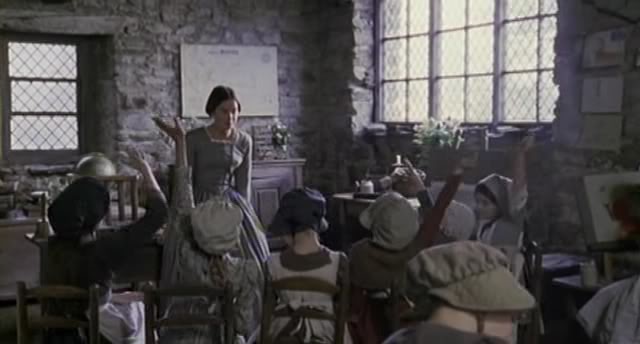
Jane Teacher

It was a small village school attended by poor cottagers’ daughters. I was required to teach them knitting, sewing, reading, writing, and ciphering. They spoke with a broad accent. some of them were unmannered and  rough, as well as ignorant; but others are docile.

I took it as my duty and my challenge was to develop these the these students into refined and intelligent children. My efforts were rewarded, and they soon took a pleasure in doing their work well, keeping their persons neat, in learning their tasks regularly,in acquiring quiet and orderly manners. They progressed surprisingly well, and I was able to teach some of them grammar, geography, and history.

After marrying Mr. Rochester and inheriting my uncle’s fortune, I had no need or time to work as a teacher. I had enough to keep me busy at home, my husband, my child, the Estate, and my writing career.

I hope matters will improve for women in the future, but at the moment, teaching is one of the greatest and most honourable professions a woman can undertake. It will allow her to live independently and fulfill her need to be useful in society. Teachers instill knowledge, good habits, and encourage students to develop their talents to their best ability.

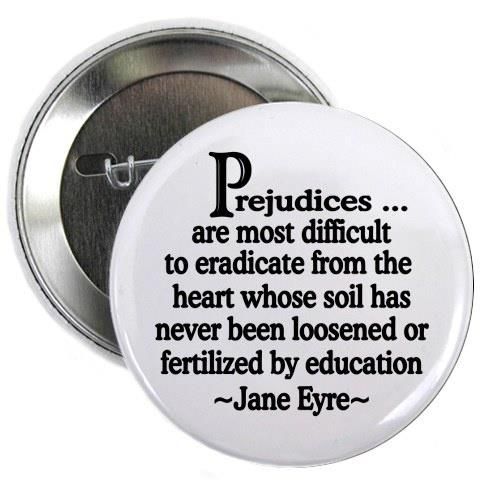
I dream of a day when everyone will have access to education and knowledge whatever their job or station in life. Every person should be allowed to grow intellectually and morally through education.

Education Quote

Letter I #AtoZChallenge #JaneEyre’s First Person Narrator

This post is part of this year’s April Challenge to write a post a day. I’ve chosen to write about my greatest literary passion: Jane Eyre. Today it’s all about Jane Eyre is going to tell us about her use of ‘I’ or First Person Narrator. 

I

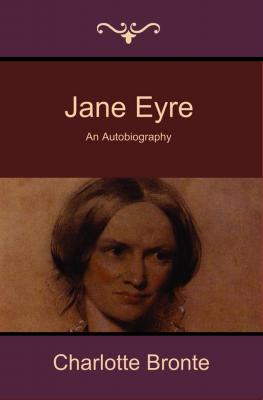
Jane Eyre is my autobiography. It’s the true story about what happened to me from my childhood until I married Mr. Rochester, when I was nineteen.

I wrote my autobiography for you, Dear Reader because I wanted you, and only you, to know about my life from a first hand account. I have told you things I have never told anyone.

Only you know I was locked in the Red Room at my aunt’s house, only you know how I felt when I was introduced to Bertha Mason in Mr. Rochester’s attic, and only you know how I wondered and almost died on my way to Morton. We have many secrets, Dear Reader.

You know all about my first ten years at my Aunt Reed’s house, and everything that happened at Lowood. I did not lie, and I did not purposefully omit important details. I was honest and hard-working. I made few friends and no enemies. I learned a worthwhile profession and desired to move on and widen my horizons.

jane_eyre_an_autobiography_by_charlotte_bronte_2370006095781

When I arrived at Thornfield Hall, the lies started, Dear Reader. It was not my intention to lie to you, and I did not lie about my feelings, or what I saw and heard. However, I was lied to, and delivered those lies to you, unknowingly.

Mrs. Fairfax, Leah, and Grace Poole, told me there were no ghosts or other persons at Eyre Hall, when they knew that Mrs. Rochester, Bertha Mason, was living in the attic. I realize that now. Grace Poole took up her food, slept with her, and held the key to her room. Everyone at Thornfield Hall knew about her, except you and me, Dear Reader.

Edward lied to me by telling me he was unmarried, even inside the church where we were to be wed, in the vicar’s presence. He assured me there was no one in the attic, except Grace Poole. He also told me he wasn’t Adele’s father, and he led me to believe that he would marry Blanche Ingram. I was fooled and so were you, Dear Reader.

Wedding

Then, when I visited my aunt on her death bed, I also discovered she had lied by telling me that my father’s family were poor, and that my only relative, my Uncle, John Eyre, was dead. I later learnt that my uncle was wealthy and that I had three wonderful cousins.

When I left Thornfield, I was forced to lie myself. I gave the Rivers a false name and refused to tell them my real story, for fear of rejection. I told my cousins my name was Jane Elliott when no such person existed. On this occasion, I did not lie to you, Dear Reader. You knew exactly who I was.

You must forgive me for lying, Dear Reader. I lied because I was naïve, gullible and in love. I believed the things they all said to me, but they all lied, mercilessly, cruelly, for their own advantage. My aunt lied to hurt me, Mr. Rochester lied to seduce me, and the servants at Eyre Hall lied to protect their master, and preserve their salaries.

I forgave them all, Dear Reader.

I forgave my aunt on her deathbed: ‘you have my full and free forgiveness: ask now for God’s, and be at peace.’

After the bigamous marriage attempt, Edward asked me to forgive him: ‘Will you ever forgive me?’ He asked and I forgave him, too. ‘Reader, I forgave him at the moment and on the spot.’ I told you Dear Reader, because only you know my heart. ‘I forgave him all: yet not in words, not outwardly, only at my heart’s core.’

The lies are not yet over. My final lie to you Dear Reader, is a wish. I wish to be happily married to Edward forever, but I will never know if my wish came true.

Many warned me that he would return to his selfish ways, that he was too self-centered to be a good father and husband. Others were sure that I was too strong willed and independent to remain in a secluded old manor house, looking after a moody, sick, rich landowner for the rest of my days, while there was so much to be improved in our country, so many orphans to look after and children to teach.

One reader imagined I built a house with my uncle’s inheritance, where Thornfield Hall once stood and called it Eyre Hall in memory of my Uncle John Eyre. She imagined I looked after my ailing husband and his ward, Adele, as well as my son, John. I supported parish schools for orphans and poor children, maintained the church at Hay, invested in charities for poor families, and I was a fair and considerate employer. I managed the Rochester Estate, where tenants and farmers paid fair rents and had safe houses in which to live. This Dear Reader imagined there were more secrets at Thornfield Hall and Eyre Hall that I had not yet discovered, because there were more secrets at Eyre Hall. She also knew I was a passionate woman, so I may have encountered love once more.

If you enjoyed my autobiography, which is only for your eyes, Dear Reader, you already guessed that I would I write more novels for the general reading public. Jane Eyre was an author.

Dear Reader, is this what you imagined my life would be like twenty years after I married Mr. Rochester?


Letter H #AtoZChallenge #JaneEyre’s Husband

This post is part of this year’s April Challenge to write a post a day. I’ve chosen to write about my greatest literary passion: Jane Eyre. Today it’s all about Jane Eyre’s Husband. Edward Rochester himself will tell us all about his life. This is Edward Rochester’s autobiography.

H

My name is Edward Fairfax Rochester. My honourable surname, dates back to Anglo-Saxon times. It’s etymology is related to a fortress, ‘chester’ meaning Roman fort in Old English. My family has lived in Yorkshire since the 12th century. My surname was briefly changed to ‘de Rochester’ after the Conquest, which was probably when my ancestor moved from Kent, where there were too many Norman invaders, to Yorkshire.

Battle_of_Marston_Moor,_1644

My first famous ancestor was Damer de Rochester, a brave soldier who had been struck by a cannon ball on Marston Moor in 1642, fighting for the Parliamentarians against the Royalists. My father used to say that was why King George, whom he considered a vengeful man, had denied my grandfather a Peerdom.

My mother’s surname is also of ancient Anglo-Saxon origins. In this case, the Fairfax were landed gentry who have always lived in Yorkshire. My mother’s older brother, retained all the land, as was customary. Her father remarried, when his wife died, and her younger step-brother, was later disowned and became a clergyman. My mother was rather fond of her little brother, so she insisted my father should employ him as vicar at Hay church, and when he died, his wife, Mrs. Fairfax, was employed as our housekeeper.

Mrs. Fairfax was a good woman who knew her place and never boasted of her husband’s relationship with the landowning Fairfax family. My parents cut off their relationship with the Fairfax shortly after they married. My mother’s family considered the Rochesters too fierce and warlike. I’ll admit, my father was never a patient man, much like myself, but he was an honourable Rochester.

Haddon_Hall

Our house, Thornfield Hall, and the nearby church, was built by my ancestors in the 12th century, shortly after moving to Yorkshire. Additions were made in the 13th and the 17th centuries.

The Hay district church stood just beyond the gates of Thornfield Hall. It was a small village place of worship, which was erected, when the original house was built in the 12th century. My grandfather renovated the older derelict building. It was the church where my grandparents were buried, where my parents married and were buried, and where my brother, Roland, was buried, too, in the family vault at the front of the altar. It was the same altar where I had stood as Jane’s groom, twice. It is where we christened our son, too. My unfortunate first wife, Bertha Mason, was buried anonymously in the graveyard.

This quiet, secluded place of worship, which would also be my last resting place, had been Roman Catholic before Henry VIII’s ecclesiastical reform, and although we had become Anglicans, not wanting to vex the King, there are still many reminders of our ancient religion, both in the church and in our minds.

Adele

I once confessed to Jane that I had brought Adele over from France when her mother died on the Roman Catholic principle of expiating numerous sins, great or small, by one good work. Adele was my expiation, and she was the person who brought Jane to me, so perhaps we shouldn’t have swapped our ancient beliefs so easily. In any case, officially, I’m an Anglican.

I was the spare, the second son, who would not inherit my ancestor’s lands. I hated being second best to my brother, simply because he had been born first. He was a whining, fair-haired and sickly Fairfax, like my mother. I was my father, and grandfather’s living image. I was the Rochester, but my brother, Rowland Rochester was destined to inherit what was mine. I realized I would always be the aimless and unlikely replacement to my brother, and behaved recklessly in my youth.

My father and my brother schemed to get me as far away as possible, out of the country, to be rid of the troublesome young man I had become. So, my father provided me with a wealthy marriage. He had an old acquaintance, Mr. Mason, a West India planter and merchant, whose possessions were vast. Mason had a son, Richard and a daughter, Bertha Antoinette. He offered thirty thousand pounds as dowry for his daughter, and my father signed the deal. I left college and was sent out to Jamaica, to espouse a bride already courted for me. My father told me Miss Mason was the boast of Spanish Town for her beauty, and this was no lie. She was a beautiful woman, tall, dark, and majestic, and I was suitably dazzled. Her family wished to secure me because I was of a good race, but they did not tell me the truth until it was too late.

Bertha

Miss Mason was Mr. Mason’s step-daughter. She was a creole, like her mother, his first wife, who was shut up in a lunatic asylum, and there was a younger brother, who was a dumb idiot. I soon learned her splendid dresses, and demure glances were a farce, because she had been familiar with other men on the island. I had been tricked to marring her.

I found her nature wholly alien to mine, her tastes obnoxious to me, her cast of mind common, low, narrow, and singularly incapable of being led to anything higher. In short, she had a pigmy mind. I found that I could not pass a single evening, nor even a single hour of the day with her. Soon she showed me her outbreaks of violent and unreasonable temper.

I lived with that monster for four years, on that infernal island, until I received news that both my father and my brother had died, and the Rochester Estate was mine, at last. I brought her back with me. Her brother insisted and what could I do? He reminded me of the dowry and I told him that it was insufficient for everything I had put up with, and still had to endure.

I made sure she was well fed and comfortably hidden in my attic. I paid a trustworthy woman to look after her. She had everything she needed, but her madness spiraled after our arrival in England. She escaped and tried to burn the house down, on several occasions

I could not stand living under the same roof as her, even though I never saw her, but I heard her. I began to abhor Thornfield Hall, so I travelled to the continent in search of a good and intelligent woman. Instead I fell under the spell of the beautiful but fickle opera singer, Celine Varens.

Six months before Jane arrived at Thornfield Hall, Celine gave me her daughter, Adele, affirming she was mine. I tell you Pilot is more like me than Adele! Celine abandoned her child, and ran away to Italy with a musician or singer. I am convinced I am not her father, but hearing that she was quite destitute, I took the poor thing out of the slime and mud of Paris, and transplanted it here, to grow up clean in the wholesome soil of an English country garden.

You see, my goodwill has always turned against me. I vowed never to become involved with a beautiful woman again.
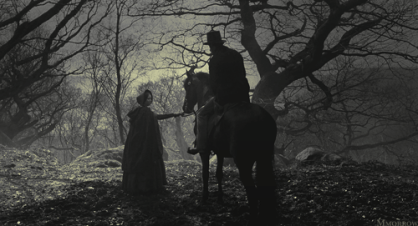
Horse

One day, nine years after returning from Jamaica, I met a small, pale, elf-like creature who stole my heart. I fell in love with her youth, her naiveté, her quick, sharp mind and her generous spirit enraptured me. However, I soon learnt she was as independent and headstrong as I was selfish and scheming. I had to have her as my wife, not my employee or my mistress. I wanted her skin on my skin, our bodies joined as soon as possible, so I devised a plan.

I thought she was too young to realize she loved me yet, so I had to make her feel jealous,  I invited Blanche Ingram, a beautiful woman, who was the antithesis of Jane. Blanche was tall, with raven hair and dark eyes. She wore expensive clothes and jewels to catch a husband. She was also a snob and a bitch. I would tease them both nicely. It was a game for my enjoyment. I knew Jane would win. She already had my heart and Blanche was only after my money. I would never marry a dark beauty again, I had already done that once. I wanted a real, English rose, on this occasion. An intelligent, soul mate. I wanted Jane Eyre.
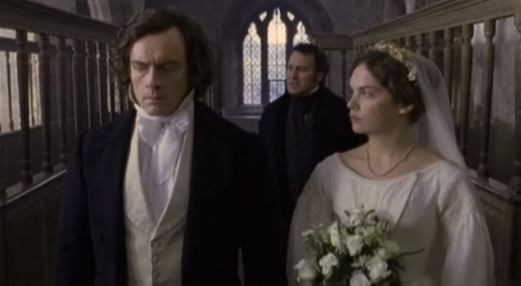
Wedding

After Jane left Thornfield Hall, when Richard Mason cruelly interrupted my first wedding attempt, the lunatic’s madness escalated. She succeeded in burning down the house, and when she went up to the battlements to throw herself down, I tried to save her. I swear that’s why I went up there, but she threw herself off, after burning down my ancestral home.

I had lied, and I had broken the law, God’s law and man’s law, to make Jane mine. I even tried to ruin her, by trying to convince her to be my mistress. I would have done anything in my power to have her back at my side, but she disappeared like a summer breeze. I became a desperate and brooding beast living in a decrepit and secluded manor house with two old servants.

I was crippled. On one arm, I had neither hand nor nails, but a mere, ghastly stump. My face had ugly burn marks, and I was almost blind. My eyes could only perceive a glow. Everything around me was a ruddy shapeless cloud, until a year later, when my fairy returned.

Mr. Rochester Blind

After the fire, I had a long time to think about my deeds. I did wrong to Jane. I would have sullied my innocent flower, breathed guilt on her purity. I began to experience remorse, repentance, and the wish for reconcilement to my Maker. I prayed that Jane would return to me and promised the heavens that I would be a better man. When she returned to me, I humbly entreated my Redeemer to give me strength to lead henceforth a purer life than I have done hitherto.

After we married, I recovered the sight of one eye, and learned to cater for my needs with one hand, instead of two. I held my son in my arms and saw he was a Rochester, like me, and thanked God for the second chance I had been awarded. I would try to be the man Jane Eyre deserved for the rest of my days.

I know some people don’t believe in me, and I can understand that. They think I can’t change, but I know I can. I’m not sorry for my past, I did what I had to do. I was a reckless youth and I married the wrong woman, but I was misled by my father and enticed by selfish women. None of it was my fault.

I’m only sorry for the unjust way I treated Jane. You may think I’m not good enough for Jane, and that’s true, too, but I’m going to try to be a better man for her. I will not go back to my gallivanting ways and I will never hurt her again.

Jane3

Dear Reader, do you believe him?

Letter G #AtoZChallenge #JaneEyre’s Gardens

This post is part of this year’s April Challenge to write a post a day. I’ve chosen to write about my greatest literary passion: Jane Eyre. Today it’s all about Jane Eyre’s Gardens. Jane will tell us all about the gardens in her life, in her own words.

G

The first garden I can remember was at my Aunt Reed’s house, Gateshead Hall. There was a glass-door in the breakfast-room, which led onto the shrubbery and the path leading to the gate and the fields, where the sheep fed on short, blanched grass. I remember it was almost leafless, so it must have been the end of autumn, because when I walked out further, there was another part of the plantation with leafless, silent trees, and falling fir-cones. I can see a few autumn, russet leaves swept by the winds. I spent nine springs and nine summers in that house, and yet I cannot recall ever seeing a single flower. No child should be forced to have such a colourless childhood.

Snowy garden

When I first arrived at Lowood Institution, when I was ten years old, it was winter, and I did not enjoy being forced out to the garden for fresh air in the freezing, snow-covered garden, especially since our clothes were insufficient to protect us from the severe cold. We had no boots, and our shoes were soaked and our numbed hands covered in chilblains, as were our feet.

The garden was a wide enclosure, surrounded with high walls, and a covered verandah along one side. There were broad walks and a middle space divided into scores of little beds which these beds were assigned as gardens for the pupils to cultivate.

When April arrived, I had settled in. I had some friends and I had grown to enjoy the classes and the lessons. We could at last endure our daily hour in the garden, and when it was sunny, it was pleasant. I was overjoyed to plant in my garden the seeds we were given and some roots I had dug up in the forest.

The brown flower beds turned green, and flowers peeped out amongst the leaves: snow- drops, crocuses, purple auriculas, and golden-eyed pansies. The vegetation matured in May and Lowood became green and flowery, at last. The great elm, ash, and oak skeletons were restored to majestic life; woodland plants sprang up profusely.

Orchard spring

It doesn’t seem possible, but I imagined it was the first time I had seen the sweet explosion of spring. The garden glowed with flowers: hollyhocks sprung up tall as trees, lilies opened, tulips and roses were in bloom; the borders of the little beds were gay with pink thrift and crimson double daisies.

In June, the flowers smelt so sweet as the dew fell. The evenings were so warm and serene, I knew this was where I had to be. Nevertheless, as the years passed, when I went upstairs to my room and opened the window and looked out, I yearned to travel beyond the hilly horizon, over those most remote peaks I longed to surmount. I hadn’t left Lowood in eight years and I longed to follow it farther, which I did when Miss Temple married and left.

Thornfield Hall didn’t have a garden, as such, it had a lawn in front of the building and grounds leading onto a great meadow, which was separated by a fence. Beyond there was an array of mighty old thorn trees, strong, knotty, and broad as oaks, at once explained the etymology of the mansion’s designation.

There was an Eden-like orchard, which was full of trees blooming with flowers. A very high wall shut it out from the court, on one side; on the other, a beech avenue screened it from the lawn. A winding walk, bordered with laurels and terminating in a giant horse- chestnut, led down to the fence At the bottom was the fence, and beyond, the fields and the winding path which led to Hay.

Proposal garden

The orchard with gooseberry trees, large plums, and cherry trees, was my favourite place to wander unseen, and it was pleasantly shady in spring and summer. There was a delicious fragrance of sweet-briar and southernwood, jasmine, pink, and rose. It was here, one June evening, when trees laden with ripening fruit, that Mr. Rochester proposed to me, the first time, by the light of the rising moon.

After leaving Thornfield Hall, when it was discovered that Mr. Rochester had a wife, who was locked in his attic, I wandered about like a lost and starving dog, crossing fields on foot to get as far away from Thornfield as was possible, I knocked on a clergyman’s door. It was Moor House, in Morton, where the Mary, Diana, and St. John Rivers lived. It was a small grey, antique house with a low roof and latticed casements. The garden was dark with yew and holly and there were no flowers.

I stayed there until I recovered my strength and found a job as a teacher. My new home was a cottage with whitewashed walls and a sanded floor half hour from Morton. There was a small school room and a kitchen with had four painted chairs and a table, a clock, a cupboard. Above, there was a small chamber with a bedstead and chest of drawers. There was a tiny garden with a wicket, which shut me in from the meadow beyond. It looked very scanty when I arrived, but I was going to plant some roots in spring.

Jane Teacher

I was glad of this opportunity to make a living on my own as a school-teacher and when I looked at the quiet fields before my cottage, I knew I should be happy, but I cried of loneliness. I stayed at the school until the end of autumn, when I discovered I had inherited a small fortune from my Uncle John in Madeira, and that the Rivers were my cousins on my father’s side. So, I returned to Moor House to live with them, until one night I heard Edward calling me, and I returned to Thornfield Hall.

Thornfield had been burnt down by Mrs. Rochester, Bertha Mason. I eventually found Edward at his Manor House, Ferndean. It was an isolated and sombre place. There was no garden, there were no flowers, no garden-beds; only a broad gravel-walk girdling a grass-plat, and this set in the heavy frame of the forest. The house presented two pointed gables in its front; the windows were latticed and narrow, and the front door was narrow too.

When I found Edward, he was crippled and blind, and feeling rather sorry for himself. He said he was like the old lightning-struck chestnut tree in the Thornfield orchard, but I told him he it wasn’t true, to me he was as green and vigorous as the last time I had seen him.

Mr. Rochester Blind

The second time he proposed to me was also in the open air. I led him out of the wet and wild wood into some cheerful fields, which I described to him. They were brilliantly green with flowers and hedges and the sky was sparklingly blue. He sat in a hidden and lovely spot, on a dry stump of a tree, and I sat on his knee, while I told him about my travels since I had left Thornfield.

I told him I was an independent, rich woman and that I could build a house next to his. This house would have a beautiful garden, which he would one day be able to see when he recovered his eyesight. I think that might happen. I would call it Eyre Hall, in honour of my uncle, John Eyre.

Jane and Rochester friends

Letter F #AtoZChallenge #JaneEyre’s Friends

This post is part of this year’s April Challenge to write a post a day. I’ve chosen to write about my greatest literary passion: Jane Eyre. Today it’s all about Jane Eyre’s Friends. Jane will tell us all about her friends in her own words.

F

A friend is someone you can trust and a person with whom one has a bond of mutual affection, usually exclusive of intimate or family relations. You must both enjoy each others’ company and support each other, too.

I have had very few friends in my life. While I was living with my Aunt Reed, there was only one person, Bessie, their young servant, whom I could call a friend. She told me stories by the stove in the kitchen, looked after me when I was ill, and consoled me when I was depressed. Betty once told me, when I was sick and sad that, ‘God is a friend to the poor orphan child.’ She was the only person I missed at that cold house.

When I was at Lowood, I had some more friends. Helen Burns, a young girl my own age, whose family were from Northumberland. Her mother had died, and her father had remarried a young girl, who did not care for Helen, so she was sent to Lowood.

halen and jane

Helen sustained me during the first months in my new home, when I frequently cried. She did not vex me with questions. Helen was patient, sitting beside me, and remaining silent until I was ready to speak.

When I told her I was sad because Mr. Brocklehurst had humiliated me, she chastised me for being too impulsive, too vehement, and too feeble. She reminded me that there were guardian angels to help us, and that I should not let hatred get the better of me. Helen had calmed me, and comforted me. I used to rest my head on her shoulder, put my arms round her waist, and feel grateful that I had a real true friend, at last.

Helen was faithful, and never ill-humoured with anyone, however unpleasantly they treated her. She believed her strength and endurance would lead her into heaven, when her time on Earth was over.

She was called to heaven too soon, too young. Miss Temple found her in my arms one sad June morning. My face against Helen Burns’s shoulder, and my arms round her neck. I was asleep, and Helen was dead.

Even while she was dying, her last words had been to comfort me. She told me not to grieve because she was not in pain, and she did not mind dying, because it meant that she would escape the great sufferings life would bring her, and because she would be united with God, who would look after her.

She was buried at Brocklehurst Churchyard. , covered by a grassy mound. Fifteen years after her death, I returned to find a grassy mound. I had a grey marble tablet placed on the spot, inscribed with her name, and the word ‘Resurgam.’

Helen Burns Resurgam

I made other friends at Lowood. I often took walks in the woods in summer with Mary Ann, I tried my best to make friends, earn respect and win affection at Lowood. I was also well received by my fellow-pupils. Those my own age treated me as an equal, and I wasn’t not molested by any. However, I never had a friend like Helen again. If I have a daughter, I’ll certainly call her Helen.

Miss Miller and Miss Temple were pleased with me because I was a good student who pleased my teacher by reaching the head of my class.

Miss Temple

I also considered Miss Temple, who had become the superintendent at the seminary, a friend because she was my counsellor and guide while I was at Lowood. I owe the best part of my acquirements to her. She encouraged me in my studies, and her friendship and company had been my greatest comfort. She was the closest I have ever had to a mother figure, so I will never forget her either. I became a teacher thanks to her encouragement and direction.

I was devastated when she left to marry and move to a distant country. It was then I advertised for the position of governess.

I got on very well with all the servants at Thornfield Hall. Mrs. Fairfax always treated me with friendliness, and so did Leah, the young maid, and even Sophie, Adele’s French nurse.

Jane and Adele

Adele was my boisterous pupil, although she did not excel in her studies, she tried hard. She was always kind and respectful to me. When I married Edward I took her out of her strict boarding school, where Edward had sent her when I left. She stayed at home, for a time, until I found her a more indulgent school. We have become good friends over the years. Adele is a pleasing and obliging companion: docile, good-tempered, and well-principled.

Jane and Rochester friends

Mr. Rochester professed to be my friend, before he declared his love. He used to call me ‘my little friend’ and confessed many events to me, such as his relationship with Adele’s mother, the French opera singer, Celine Varens, and his wild years as a bachelor. I saved his life from a fire in his room one night, and he also called me when his friend, Mr. Mason was attacked in the attic. We enjoyed each other’s company and discussed many matters. Although he was my master, we were friends of a sort, at first, until we fell in love. Then friendship became something more powerful and absorbing.

When I left Eyre Hall, after discovering Mr. Rochester was already married, I had absolutely no friends, no family, and not a single shilling to my name.

Jane Mary Diana

I was fortunate to find the Rivers in Morton. Diana, Mary, and St. John, were kind to me, before they knew I was their cousin. I was starving, cold, sick, and penniless, when I arrived on their doorstep in search of charity. They took me into their home, nursed me, fed me, and found me a job as a teacher and a small house to live in. I thank God he helped me find them when I was close to death.

I have not felt the need for friends since I married Edward, because he is everything to me. He is my husband, my companion, my lover, and my friend.

Jane and Edward

Letter E #AtoZChallenge #JaneEyre’s Eyes

This post is part of this year’s April Challenge to write a post a day. I’ve chosen to write about my greatest literary passion: Jane Eyre. Today it’s all about Jane Eyre’s Eyes. Jane will tell us all about her eyes and the eyes of the other characters in her novel.

E

Dear Reader, I have changeable green eyes, although Mr. Rochester once said they were hazel and has confused everyone. It was the morning after he had proposed, he said something like this:

‘Jane, you look blooming, and smiling, and pretty,’ said he: ‘truly pretty this morning. Is this my pale, little elf? Is this my mustard-seed? This little sunny-faced girl with the dimpled cheek and rosy lips; the satin-smooth hazel hair, and the radiant hazel eyes?’
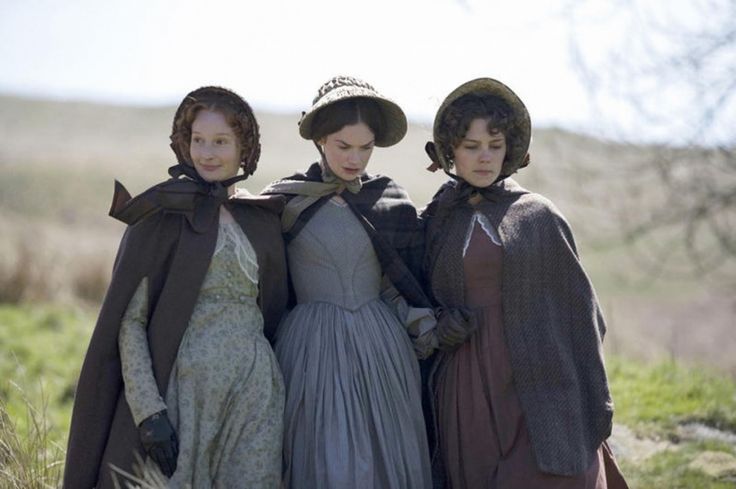
I had green eyes, reader; but you must excuse the mistake: for him they were new- dyed, I suppose. I have never met anyone with the same colour eyes. It is perhaps my only unique quality, and they have always been much admired, especially because they change in colour according to the sunlight or my mood.

-+
Rachel Weisz is Luccia Gray’s favourite actress to play the mature Jane Eyre in the Eyre Hall Trilogy, and she has green eyes!

Edward’s eyes were dark, sometimes irate, and often piercing, and I loved it when he looked at me, so intensely that I felt like the most important person in the world. He had great, dark eyes, I longed to look at and watch as they bore into me, quizzically at first and lovingly later.

After the fire, he lost his sight and I promised to be his companion, to read to him, to walk with him, to sit with him, to wait on him, to be the eyes and hands he needed. I promised because I loved him, crippled and blind as he was.

Two years after our wedding, we went up to London, and with the help of an eminent oculist, Edward eventually recovered the sight of one eye. He cannot now see very distinctly. He still cannot read or write much, but he can find his way without being led by the hand. The sky is no longer a blank to him—the earth no longer a void.

When his firstborn was put into his arms, he could see that the boy had inherited his own eyes, as they once were—large, brilliant, and black, too.

Robert de niro
Robert de Niro is Luccia Gray’s favourite actor to play the mature Rochester in the Eyre Hall Trilogy, and he has dark eyes!

Dear reader, I’d like to tell you about the eyes of some of the other characters who crossed my path.

I’m not too fond of large blue eyes. My cousin Georgiana Reed, on my mother’s side, had languishing blue eyes, which I considered appropriate for lying, flirting, and generally getting her own way, which she did most masterfully throughout her life.

My cousin St. John’ Rivers, on my father’s side, also had large, blue eyes, which were as cold as ice. When he asked me to marry him, I shuddered. I could never marry a man who was as cold as an iceberg and only wanted to marry me because he thought I should make a suitable missionary’s wife.

There is passion in bright, dark eyes. My master’s passion.

My best friend at Lowood, Helen Burn, and my favourite teacher and mentor, Miss Temple both had beaming dark brown eyes and brown hair.

Bessie, the young maid at my aunt Reed’s house also had cheerful black eyes and dark hair. She was the only person who was ever kind to me during the ten tortuous years I spent at Gateshead.

My darling Adele, the reason I was offered employment at Thornfield hall and met Edward, had large hazel eyes, just a shade darker and browner than mine.

I’ll never forget spoilt and coquettish Miss Ingram, the raven haired woman whose large and black eyes, shone as brilliantly as her jewels. Edward cruelly brought her to Thornfield Hall to tease me, before he declared his love to me and proposed. I disliked her intensely, but her eyes were undeniably stunning.

Mabel Pantaleon
Could Bertha Mason, once a beautiful Jamaican heiress, have looked like Mabel Pantaleon, with her dark hair and eyes, when Rochester met her?

I’ll never forget Bertha Mason’s red bloodshot, fiery eyes. When Edward opened the door of the attic, where she had been locked for over ten ears, he said, “Compare these clear eyes (referring to mine) with the red balls yonder.” It was an unfair comparison. I wonder what colour her eyes were when she was a young and carefree heiress in Jamaica, when Edward met her? I suppose they were dark, like her hair.

Her wild, distorted face still haunts me, and her cries still wake me up in the middle of the night. Poor, madwoman, how I pity her, and the dreadful way she died.

Luccia Gray, who you may have noticed is rather obsessed with me, recently wrote another post about beauty in Jane Eyre. Check it out if you’d like more information about my physical appearance.

Letter D #AtoZChallenge #JaneEyre’s Dresses

This post is part of this year’s April Challenge to write a post a day. I’ve chosen to write about my greatest literary passion: Jane Eyre. Today it’s all about Jane Eyre’s Dresses. Jane will tell us all about the clothes she wore.


D

While I was at my aunt’s house in Gateshead, I was treated as if I were a servant. I had to dust and clean every day, so I wore a pinafore over a simple stuff dress. On the other hand, my cousins, Eliza and Georgiana Reed, wore nicer frocks, especially at Christmas and on Sundays when they’d dress in thin muslin frocks and scarlet sashes. I didn’t mind not having their clothes, I didn’t like colorful sashes anyway, but I wondered why I always left out of all the enjoyment and fun. I usually spent my time with Bessie in the kitchen.

When I moved to Lowood, I wore ugly, old-fashioned, brown stuff frocks with long Holland pinafores with pockets. I still dislike brown.

Peggy Ann Garner as young Jane Eyre at Lowood School in Jane Eyre 1944 x 400

The teachers dressed smartly, although they also wore drab colours, especially the dreaded brown. They also wore narrow tuckers made of lace around their necks and shoulders. They had large pockets, like a Highlander’s purse, tied in front of their frocks, as a work- bag. They also wore woolen stockings and country-made shoes, fastened with brass buckles. I thought they looked ugly.

Miss Temple dressed differently. She was more fashionably than the rest. She often wore a purple dress with black velvet trimming, and she was the only one who wore a gold watch tied to her belt, which shone like the sun.

I disliked Mr. Brocklehurst’s wife and daughters, who looked down at us with their splendid  silk dresses with velvet trimmings and furs. I would never dress like them, even if I had all the money in England.

Jane 2

When I arrived at Thornfield, I was wearing my black stuff travelling-dress, a cloak, a bonnet, gloves, and a muff.

Months later, when I met Rochester, while I was on my way to post a letter in Hay, I noticed he ran his eye over my dress, to try to decide who I might be. I was wearing a simple black merino cloak, a black beaver bonnet. He must have wondered if I was a maid. When I told him I was the governess, he smiled and said, ‘of course.’

1303125829_1303435

The first day Mrs. Fairfax told me Mr. Rochester, would like me to have tea with him, she warned me to change my frock. I replaced my black stuff dress with my best black silk dress. I had another slightly better dress, a light grey one, which I had worn to Miss Temple’s wedding. I thought it was too fine to be worn, for tea. I wore it some months later, when his extravagant guests arrived, with the object of teasing me, as I would later learn.

Blanche Jane.1

When his Mr. Rochester’s wealthy and ostentatious friends were invited to Thornfield, my drab, dull, and plain clothes, made me feel even more self-conscious and plainer than I was. They wore crimson velvet robes, shawl turbans of gold-wrought Indian fabric, white muslin dresses and coloured sashes, pink and white satin robes, silk stockings and white satin sandals.

Adele normally wore a brown frock, except when there were guests or when Mr. Rochester gifted her a dress. Mr. Rochester is especially fond of red and pink dresses. He bought one for Adele from France, and wanted to buy me one, months later, when he proposed, but I’ve never liked pink. I told him I would not be dressed like a doll with bright colours, diamonds, or furs.

Clothes should be comfortable and practical, and the colours should be pleasing to the eye. Sashes, ribbons, and expensive jewellery are an unnecessary and pretentious extravagance.

Jane blue dress

I have worn too many stiff, stuff dresses not to appreciate the smoothness of satin and silk, which are my favourite materials. I prefer woolen coats to furs. My favourite ornament is the pearl; it’s the only type of necklace I would let Mr. Rochester buy me.

My favourite colours are sky blue, pearl grey and black, in that order. I’ll never forget the pale blue dress I was wearing when Edward recovered his eyesight. It’s still my favourite colour.

Letter C April #AtoZChallenge #JaneEyre’s Cousins Reed

This post is part of this year’s April Challenge to write a post a day. I’ve chosen to write about my greatest literary passion: Jane Eyre. Today it’s all about Jane Eyre’s Cousins Reed, told by Jane herself.


C

I was an orphan, but I had many uncles and cousins. I’m going to tell you about my Reed cousins on my mother’s side. I’ll tell you about my Rivers cousins, on my father’s side later on.

Jane_Eyre_family-tree

I’m afraid the information I have is sketchy because some of the records were lost, and my surviving family were not able or willing to give me all the missing facts.

My mother’s maiden surname was Reed, and she had one brother, who looked after me when my parents died, although he died shortly after, when I was a child.

Nine years later, Mr. Rochester informed me that my uncle had been a respected Magistrate. He was a good man, who loved his sister, my mother dearly, so he adopted me when I was an infant.

Unfortunately, his wife, my Aunt Sarah Reed did not fulfill his wishes. When he died she treated me cruelly. They had three children, who were my cousins John, Eliza and Georgina. They did not love me, or even like me. Their mother had poisoned them against me, and treated me as little more than a servant, or unwanted guest.

JaneEyre1983_006Pyxurz

My cousins Liza and Georgiana ignored me most of the time, and my cousin John abused me often. He would hit me and tease me several times the day, although I tried to keep out of his way. Eventually, when I was ten years old, my Aunt Reed sent me away to Lowood, which in retrospect, was one of the greatest things she ever did for me. At Lowood I excelled in all subjects and became a teacher. It was my profession which enabled me to be free by providing me with an honest employment and independence at an early age.

John Reed

When I left Gateshead Hall, my cousin’s grand but unwelcoming abode, I never saw them again for the rest of my childhood.  My aunt gave strict instructions that I should never be allowed to return, even during the school holidays. Eight years later, I was employed as governess at Thornfield Hall in October. In May of the following year, I returned to Gateshead having been summoned by my aunt who was on her death-bed.

My cousin John died before his mother at his chambers in London. He was leading a life of debauchery, ruined himself and is believed to have committed suicide. The news so shocked his mother, my aunt, that it brought on an apoplectic attack.

My aunt informed me, to relieve her conscience, that three years earlier, she had received the following letter from my uncle, my mother’s other brother, John Eyre:

‘Madam,—Will you have the goodness to send me the address of my niece, Jane Eyre, and to tell me how she is? It is my intention to write shortly and desire her to come to me at Madeira. Providence has blessed my endeavours to secure a competency; and as I am unmarried and childless, I wish to adopt her during my life, and bequeath her at my death whatever I may have to leave.

‘JOHN EYRE, Madeira.’

She had informed my uncle that I had died of typhus fever at Lowood. She confessed that she had done it because she hated me because my uncle doted on my mother and insisted on adopting me when she died. She confessed that she hated me the first time she set my eyes on me because I was a ‘sickly, whining, pining thing who would wail in its cradle all night long—not screaming heartily like any other child, but whimpering and moaning.’ I must say that when I heard my aunt’s words, my heart for that poor little orphan. Was it my fault I had been born and survived my parents? How could a little baby girl, who has just lost her parents, inspire anyone to hate her?

My cousin Georgiana, who was reportedly beautiful, although I considered her too large, loud and boistrous, reminding me of Blanche Ingram, eventually married a wealthy worn-out man of fashion.

Her her sister Eliza became a Roman Catholic nun in France, becoming Mother Superior of the convent where she passed the period of her novitiate, and which she endowed with her fortune.

When I look back, I think of life’s unexplainable mysteries. My aunt thought she was punishing me by sending me to Lowood and then by telling my uncle I had died. In fact, she did me a great favour.


Jane Teacher

In the first place I gained knowledge, self-respect, a disciplined character, and a profession at Lowood, which I would never have attained had I remained in her house as a maid. Secondly, if I had been sent to Madeira with my uncle three years ago, I would never have worked as a teacher at Lowood or as a governess at Thornfield Hall, and I would never have met Mr. Rochester.

Jane teaching Adele

Perhaps that is why, when I remember her, my heart has no hate and seeks no revenge. Vengeance is mine sayeth the Lord, and I’d say, she has had her fair share of sorrow without my participation.

I never met my Uncle John, but in the end, his lawyer, Mr. Briggs found me while I was in Morton, where my cousin Rivers’ lived. I inherited all his belongings when he died childless. It was a great deal of money, which enabled me to return to Mr. Rochester as a wealthy and independent woman, able to build my own house and be my own master, if I should so wish.