A Sonnet for the First Day of Summer. Rereading Shakespeare

This is a wonderful sonnet to celebrate the first day of summer. Enjoy!

shakes

Shall I compare thee to a summer’s day? (Sonnet 18)

William Shakespeare, 1564 – 1616 

Shall I compare thee to a summer’s day?
Thou art more lovely and more temperate.
Rough winds do shake the darling buds of May,
And summer’s lease hath all too short a date.
Sometime too hot the eye of heaven shines,
And often is his gold complexion dimmed;
And every fair from fair sometime declines,
By chance, or nature’s changing course, untrimmed;
But thy eternal summer shall not fade,
Nor lose possession of that fair thou ow’st,
Nor shall death brag thou wand’rest in his shade,
When in eternal lines to Time thou grow’st.
So long as men can breathe, or eyes can see,
So long lives this, and this gives life to thee.
The Sonnets are Shakespeare’s most popular works, and Sonnet 18, Shall I compare thee to a summer’s day, is easily the most widely read poem in English literature.

Shakespeare wrote 154 sonnets, probably between 1592 and 1598, between Shakespeare’s 18th and 45th birthdays. They were published in 1609 by the unscrupulous Thomas Thorpe, probably without the author’s permission.

The sonnets were dedicated to a W. H., whose identity remains a mystery, although William Herbert, the Earl of Pembroke, is frequently suggested because Shakespeare’s First Folio (1623) was also dedicated to him.

Loosely paraphrased

wpid-20140621_143430-1.jpg
Seen in my garden this morning, 21st June.

‘You are more beautiful than summer. When summer’s over you’ll still be beautiful, and after you are no longer here, people will still remember your beauty because they’ll be reading this poem about how much I love you and how beautiful you are.’

Sonnets were very popular form of entertainment in the 1590’s. Although it was imported from Italy, the Shakespearean sonnet took on a distinctive English style with three distinctively rhymed quatrains, building an argument, and ending with a denouement in the final rhymed couplet.

The first quatrain introduces the question of whether the loved person’s beauty is comparable to a summer’s day. Of course, the object of his love is more ‘temperate’ and lasting than the ephemeral summer. The second quatrain extends the same idea, concluding that summer is too hot and will decline. The third quatrain affirms that the addressee’s beauty will outlive the summer. Finally, he predicts that the person will live on as long as his poem is read. The poet concludes that beauty, love, and literature, will all outlive the ephemeral summer.


The Plagues and Prestige

There are many theories regarding his purpose in writing the sonnets, and whether they are autobiographical, or imaginative literary creations.

We have the plagues which were so frequent in London to thank for Shakespeare’s sonnets.

In the summer of 1592, an episodic outbreak of the plague swept through London, and theatres were among the public gathering places which were shut down.

Shakespeare probably wrote sonnets at this time for two reasons. Firstly, he needed finance while the theatres reopened, so writing under commission may have been a good option for a well-known playwright.

Secondly, he also wanted to be taken seriously as a writer. Playwrights of the era were considered little more than popular ‘showmen’, and Shakespeare wanted to earn both money and literary praise through noble patronage and sonnet writing.
wpid-20140620_085623.jpg
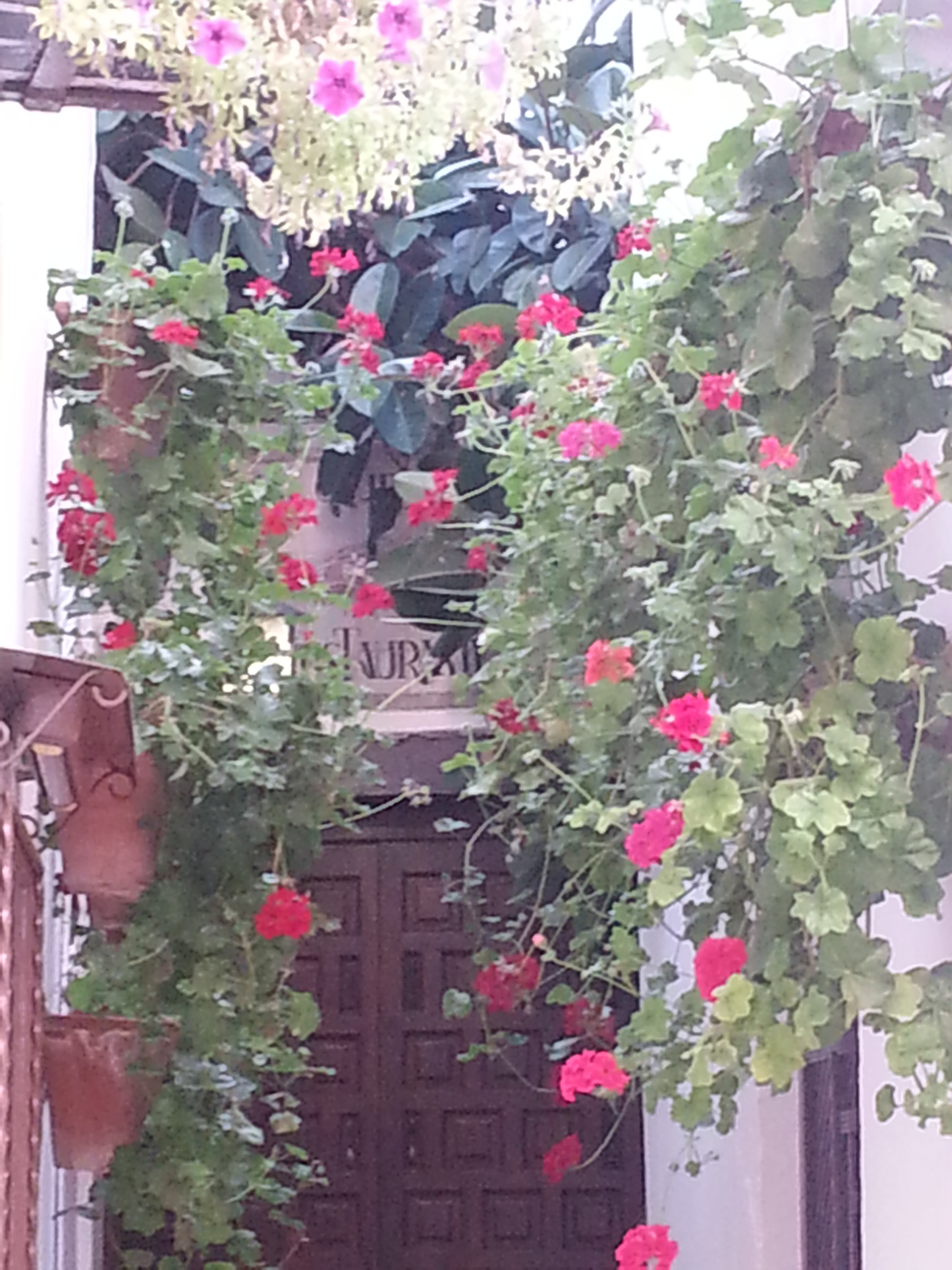
I love these balconies. I see them almost every day!

A narrative in Shakespeare’s Sonnets

Most scholars have identified a narrative in Shakespeare’s sonnet sequence. The first seventeen sonnets, These are the so-called “procreation sonnets“, were probably commissioned in order to urge a young nobleman, probably William Herbert, Earl of Southampton, to marry and have children. William Herbert’s mother, Mary, was one of the most important patrons of literature in the sixteenth-century, and herself a poet. She may have commissioned Shakespeare, a highly successful playwright, to write the sonnets for her son’s seventeenth birthday in 1597, to encourage him to put away youthful pursuits and get married.

Other scholars identify William Wriothesly, Earl of Pembroke, who was a generous patron of the theatre and learning in general.

Much has been discussed as to whether the sonnets have a homosexual intention. We will never know, and in any case, the gender of the addressee is irrelevant. The main theme of the poem is romantic love, and the pervalence of love over time.

Our sonnet, number 18, “Shall I compare thee to a summer’s day?” no longer insists on marriage and procreation. This sonnet is heavily hedonistic, the poet admits his love for and praises the addressee, trying to persuade her that he will immortalize him/her through his verses.
The following sequence of 108 sonnets may be addressed to the same Young Man with whom the poet now has an intense romantic relationship.

640px-Sonnets1609titlepage

Another group of the sonnets, (76-86, maybe 100-103), the poet obliquely mentions a rival poet for either the patronage or the affections of the Young Man, a situation which arouses jealousy, as this poet has “a worthier pen” and “a better spirit.” Again, much has been speculated about the ‘real’ identity of this ‘rival poet’, who may have been Christopher Marlowe or Ben Jonson.

The final group of sonnets (127-154) is devoted to the poet’s ‘dark’ mistress, promiscuous and scheming woman: the Dark Lady Sonnets. Again, there are many possible candidates, such as noblewomen, other poets’ mistresses, and Lucy, an African prostitute. The poet’s tone here is sensual, sinful, and distressed.

More information on Shakespeare’s Sonnets
They are well worth reading and rereading. Have a go! You can read them here.

Writing 101, Day Fifteen: Your Voice Will Find You

Today’s prompt: You’re told that an event that’s dear to your heart — an annual fair, festival, or conference — will be cancelled forever (or taken over by an evil organization). Write about it. Today’s twist: read your piece aloud, multiple times. Hone that voice of yours!

Well, here goes part 5! Yes, I’m keeping up my ‘serialised story’ and following the prompts and twists! In this case it’s a wedding anniversary, which looks as if it won’t be celebrated any more…

As all the other parts, this post/episode can be read on its own, but if you’d like to read the previous parts, 1-4, just scroll down after reading!


Last night I dreamt I returned to…. Part 5.

I can’t remember the first day I met Stella because I’ve known her as far back as my memories go. We were born in the same year, in the same hospital, and lived on the same street. We played together at nursery school, of course I don’t remember that, my mother used to tell me about it. Apparently I chased her around the playground, and wouldn’t play with any of the other toddlers.

Later on, we went to the same primary school. We’d walk there together with our mothers. Sometimes my mother would take us both, because her mother had to work shifts at Highwood Hospital.

We were in the same class, although not on the same table. I remember she was on the blue table where the brighter girls were, and I was on the yellow table with the slower learners. She taught me to read and helped me with my maths. She was always cleverer than me. I liked it. I admired her. I showed off because my girlfriend was the cleverest girl in the class, and the prettiest.

I always said she was my girlfriend, even when she wasn’t, even when we split up for a time because she went to a Convent School and I went to the local Comprehensive. Even when she went out with Chris O’ Keeffe, because her mother said he was a nice Catholic boy. Even when she moved away from our street and went to College in Cambridge, I still said she was my girlfriend.

She used to say, ‘Peter, stop saying that. I’m not your girlfriend. I’m just your friend. I’ll always be your friend, but never your girlfriend.’ And then she’d hug me, and hold my hand, and tell me about her ‘other’ life, the life she led when we were apart.

Today, 20th June, is our wedding anniversary. There’s no way I’m spending today without her. I have to find her. We’ve celebrated it together since we married, thirty-eight years ago. Before that we’d been living together for almost ten years, and before that, well, we were apart for a few years, while she finished College and travelled the world. She said she had to get it out of her system. I waited. I knew she’d come back.

Meanwhile, I was apprenticed with my father at the bakery. When she returned, I had saved up enough money to buy our first flat, but when her father died, and her mother went to a nursing home, she wanted to live in this house, the house she was brought up in, so we moved. It was a mistake.

The bedroom floor is covered with uneven bits of broken glass and blood, and she’s left a note:

I’m sorry, Chris, but I have to go. I know I told you I would wait, but I can’t stay here any longer. I’ve realized it’s not my house, or our house. It never was our house. The terrible things which happened here — we thought it didn’t matter, but it does. We thought we could start again, but we can’t. I understand why now. He is still here. She knows. You shouldn’t stay either.
I love you. S.N.

Why can’t she just forget about Chris?

***

Would you like to read some other Writing 101 posts?


20th June, 1837. The Birth of an Era: Victorian Britain

On Tuesday, 20th June 1837, at 6 o’clock in the morning, Princess Victoria was awoken by her mother, the Duchess of Kent, because the Archbishop of Canterbury and the Lord Chamberlain wished to see her. She greeted them in her dressing-gown and slippers, and they informed her that her Uncle, King William IV had died a few hours earlier, without any legitimate heirs, therefore, she was to become the Queen of England.

Princess_Victoria_and_Dash_by_George_Hayter
Princess Victoria and Dash by George Hayter

She wrote in her diary:

‘Since it has pleased Providence to place me in this station, I shall do my utmost to fulfill my duty towards my country; I am very young and perhaps in many, though not in all things, inexperienced, but I am sure that very few have more real good-will and more real desire to do what is fit and right than I have.’

Queen Victoria was an avid diarist. You can read more extracts from her diaries, here.

The Prime Minister, Lord Melbourne arrived at nine o’clock with the Declaration which the young Queen was to read to the Council accompanied by her two Uncles, the Dukes of Cumberland and Sussex. Her coronation was held at Westminster Abbey a year later on 28 June 1838.

When Victoria was born at Kensington Palace, in London, on 24 May 1819, nobody would have imagined she would be Queen of England, and Empress of India. She was the only daughter of Edward, Duke of Kent, fourth son of George III, who died shortly after her birth. She became heir to the throne because her three uncles, who were ahead of her in succession, George IV, Frederick Duke of York, and William IV, had no legitimate children.

Industrial and Technological Expansion

Queen Victoria is associated with Britain’s great age of industrial expansion, economic progress and, especially, Empire. At her death, it was said, Britain had a worldwide empire on which the sun never set.

While Queen Victoria’s reign was a time of great material prosperity and economic growth, industrialization and urbanization brought new social difficulties. Urban poverty and the poor treatment of many in the working classes were major results of the newly capitalized and industrialized economy, and political pressures mounted throughout the nineteenth century to address such problems before they amounted to a great crisis.

Voyage_of_the_Beagle-en.svg
The voyage of the Beagle, 1831–1836

The Victorian Era was also a time of tremendous scientific progress and ideas. Darwin took his Voyage of the Beagle, and posited the Theory of Evolution. The Great Exhibition of 1851 took place in London, displaying technical and industrial advances of the age in medicine, science and technology.

Modern psychiatry began with men like Sigmund Feud toward the end of the era, and radical economic theory, developed by Karl Marx and his associates, began a second age of revolution in mid-century. The ideas of Marxism, socialism, feminism gained strength at this time.

Britain’s overseas trading surpassed that of Italy, France and Germany combined, and in 1870 it was nearly four times the size of the American overseas markets, and at home industry was flourishing.

Britain was called “the workshop of the world.” The hard-working and industrious Victorians represented the cutting edge of the Industrial Revolution: the railway, the postal service, telegraph, telephone, steam ships, spinning machines; steam engines, electricity, photography, antiseptic surgery, vaccines, stethoscope, among others.

Reading and Writing in the Victorian Era

In the late-eighteenth and early-nineteenth centuries, reading had been a privilege available to the upper-class elite. Books were very expensive and most of the population were unable to afford them. Jane Austen’s England of the turn of the century had very little to do with the country in which Charles Dickens lived.

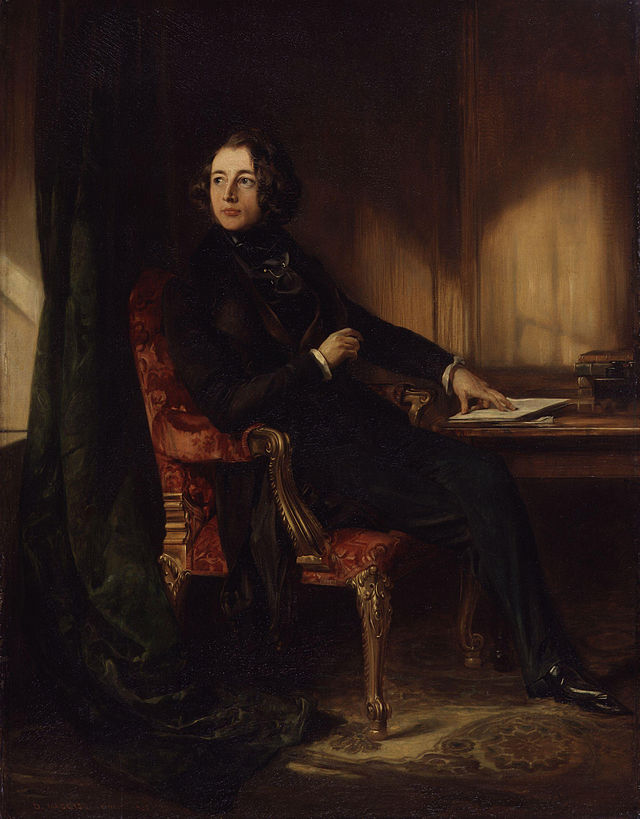
640px-Charles_Dickens_by_Daniel_Maclise
Charles Dickens by Daniel Maclise

In the 1830s and 1840s a new form of printed text emerged: a lengthy prose fiction serialised in one-penny or two-penny weekly parts. These were usually stories involving adventure or Gothic-like elements. Many had no planned, pre-written end; they just continued until the public were no longer interested in the story. Some penny weekly novels in the 1850s and 1860s were serialized over four or more years.

Reading became less of a privilege of the wealthy and more of a pastime of the common British citizen, as a result, magazines provided monthly installments of news articles, satiric essays, poetry and fiction, enabling many authors to easily share their work with the public, and helped launch the careers of prominent Victorian writers such as Dickens, Eliot, Tennyson, and the Brownings.

Have a look at this list of Victorian authors

I would compare these technological advances and this change in literary market to the present day digital technology, self-publishing industry and Social media.

The Victorians were avid readers of serialized and popular fiction, much as we are readers of ebooks and blogs!


Pictures used are in the Public Domain.


SIMPLICITY

THE SIMPLE THINGS IN LIFE

Extraordinary things, rarely happen.

It’s the Little Things we see, hear and do every day life livable or unbearable.

Simple things become extraordinary if you let them…

These are the little things I saw this morning on my way to work which made me arrive with a smile on my face and the need to write it all down and let you know about it:

Flowers hanging from a balcony.


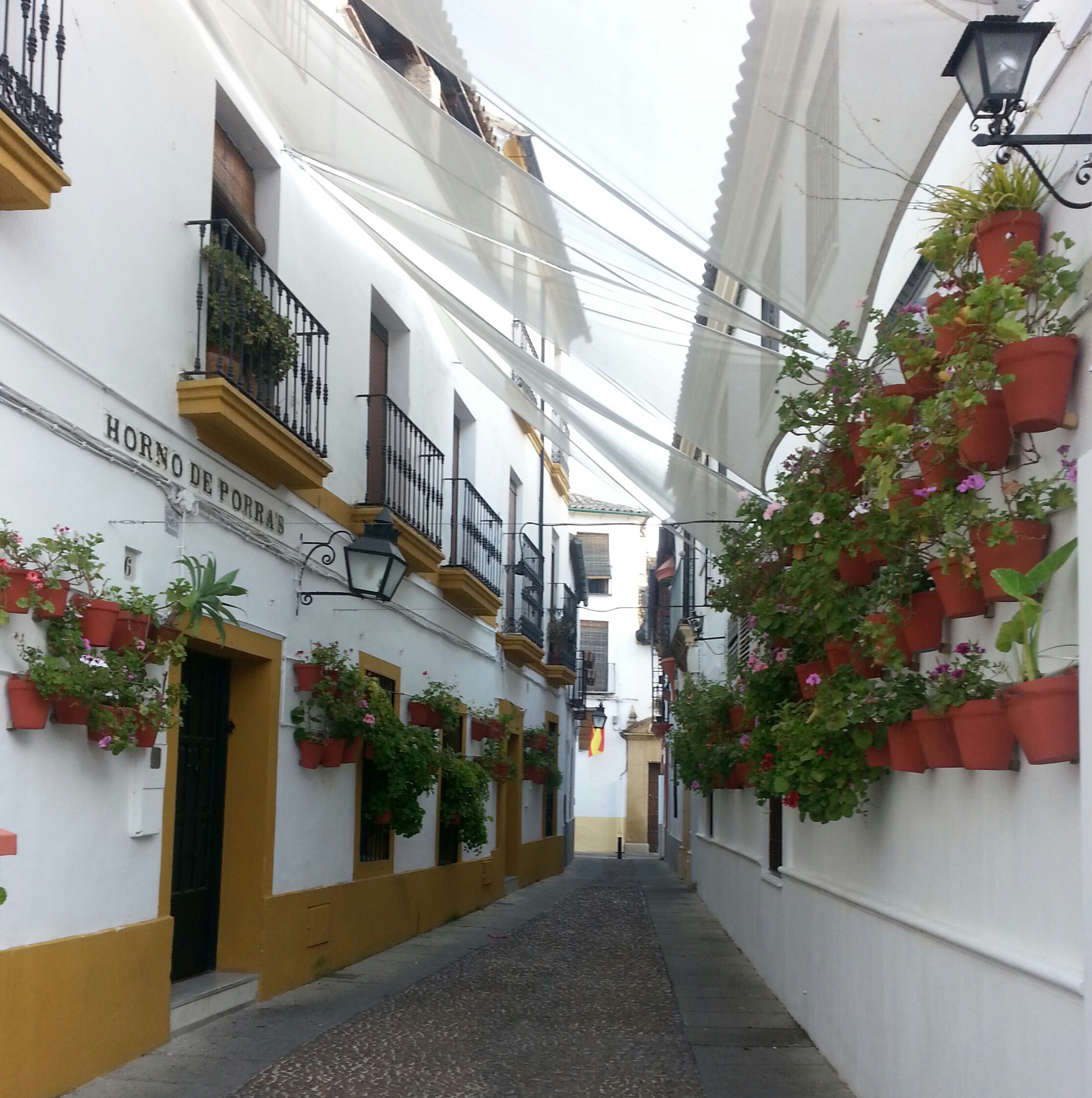
wpid-20140620_085623.jpg

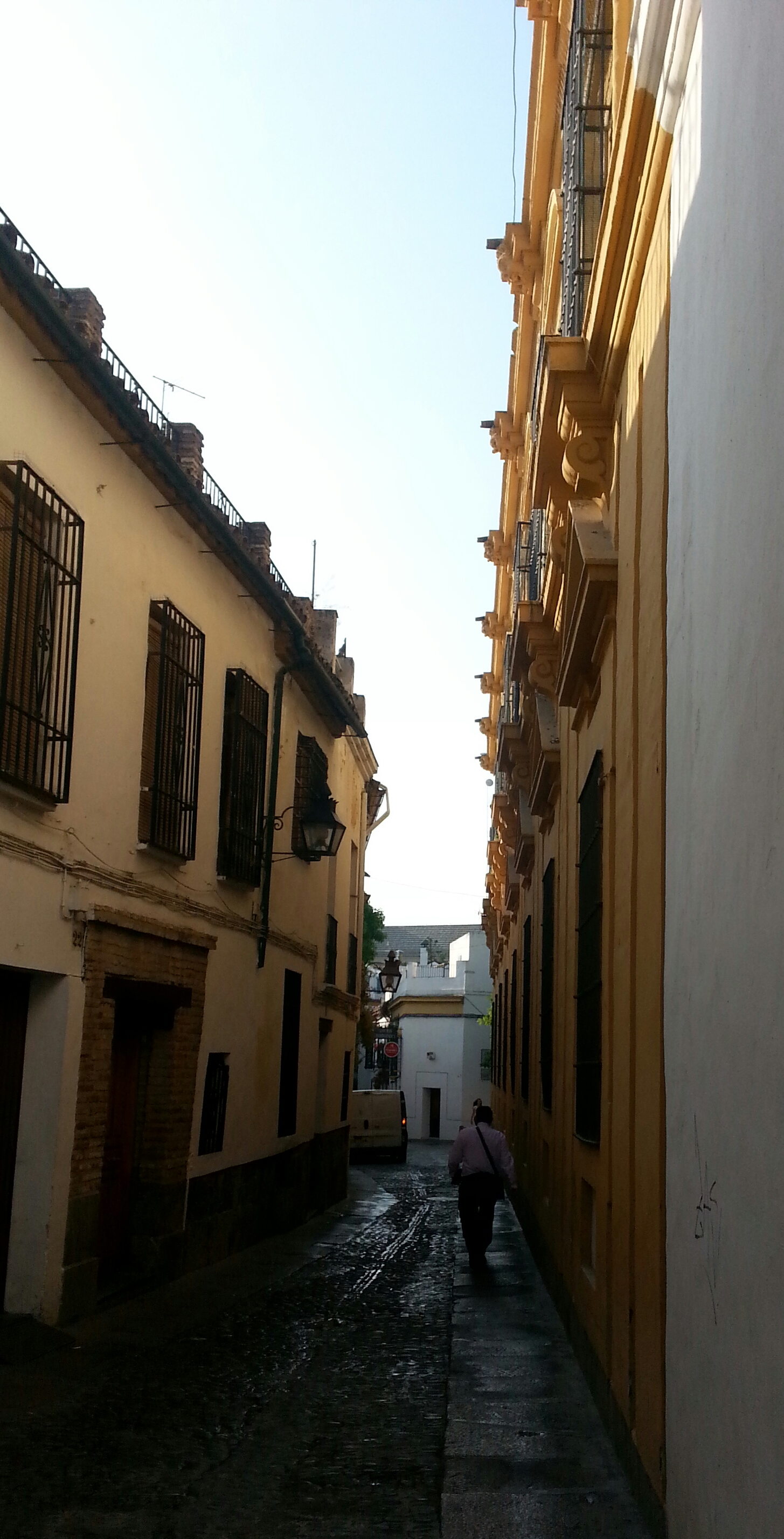
A narrow cobbled street with potted geraniums hanging from the whitewashed walls.


wpid-20140620_090429-1.jpg

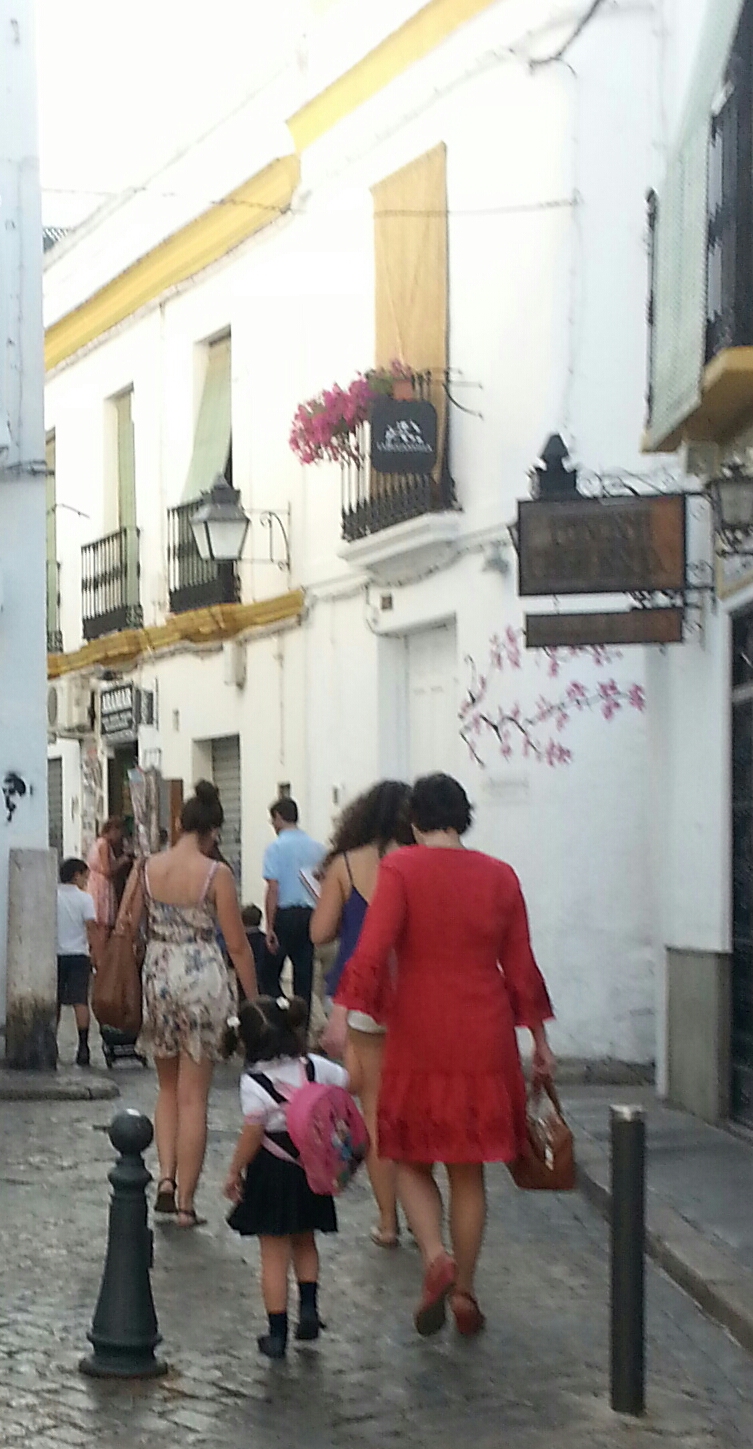
Children with satchels on their way to school.
wpid-20140620_085344-1-1.jpg

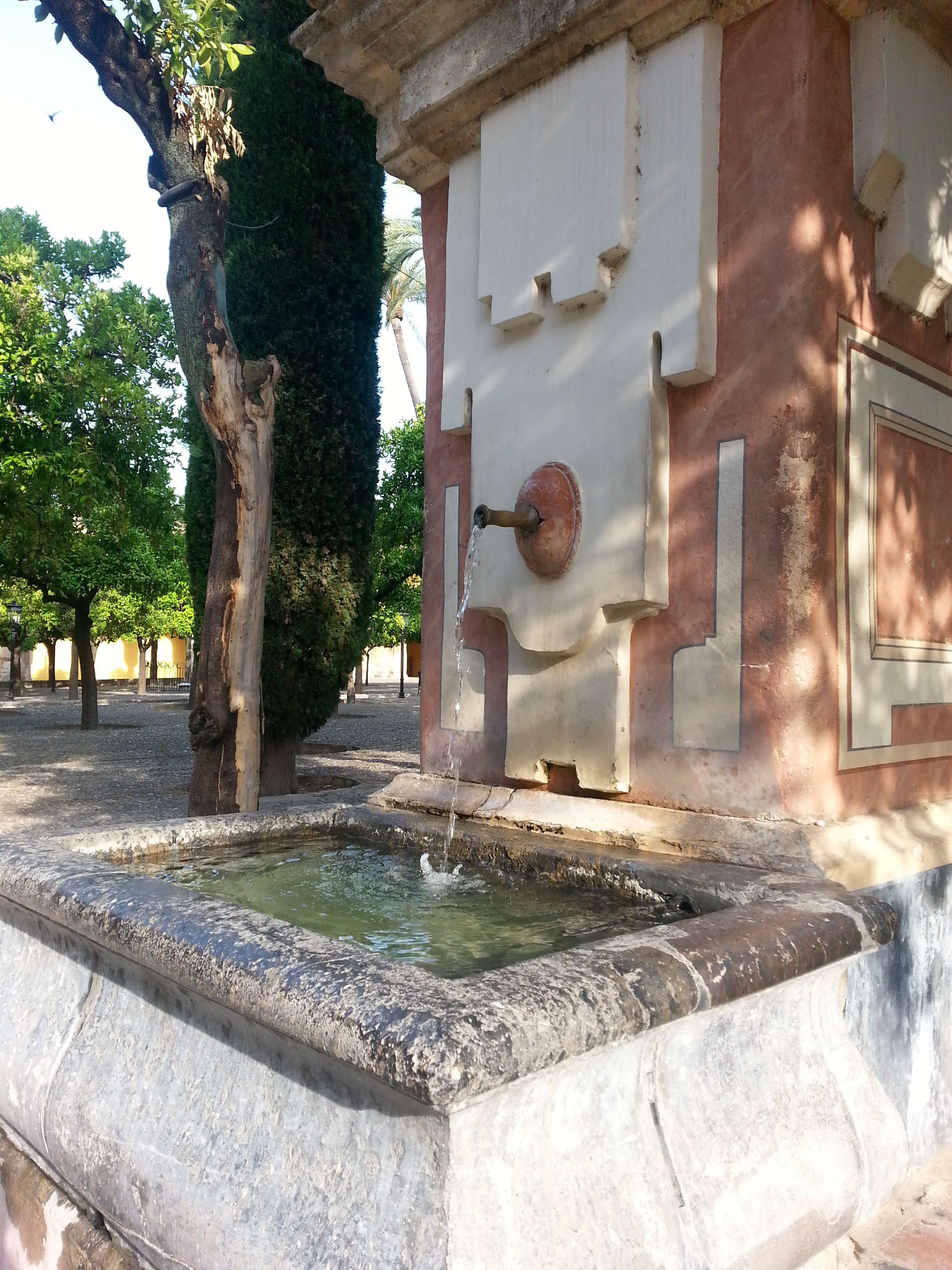
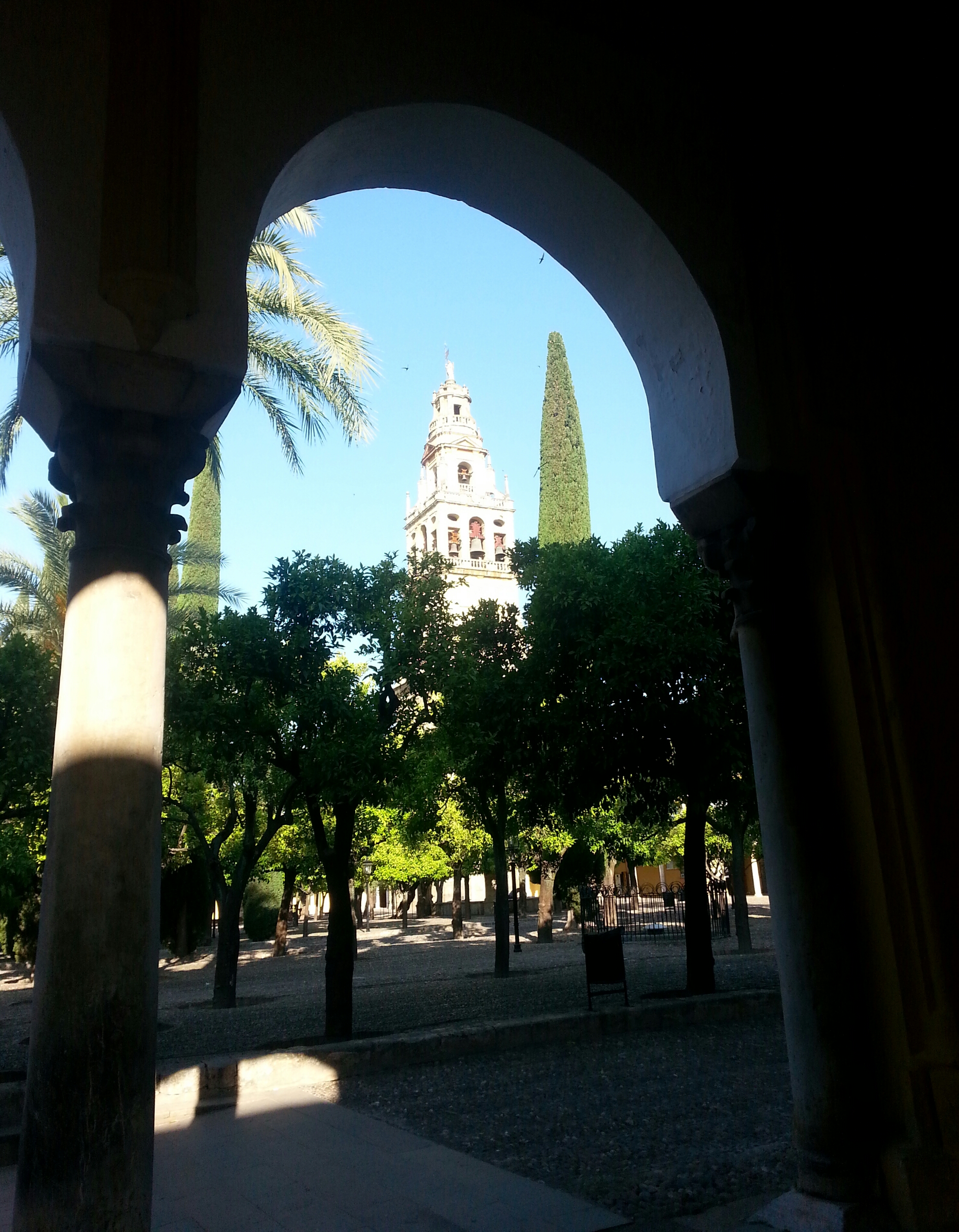
Water trickling from a spout, filling a marble fountain in ‘Patio de los naranjos’  Orange -Tree Square, by the Mosque.


wpid-20140620_090006.jpgwpid-20140603_085547-1.jpg

The sun struggling with playful clouds. (By the way, the sun finally managed to break through!)

wpid-20140620_090511-1.jpg


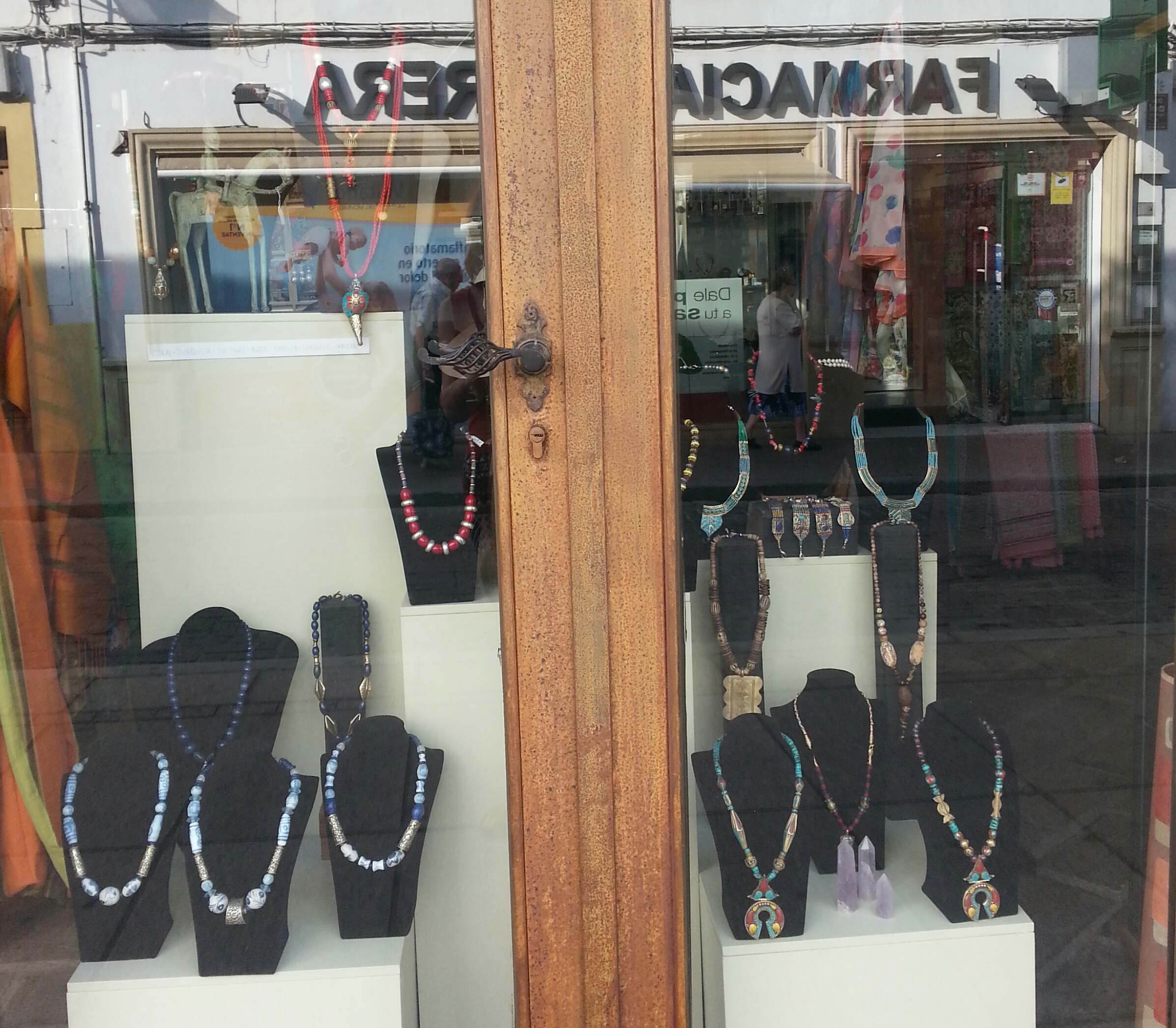
Pretty necklaces in a shop window.

wpid-20140620_090720-1.jpg

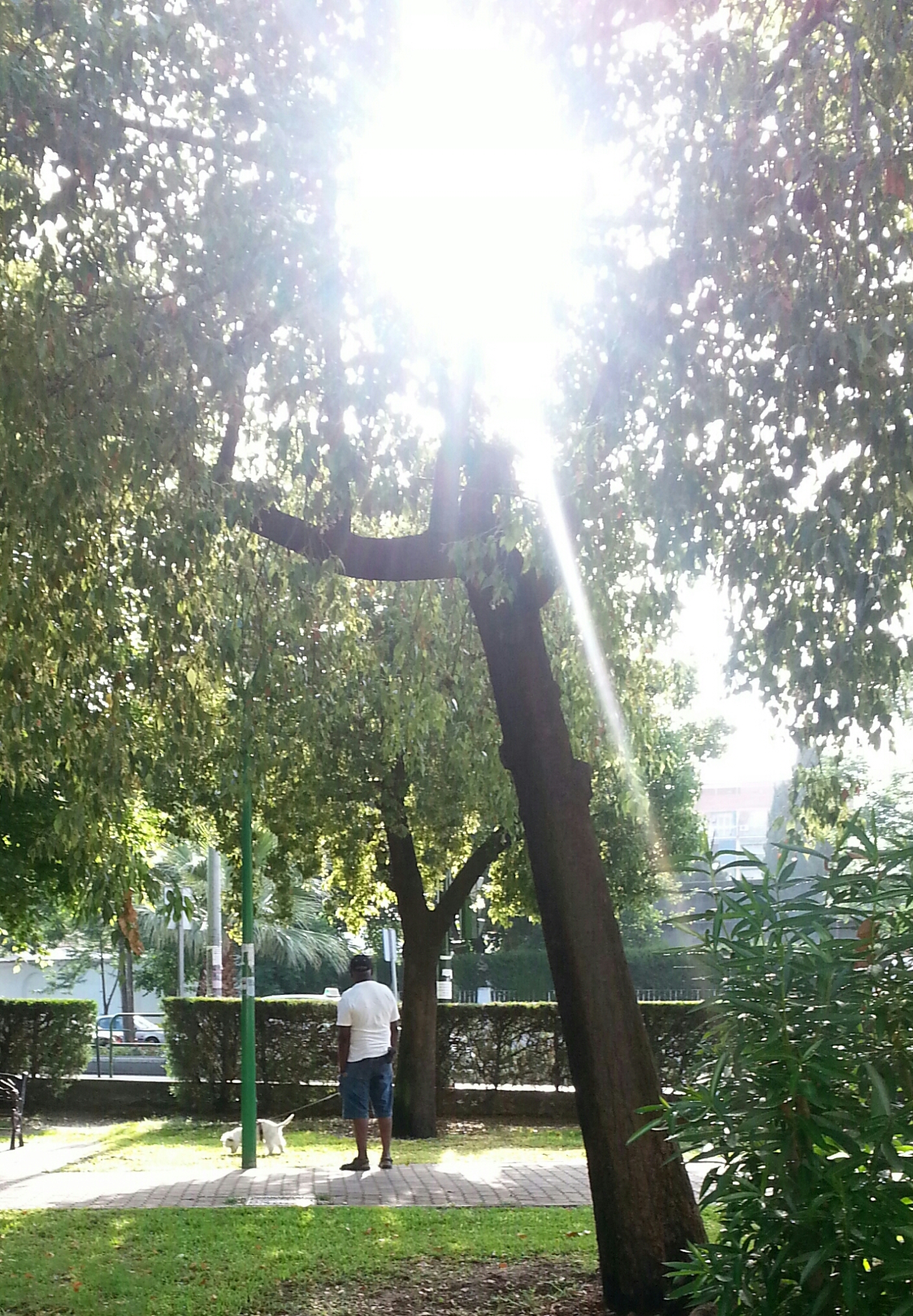
Someone walking his happy dog in the park.

wpid-20140620_091829-1-1.jpg

All these things make my simple morning special!

Which are the simple things you see and do in the mornings which make your day special?

Have a look at some of the other posts on Simplicty

Writing 101, Day Fourteen: To Whom It May Concern

Today’s prompt: Pick up the nearest book and flip to page 29. What jumps out at you? Start there. Today’s twist:  Write in the form of a letter.

The novel I usually have at hand is Jane Eyre, but yesterday, I had been rereading parts of The Professor, also by Charlotte Bronte. I turned to page 29, and the word ‘chilling’ caught my attention. I thought it accurately described what was happening to my narrator/protagonist: S.N. It isn’t written as a letter, but it ends with a letter. So here is part four.  Another cliffhanger, I’m afraid…

This story can be read on its own, but if you’d like to read parts 1,2,and 3, just scroll down.


Last night I dreamt I returned to…. Part 4.

The front door banged, and I raced up the stairs to the looking-glass in the main bedroom. I knew he was still here. I could hear his voice in the mirror. I froze at the threshold…

It was her again! A ragged grey dress covered her skeletal frame, and unruly grey hair hung around her gaunt face. Her bulging red eyes stared back at me. She was even uglier than before.

‘What are you doing here?’ I shouted. She looked surprised and displeased to see me, too. She repeated the same words as me.

‘I don’t have time for this now.’ I told her rushing to the back of the mirror feeling for the switches I had to press desperately, but I couldn’t find them, and she kept mimicking me.

I had to make her shut up. I turned back to the dressing-table, picked up my mother’s vase, and shattered the mirror with one sharp blow.

One of the pieces flew over the bed and landed inside the cot. I felt a chilling cry creep inside my head – the baby!

I jumped over the mattress to the cot. A jagged piece of glass jutted out of a toy baby. The blue plastic eyes blinked vacantly, and a drop of water slid down its chubby cheek.I wiped it away with my fingers.

I flew down the stairs and slammed the front door shut, pressing my back hard against it. I was still panting as I walked down the path and out of the gate into the bright midday sun.

***

She had left the letter on the bed, unfinished, unsealed, and unread, until he opened it when he finally returned days later.

I’m sorry, Chris, but I have to go. I know I told you I would wait, but I can’t stay here any longer. I’ve realized it’s not my house, or our house. It never was our house. The terrible things which happened here — we thought it didn’t matter, but it does. We thought we could start again, but we can’t. I understand why now. He is still here. She knows. Perhaps you shouldn’t stay here, either.
I love you. S.N.


If you’d like to read some of the other posts in Writing 101 click here


Although I have an outline for a story in my mind, Part 5 will depend on tomorrow’s prompt, and suggestions are welcome!


Writing 101, Day Thirteen: Serial Killer II

Today’s prompt: Earlier in the course, you wrote about losing something. Today, write about finding something. Today’s twist: For your twist, view day four’s post and today’s post as installments in a series.

This post is the continuation of both day 4 and day 12. In day four, I wrote about losing oneself through suffering Alzheimer’s or dementia, and yesterday, I wrote about a person who returns to her childhood home in search of something she left there. This post is about finding yourself… and something you were looking for to help you through the process…


Last night I dreamt I returned to…. my home. Part 3.

The same burgundy carpet. The same flowered wallpaper. The same dark chestnut varnished doors. The same bulky furniture.

A different echo. A different smell. A different face. Ghastlier. Spicier. Uglier.

It was uncanny. Like seeing someone wearing your clothes, but they don’t fit properly…

‘Lovely house.’ I spat out, surprised at my own voice.

‘Thank you. We like it…’

She ushered me into the hall.

‘I’d offer you a cup of tea, but I’m afraid I’m in a hurry. I have to pick up my son from school in a few minutes.’

‘That’s fine. My questions will just take a few minutes. Could we sit down?’

‘Sure. Do you mind sitting in the kitchen?’

‘That’s fine, as long as there’s a table.’ I knew there was. I bet the kitchen was exactly as we had left it.

I sighed on seeing the fading linoleum cupboards, the earthenware dishes draining on the rack, and the unhinged door under the sink.

‘Please sit down.’ She pointed to the chair I knew so well. I nodded and noticed my mother’s frilly apron hanging loosely on the doorknob. Had she just worn it? I gasped. Perhaps my clothes were still in the wardrobe!

I slumped into the chair. To my left, my favourite spoon rested on the rim of a frosties mug, the only object I had never seen before.

‘How long have you lived in Highwood?’

‘I was born here, in Highwood, just down the road, in fact. I always liked this house, number 77. It’s my lucky number, seven. Lucky twice over. Nobody wanted to live here, after… but I knew it would bring us luck.’

Was she talking about us? About me? How dare she take over my house, my life, and my dreams.

‘Why would you recommend families with young children to move here?’

‘People are very nice here. There are parks, good schools, a modern shopping centre, a train into London every five minutes. What more could a young family need?’

I asked a few more questions. She fidgeted and hesitated. I could tell she was lying.

The rain hit the panes furiously. She jumped up from her chair, ‘Shit! It’s raining, and the baby’s sleeping. I have to collect Paul from school.’

I couldn’t believe my luck. ‘Would you like me to stay with the baby while you pick your son up?’

She looked from me to the window and back, rubbing her forehead. ‘Would you mind?’

‘Not at all.’

‘I’ll be off then. Make yourself at home!’

The front door banged, and I raced up the stairs to the looking-glass in the main bedroom. I knew he was still here. I could hear his voice in the mirror. I froze at the threshold…

***

Sorry for the cliffhanger! But there will be a part four. I promise!

By the way, any suggestions? What did she see? Who/what was she looking for?

Would you like to read some of the other posts?


Writer Wednesday Blog hop

Story Prompt:  Your story must include the 5 words provided and be related to the photograph in some way. Keep your story to 500 Words.

And now for this week’s picture and 5 words:

Wine

• Electromagnetic
• Menopause
• Shopping
• Crummy
• Footing

Moongrape

A giant video-screen projects an overweight middle-aged woman wearing no make-up, while she pleads:
‘Why do I feel as if I’m losing my footing? My world is crumbling. I’m no longer attractive, my body is changing I’m moody and irritable. I feel different… I don’t recognize myself…’

The image on the screen flips to another, more attractive and younger-looking woman, who claims:

‘Believe me, the only way to heal the crummy way you feel during menopause is to go shopping. That’s the great thing about menopause, isn’t it? By now, most of us have enough money to go shopping, don’t we? So we can actually spend and feel powerful. We are losing our physical attraction, but we are gaining economic force and dynamism.’

A voice speaks through loudspeakers to thousands of women listening:

‘This is not the way. A woman’s life is precious, like the moon. Womanhood is like the lunar phase. The first quarter is a time of action, and the beginnings of womanhood. This gives way to a full moon, which is analogous to fertility and fullness of womanhood. The third quarter corresponds to the peri-menopausal years. Menopause is defined as the time when our moon cycles end. This period should be embraced and not dreaded. Listen to internationally acclaimed physicist Dr. Emory Gant.’

His calm, earnest face appears as he advises, ‘Menopausal women are no longer affected by the moon’s electromagnetic force and therefore are wiser and calmer. They are no longer part of the changeable explosive force of nature, but gather strength from the darkness and introspection of the new moon. The moon has the answer.’

The voice on off speaks once more:

‘Menopause is a time of wisdom and inner healing. Instead of looking after others, women are able to look after themselves. It is a new beginning. A time to think of ourselves. But we can’t do this on our own. Listen to Professor Crook at Ester Lindon Laboratories.’

Another grave-looking man appears on the screen:

‘Women no longer need to suffer in silence, and watch their bodies age. The moon has brought us the cure. This latest moon mission was able to bring back small amounts of a new rejuvenating product made from Moondust and ecologically grown grapes, which we are selling exclusively to you, today.’

The first woman on the screen appears again. She has lost weight, and is wearing make up and smiling:

‘I discovered moongrape last month, and in 30 days, my life has changed. Yours can change, too. You’ll never look back. A glass of moongrape a day will make you a new, stronger, more attractive woman.’

The audience clap loudly. The women are smiling as they queue to buy the product.


Have a look at some of the other entries.

Writing 101, Day Twelve: (Virtual) Dark Clouds on the Horizon

Today’s prompt: Today, write a post with roots in a real-world conversation. Today’s twist: include foreshadowing.


Last night I dreamt I returned to….  Part 2.

I had to go back. I needed to go inside. I had to speak to him again. Just one more time. I knew he was still there. He told me he would never leave…

‘Good morning. My name is Stella Naiman, I lived in this house when I was a child and I’d like to go inside, just once.’

‘Good morning. I am Stella Naiman, I used to live here many years ago. May I come in?’

‘Good morning. I know this sounds strange, but many years ago, I lived in this house. It has many memories for me. Would you be so kind as to let me in for a few minutes?’

‘Good morning. I need to speak to someone inside your house, someone who has been living with you all these years, although you may never have seen him. May I come in?’

‘Good morning. When I lived in this house there was a friendly ghost. I wonder if he is still here, you see I need his help. May I come in and find him?’

‘Good morning. If you don’t let me in I’ll break in. I need to go inside and see if someone I once knew is still here. I need to tell him he was right and I need his help once more, you see he said he would always be here to help me. Please let me in.’

‘Good morning. My name is Stella Naiman. You can help me. Please let me come in and I will explain everything.’

***

My finger pushed the faded button. The familiar buzz sent a jolt along my arm to my shocked ear. Why hadn’t they changed the shrill-sounding worn doorbell? 

Good morning, my name is Sandra Norton. I work for the Highwood Observer.” I showed her a card with my picture and the name of the newspaper I had printed out and laminated. ‘I am preparing a special feature on living in Highwood Hill which will also appear in national newspapers. I have been interviewing various residents in the area, and I was wondering if you would mind answering a few questions.’

She took the card scrutinizing the contents. Then she looked at my face, making sure it was the same as the one on the card.

‘I took that picture last year. My hair was shorter then.’ I reassured her. ‘Glasses off looks more like me!’ I added with a friendly tone pulling my glasses down towards my chest, away from my eyes.

She pursed her lips. ‘You can’t be too careful nowadays, can you?’

‘Well, I’d like people who read the article to think about moving to Highwood. It actually has one of the lowest crime rates in the country. House prices are sure to go up…’ I curled my lips slyly. She didn’t look very well off.

‘Sure, please come in.’


Have a look at some of the other entries.


Cee’s Fun Foto Challenge: Things with Edges

 EDGING TO WORK…

For this week’s challenge, I’ve decided to take you for a walk along the edges I see every morning on my way to work.

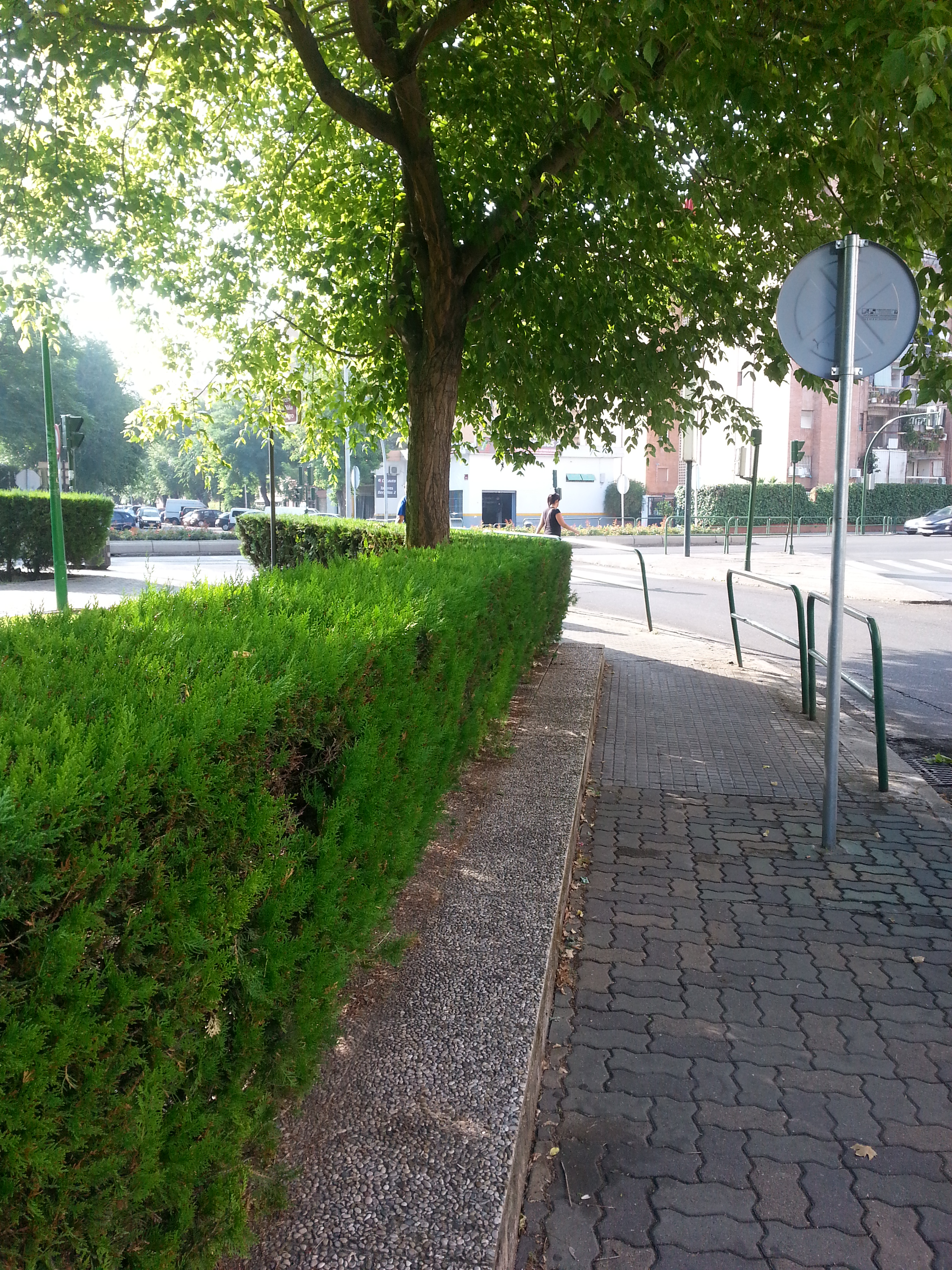
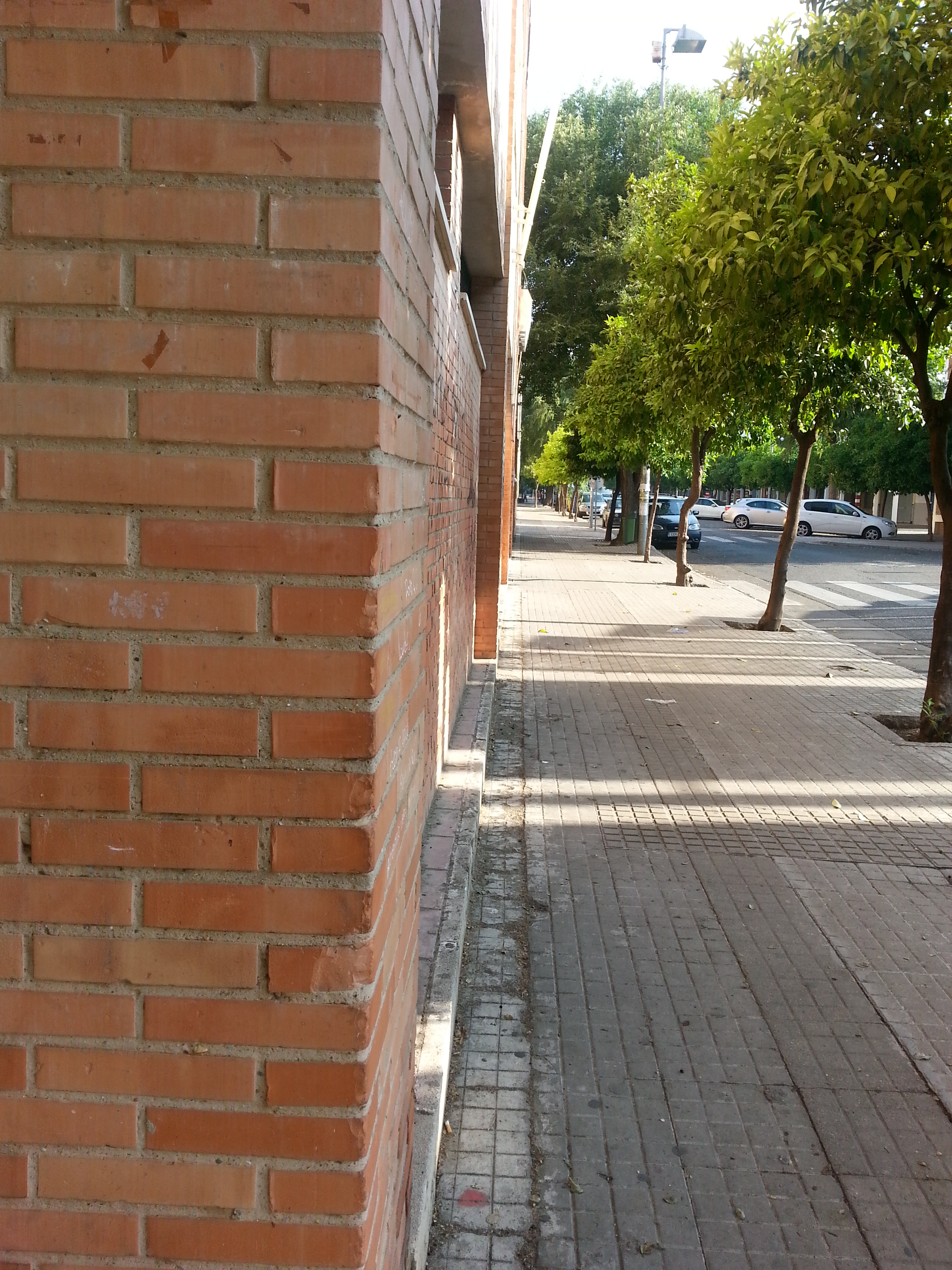
I park my car at the University of Cordoba’s main office. This twentieth-century neo-Moorish building, used to be the Faculty of Veterinary Science, before it was transferred to another larger building, outside the town. The edges are both round and square. In any case they jut out majestically into the morning air. More information on Moorish architecture.


wpid-20140617_085035-1.jpg
As I walk on I come across this ancient Roman Wall, rugged with age, which was later rebuilt by the Muslim, and later Northern Spanish Castilian conquerors, and is currently viewed by tourists in awe of past times when soldiers bearing bows and arrows would defend their town.


wpid-20140617_090143-1.jpg
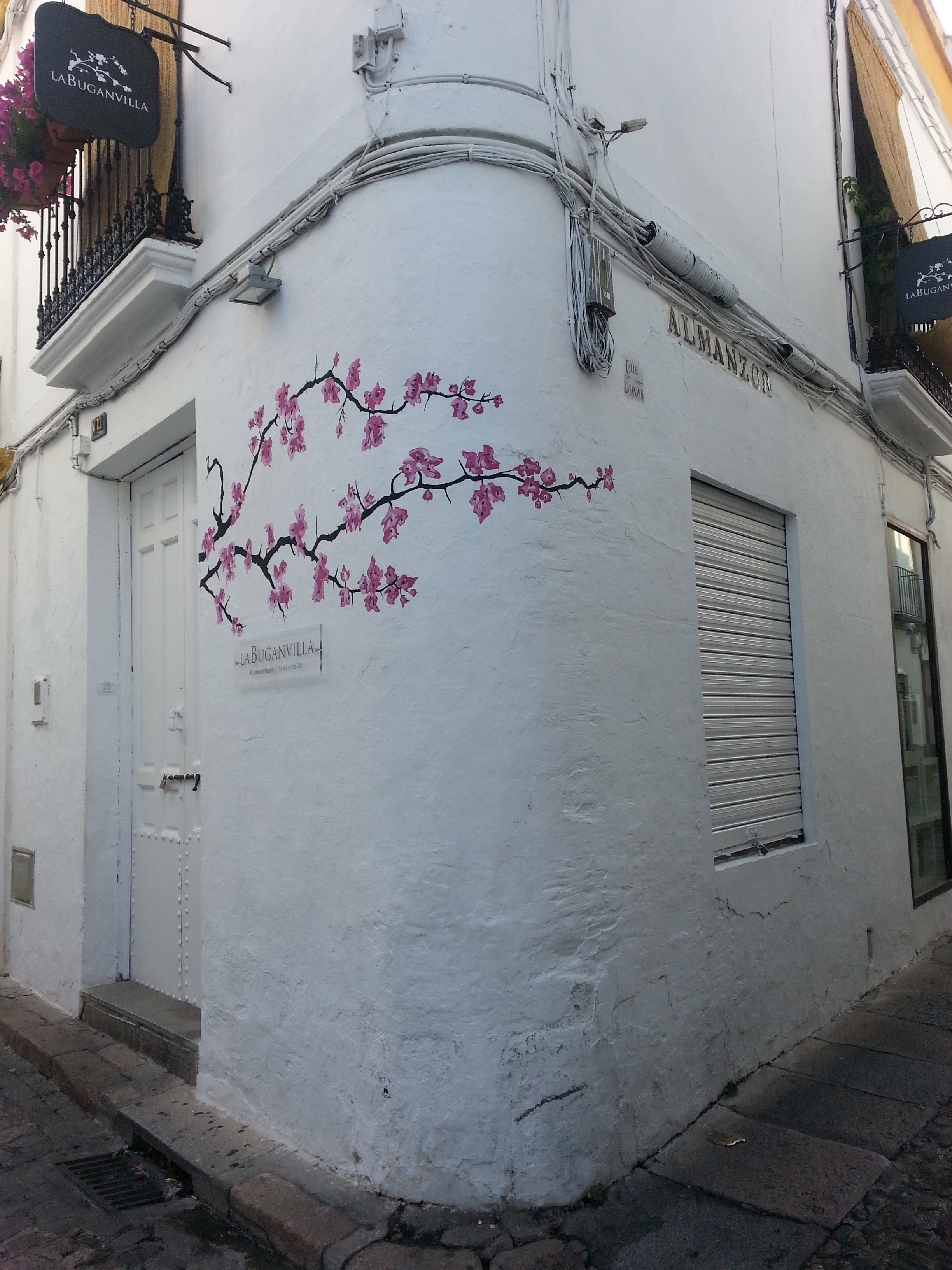
The next corner which catches my eye is a round corner, with a Bougainvillea drawn on its whitewashed walls. A pretty idea!


wpid-20140617_090236.jpg wpid-20140617_090427-1.jpgwpid-20140617_092527-1.jpg
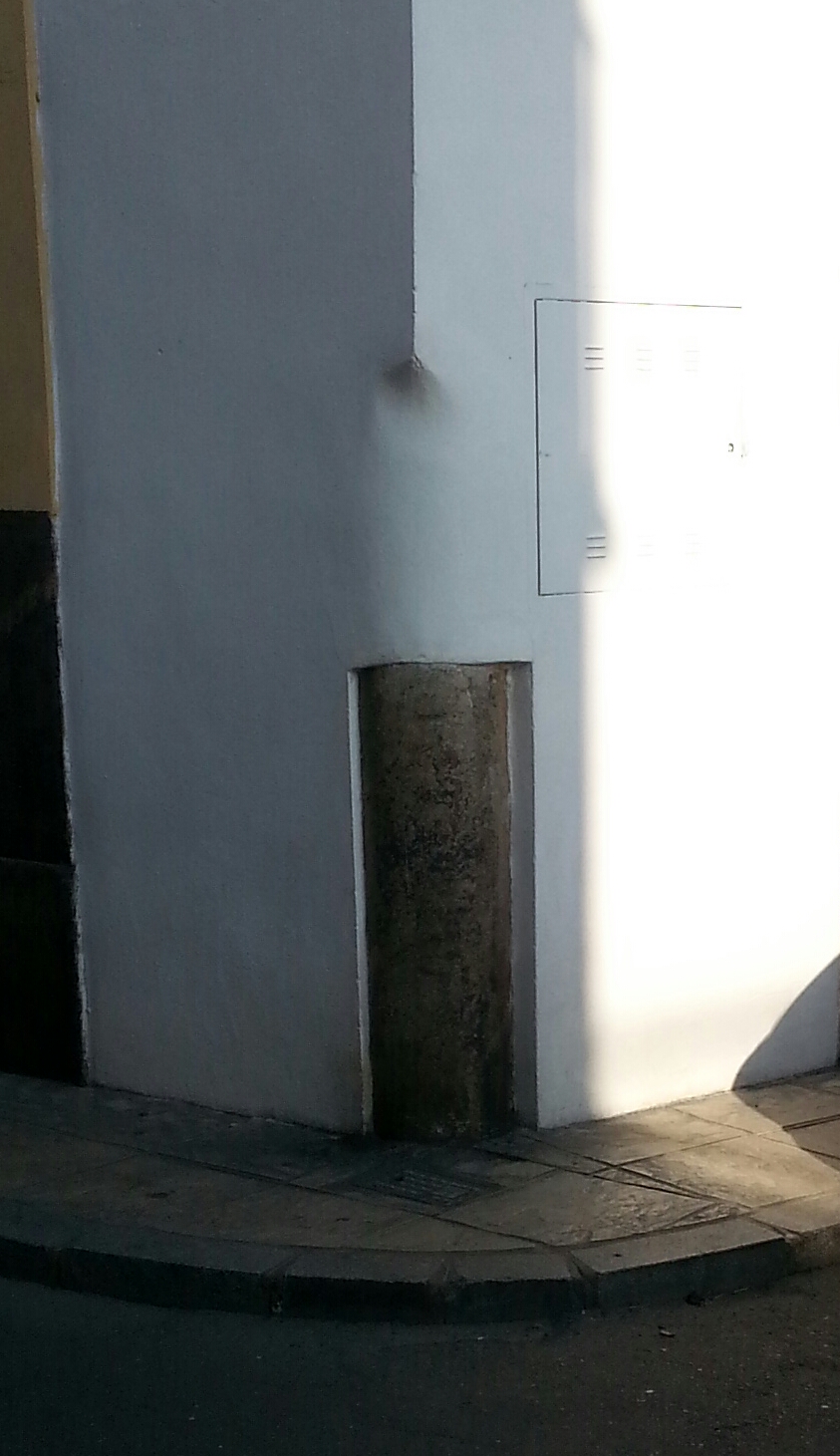
To the right and along the way, little pillars, perhaps, Roman, perhaps, Muslim, in any case, proudly reused to hold up a newer, taller building. Time merges into the edges of space…


wpid-20140617_090438-1.jpg
This is the edge of the Faculty of Arts, where I work in the afternoons. It used to be a Palace, then a hospital for the poor, and now all the classrooms have long windows and small balconies. The wooden shutters bear tragic inscriptions with names and dates of ailing patients.


wpid-20140617_090754.jpgwpid-20140603_085547-1.jpg
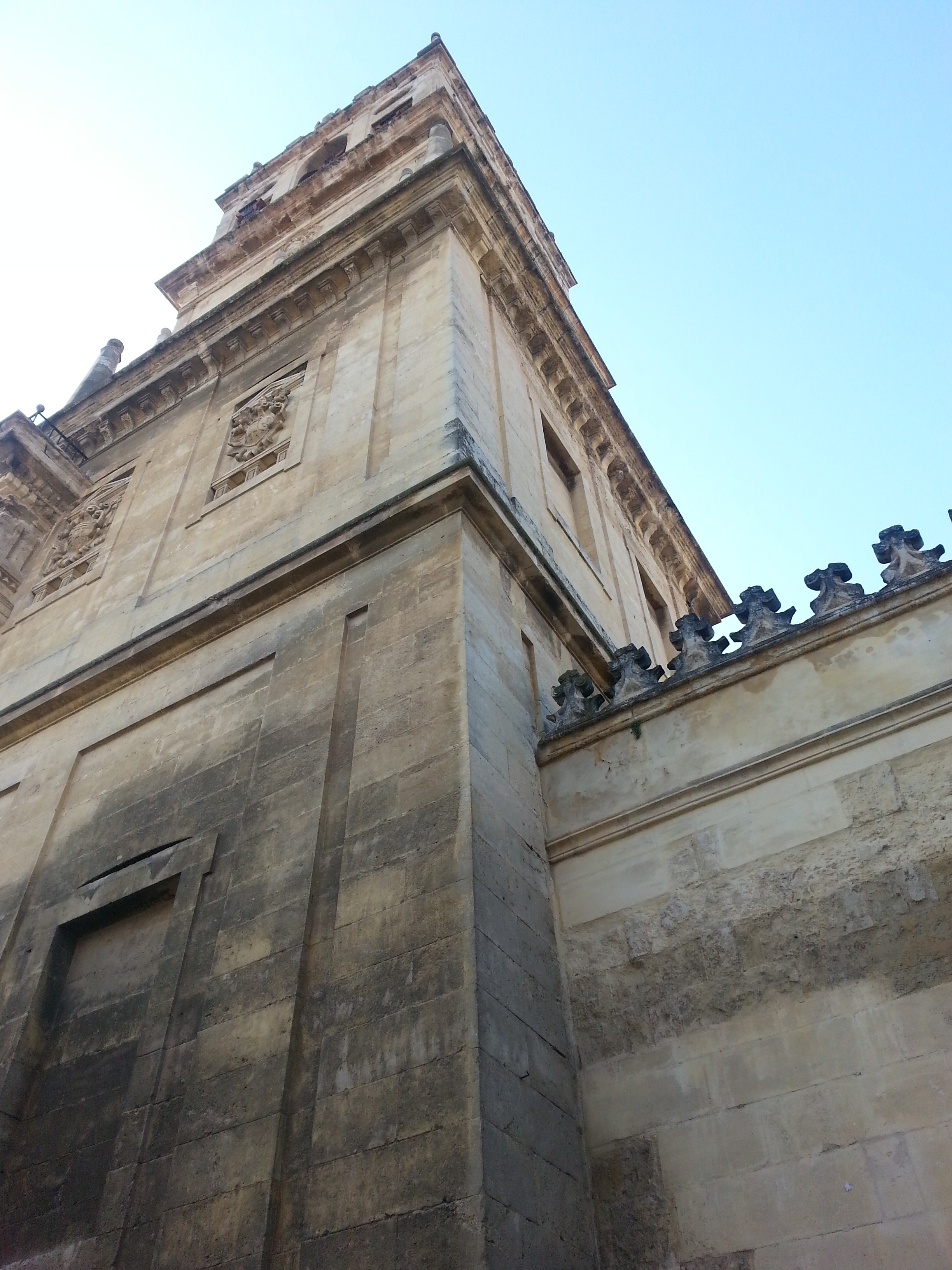
The most magnificent edge I see is the Mosque, built over a Visigothic Temple, whose remains can be visited. The Mosque has been Christianized by various Renaissance architects and its walls are covered with images of Catholic saints, there’s even a Cathedral inside!


wpid-20140617_091718.jpg
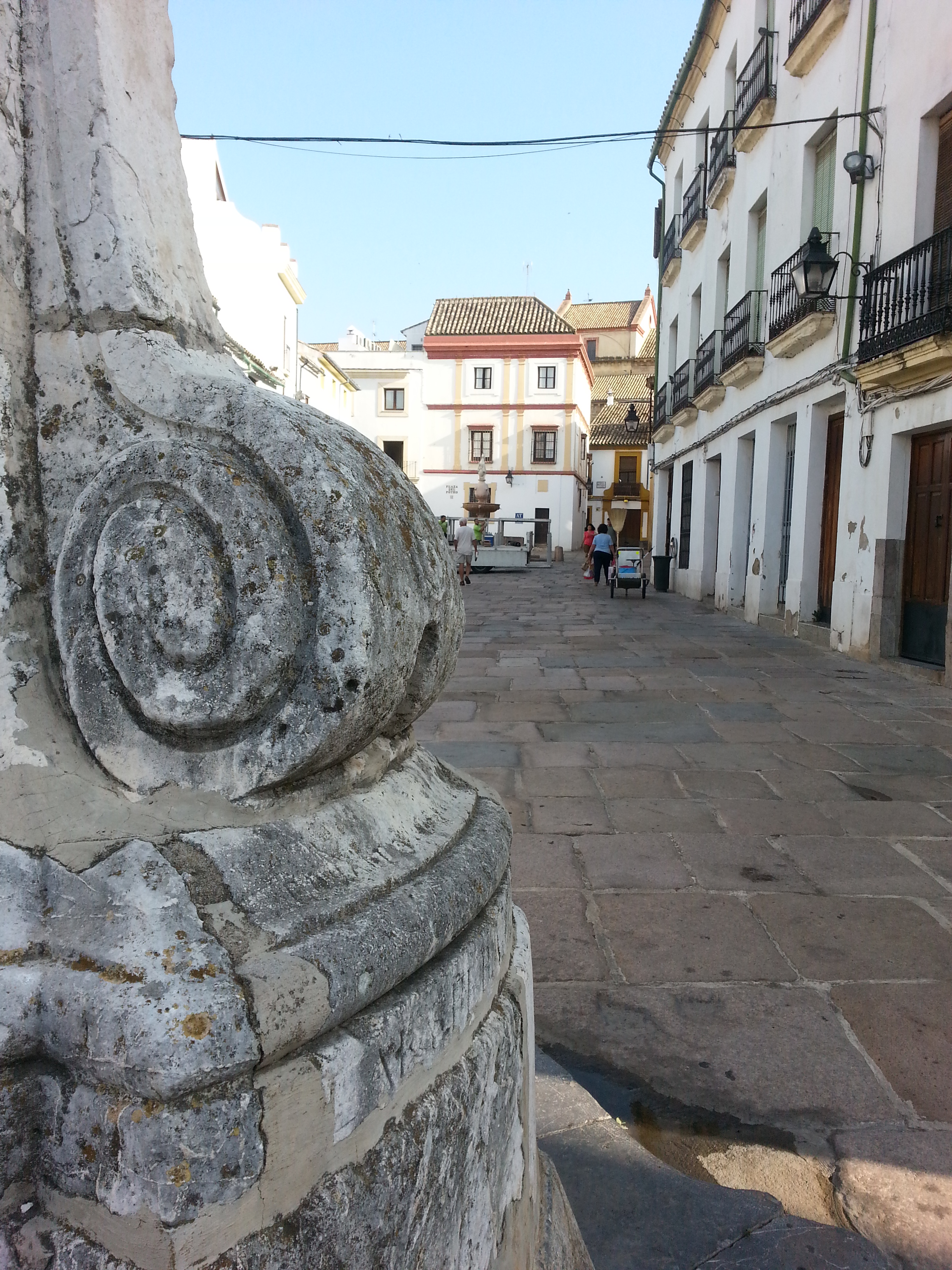
The next edge is the base of a column to Saint Rafael, Protector of the city. This is the edge of his ornamented pedestal, overlooking the river. Just behind it on the left is the Posada del Potro, which is mentioned by Cervantes in Don Quixote.
wpid-20140617_092339-1.jpg
The edges of this fountain, which is now a refreshing decoration, were used by horses less than half a century ago, to lean on as they quenched their thirst.


wpid-20140617_092858.jpg
The edges of a shady park I often walk through, before I cross the final main road, into the more modern part of the city.

wpid-20140617_093108-1.jpg
I’m nearly there. I don’t like these edges very much, but I’m sure there are hundreds of people living inside, who manage to make homes out of those sharp ugly corners.


wpid-20140617_093352.jpg
This is the final edge I come across, before I go inside the Adult Education Centre where I work in the mornings, and some evenings.

I’ve walked a few centuries in the last twenty-five minutes.

Two conclusions to my walk.

Firstly, the (comparatively) new neighbourhood, is much uglier…I much prefer the older buildings, don’t you?

Secondly, when my final walk is over, most of these edges will still be there… What a thought! How ephemeral life is and how lasting edges can be in contrast…

One wish: I wish for more beautiful edges, everywhere…

By the way, thanks Cee for inspiring me to look at edges as I had never done before!

Have a look at some of this week’s other entries

Writing 101, Day Eleven: Size Matters

Todays’ assignment: Today, tell us about the home you lived in when you were twelve. The twist: pay attention to — and vary — your sentence lengths.


Last night I dreamt I returned to… Part 1

Perhaps it all began the day I stood outside my door, my previous door, my ex-door, my late door, my long-lost door, my unforgettable door, my beloved door, my childhood door, my magical door, my timeless door, my door. My time portal.

How do you call a door that was once yours and is now someone else’s? A door that shut out the rest of the world and kept you safe and warm and happy; a door that closed in the smell of fairy cakes, and toast, and butter, and twirls of smoke melting into the sitting-room ceiling, and cut grass wafting in from the garden… and my mother’s laughter, and my father’s quiet smiles as he hid behind the broadsheet and peeked his eyes over the top to greet me when I came in throwing my satchel on the floor and rushing into the kitchen to hug mum, who was always bending over cooking something delicious in the oven.

Never more. Never again. Never.

Last night I dreamt I returned to… the home I lived in when I was twelve. Someone else was living there. It was no longer my house. There was no point in going back, so I stood outside the door for a while… remembering, and then I turned and left.


End of today’s assignment.


I’ve tried hard not to be too sentimental, or present a description of a house. I’ve also concentrated on varying sentence length, but I have mixed feelings about how it’s worked out. What do you think?

Have a look at some of the other posts