Letter B April #AtoZChallenge #JaneEyre, The #Book

This post is part of this year’s April Challenge to write a post a day. I’ve chosen to write about my greatest literary passion: Jane Eyre. Today it’s all about Jane Eyre’s Book, told by Jane herself.
B

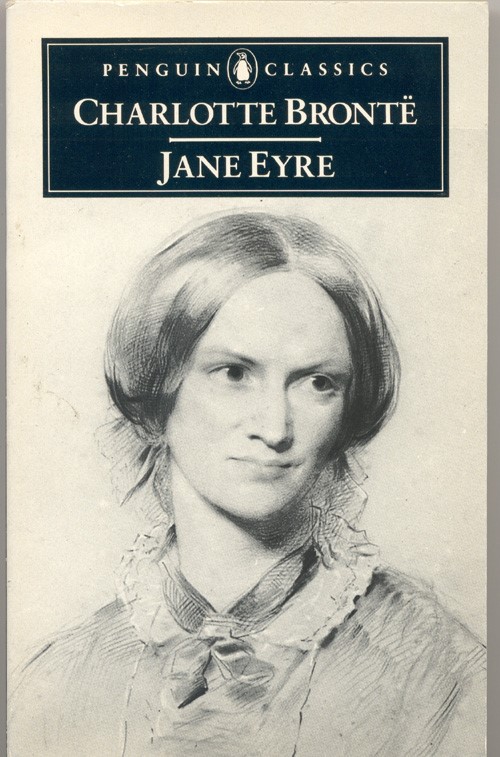
Jane Eyre is my autobiography. It was published by my author, Charlotte Bronte on October 16th 1847, ten years after I married Mr. Rochester. The first American edition was published a year later.

My author used a male pseudonym, Currer Bell, to publish the book because she wanted to preserve her privacy and because she didn’t want readers to know she was a woman.

At the time it was published, it became a best seller immediately. Readers and critics praised it as an innovative work of great promise, which was unconventional, powerful, fresh and original.

Jane

However, not all reviews were favourable. Some critics considered it a revolutionary text because of the representation of a love story, which transcends class, and portrays passion too vividly.  These critics didn’t like my single-mindedness or independence, and others even thought it was coarsely written.

The only positive thing about these disapprovals is that all of these critics identified that there was a subtext with an underlying critical message to the establishment, which was exactly my intention. I wanted to prove that a poor orphan, through education, employment, hard work and faith in God, can become a fulfilled adult and cross the unjust and ridiculous class barriers, which were exploiting underprivileged children and adults at the time.

Nowadays, most people describe the book as my coming-of-age story because it deals with my psychological and moral growth from youth to adulthood.

It describes my life in five stages:

  • My first childhood years at Gateshead Hall with my cruel Aunt Reed and my nasty cousins, Eliza and Georgina, and their sadistic cousin John.
  • My stay at Lowood, where I was educated and became a teacher. These were the years of my intellectual growth, where I excelled as one of their best pupils, thanks to Miss Temple.
  • My first independent employment at Thornfield Hall as governess to a young French girl, and my first experience with romantic love, when I met and fell in love with my employer, Mr. Rochester.
  • My journey to Morton, after discovering he was already married at the altar, and the discovery of my kind cousins, Diana, Mary, and St. John Rivers, where I was able to live and work independently, as a teacher in my own home.
  • Finally my return to the Rochester Estate and Ferndean, Mr. Rochester’s Manor House, after discovering that Mrs.Rochester, Bertha Mason had committed suicide and burnt down Thornfeld Hall. I married and started a family of my own, at last, as I had always wished.
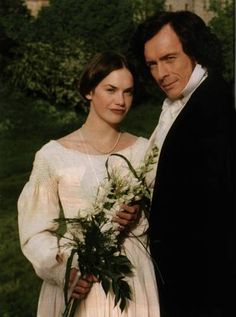
Wedding

I’d like to remind readers, that although there is a degree of intimacy in my autobiography, Jane Eyre is not only about my life. I am proud to say that Jane Eyre is about the lives of so many orphans and poor children who struggled alone in the harsh and unsocial conditions of 19th century England.

Jane Eyre is about girls like Helen Burns, who died due to lack of nutritious food and medical care, and women like Bertha Mason, who were locked in an attic and stripped of any human rights whatsoever, while spoilt rich children, like Liza and Georgiana had too much to eat and no social conscience whatsoever.
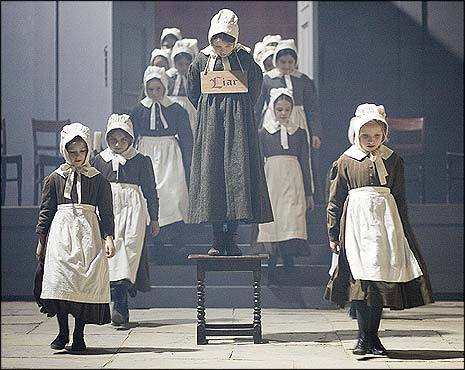
Orphan

It’s about the need for love and education and the independence of women through systematic schooling and employment. It’s about the right of the lower classes to have equal access to education and fair living conditions.

It’s also a powerful love story. A story of the passion unleashed in the young naïve girl I was (I was only eighteen when I met Mr. Rochester) and the experienced and embittered married man I met at Thornfield Hall.

Many readers are kind enough to imagine I tamed Mr. Rochester, the blasphemous and egotistical owner of the estate, into a generous and considerate lover.

I thank them for their trust in me, and remind them that without the fire, which burnt Thornfield Hall and almost blinded him and stumped his left hand, it would not have been possible. He matured with age, the damage and purge of the fire, and perhaps the knowledge that he would be alone.
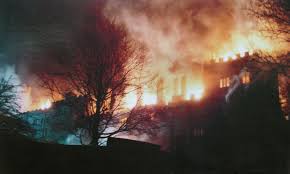
Fire Thornfield

I will not deny that he loved me, Dear Reader, because we all know he did, more than he had ever loved anyone else, but unfortunately not more than he loved himself.

It pleases me greatly that about two hundred years after I was born, readers and scholars are still deriving pleasure from reading about Jane Eyre’s life and adventures, and inspired to write thesis, scholarly articles, sequels and prequels, make films, and plays, which have also become best sellers. I thank you all kindly and look forward to finding out what audiences will think in the next two hundred years.

****

More about Charlotte Bronte:   http://www.victorianweb.org/authors/bronte/cbronte/eyreov.html

More about critical reception when it was published: http://academic.brooklyn.cuny.edu/english/melani/cs6/bronte.html

Letter A April #AtoZChallenge #JaneEyre’s #Author Charlotte Bronte

This post is part of this year’s April Challenge to write a post a day. I’ve chosen to write about my greatest literary passion: Jane Eyre. Today it’s Jane Eyre’s Author, Charlotte Bronte

A

My name is Charlotte Bronte and I was born on 21st April, 1816, in Thornton, Yorkshire.

Charlotte Bronte

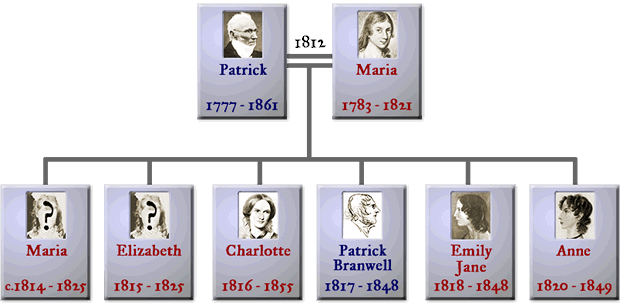
My father was Rev. Patrick Bronte, originally from County Down, Ireland, where his father was a labourer. His name was spelled Brunty at the time. I don’t know exactly when it was changed to Bronte, but it was probably when he came to England in 1802, after working as a blacksmith, weaver and teacher, in Ireland. He saved enough money to study theology at St. John’s College, Cambridge and was ordained in 1806.

I hardly remember my mother, Maria Branwell, who died when I was five. She was born in Penzance, Cornwall, where her father was a successful merchant. She met my father while visiting her aunt in Yorkshire.

brontetree

My two elder sisters Maria and Elizabeth died when I was 9, and they were 10 and 11 yeas old. They had been attending a Clergy Daughters’ School at Cowan Bridge in Lancashire, which had notoriously poor conditions. Much like Lowood, the school I described in my most successful novel, Jane Eyre.

I was the oldest of my surviving siblings, and the last to die. My poor, talented brother Patrick Branwell was a year younger than me, and would have been a great painter and poet if he had not succumbed to the ecstasy and torture of laudanum, alcohol, and the unrequited love of a married woman.

In 1820, the year my youngest sister Anne was born, we to Haworth, where my father had been appointed perpetual curate of St Michael and All Angels Church, and sadly, my mother died of cancer the following year.

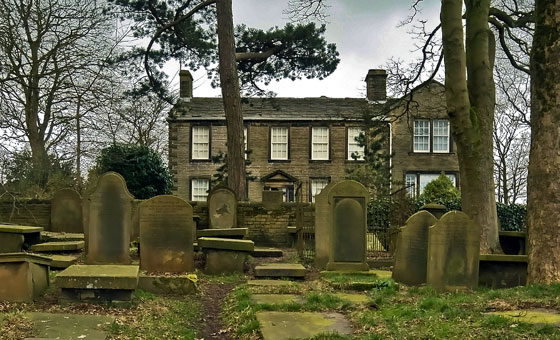
We were fortunate enough to have been looked after by out maternal aunt, Elizabeth Branwell. While our father taught us to read the wisdom and moralizing stories of the Bible, our aunt showed us the pleasure of reading fiction in literary magazines. My aunt, who was so devoted to us that she never married, was able to use her generous annual income to fund many of the ventures in which our father had little interest, such as a girls boarding school, which unfortunately was unsuccessful, and our trips to Brussels to study French.

bronte-parsonage

While we were in Brussels, in return for board and tuition, I taught English and Emily taught music. We were in Brussels when we were informed of our aunt’s death in 1842, due to a bowel obstruction. We were all devastated, but especially my brother, Branwell, who was her favourite. He died six years later. Although his death certificate says he died of chronic bronchitis, he had been suffering greatly due to his addictions, brought on by his sensitive character and acute sense of failure. 

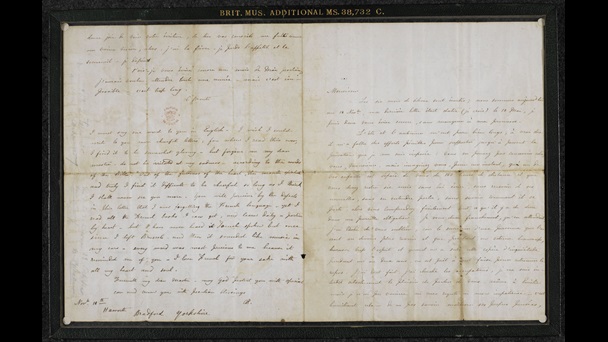
I fell in love with my professor of Rhetoric, while I was in Brussels. He was short, dark, and moody. I was terrified of him at first and anxious to gain his approval as his pupil. Later, my fear and admiration turned to love. When I returned to Haworth, we remained in touch. I wrote him many letters, but unfortunately, M. Heger was married and had six children, so he remained in my literary imagination and became my inspiration for Mr. Rochester.

bronte-charlotte-letters-K90081-43

I will always remember our childhood literary ventures. The four of us would use Branwell’s wooden toy soldiers to play with and invent an imaginary world, which we called Angria. We should have developed those stories into a series of fantasy novels. Branwell once said he would do so, but sadly, it never happened.

We were educated at home and my sisters and I also worked as teachers and governesses in several local schools and households, but none of us considered it a fulfilling job, so we turned to writing, which had always been our passion.

Painting_of_Brontë_sisters

The three of us had written many poems, and in 1846, encouraged and impressed by Anne’s poems I decided to publish a selection of all our poems, which were written under the pseudonyms of Currer, Ellis and Acton Bell. We thought best not to disclose our real names and gender because we wanted to preserve our privacy and because we thought our condition as women writers would be looked upon with prejudice.

I had already written The Professor, which had been rejected for publication, but our luck changed the following year, my Jane Eyre, Emily’s Wuthering Heights, and Ann’s Agnes Grey were all published, still under the Bell pseudonyms. It was not until 1848, that we told our London publishers who we really were.

Jane

Although Jane Eyre soon became a best seller, some literary critics thought it was provocative, antichristian and coarse, but you’ll read more about my novel, Jane Eyre in tomorrow’s post. Some critics even thought it had been written by a man! But how could a man have written three volumes uncovering the complexity of a woman’s heart and soul? 

Two of the saddest moments of my life were the deaths of my sisters Emily and Anne in 1848 and 1849. They were both taken in their prime. I heard their failing breaths and watched the colour fade from their faces, as the eternal stillness took over. Every time I tremble from the hard frost and keen wind, I am reminded that they can no longer feel them. It was God’s will. My only consolation is that and the place where they have gone is better than the one they have left. This is part of a poem I wrote when Anne died: ‘There ‘s little joy in life for me, And little terror in the grave; I ‘ve lived the parting hour to see, Of one I would have died to save.

I did not think much of London life, but I visited on a few occasions and made the acquaintance of other notable writers, such as Mr. Thackeray and Mrs. Gaskell. I was especially impressed by the Great Exhibition at Crystal Palace in London, which I visited in 1851.

I had known Rev. Nicholls, curate of Haworth, since 1845. The first time he proposed marriage was in 1852, but my father objected and I was indifferent. Mr. Nicholls was insistent, and he was indeed a kind man, so the second time he proposed, two years later, my father did not oppose the marriage and I accepted. I did not marry for love. I had loved once and I was resigned to live without the hope of such passion again, but I would have liked to have children. I was my father’s only child still living, so I was his last chance of seeing any type of continuation in his line, but sadly, it was not to be. I died during a difficult pregnancy in 1855.

220px-Patrickbronte

I often think of my father, who survived his wife and six children, sitting in his favourite armchair by the window rereading his worn Bible, trying to understand why he had not yet been called. Perhaps I wrote these lines thinking of him:

He that lives must mourn.

God help us through our misery

And give us rest and joy with thee

When we reach our bourne!

It pleases me greatly that our novels are still read and loved, and have inspired other authors and artists over the centuries.

When authors write best, or at least, when they write most fluently, an influence seems to waken in them which becomes their master, which will have its own way, putting out of view all behests but its own, dictating certain words, and insisting on their being used, whether vehement or measured in their nature; new moulding characters, giving unthought-of turns to incidents, rejecting carefully elaborated old ideas, and suddenly creating and adopting new ones. Is it not so? And should we try to counteract this influence? Can we indeed counteract it?

from a letter to G.H. Lewes, 12 January 1848.

― Charlotte Bronte, The Letters of Charlotte Bronte: With a Selection of Letters by Family and Friends Volume III: 1852-1855

Have you read my books?

Have they inspired you to write?

Theme Reveal #AtoZChallenge All About #JaneEyre, Who Else?

atoz-theme-reveal-2016 v2

I took part in the AtoZ Challenge for the first time last year. There are thirty book reviews and author interviews in my April Author Spotlight. Check it out here.

This year I’ve decided to take part again with a completely different theme: Jane Eyre.

As you may have noticed, my blog is called Rereading Jane Eyre, and although there are plenty of posts about Jane Eyre, I think it would be a great idea to take advantage of this year’s April Challenge to write a post a day about my greatest literary passion: Jane Eyre.

This is what I’ll be posting about: All About Jane Eyre. Whay else could I post about for thirty days?

April  2016  
Sun Mon Tue Wed Thu Fri Sat
          1 Jane Eyre’s

Author

2 Jane Eyre’s

Book

3


4 Jane Eyre’s

Cousins

5 Jane Eyre’s

Dresses

6 Jane Eyre’s

Eyes

7 Jane Eyre’s

Friends

8 Jane Eyre’s First Home

Gateshead

9 Jane Eyre’s

Husband

10


11 Jane Eyre’s

I First person narration

12 Jane Eyre’s

Job

13 Jane Eyre’s

Knowledge

14 Jane Eyre’s School

Lowood

15 Jane Eyre’s Brother-in-law

Mason

16 Jane Eyre’s

Naivete

17


18 Jane Eyre’s

Origins

19 Jane Eyre’s

Prequel

20 Jane Eyre’s

Quotes

21 Jane Eyre’s

Reception

22 Jane Eyre’s

Sequels

23 Jane Eyre’s

Thornfield Hall

24


25 Jane Eyre’s

Uncles and aunts

26 Jane Eyre’s Ward

Adele Varens

27 Jane Eyre’s

Weddings

28 Jane Eyre’s Housekeeper

Mrs. Fairfax

29 Jane Eyre’s

Yorkshire

30 Jane Eyre’s

Zeal


I really wanted an excuse to write more about Jane Eyre.

Little and big things to bring readers closer to this amazing young girl, who was born an orphan, abandoned by her only family, her cruel Aunt Reed, brought up in a dismal boarding school, trained as a teacher, became a governess, fell in love with a married man, and almost died of starvation on the streets.

In spite of finding herself in this pitiable situation, she managed to recover, with the help of three siblings (who turned out to be her cousins), found employment as a teacher, inherited a fortune, and returned to the man she loved and married him.

But there’s a great deal more to Jane Eyre than meets the eye. I’ll tell you some of her secrets and hidden treasures.

I hope you enjoy finding out about Jane Eyre as much as I know I’m going to enjoy writing all these posts.

I’m also looking forward to reading all your posts.

You haven’t posted your theme reveal? Check up the rest.

You haven’t signed up yet? You’re still on time here.

It’s going to be a busy month! Enjoy  🙂 and remember…

il_570xN.796683401_gd6k


Why I write neo-Victorian Fiction

I’ve had a special and personal interest in Victorian Literature since I was about 12, when my teacher, Sister Catherine, used to read aloud to us, mostly Victorian novels, which I grew to love. She introduced me to the Victorians. I vividly remember listening to The Moonstone, David Copperfield, Little Women, Tom Sawyer, and Huckleberry Finn. I can still hear her soft sibilant voice tell us all those wonderful stories, which made us laugh and cry. I wrote a post about Sister Catherine some time ago.


Moonstone

I write historical fiction because I love travelling in time and space. I’m not interested in purposefully (I’m afraid I can’t control my subconscious) writing about myself or my contemporaries, at the moment. I prefer to lose myself in other places and eras. I’m especially obsessed with Victorian times and writers, because they have become my beacon in the sea of words and ideas I need to express.

I am fascinated by novels such as Jane Eyre, Oliver Twist, Silas Marner, Persuasion, Tess of the d’Urbevilles, The Woman in White, etc. My inspiration and ideas come mainly from 19th and 20th century writers, especially the Victorians. The Eyre Hall Trilogy is a tribute to my Victorian ‘Masters’ who introduced me to the pleasure of reading and taught me the craft of writing. Many of these writers and their literary creations appear throughout my trilogy.

Jane Eyre

History is continuous, and understanding can only occur in retrospect. We need to stand back and expose the prejudice and injustices of the past in order to understand the present and move forward. This can only occur in retrospect. If you take a step back from a problem you have a better angle. You can now see the whole picture. It’s happened and it’s over. You can understand it better.

We congratulate ourselves because we have a fairer education system and more freedom of choice, gender equality, but I’m asking readers to walk in Victorian shoes, to understand our literary grandfathers and where we come from. How we fought to gain these social advances and why the struggle is ongoing.

All Hallows Museum

Which writers have influenced me?

My most important influence is Charlotte Bronte. Her literary creations, Jane Eyre, Edward Rochester, Richard Mason, and Bertha Mason have come to life once more, twenty-two years after Jane Eyre ended. I have also brought to life the original setting and recreated a new residence for the Rochester family, after Thornfield Hall was burnt down, Eyre Hall.

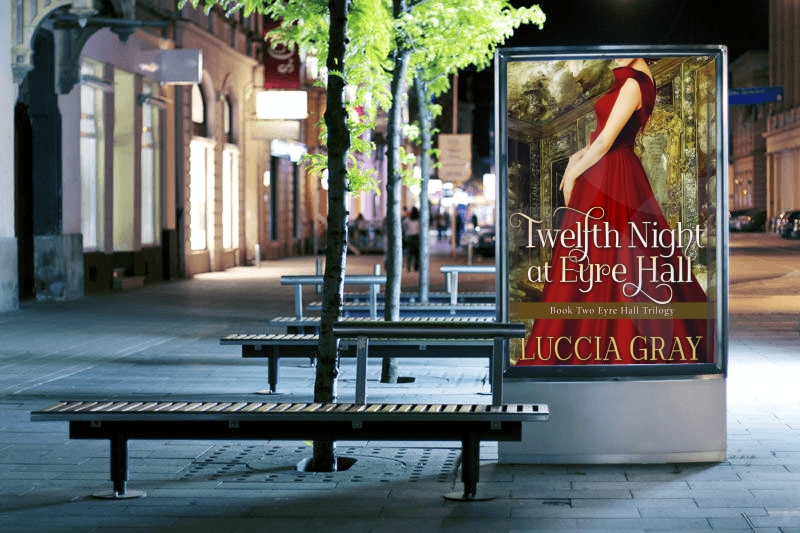
Charles Dickens appears as a character in my novel. I have read many of his novels, letters, and biographies, so I have enjoyed recreating his voice and opinions in Twelfth Night at Eyre Hall. Charles Dickens’ London is also present in my recreation, and I have used many old maps of London, pictures and photographs of the time, to inspire me and take me around the city.

dickens

Robert Browning also appears, after his wife Elizabeth Barret Browning died, as Mr. Greenwood, Adele’s suitor. I read Thomas de Quincy’s detailed account of his opium addiction in Confessions of an Opium Eater, in order to write about the use and effects of opium at the time.

Jenny Rosset is based on Dante Gabriel Rossetti’s long poem, Jenny, about a Victorian prostitute. Arthur Conan Doyle’s Dr. Watson is referred to. Michael Kirkpatrick is partly a combination of Jane Austen’s Captain Wentworth and Thomas Hardy’s Gabriel Oak.

The characters in the Eyre Hall Trilogy read and discuss novels such as, Treasure Island, Persuasion, Oliver Twist, David Copperfield, Great Expectations, Silas Marner, and Wuthering Heights, among others. They also read and quote poems by Christina Rossetti, Alfred Lord Tennyson, Emily Dickinson, Anne Bronte, and Robert Browning.

Dorian Gray

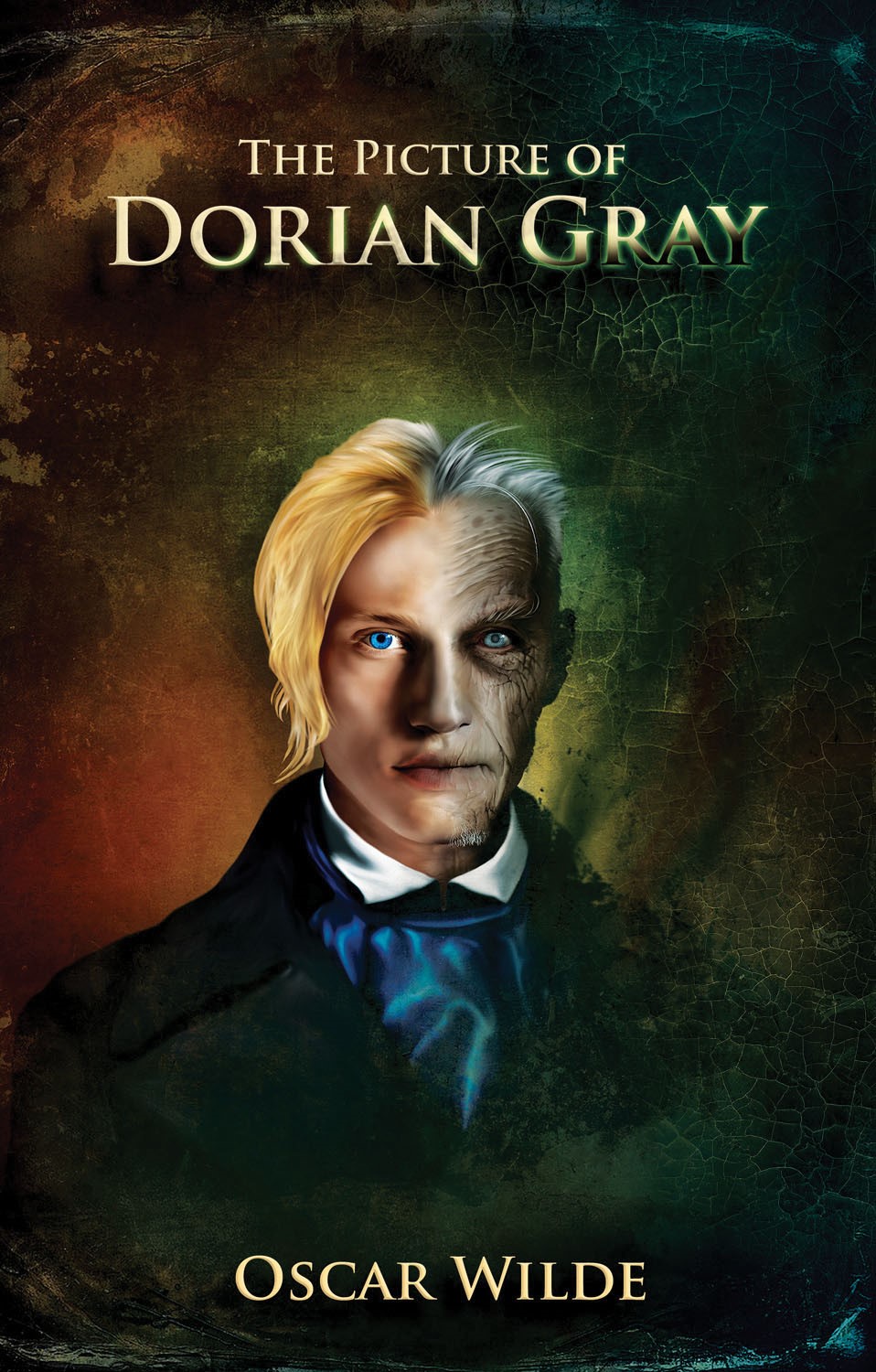
In my final volume, Midsummer at Eyre Hall, makes special reference to Maria or the Wrongs of Woman, by Mary Wollstonecraft, Frankenstein by her daughter, Mary Shelley, Dr. Jekyll and Mr. Hyde, by R. L. Stevenson, and The Picture of Dorian Gray, by Oscar Wilde, among others.

What are my aims in writing neo-Victorian novels?

I had four objectives when I decided to write The Eyre Hall Trilogy:

Firstly, my aim was to expose Rochester as a tyrant and revindicate Bertha Mason, the madwoman in the attic, as his victim. I am sure that Jane Eyre would have become another victim, given a few years, which is what is disclosed in my novel.

Secondly, I wanted to make sure that amends would be made, so Bertha’s daughter (my creation) would be reinstated, and Jane would find happiness and lasting love, with another, worthier man (my creation).

Thirdly, I’ll admit I’m an irreverent, daring, and provocative writer, who looks to her favourite writers for inspiration. The Eyre Hall Trilogy is meant as a tribute to many Victorian (and some 20th century) authors, which I have already named.

Twelfth Night Billboard

Finally, I aim to write novels that will entertain readers and transport them to another time and place, to a pre-digital and pre-electronic age, where our great-great grandparents lived and loved, just as intensely as we do today, in spite of not having lightbulbs, cars, phones or tablets.

If my readers are encouraged to read or reread the classics, that would be an extra bonus!

I’ve written a previous article about writing prequels and sequels here: https://lucciagray.com/2014/11/08/sequels-prequels-reinterpretations-rewritings-and-writing-back/

How have I approached neo-Victorian fiction?

I’ve used the following literary strategies:

Intertextuality:  A literary device that creates an ‘interrelationship between texts’. I’ve included texts, plots, characters, from other novels in my novels.

My most important sources are the characters, plot and setting in the prequel Wide Sargasso Sea as well as Jane Eyre.

Metafiction: Literature talking about literature.

Charles Dickens discusses the process of writing with Jane, inviting the reader to think about literature and the process of literary creation. Jane also talks about the books she writes and her writing process.

Postcolonialism: Writing back to the ‘Empire’ and traditional Victorian writers.

I’ve done this by paying attention to the secondary or marginalized characters who would have been ignored at the time, such as the servants and the prostitute.

I’ve read between the lines of Charlotte Bronte’s unreliable narrator: a young, naïve woman who is in love, and looked below the surface for hidden meanings.

Feminism: Empower Jane to move on without/in spite of Mr. Rochester and I’ve made an attempt to reinstate Bertha Antoinette Mason.

Lucy writing

What’s my writing process like?

At this point, I ought to tell you that before I sit down and write, I have ‘seen’ the scene in my mind and heard the characters interacting. I usually jot down a few ideas and do lots of research which includes finding pictures and specific information, too.

The Eyre Hall trilogy is character driven. I plan a simple, loose plot outline, basically three parts and thirty chapters, and let the characters interact and move the plot forward. I need to know what my characters want, how they feel, what they’re wearing, looking at, thinking about, and doing, before I write. I learn more about them as I listen to them and watch them interact.

I’m overjoyed when readers recognize my sources, and I love it when they say they’re going to reread the original Victorian novels I mention, this isn’t my main aim. I’d like my readers to walk in Victorian shoes, to understand our literary grandfathers and grandmothers and where we come from.

My objective is to write novels that will entertain all types of readers and transport them to another time and place, where there were no light bulbs, phones, fridges, malls, emails, mobiles, planes, or cars; to the world where our great-great grandparents lived and loved just as intensely as we do today.

Are you interested in reading and reviewing my novels? I’d love to hear from you!


Why Read Neo-Victorian Novels Instead of real Victorian Novels?

In this post, which is a follow-up to yesterday’s post which proposes a description and definition of what neo-Victorian fiction is, I’d like to discuss what’s the point of reading neo-Victorian novels in the first place. Why not read the real thing?

I hope that many of my readers have read or will read some real Victorian fiction at some point in their lives, because it’s like taking a walk in the past in a guided tour by some of the most privileged minds of the times. Who could let that opportunity slip by?

On the other hand, I’m well aware that most readers aren’t going to read ‘real’ Victorian fiction, which was written 200 years ago, and these are some of the reasons why:  

Victorian novels are too long for modern tastes and often dwell generously on details which will often exasperate the modern, and often impatient reader. It takes a lot of dedication to read a dense, three volume novel, when you have tons of things to do and need to wind down after a hard day at work, after coping with a family and daily chores.

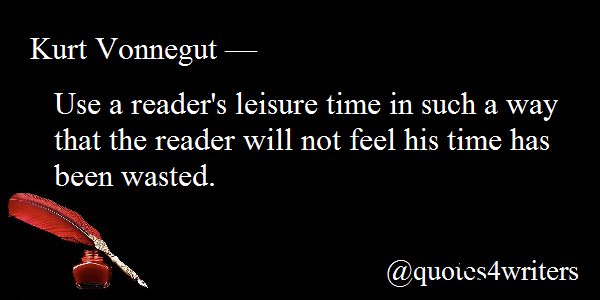
Contemporary novels are shorter and use economical prose. There are hundreds of articles and editors telling writers, for example, to use adverbs and adjectives sparingly, something no-one ever told Victorian writers! Many of us try to follow Vonnegut’s maxim:Time quote


These are our maxims today, and it’s what most readers want. Tell me your story as efficiently and beautifully as possible, but don’t waste my time. Show me what you want me to see, don’t tell me. None of this fits in with Victorian writing style, so it’s understandably tough for a modern reader.


Quote 2

Victorian novels were naturally written for a Victorian audience. They knew what they ate, how they obtained their products, what they wore, what their routines were like, why they used candles and lived amidst shadows and darkness, how a message could take a month to arrive, and how a 50 mile journey would take a whole day by horse and carriage, or over two  hours by steam train. All these, and plenty more facts, are so obvious, they’re ignored, and the modern reader can easily get lost, bored, or frustrated.  

Neo-Victorian writers have to make sure, subtly, that modern readers understand and appreciate that life was slow, dark, extremely tough, and unsafe. A badly healed cut, a flu, or a hungry thief could kill you, not to mention cholera, smallpox, or rampant venereal diseases. Clothes were so heavy and complex to put on, due to the laces, strings, ribbons, and layers, that time and help were needed to get dressed. That there were no antibiotics, dentists, electric lights, or bathrooms, and that most people, including children worked from dusk to dawn, and ate plenty of stale bread and drank watered down ale.

Life was hard, look at these pictures of Dickens and Lord Tennyson in their twenties and in their fifties! Check out any other prominent Victorians and you’ll see how old and tired they looked in their forties and fifties.


Imagen1

Finally, the contemporary writer has one great and undeniable advantage over the Victorians themselves. They had a lack of perspective of their own times that we have gained over the past 200 years. We can observe them in hindsight in their glory and their misery. We can stand back and understand and appreciate their struggle and their message in the bigger picture and transmit a more global, albeit biased, picture of their lives.

The obvious disadvantage is that we will be comparing them to us, which is unfair and biased, we must look at them from a distance, but we must make sure we are walking in their shoes as we do so.

In summary, reading Victorian fiction is like watching a black and white movie or photo, like the one above, it has a unique beauty, attraction, and value, but too much of it can tire a modern audience.

The pace, style, and richness of language are often unappealing to a contemporary audience, because it has become fixed, whereas neo-Victorian prose is alive and adapted to the taste and needs of a modern audience.

Do you read Victorian fiction? If so why?

Can you think of other reasons why contemporary readers struggle with Victorian fiction?

Have you read neo-Victorian fiction?

I’d love to know what you think.


What is Neo-Victorian Fiction?

As I consider myself a writer of neo-Victorian fiction, I thought I’d clarify the meaning for readers, students and scholars who are interested in the term.

Neo-Victorianism is a compound noun formed by the following two terms, ‘Neo’ and ‘Victorian’.

According to the Oxford English Dictionary, the prefix neo refers to: a compound referring to a new, revived, or modified form of some doctrine, belief, practice, language, artistic style, etc.

Ironically, according to the Online Etymological Dictionary, the word ‘neo’ as prefix, was first used in Victorian times, in 1880.

The term Victorian isn’t as straightforward as it seems. It can refer to the period of Queen Victoria’s life (1819-1901) or her reign (1837-1901). It can also refer to the 19th century in general, and some historians consider it spans from the French Revolution in 1789 until the beginning of World War I in 1914.

It is an enormous amount of time, so many divide it into ‘early period’, ‘the Height of the Victorian Era’, or ‘The Mid-Victorian Period’ (1848-1870), which was the greatest period of economic prosperity and growth of the Empire, and the ‘late Victorian period’.

Neo-Victorian is a relatively new term, Neo-Victorian Studies journal, was first published in 2008. According to Marie-Luise Kohlke, founding editor of the Journal of Neo-Victorian Studies, Neo-Victorianism is “the afterlife of the nineteenth century in the cultural imaginary.

So, a loose definition would be that the term Neo-Victorian refers to contemporary re-engagement, reimagining or artistic revival, of everything related to the Victorian era, such as fashion, history, art forms, famous and infamous people, literature, including authors, novels, and characters.

Most contemporary views of Victoriansim have been and are largely derived from fictional narratives and their film and television adaptations. So let’s have a look at some examples of  Victorian literature and culture mediated through neo-Victorian representations such as:

Cartoons and children’s films such as Alice in Wonderland, Peter Pan, A Christmas Carol

BBC adaptations of the works of Dickens, Austen, Thackeray, Hardy, Mrs. Gaskell, George Elliot.

Films such as Sherlock Holmes, Jane Eyre, Great Expectations, Wuthering Heights.

Novels: Sarah Waters, Fingersmith, A.S. Byatt Possession are my favourites.

Characteristics of Victorian Novels.

Let’s look back at Victorian novels before returning to neo-Victorian fiction.

The world was rapidly changing in Victorian England, and so were people’s views of themselves and how they should interact with this evolving world.

The major changes were bought by the growth of the population due to expansion and colonization, the growth of the working classes and the advances in science and technology.

Steam power, improved forms of transport, more jobs in factories and cities, scientific knowledge, improved many aspects of their lives, but also brought new problems such as overcrowding, increased poverty and crime.

The growing working classes required more social investment in education, health, and housing. Women were becoming more independent and demanding equal rights.


A new philosophy, Utilitarianism, advocated by John Stuart Mill was concerned with the promotion of happiness and wellbeing of the majority of the population, instead of the elite. More egalitarian and ethical modes of thinking led to increased social awareness.

As a result, the themes which interested the Victorians were:

Ethical: Right and Wrong / Good versus evil, which can be exemplified in Stevenson’s Dr. Jekyll Mr. Hyde

Industrialisation and progress: Class and Social issues such as prostitution, orphans, wages, living conditions, education, workhouses, addiction. These themes are prominent in Dickens.

Science versus religion and/or superstition. This can be seen in their interest in science Fiction and detailed and systematic crime fiction such as Sherlock Holmes.

Women and their role in society also figure prominently in literature as authors and main characters in novels.

However writers hadn’t abandoned Gothic, Fantasy, and Romance. Literature as a purely aesthetic endeavour providing pleasure and entertainment was also present.

The Victorians wrote about love and life and the torments and pleasures of loving and living. Their characters, stories and themes are still relevant and exciting for modern audiences as we have seen. So what did they write about? Well, they wrote about everything and anything.

You name the genre, they wrote about it first:

Detective fiction: Sherlock Holmes by Conan Doyle

Vampire novels: Bram Stoker’s Dracula

Dystopian: H. G. Wells The Time Machine, Trollope The Fixed Period

Fantasy: George MacDonald The Princess and the Goblin, the precursor of Tolkien / C. S. Lewis

Romance: Wuthering Heights Emily Bronte

Sensation Novel: Mary Braddon’s Lady Audley’s Secret. The Moonstone by Wilkie Collins.

Comedy: Dickens, G. K. Chesterton, Bernard Shaw, Oscar Wilde,

Social criticism: child labour, work houses, especially in Dickens’ Oliver Twist

Prostitution: Jenny a long poem by Dante Gabriel Rossetti

Drug addiction: Thomas de Quincy’s Confessions of an Opium Eater

Erotic: The Romance of Lust, by Anonymous, The Pearl is a collection of erotic tales, rhymes, songs and parodies in magazine form that were published in London between 1879 to 1880.

Paranormal: The Picture of Dorian Grey by Oscar Wilde.

Adventure: Treasure Island by R. L. Stevenson

History: Walter Scott’s Ivanhoe

Science Fiction: H. G. Wells The War of the Worlds

Travel: Around the World in 80 Days, Kipling’s Jungle Book

War:  Kipling’s Soldiers Three

Poetry: Dante Gabriel Rossetti, Christina Rossetti, Tennyson, Wordsworth, Byron, Elizabeth Barrett Browning, Robert Browning.

Short Story: Dickens, Wilkie Collins, Thomas Hardy all wrote short fiction.

Theatre: Oscar Wilde, G. B. Shaw

Musicals: Gilbert and Sullivan’s comic operas, and music hall was also a popular form of entertainment.

The Victorians were avid readers. The number of readers was expanding. Even those who couldn’t read, read by listening to public or private readings. Reading aloud was a Victorian form of entertainment. Dickens gave many public readings of his work and reading aloud was a popular pastime for families.

Many novels were serialized and some were sold as magazines. Most of them were later printed into three volumes, also called triple deckers. Many were lent through the lending libraries.

‘Penny bloods’, which came to be known as penny dreadfuls was the name for booklets which told stories of adventure, such as gothic tales, pirates and highwaymen, and crime. They were published weekly with illustrations.

What is a Neo-Victorian novel?

Fiction written by a contemporary author which employs Victorian settings and/or styles to self-reflexively invoke the Victorian era for the present.

BUT

The aim is not simply to set a novel in the Victorian era due to nostalgia. There must be something more than an aesthetic or historic recreation.

In other words, fiction that is consciously and purposefully set in the Victorian era in order to reinterpret, rediscover, or make a statement concerning one or more aspects of Victorian literature and transmitting these findings, or conclusions to a contemporary audience.

Neo-Victorian novels have a specific and conscious aim to put forward an argument about Victorian culture and literature, which the author considers has a message or relevance for a contemporary audience.

Many of the neo-Victorian writers could also be called Postcolonial. Some have considered that Victorian authors and their works represented the mainstream or traditional Victorian society, which supported Colonialism and the Empire either implicitly or explicitly.

They could also be called Feminist because their aim is to discuss, raise awareness, and promote equal rights and opportunities for women in all walks of life, especially in education and employment. More on Feminism in Victorian Literature in this post: https://lucciagray.com/2014/03/24/the-madwoman-in-the-attic-part-i/ and

These writers are writing back to their imperialist forefathers. So for example, Jean Rhys in Wide Sargasso Sea is both Postcolonial, neo-Victorian and Feminist.

Jean Rhys writes back to Charlotte Bronte by reimagining Bertha Mason’s life before during and after she married Mr. Rochester. Rhys takes a Creole woman, who was a minor character from the colonies, without a voice. Bertha had no rights in England. Rhys reinvented her life and gave her a voice and the central role in the novel, which brings us to why I wrote The Eyre Hall Trilogy, but more about that in my next post.

It’s an ample topic and I’ve skimmed through, but if you have any ideas or suggestions, let me know.

In my next post I’ll tell you why I write neo-Victorian fiction and I’ll discuss What’s the point of Reading Neo-Victorian Novels instead of reading the real thing.

#Book Tour & #Review ‘Her One True Love’ by @RachelBrimble for @BrookCottageBks

Her One True Love Tour Banner

HER ONE TRUE LOVE  BY RACHEL BRIMBLE

Genre: Victorian romance. Release Date: March 15th 2016.

Publisher:  eKensington/Lyrical Press

****

Blurb

She Can’t Forget Him…

Jane Charlotte Danes has loved the squire of her idyllic country town for as long as she can remember. He is good, kind, and alluring beyond words… and he chose to marry another. Tired of dwelling on her futile longings, Jane plans a move to Bath, where she dreams of a new beginning. But the man who has so imprisoned her heart is only a few steps behind…

He Can’t Let Her Go…

Until now, Matthew Cleaves has endeavoured to meet the responsibilities of his position with dignity and good spirits–including his dutiful marriage. But when his wife leaves him for another man, Matthew is at last free to pursue his one true love. Only one vital question remains: will the captivating, stubborn, beautiful Jane allow him the challenge, and the pleasure, of winning her back?

****

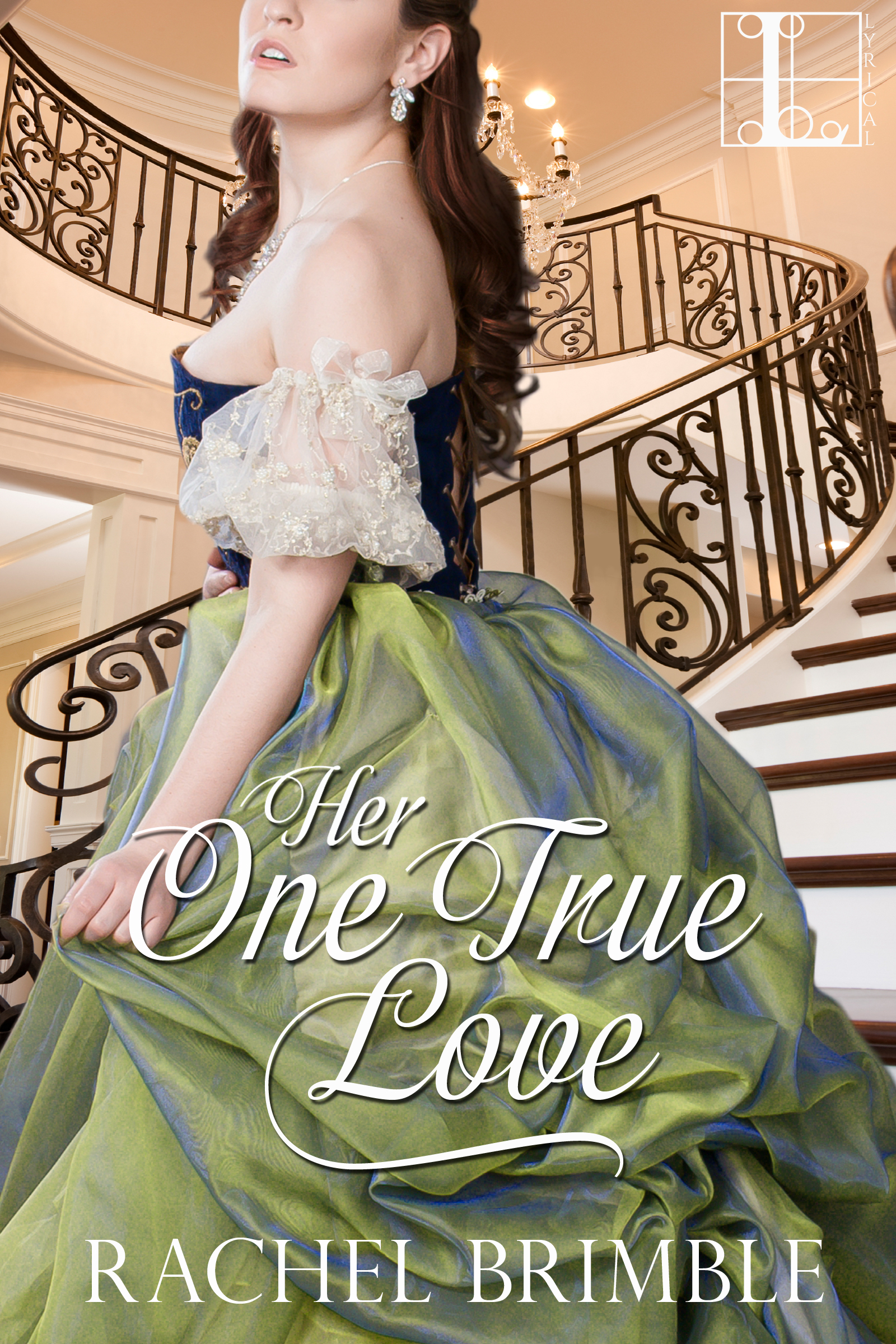
Cover One True Love

My Review

One of the reasons readers love historical novels is because they are transported to another time and place. in the case of historical romance, such as Her One True Love, readers are transported to 19th century Bath and a nearby village, Biddlestone. Bath, Biddlestone, and Victorian England in general, were places where most people lived according to strict rules and conventions. Marriages across social classes was frowned upon, so the Mathew, the Squire, had to marry a suitably rich lady, and the lower classes must marry amongst themselves. Love was ignored. Everyone seemed to agree with this ancient tradition, but Victorian England was a time of tradition and change, so people like Elizabeth, rebelled against this imposition and decided her marriage to Mathew was unsatisfactory, so she left him for another man.

Although Elizabeth is a minor character, I was a little disappointed that she wasn’t further developed, because I thought she had great potential. She came across as the catalyst for Mathew and Jane’s love. Mathew would have continued with the unsatisfactory marriage, following his family wishes if his wife hadn’t left him.

Mathew is perplexed, humiliated and distraught, at first, until he realises he is free, at last, to marry his ‘one true love’, whom he has known since they were children. Unfortunately, tired of waiting, Jane Danes now has other plans. She wants to break with all the social conventions which have tied her down and live her life independently in Bath.

As we follow her struggle to independence, we are sorry to witness the difficulties she had to face, and thankful that we were born two hundred years later, where such issues are no longer questioned.

Nothing comes easily to Jane, and that’s the interest of this novel. We struggle with her until she finally finds a rewarding occupation looking after poor children, as well as marriage to the man she loves. It is no secret this novel has a happy ending, the reader is encouraged to read on due to the interest in the characters, the plot, and the smooth writing style.

Her One True Love is a heart-warming, romantic read, especially for lovers of historical romance, who wish to be transported to Victorian England.

****


Me at Ashford2

ABOUT RACHEL BRIMBLE

Rachel lives with her husband and two teenage daughters in a small town near Bath in the UK. Since 2013, she has had five books published by Harlequin Superromance (Templeton Cove Stories) and recently signed a contract for three more.

She also has four Victorian romances with eKensington/Lyrical and hoping to sign a new contract for further historical romances shortly.

When she isn’t writing, you’ll find Rachel with her head in a book or walking the beautiful English countryside with her family.

AUTHOR LINKS

Facebook: Facebook

Facebook Street Team – Rachel’s Readers

Twitter: Twitter

Goodreads: https://www.goodreads.com/author/show/1806411.Rachel_Brimble

Website

Blog

****

Her One True Love purchase links:

Amazon UK

Amazon US

Barnes & Noble

****

Enter a GIVEAWAY for £15/$25 Amazon gift voucher HERE


Help me Choose my Cover for Midsummer at Eyre Hall, Please!

Hi all!

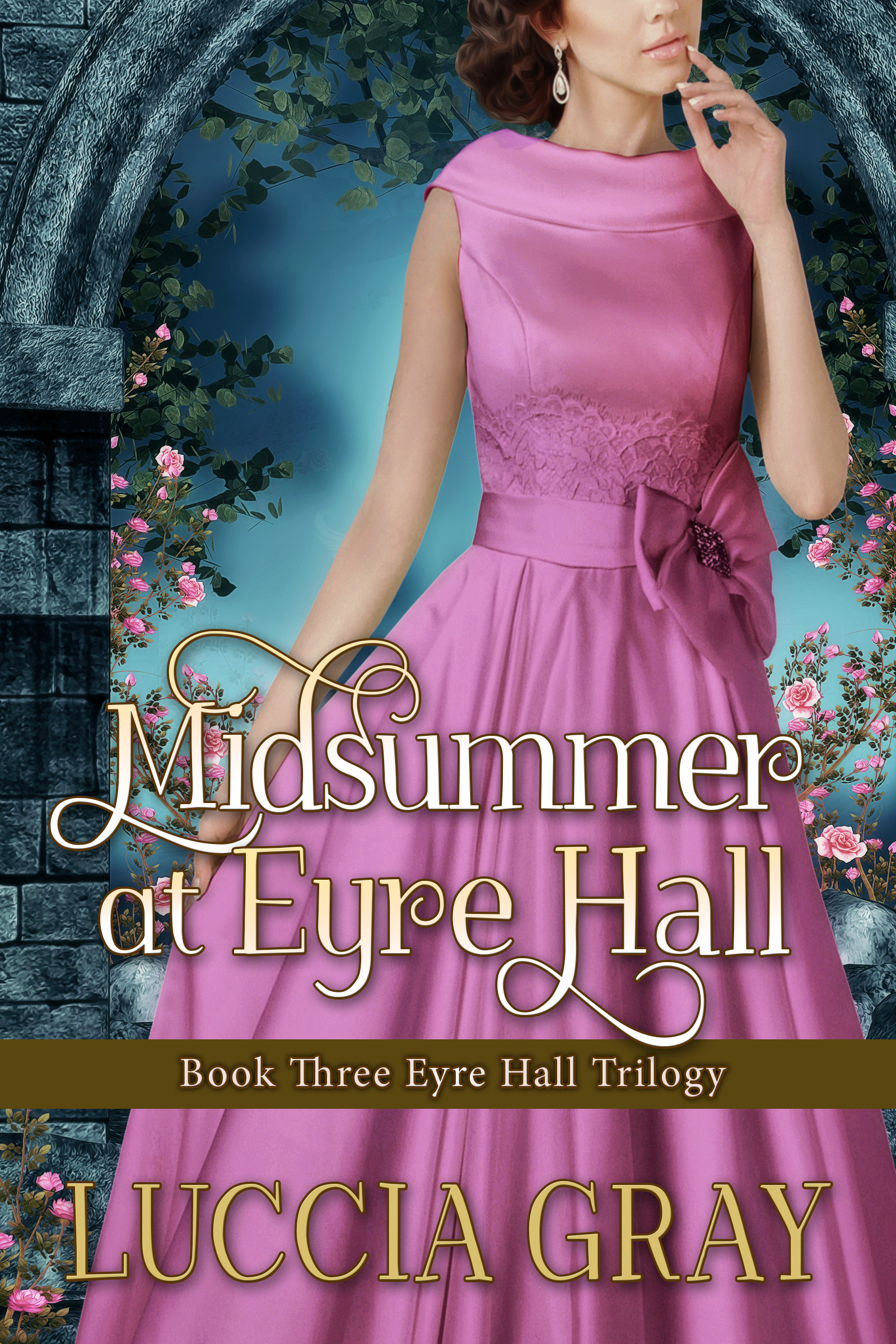
I’ve been neglecting my blog and my flash fiction challenges lately, because I’ve been finishing my third novel, Midsummer at Eyre Hall, which is also the final instalment of The Eyre Hall Trilogy, which is due to be published on 21st June, Midsummer’s Day!

I’ve asked the person who designed the first two novels to design the third, and I’m afraid I’m confused. I don’t know which one I like. I don’t even know if I like any of them, and I was wondering if you could help me choose or change.

Just to let you know, the title refers to the final chapter where there is a reunion in summer at Eyre Hall. The novel has many dramatic moments, although the ending is mostly optimistic, but not for all the characters. I wanted to transmit tranquility and closure on a bright summer’s day.

Check out the covers for my first two novels on the right to compare.

I asked for a similar style using the same/similar model.

It’s the designer’s first suggestion, so there will be more based on my feedback.

Here are the initial covers:

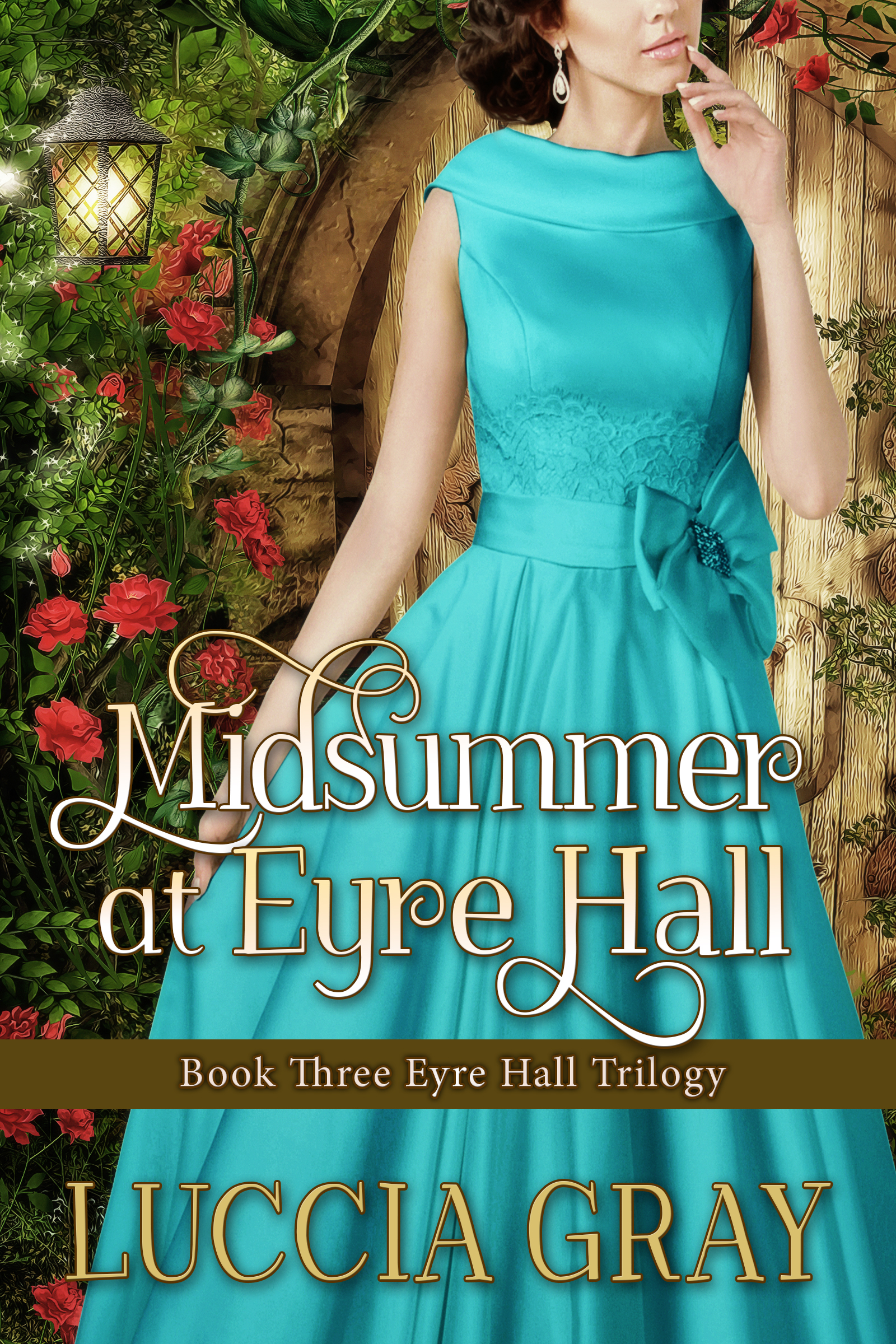
Midsummer at Eyre Hall 1 Midsummer at Eyre Hall 2 Midsummer at Eyre Hall 3

What do you think?

Thank you for your help!

Hope you have a great Easter break 🙂

Compassion and Happiness: A Room Without a Roof #Happiness #1000Speak

We normally think of compassion related to pain, sadness, poverty, misery, but today (I’m a day late, I mean yesterday,) is also International Day of Happiness, so I’d like to join 1000 Voices Speak for Compassion and reflect upon compassion as a way of bringing some happiness to other people.

compassion-logo-finished

It’s not a pleasant situation for me when I’m feeling happy and someone around me is in emotional pain. It could be a colleague, a friend, a neighbor, or a relative. Today I’d like to suggest simple strategies for making people happy, or at least less unhappy.

The satisfaction of knowing I’ve helped others is priceless, so it’s something I normally try to do, and it’s really not as hard as it seems. I’m not an expert or a psychologist, but I’ve been a teacher for over thirty years, a mother, a grandmother, a wife, and friend to many, so here are a few things I’ve learnt along the way.

listen-2

  • Listen to someone who is obviously unhappy.

You may think they don’t want to talk, or you may be too embarrassed or busy to listen, but you should make an effort to find out what’s the matter. They say a problem shared is a problem halved, and I’ve experienced it so many times myself, that the power of listening is invaluable.

Why to listen

Firstly because it lets them talk, which means verbalizing what’s happening to them, and crazy as it seems, it’s not something people do unless they talk or write about how they feel, and you’d be amazed how many people do neither. It stays bottled up inside…festering. You can’t solve a problem you don’t verbalise and analyse. Amazingly, I’ve noticed that very often, just telling someone why you’re upset is enough to feel a little better. Isn’t that worth a few minutes or half an hour of your time?

Listening 1

How to Listen

Active listening means talking as little as possible yourself and focusing on the speaker. You may need to ask a few questions to keep them engaged, but don’t be judgemental, don’t tell them what to do (unless you’re specifically asked, which mostly you won’t be), don’t give them examples of your own; it’s about them, not you. This stage is only about listening to them. Finally you can recap what they’ve said to make sure you (and especially they) have described the situation clearly.

  • Comfort them. It’s a good idea to give them some comforting words or a hug. You don’t even have to talk or say more than a few words. The power of a hug, a smile, and a few comforting words like, ‘I’m sorry you’re feeling sad,’ or ‘Is there anything I can do to help?’ is invaluable, and it only takes a few seconds.

power-of-hugs

  • Give them ideas to cope. If theyre ready to listen you can speak now. If they’re too upset to listen to you, you might want to postpone this stage, but often, they’re in need of your input on the situation, after all, that’s why they’ve opened their hearts to you. Now it’s your turn to speak. I love this part, because there are so many simple things you can do to cheer yourself up that you forget when you’re immersed in your own sadness.

The first thing is to admit that you don’t have a solution to their problem, but you have ideas to lighten their load and help them think things through or move on with their lives.

Problems

This is where the room without a roof (from the song Happy by Farrell) comes in. when you’re unhappy the roof oppresses you and doesn’t let you see the daylight outside, so you need to do simple things to make holes in that roof until you’ve broken it completely.

One quick and easy way to cheer up is to listen to music, sing your favourite song and dance or go for a walk with your headphones. There are so many songs which cheer you up, we each have our own. These are a few of mine, depending on my mood: Happy by Farrell, anything by Bruno Mars (Uptown Funk), Black Eyed Peas (I Gotta Feeling), Madonna (I’m Breathess), or Simply Red (Jerico), Adele (Rolling in the deep). There’s no excuse with Spotify and Youtube, you can listen to almost anything free!

You can also watch your favourite film, even if it makes you cry, but better if it makes you laugh.

You can phone your special friend or relative who lives thousands of miles away, and if they’ve passed away, you can still speak to them in your mind. Try it, they’re listening to you. Tap onto them through your subconscious, see them, hear their voice, have that conversation you need to have with them. You’ll be surprised what they say.

You can write about how you feel in a diary or write some flash fiction, or plan a novel with the situation. If you don’t feel like writing a coherent text, write a lists of things you’re grateful for or things you want to do in the next few months, or a list of things to do or say in your situation.

If you’re a writer, use your negative feelings for your characters and think what they would do and how they would feel in your situation. It helps to let off steam and extrapolate.

Read a book. There are so many, from self-help to romance, suspense, historical, science fiction, whatever catches your eye. Read the blurb and ‘Look inside’ first, and if you don’t like it move on. Don’t feel like bothering to find a book? Reread your favourite novels or your favourite parts.

There are plenty of self help books out there, I’m not up to date, but I got a lot out of these books: The Flow (Mihaly Csikszentmihalyi), To Be and To Have (Fromm), I love all of Deepak Chopra’s books, The Prophet (Gibran), The Power of Now (Tolle) Here are a few more suggestions:

Do whatever you like, whether it’s cooking, shopping, painting, gardening, yoga, do it. Spoil yourself. Buy ingredients for your favourite meal or cake, or pay a visit to a Garden Centre…

So often in life, problems improve over time, but we need to fill that waiting time with activities that will lift our spirits. They’re like bridges taking us from one side of the river to the other.

Happy 2

  • Check up on them. Make your shoulder available for a good cry. Let them know you care. Phone up or ask them how they are. Don’t exaggerate or dramatise, just ‘morning, how are you feeling today?’ or ‘Fancy a coffee?’ is enough. You’ll know how to take it from there.

Take part in the International Day of Happiness 2016. Download your free Happiness Guidebook packed full of ideas and actions to create a happier life for you and those around you. Read other posts on Compassion and Happiness.

There’s only one pitfall: Negative people. People who are always grumpy and seem to be unhappy, but on the other hand, they thrive on complaining and playing the role of martyr or loser and try to infect you with their negativity. I know you can cope, but just in case: keep away! They’re pretty poisonous. for everyone else,

Be Happy and make someone else Happy!

Smile

#BookReview ‘Coffee, Tea, the Caribbean & Me’ by @CarolineJames12 & #Book Tour @BrookCottageBks

Coffee Tea Tour Banner


Coffee, Tea, the Caribbean & Me By Caroline James was published by Ramjam Publishing Company on February 12th 2016. Women’s Romantic Fiction.

Blurb

A romantic comedy – the sequel to Coffee, Tea, The Gypsy & Me, which shot to #3 on Amazon and was E-book of the Week in the Sun.

Continuing the Coffee, Tea… series, join Jo and Hattie as they romp into their middle years and prove that anything is possible!

Coffee Tea The Caribbean & Me was a top ten finalist at The Write Stuff – London Book Fair 2015. The judge’s comments included, “Caroline is a natural story-teller with a gift for humour in her writing.”

Coffee Tea The Caribbean & Me, is a a story about friendship and that there is hope in middle years, romance can happen and life really does begin again.

Set in Cumbria, London and beautiful Barbados.

‘The time to be happy is now…’

Jo remembers her late husband’s words but is struggling to face the lonely future that lies ahead. A heartbroken widow, the love of her life, husband Romany John, has died suddenly and Jo finds herself alone with ghostly memories at Kirkton House – a Cumbrian Manor that until recently, she ran as a thriving hotel. Her two sons have moved away; Jimmy to run a bar in Barbados and Zach, to London to pursue a career as a celebrity chef. Middle-age and widowhood loom frighteningly and Jo determines to sell up and start again, despite protestations from colourful friend, Hattie and erstwhile admirer Pete Parks. Hattie convinces Jo to postpone any life-changing decisions by enjoying a Caribbean holiday in Barbados and their holiday sets off a course of events that brings mayhem and madness to Jo and her family.

Confused and anxious for her future, can life really begin again for Jo? Is there hope in middle years and can romance happen?


CTTCM Cover High Res

****

My Review

Jo and Hattie are two middle-aged friends at a crossroads in their lives. Jo is depressed and in a rut after her husband’s death, while her best friend and former employee, Hattie, is also ready for a change after the breakdown of her marriage. The adventure starts when both women decide to take a trip to visit Jo’s son in Barbados.

It was refreshing to read about mature women supporting each other and enjoying life in sunny Barbados and although it was fun to read about their escapades, the novel is also about friendship and overcoming loss. Hattie is the honest and fun friend we all need at times and offers many of the hilarious moments in the novel. There are plenty of other engaging characters, who will make you smile, laugh, and cry.

I didn’t realise it was the second book in a series, and I didn’t miss not having read the first book. It is an enjoyable and optimistic novel about friendship, loss, and the second chances, which could lie ahead if we’re prepared to take up the challenge, and open our eyes.

****

 Caroline James Profile 4

ABOUT CAROLINE JAMES

Caroline James was born in Cheshire and wanted to be a writer from an early age. She trained, however, in the catering trade and worked and travelled both at home and abroad. Caroline’s debut novel, Coffee Tea The Gypsy & Me shot to #3 on Amazon and was E-book of the Week in The Sun newspaper. Her second novel, So, You Think You’re A Celebrity… Chef? has been described as wickedly funny: ‘AbFab meets MasterChef in a Soap…’ The manuscript for Coffee Tea The Caribbean & Me was a Top Ten Finalist at The Write Stuff, London Book Fair 2015 and the judge’s comments included: “Caroline is a natural story-teller with a gift for humour in her writing.” Her next novel, Coffee Tea The Boomers & Me will be published autumn 2016.

Caroline has owned and run many catering related businesses and cookery is a passion alongside her writing, combining the two with her love of the hospitality industry and romantic fiction. As a media agent, Caroline represented many well-known celebrity chefs and is currently writing a TV script and accompanying book about the life of a well-known chef. She has published short stories and is a member of the RNA and The Society of Authors. Caroline writes articles on food and celebrity based interviews and is Feature Editor for an online lifestyle magazine. When she’s not running her hospitality business and writing, Caroline can generally be found with her nose in a book and her hand in a box of chocolates, she also likes to climb mountains and contemplate life.

 Find out more or contact the author: 

www.carolinejamesauthor.co.uk

Email: caroline@carolinejamesauthor.co.uk

Twitter: @CarolineJames12

Buy Link Amazon UK

Buy Link Amazon US

ENTER THE GIVEAWAY

1st Prize – A copy of the book – UK winner (paperback) / Outside UK (ecopy)