 Waning, Gibbous moon,
Broken yet proudly shining,
Facing morning sun,
Slowly shrinking into black
Ebbing then swelling once more
Like our lives, our hopes, our dreams.
**** Happy Birthday
Be safe, be happy,
Wherever you are,
Laugh like the child you were,
Smile like the woman you became,
In my memories and my dreams,
You’re always there,
Unforgettable,
Unique,
The other half of my youth,
The one who left too soon,
Be safe, be happy,
Wherever you are.
Why Writers should read ‘The Evening and the Morning’ by Ken Follett #BookReview #TuesdayBookBlog
Ken Follett has just released his latest novel, ‘The Evening and the Morning’, which is already in bestseller lists all over the world.
My Review
Ken Follett is one of my favourite living authors, so I downloaded his book on my kindle and my as an audio book on Audible on the 15th September, the very day it was released.
Ken Follett makes his stories come to life in such a way that millions of readers all over the world are suddenly finding events set in the middle ages, in pre-Norman England and Normandy, fascinating.
It’s exciting, romantic, dramatic, tragic, hopeful, and ultimately a joy to read. So, if you read or listen to one book this autumn, make sure it’s The Evening and the Morning’.
Why Writers should read Ken Follett’s Novels
It is a well known fact that anyone who wants to be a writer should read a lot, but it’s not enough to be a normal or passive reader. William Falukner summarised it in this quote:
“Read, read, read. Read everything—trash, classics, good and bad; see how they do it. When a carpenter learns his trade, he does so by observing. Read!”
Writers are a special type of reader. We dissect other writers’ work and in order to learn their craft. Every book I read is a Masterclass on writing. Many hours and months of hard work have gone into producing a novel, three years, in fact, if you’re Ken Follett, so it’s worth analysing their craft with a view to improving my own writing.
I strongly urge anyone who wants to write a good novel to read Ken Follett’s novels, all of them, if you haven’t started yet, his latest novel, The Evening and the Morning, is one of my favourites, so far.
Seven things I’ve learnt from reading about Ken Follett’s writing process
- Write your outline: Plan, plot and research carefully before you start your first draft, including plot and character arcs.
- Style: Write clear, transparent prose.
- Push your characters: Continuously raise the stakes.
- Think about your readers, you’re writing for them. Make every scene as compelling as possible.
- Check pacing: Make sure there’s one turn or twist every 4-6 pages, but not more than one.
- Write your first draft and get feedback from readers, such as friends, experts, an editor, agent, etc.
- Rewrite your novel, yes, the whole thing all over again! Incorporating any changes or suggestions you decide would improve your novel.
Seven things I’ve learnt from reading Ken Follett’s novels
- Hook your readers with a jaw-dropping beginning.
- Set the pace, the setting, themes and introduce at least one of the main characters on page one.
- Write every chapter, page, paragraph, sentence and word, thinking of improving your readers’ enjoyment and understanding of the novel they’re reading.
- Keep the action coming. Add a twist or turn every few pages to keep readers invested in your story.
- Create engaging characters who are honest, passionate, and proactive.
- Make sure there are plenty of adversities and villains to make life hell for your main characters.
- Make sure your characters are resilient and resourceful enough to finally overcome all the adversities life throws at them.
Who is your favourite author and what has he/she taught you about writing?
#MarcosPlaylist ‘Isn’t She Lovely’ by Steve Wonder #Spotify #Saturdaysingalong #Haiku
Welcome back to #MarcosPlaylist and #SaturdaySingalong with another song from the playlist I made for my grandson in August 2020 on Spotify, when he was just a few days old. I chose my favourite songs with a mellow rhythm to sing to him, dance with him cradled in my arms and perhaps send him to sleep, or at least calm him down!
Today I’m featuring isn’t she lovely, once again by Stevie Wonder, well, I did tell you he’s one of my favourite singers. His songs are so feel-good. I love singing-along and dancing to his tunes. It perks me up no end!
Stevie Wonder wrote isn’t she lovely to celebrate the birth of his daughter, Aisha. I never tire of listening to this song, so full of love. Here’s a YouTube video in which he sings it with his grown-up daughter on stage
This post, haiku and playlist is dedicated to my now ten-week old grandson, Marcos.
Isn’t he precious,
Sent from heaven, made from love,
Wonderful Marcos.
****
Which is your favourite Steve Wonder song? Let me know in the comments.
Do you have a special Spotify playlist you’d like to share? Go ahead and share in the comments.
Stay safe, singalong, enjoy and have a great Saturday!

Harvest Moon at Eyre Hall #amwriting #HistoricalFiction #JaneEyre
I have some important news for readers who enjoyed the Eyre Hall Trilogy and for future readers too, of course!
I’m writing a prequel, which takes place at Eyre Hall on and around the early September, 1865, during the Harvest Moon, thus its title, Harvest Moon at Eyre Hall.

I chose this moment and this title because it takes place roughly two months before Halloween, which is the setting for book one, All Hallows at Eyre Hall. Significant events in all four novels take place on and around the ancient, time-honoured festivals in their titles. I’ve harnessed the power of traditions and rituals in literature and life to shape our world view and bond societies, but more about that in a future post.
It sounds strange, I know, a prequel to a sequel, so, I think I should briefly explain why I’m so excited about this new project.
It’s not exactly new, because I started jotting down ideas and planning over a year ago. In fact, I’ve done most of the outlining (yes, I’m a plotter, not a pantser and I’ll tell you why in a minute!), and the characters are already there, as they are the same as the first novel in the trilogy, All Hallows at Eyre Hall.

Now let me tell you about my reasons for writing a prequel, because there is more than one.
In the first place, book one, which is over 112,000 words long, is too long for a first novel in a series, compared to other trilogies. Most editors suggest novels should be are between 70,000 and 100,000 words, in fact, the shorter the better, and as a reader, I tend to agree. My second and third novels in the trilogy, Twelfth Night at Eyre Hall and Midsummer at Eyre Hall are both well within that number at around 80,000 words each.

Secondly, I’ve learnt so many things along the way, that it seems a pity not to prepare a second, revised edition of my first novel, which will be a little shorter, but worry not! None of the plot, action or characters will be missing, because I’ll be including the removed scenes in the prequel.
However there will be some words I’ll be doing away with, because I’ll be tightening the prose, something I’ve learned to do in the last seven years since I started my career as a writer. Unfortunately, I used to ramble, a bit, and although the tendency is still there, I have since made a conscious effort to curb that inclination and edit very carefully.
To be honest, when I wrote All Hallows at Eyre Hall, I didn’t know what I was doing as an author. I thought because I’d read and analysed thousands of books for my profession (I was an English language and literature teacher for over 30 years) and for pleasure (I’ve been an avid reader since the age of twelve!) that I knew how to write a novel. So, I did what Stephen King, and many other experts on the matter recommend, I sat down and wrote with an idea to write a sequel to Jane Eyre (and here’s why), but no specific plan.

Pantsing was a wonderful experience, my characters grew a life of their own and I set off on a creative and thrilling journey into Victorian England. I researched and wrote so much that I realised one novel wouldn’t be enough, and on the other hand, I was also getting into a rut. I discovered, the hard way, that not knowing where you’re going is exciting, at first, but when you have the constraints of time and space you really have to put an end to the wandering and start planning the journey or you’ll never get home on time!
That was when I stopped pantsing and started planning ahead. I read blogs and books on structure, plotting and story arcs, I took an online course, analysed some novels with this in mind, and then I sat down to plan my own way of outlining. I wrote this post about my plotting process some time ago, but I need to write another post on the subject, because although that’s what I did a few years ago, and it is similar to my present process, since then, I’ve adapted, decluttered and simplified my plotting method (more about that in another post).
So, I’m making All Hallows a little shorter and a little better. You’re probably wondering what the prequel’s all about. Will it just have the missing bits in book one? Not at all, it’s a complete novel which I’m really excited about writing.

In All Hallows, Mr. Rochester is on his death bed, more or less delirious, bad-tempered and very unattractive. I was very hard on him and I still stand by that interpretation of his character, based on his actions, omissions and lies in Jane Eyre, but some of my readers had difficulty coming to terms with this ‘unromantic’ and villainous Rochester.

I had presumed any reader who had read Wide Sargasso Sea (see this post about this prequel to Jane Eyre by Jean Rhys), and reread Jane Eyre, would have read between the lines and realised Rochester was totally unworthy of Jane, but it took me years to come to that conclusion and my readers only have the few hours it takes to read my novel. So, I’m making amends with a prequel.
In Harvest Moon at Eyre Hall, Rochester is not yet on his deathbed, and I’ll try harder, (I have another three hundred pages, so I think I’ll manage it!) to convey what’s been happening in Jane and Rochester’s lives and how their marriage has eroded over the previous twenty-two years.
There’s a long process ahead which I’ll be sharing with occasional updates, and hopefully Harvest Moon at Eyre Hall and a revised edition of All Hallows, as well as a box set of the four novels in The Eyre Hall Trilogy, will be published before the next year’s Harvest Moon.
Over the next few months as we’ll all be coping with the Covid epidemic, we’ll be staying at home and more than ever, and although I wish the worry and suffering it is causing all of us were over, I will be making use of the quiet time ahead by reading, reflecting and writing.
By the way, just in case you were wondering, The Eyre Hall Trilogy is not the sad story of a failed marriage, it has plenty of action, romance, suspense, engaging characters and twists and turns. There are some dark aspects and a few nasty villains, but overall it’s an exciting story set in Victorian England.
Stay safe and happy Friday!
(I have some more publishing news, but I’ll leave that for another post).
Harvest Moon in Cobalt Sky #Haiku
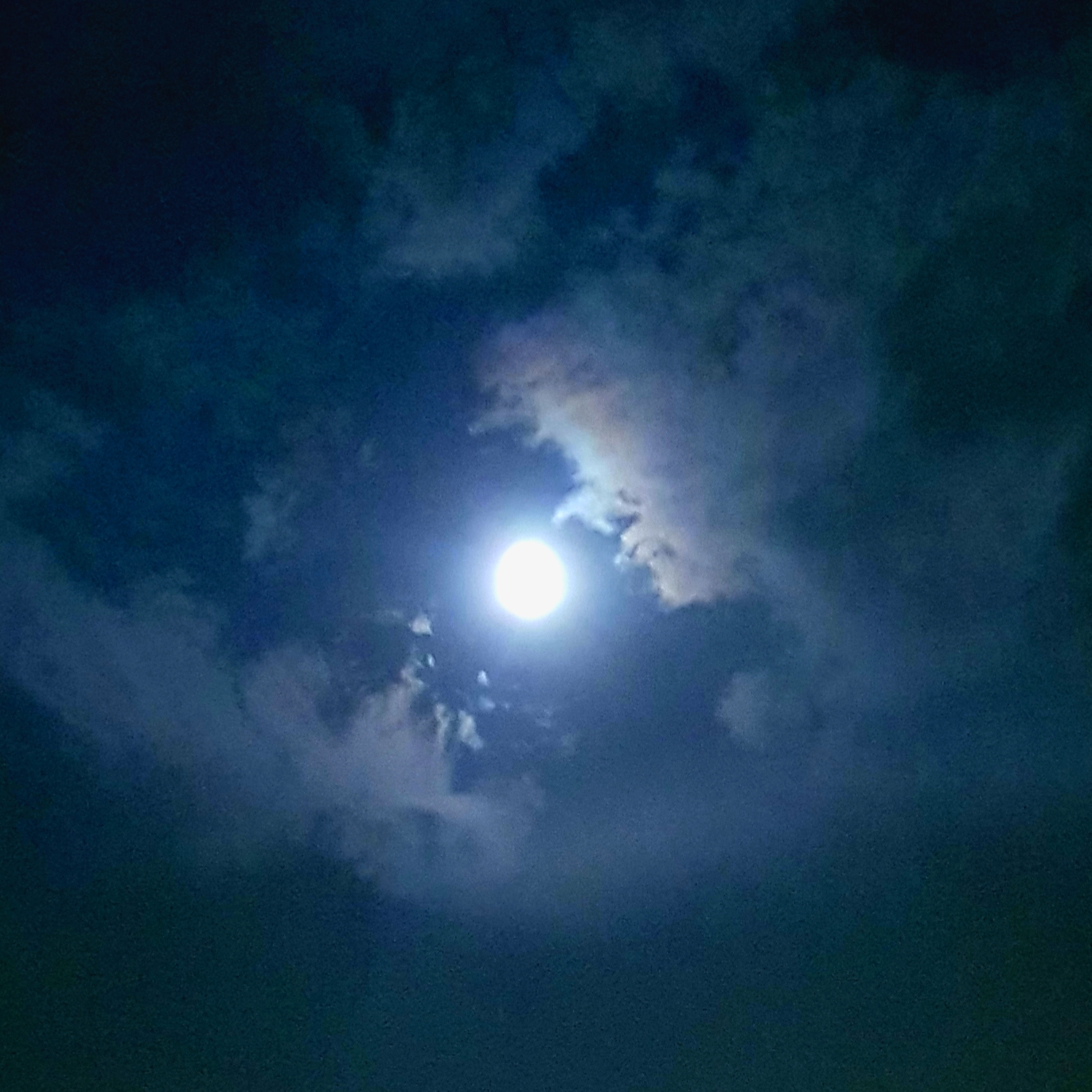
Slowly, Silently,
Moon glides across cobalt sky,
Bursting with my dreams.
****
You all know how I love the moon because it energises and inspires me. In fact, my most popular all-time post is The Moon in Jane Eyre, and I have many poems inspired by this extraordinary planet. Check out yesterday’s blogpost if you missed it all about Full Moon Rituals and goal setting.
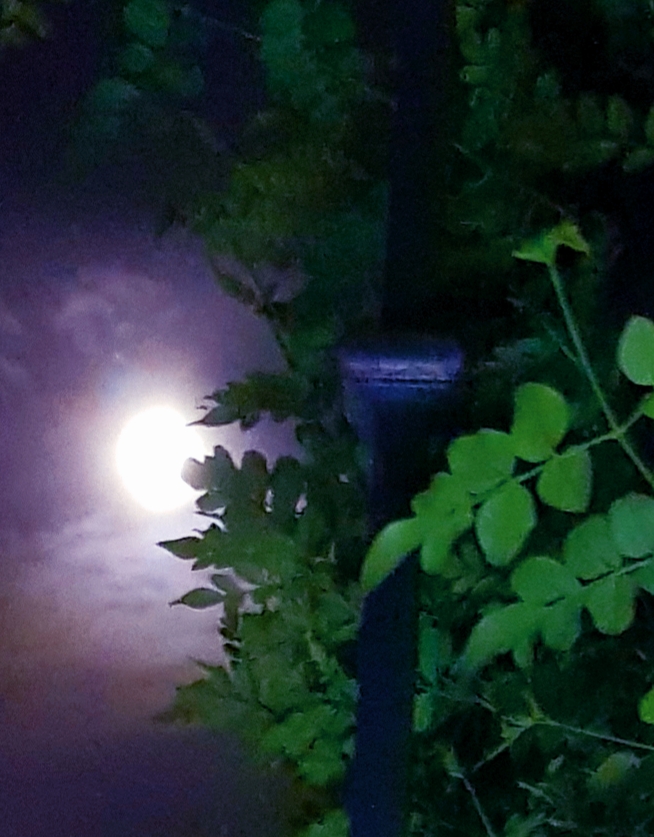
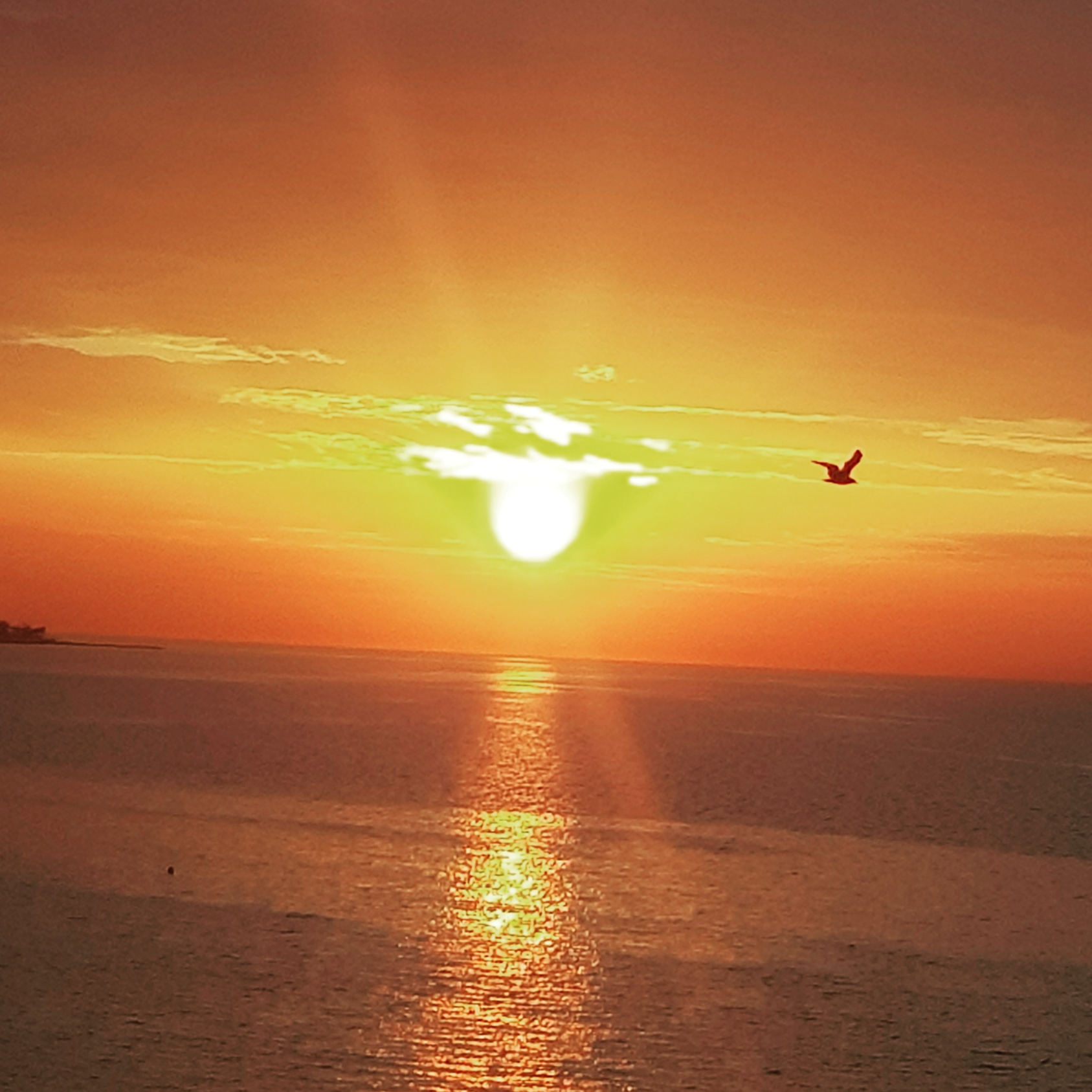
This is my view right now from my study. I’m literally blown away, writing poems, jotting ideas, preparing affirmations and setting goals for the month ahead. (I’ll be posting tomorrow morning)
How does the full moon make you feel?
Please add any moon related posts in the comments, I’d love to check them out!
Full Moon Rituals and #Tanka #WednesdayThoughts #WWWBlogs
The moon shone last night
Like a beacon in the sky,
I watched, mesmerised,
As she glided serenely,
Granting my dreams and wishes.
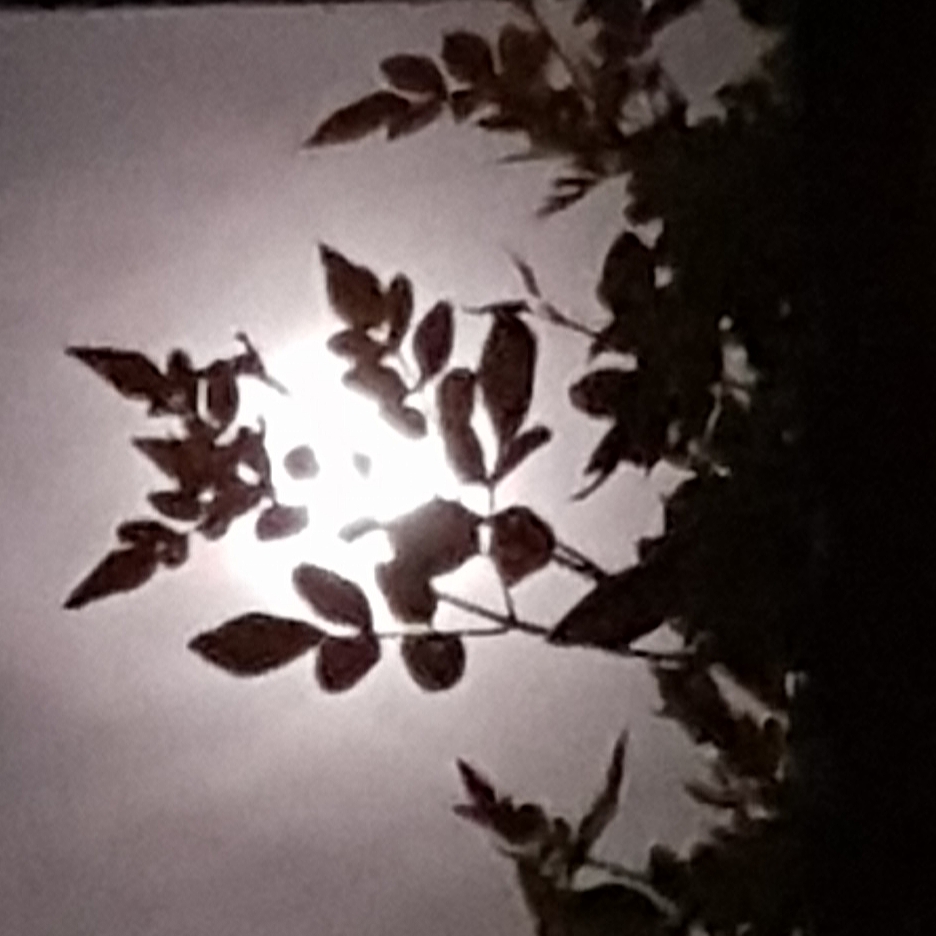
I took these photos last night, from the window of my study, as I was editing one of my almost finished novels. It’s not full yet, the Harvest Moon will be tomorrow, 1st of October, but it was so mesmerising that I started on my monthly full moon ritual, which I’d like to share with you today.
Firstly, I’d like to say that although I haven’t copied it from anyone, I can’t say I’ve invented a ritual to the full moon, which is something that has been happening, in one way or another, probably since the first human looked up and saw this beautiful planet (I know some experts say it isn’t a planet, but others do, and I’m not going to get into a semantic or scientific argument here, I’ll just go ahead and call it a planet, because I want to endow it with all the majesty it deserves).
I usually feel energised and optimistic around a full moon, especially as I’m able to watch it shrink and grow every night, as I live in the south of Spain, where the sky is often clear. So, I seize this welcome enthusiasm to boost my creativity and I also reflect on the past month and plan my goals for the month ahead.
I’m going to share my own 3-step ritual, which I’ve developed over some years. It works for me, and maybe it will work for you, as it is, or with some adaptations to your lifestyle and preferences.
I use the words goals and wishes interchangeably, depending on my mood, but I think we’re all aware that a wish is a goal without a plan and a wish really needs to have a plan to happen.

I open a notebook I keep for this sole purpose and follow this simple but empowering process.
Step one: Major Goals / Wishes
I think carefully about what I want to accomplish in the coming months and write down three goals or wishes with three main words only (articles, prepositions etc. don’t count).
It’s really important to be specific and clear. This step usually takes the longest because often we’re not really sure of what it is we want exactly, and that may be why we never achieve it!
Here are three examples:
- Balance Mind and Body
- Finsh my Ongoing novels
- Improve my relationship with my sister
This first step is the most general, but it’s important think carefully about what you want to achieve and be specific.
Step Two
Take each goal and set three sub goals. That means three things you must do to achieve the major goal.
So for example for goal number 1: Balance Mind and Body, your three sub-goals might be:
- Take a 30 minute walk
- Eat a healthy diet, and
- Challenge your mind to grow
Step Three
The next step is to take each sub goal and write three more sub goals for each one.
So the whole thing would look like this:
|
1. Balance Mind and Body |
||
| 1.1 Take a 30 minute walk | 1.2 Eat a healthy Diet | 1.3 Challenge your Mind to Grow |
| 1.1.1 Buy suitable shoes and clothes
1.1.2 Set a time for walking 1.1.2 Prepare a playlist or audiobook |
1.2.1 Find out about sensible diets
1.2.2 Buy specific book/s 1.2.3 Plan a weekly diet
|
1.3.1 Listen to a Ted Talk and comment
1.3.2 Read a self-help book 1.3.3 Learn a new language/hobby |
|
2. Finish my ongoing novel |
||
| 2.1 Set a time to write | 2.2 Activate my creativity | 2.3 Read a variety of genres |
| 2.1.1 Collect notes and outlines
2.1.2 Reread everything I’ve written 2.1.3 Plan my next steps |
2.2.1 Start writing morning pages
2.2.2 Interview my characters about novel 2.2.3 Journal with questions before sleeping |
2.3.1 Read similar books to my own
2.3.2 Read latest bestseller 2.3.3 Read a completely different genre |
|
3. Improve my relationship with my sister |
||
| 3.1.Make Contact regularly | 3.2 Set up a monthly meeting
|
3.3 Understand my negative emotions
|
| 3.1.1 Send weekly text-message
3.1.2 Phone every 8-10 days 3.1.3. Remember significant dates |
3.2.1 Invite her to a family lunch
3.2.2 Ask her to go shopping with you 3.2.3 Visit a common relative together
|
3.3.1 Investigate about sibling relationships
3.3.2 Write an imaginary dialogue with sister 3.3.3 Learn about meditation and relaxation |
All in all you have 39 general and specific goals, which will help you achieve your dreams/wishes/goals.
I don’t usually prepare a chart like this one, I did that for your benefit, so it would look clearer, but I’m actually thinking of using it myself!
What I do is write each goal and sub goal on a new page and include notes as I revise, which I do regularly, including new ideas and acievements.
At least once a month when there is a new full moon, I revise my goals, reset or modify and do the same process all over again.
It does take time, I usually take a couple of evenings at least. You’ll find that most of the time is devoted to thinking and writing goals with clarity, there is a great power to writing it all down and holding yourself accountable for what you do to fulfill your dreams, because it’s not enough to just look at the moon and wish, you really have to do something about achieving it, too!
Finally, I’ve learnt never to be hard on myself, sometimes things don’t work out as planned, life happens, there are hold-ups and changes of plan, that’s why I revise and go ahead. Life is a journey, not a destination.

Ink and Blood #Poems inspired by #Poet T. S. Elliot #Bornonthisday

Blood and Ink
You ask me why I write
And I answer, frankly,
‘To shed the excess blood
Threatening to drown me
If I stop spilling it
Wildly, mercilessly,
Over the blank, white page,
Begging to be tinted
With the secrets of my soul.
****
T. S. Elliot was born on this day, 26th of September, in the year 1888. His famous quote, ‘The purpose of literature is to turn blood into ink’, reminds us that writing a poem is often a painful and emotional, soul searching experience.
Find out more and read some of his wonderful poems here

Writers translate feelings into syllables and words which are painstakingly plucked from our conscious and subconscious minds and poured onto a blank page.
As I wrote in a previous post, writing a peom is, ‘excruciating, disturbing, and always frustrating, but there’s no alternative. It’s the only option for the poet, condemned to pursue that perfect combination of phrases, sounds and emotions, she will never find.’
And yet, it is cathartic. There is peace, for a while, when a poem is completed. And then, we begin again, because the search for the perfect poem may be closer, but it is never over, is it?
#MarcosPlaylist ‘For Once in my Life’ by Steve Wonder #Spotify #Saturdaysingalong #Tanka
Last month I made a playlist with some of my favourite melodies on Spotify. I chose those which had a mellow rhythm and would hopefully lull my newborn grandson, Marcos, to sleep, or at least calm him down!
I’m not a great fan of most nursery songs for helping children to sleep or relax, they’re either too short and repetitive or too lively to encourage rest!
As I compiled some of my some of my favourite, calming songs, I also use this playlist sometimes while I’m writing, although mostly I prefer silence.
I’ll be posting one of the songs with a haiku or tanka on Saturdays with the spotify link to the song.
Singalong, enjoy and have a great Saturday!
For once in her life
She has someone who needs her,
His voice fills her hopes,
His smile fills her heart with love,
Her dreams shine in his wide eyes.
For Lidia.
****
I love Steve Wonder’s songs! They’re so feel-good and emotionally energising. There’s more than one in Marcos’ playlist.
Which is your favourite Steve Wonder song? Let me know in the comments.
Do you have a special Spotify playlist you’d like to share? Go ahead and share in the comments.
Stay safe and remember…
Autumn in Jane Eyre

The autumn months of September, October and November witness major events in both Jane Eyre and Edward Rochester’s lives.
Jane Eyre starts narrating her autobiography in autumn, specifically in November, ‘a drear November day’ she calls it. The novel has an oppressive and gloomy beginning in which she tells the reader about her loveless and lonely childhood at Gateshead, with her heartless Aunt Reed and bullying cousins, Georgina and John.
Jane is trapped in a freezing outdoor climate with an equally frosty atmosphere inside the house, as she states in her very first paragraph.
‘There was no possibility of taking a walk that day. We had been wandering, indeed, in the leafless shrubbery an hour in the morning; but since dinner (Mrs. Reed, when there was no company, dined early) the cold winter wind had brought with it clouds so sombre, and a rain so penetrating, that further out-door exercise was now out of the question.’
And there we have one of the major themes in the novel, freedom, or in this case lack of freedom represented by the confinement she is subject to outside, due to the weather, and inside as she is denied access to family reunions and even locked in a room.
However, Jane’s experience of Autumn is not always so miserable.
Eight years later, after graduating at Lowood and taking on a teaching position there, she decides she wants to widen her horizons, so she advertises for a job as a governess.
‘…towards the close of a pleasant autumn day, I found myself afoot on the road to Lowton. A picturesque track it was, by the way; lying along the side of the beck and through the sweetest curves of the dale: but that day I thought more of the letters, that might or might not be awaiting me at the little burgh whither I was bound, than of the charms of lea and water.
My ostensible errand on this occasion was to get measured for a pair of shoes; so I discharged that business first, and when it was done, I stepped across the clean and quiet little street from the shoemaker’s to the post-office: it was kept by an old dame, who wore horn spectacles on her nose, and black mittens on her hands.
‘Are there any letters for J.E.?’ I asked.
And this is when she receives Mrs. Fairfax’s reply, offering her a job at Thornfield. Jane travels to Thornfield Hall that same autumn, specifically in October and she finds everything there pleasing.

She arrives in the evening, but she describes her first morning there as a ‘a fine autumn morning; the early sun shone serenely on embrowned groves and still green fields; advancing on to the lawn, I looked up and surveyed the front of the mansion. It was three storeys high, of proportions not vast, though considerable: a gentleman’s manor-house, not a nobleman’s seat: battlements round the top gave it a picturesque look. Its grey front stood out well from the background of a rookery, whose cawing tenants were now on the wing: they flew over the lawn and grounds to alight in a great meadow, from which these were separated by a sunk fence, and where an array of mighty old thorn trees, strong, knotty, and broad as oaks, at once explained the etymology of the mansion’s designation.’
Jane is finally feeling calm and happy which contrasts to the opening chapter which starts with a dreary autumn.
The reader and Jane can presume that her luck is changing and that a better life full of new opportunities lies ahead. She has her duties, which enable her to earn a salary, but she is not trapped at Thornfield. She is her own boss. No one bullies her. She’s starting to live her life as a free person, which is what Jane desires.
One of her most famous phrases in the novel is:
“I am no bird; and no net ensnares me: I am a free human being with an independent will.”
Jane is a prisoner at the beginning of the novel, and she’s started her road to freedom once she arrives at Thornfield Hall.

The following November, Jane learns that she has inherited a fortune from her uncle John Eyre, a wine merchant who lived in Madeira, when St John gives her the solicitor’s letter and she confesses her real identity. It’s also when she learns St John and his sisters Mary and Diana are Jane’s cousins.
Another crucial event to the plot, which took place in autumn was the fire which burnt down Thornwood Hall. It occurred during the harvest, so probably between late September and early October.
It was a ‘dreadful calamity’ as Jane is told when she returns to find Rochester, but really, it meant that Rochester had become a widower and consequently a free man. It was a perfect end to her rival, the first Mrs Rochester, and although Mr Rochester was injured, he survived and was able to remarry.

Curiously Mr Rochester had married Bertha Antoinette Mason in Autumn, too.
‘I affirm and can prove that on the 20th of October A.D.—(a date of fifteen years back), Edward Fairfax Rochester, of Thornfield Hall, in the county of—, and of Ferndean Manor, in—shire, England, was married to my sister, Bertha Antoinetta Mason, daughter of Jonas Mason, merchant, and of Antoinetta his wife, a Creole, at—church, Spanish Town, Jamaica. The record of the marriage will be found in the register of that church—a copy of it is now in my possession. Signed, Richard Mason.’’
So for Rochester his ill fated and according to his account, mistaken marriage, began and ended in autumn, specifically in October.
The novel ends in summer, but it is because of the events which occurred the previous autumn that they are both free at last.
Jane has refused St John’s offer of marriage and she has inherited a fortune, while Rochester has lost his main property but he is still a wealthy man and overall, he is free from his ‘mad’ wife.
‘I sat at the feet of a man, caring as I. The veil fell from his hardness and despotism. Having felt in him the presence of these qualities, I felt his imperfection and took courage. I was with an equal—one with whom I might argue—one whom, if I saw good, I might resist.’

They are both financially, emotionally and legally free, so they are able to marry for love and live as equals.
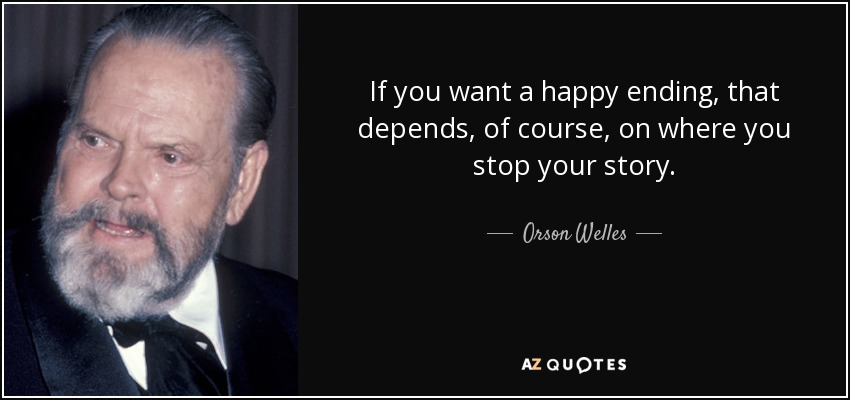
Jane believes she has her happy ending and urges her readers to believe it too, but as Orson Wells once said, “If you want a happy ending, that depends, of course, on where you stop your story.”
I couldn’t let it go.
Jane Eyre leaves too many spaces between the lines. There are countless unanswered questions about Bertha, the first Mrs Rochester’s life and death, her brother, Richard’s role in his sister’s marriage and confinement, and Mr Rochester’s abundant lies and manipulation. On the other hand, what about Jane’s intelligence and fiercely independent nature, would she be content to spend the rest of her life exclusively devoted to an ailing and irritable husband in a remote, manor house?
There was so much that I wanted to explore, and that’s what led me to write The Eyre Hall Trilogy, but I warn you, it is not for any unconditional fans of Mr. Rochester.
Writers in #Autumn #Tanka
Writers in Autumn
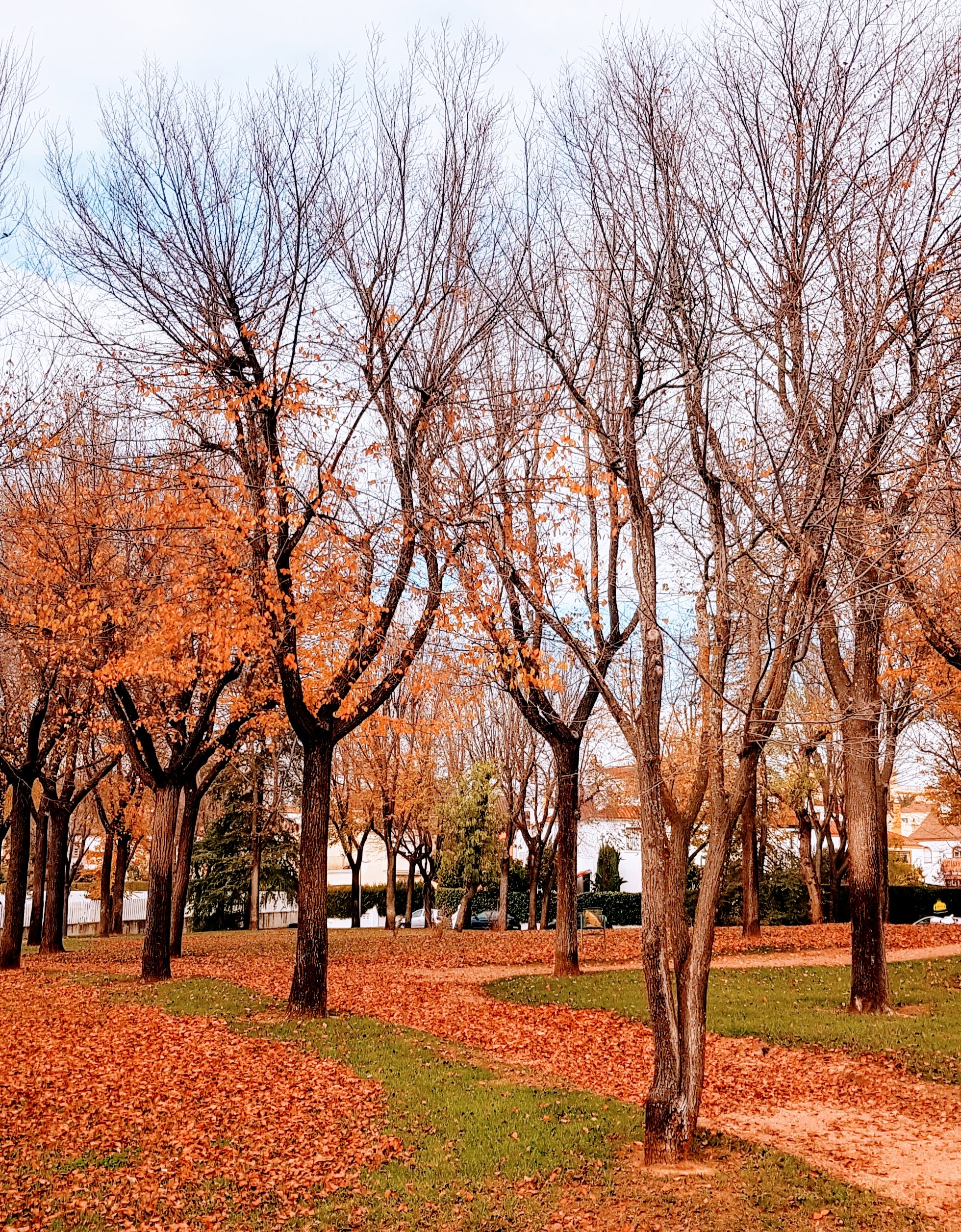
Season of Memories,
Weighing heavy on our hearts,
Bursting to be told,
Minds whirl with inspiration,
Words pour out like aged wine.
****
Welcome back to my blog!
I hope you’ve been coping well with the uncertain and unexpected times we’ve all had to deal with.
Some challenging situations have come my way, as well as the epidemic we’re all coping with, fortunately the storm is ebbing, and there’s a light at the end of the tunnel.
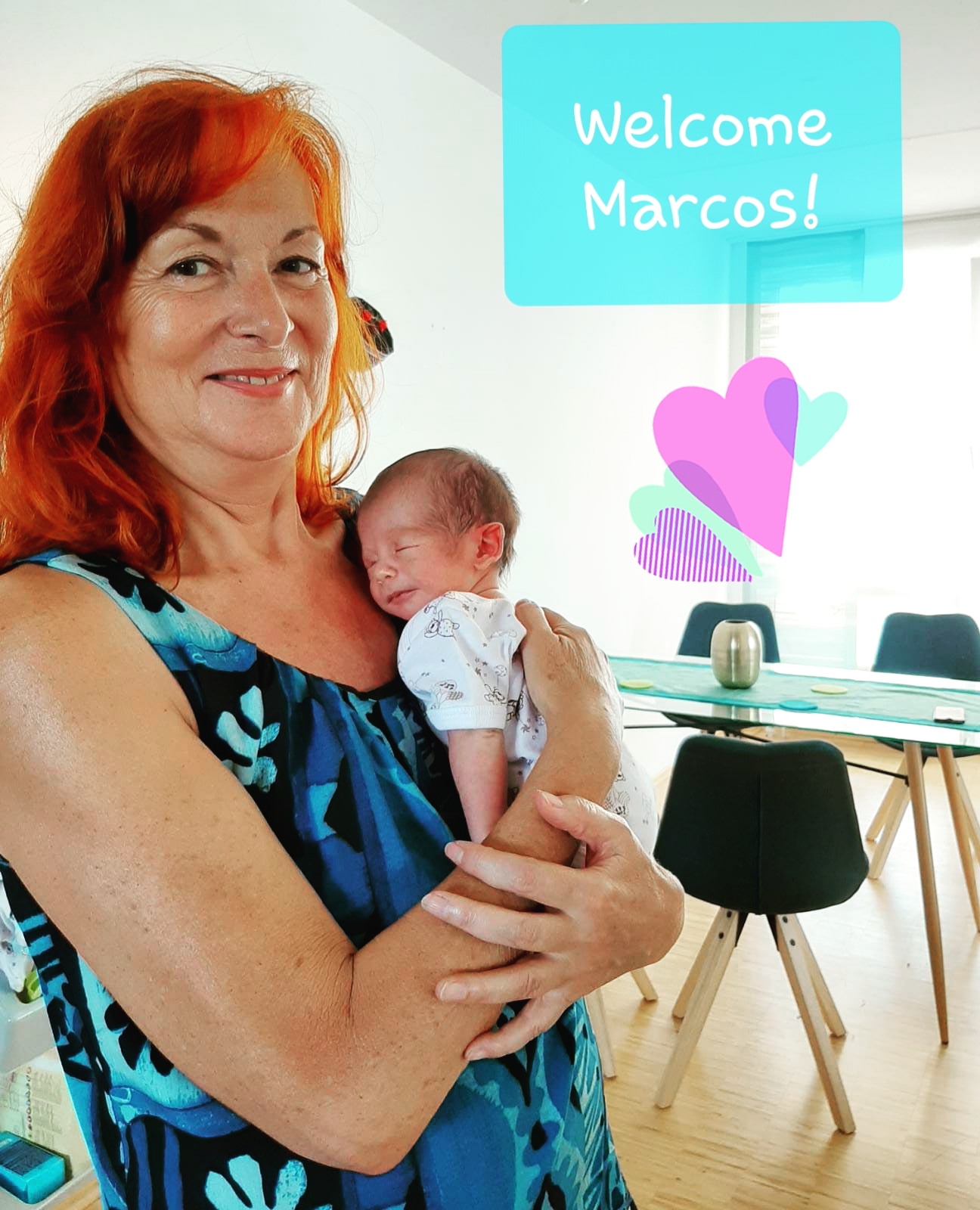
However, not everything which has required my undivided attention has been disheartening, I’ve also had the joy and privilege of meeting my fifth grandchild, Marcos, who is a real blessing for our family.
I always feel a bit nostalgic in September, after the long summer months and change of season, but I also have lots of new projects on the go, which I’ll be sharing with you shortly.
Meanwhile, stay safe and be happy!
 Rereading Jane Eyre