Every week, Sue posts one of her pictures as a prompt for inspiration in whatever form we choose. Use the image to create your own post and link back to Sue’s post.
****
Luccia is writing a haiku a day on this years’ AtoZChallenge. Have look!

****
Luccia is writing a haiku a day on this years’ AtoZChallenge. Have look!


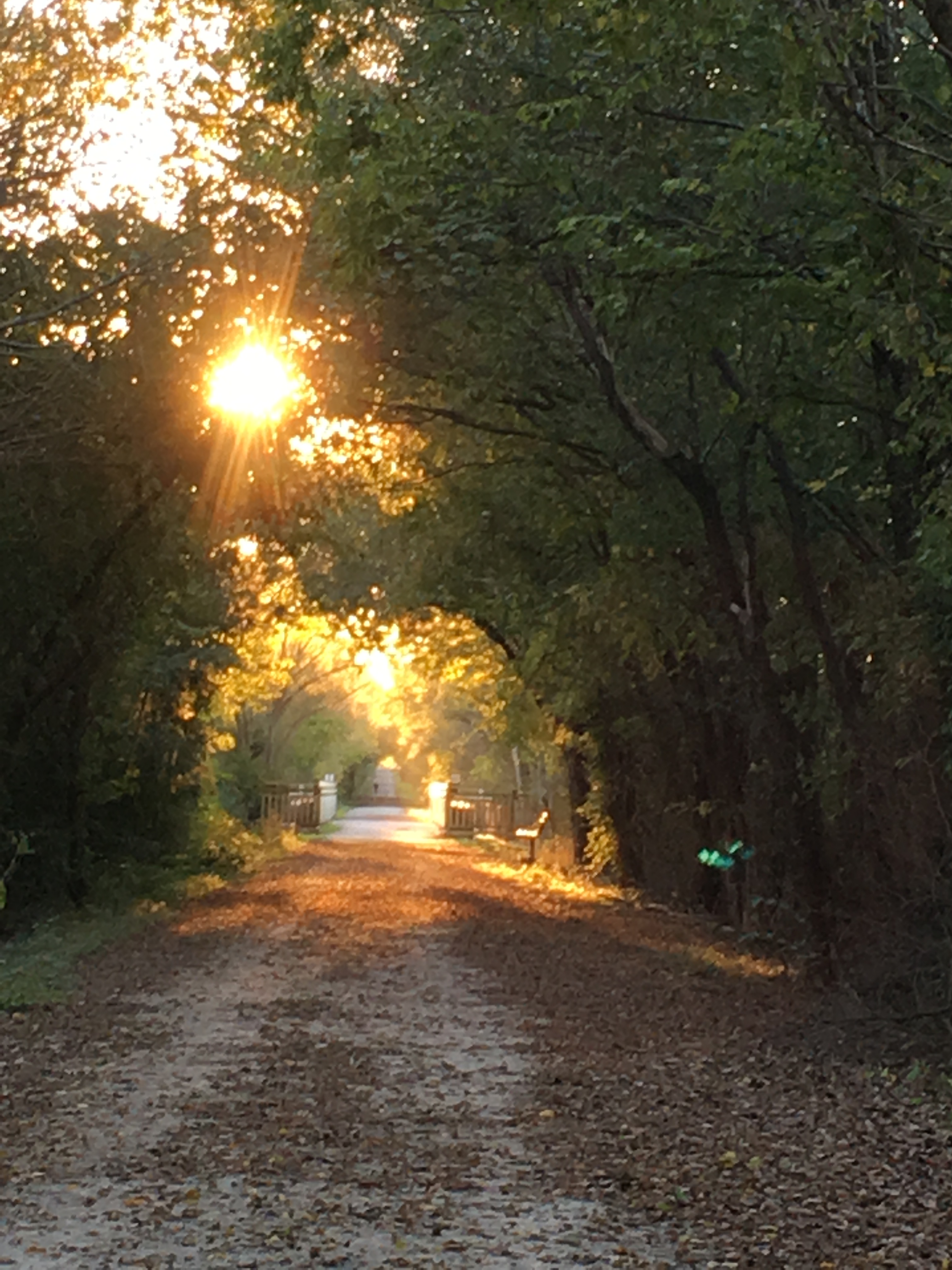
Today I’d like to thank Stephanie Finnell @Randallbychance for this beautiful photo which she took on the Katy Trail State Park in Sedalia, Missouri last autumn.
****
****
****
This year is my fourth AtoZ Challenge. My theme this year is poetry once again. I’ll be writing a haiku a day, but I’m also adding a new hobby to the posts, photography. I will post one of my photos, or a donated photo, every day to accompany my haiku.
This April, I’ll also be sharing my poems and joining another group of poets at National Poetry Writing Month, organised since 2003 by Maureen Thorson. Write 30 poems in 30 days. I’m in! What about you?

This is my first time taking part in 3LineTales on Sonya’s blog, Only 100 Words, but I saw the picture prompt and couldn’t resist.
Pop over and join in if you enjoy reading or writing short / flash fiction using photo prompts (I love it!) You’ll find full guidelines on the TLT page.
****
****
Follow Luccia Gray on Social Media:
It’s Friday, time for another Friday Fictioneers Flash Fiction story.
Kevin has been behaving strangely since he was kidnapped and rescued by Alice and Billy.
Last week, Alice and her mother caught Kevin on a date with another woman. This week he has some explaining to do…
Thanks to Rochelle Wisoff-Fields for hosting the challenge, and Yarnspinnerr for today’s photo prompt, which led me directly to this weeks’ 100-word story.
PHOTO PROMPT © Yarnspinnerr
Follow Luccia Gray on Social Media:

****
Lights
****

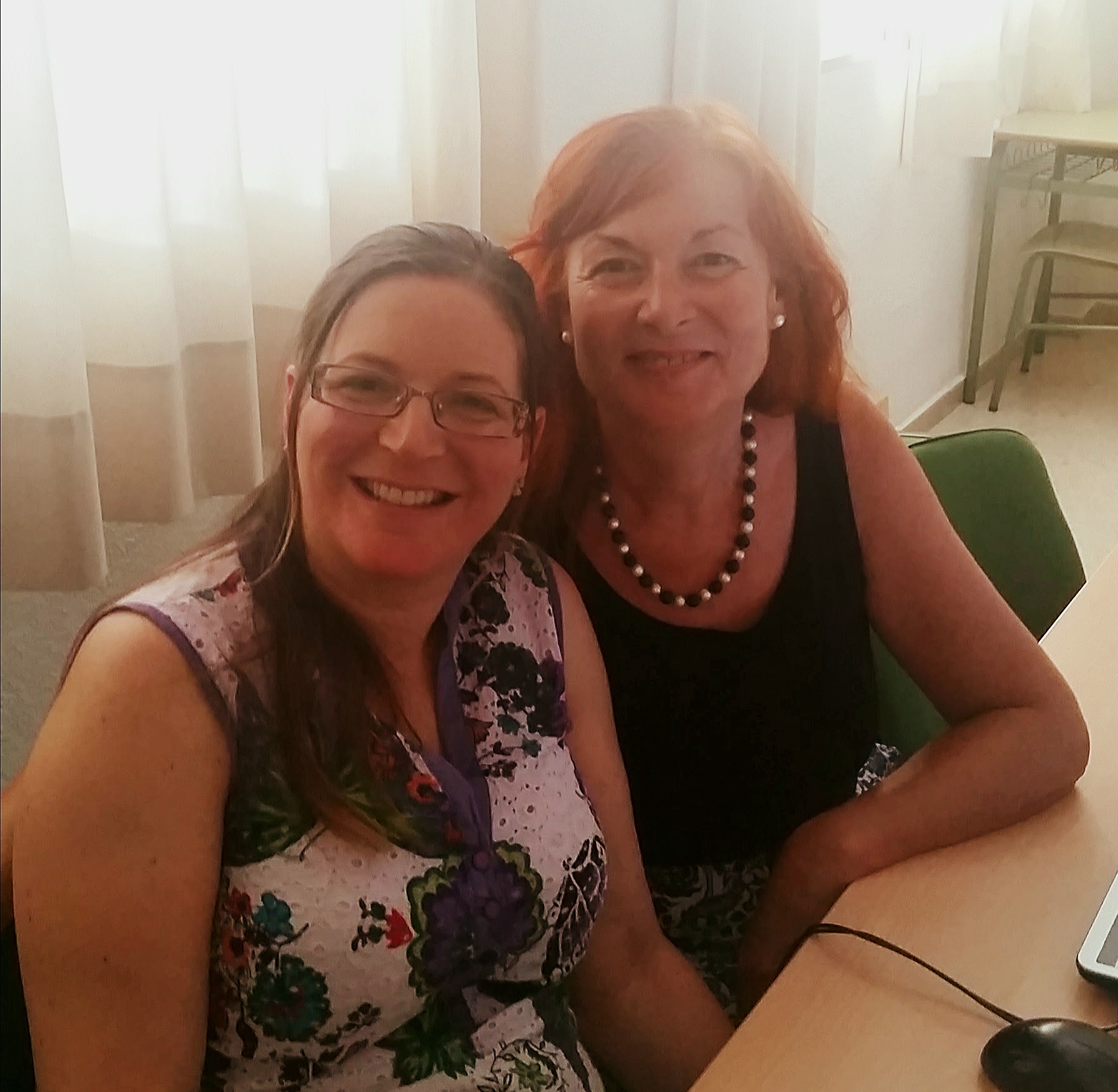
As well as working together as English teachers, Gabriela and I have lots of fun, because one of my grandchildren is the same age as one of her sons, so we often go out with them at weekends.
****
This year is my fourth AtoZ Challenge. My theme this year is poetry once again. I’ll be writing a haiku a day, but I’m also adding a new hobby to the posts, photography. I will post one of my photos, or a donated photo, every day to accompany my haiku.
This April, I’ll also be sharing my poems and joining another group of poets at National Poetry Writing Month, organised since 2003 by Maureen Thorsonn. Write 30 poems in 30 days. I’m in! What about you?


****
****
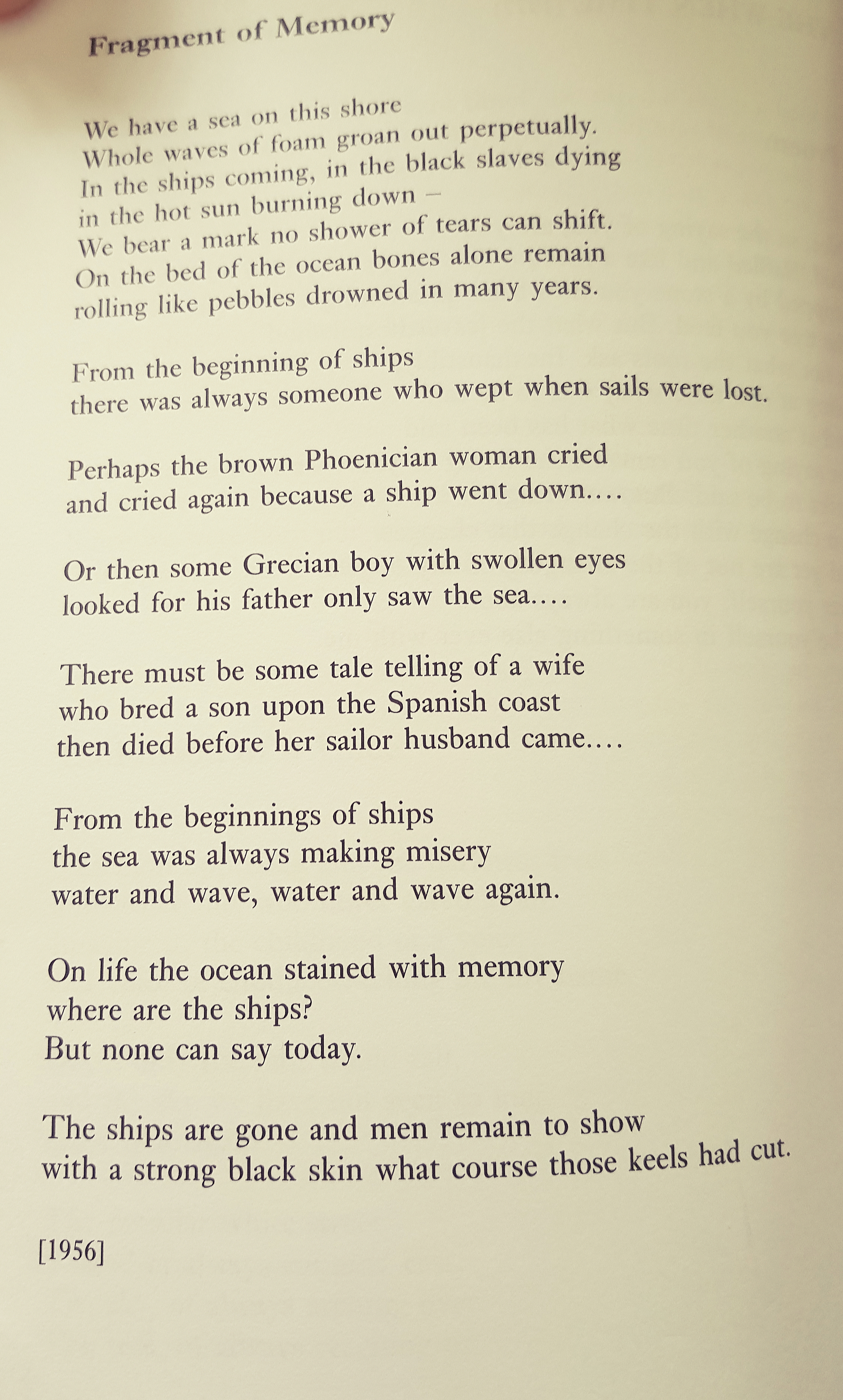
The boat in the picture reminded me of Martin Carter’s poem, Fragment of Memory, from The When Time (1977), so I borrowed part of one of his last lines for my haiku.
More of Martin Carter’s poems here.
****
This year is my fourth AtoZ Challenge. My theme this year is poetry once again. I’ll be writing a haiku a day, but I’m also adding a new hobby to the posts, photography. I will post one of my photos, or a donated photo, every day to accompany my haiku.
This April, I’ll also be sharing my poems and joining another group of poets at National Poetry Writing Month, organised since 2003 by Maureen Thorsonn. Write 30 poems in 30 days. I’m in! What about you?


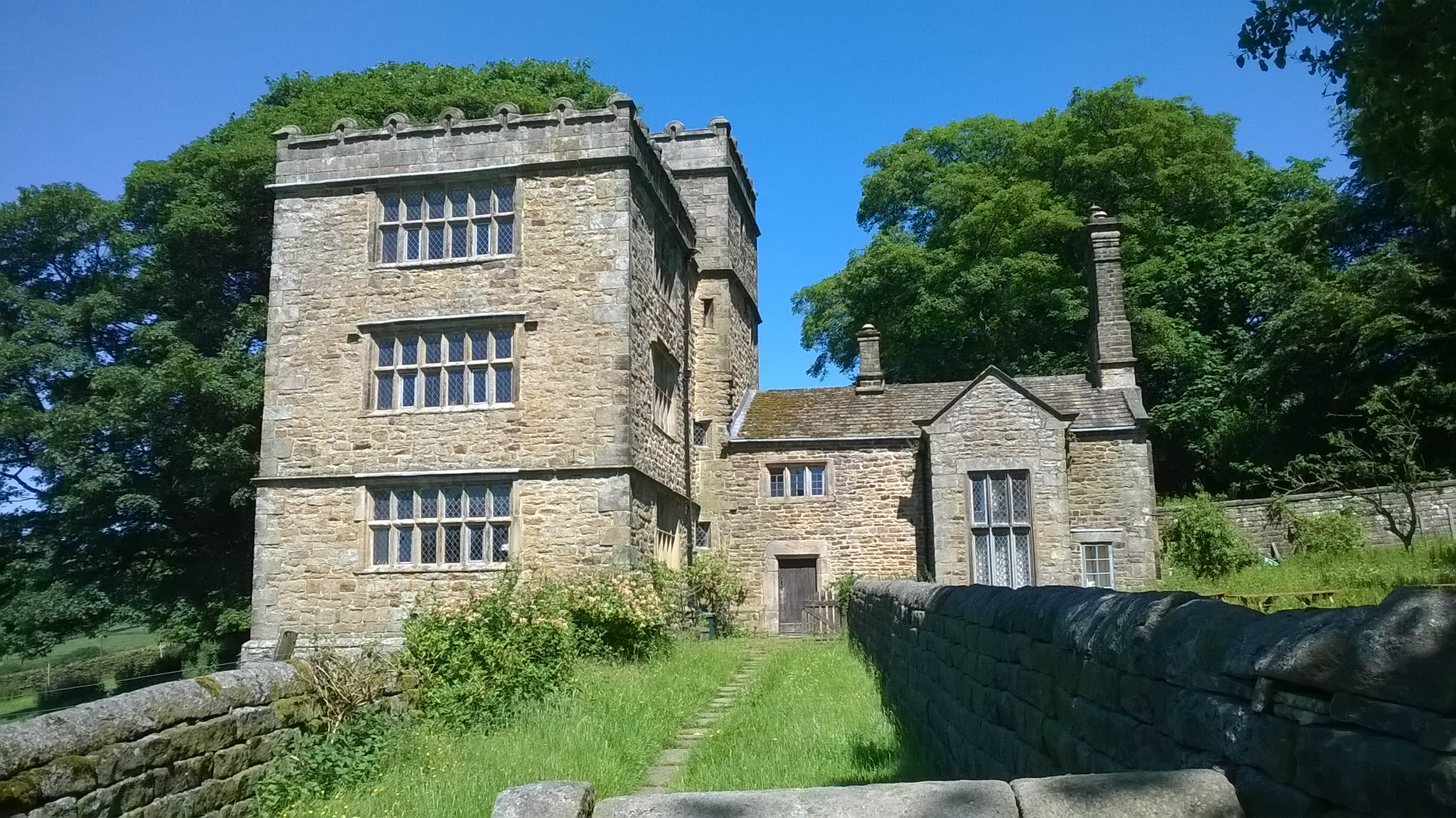
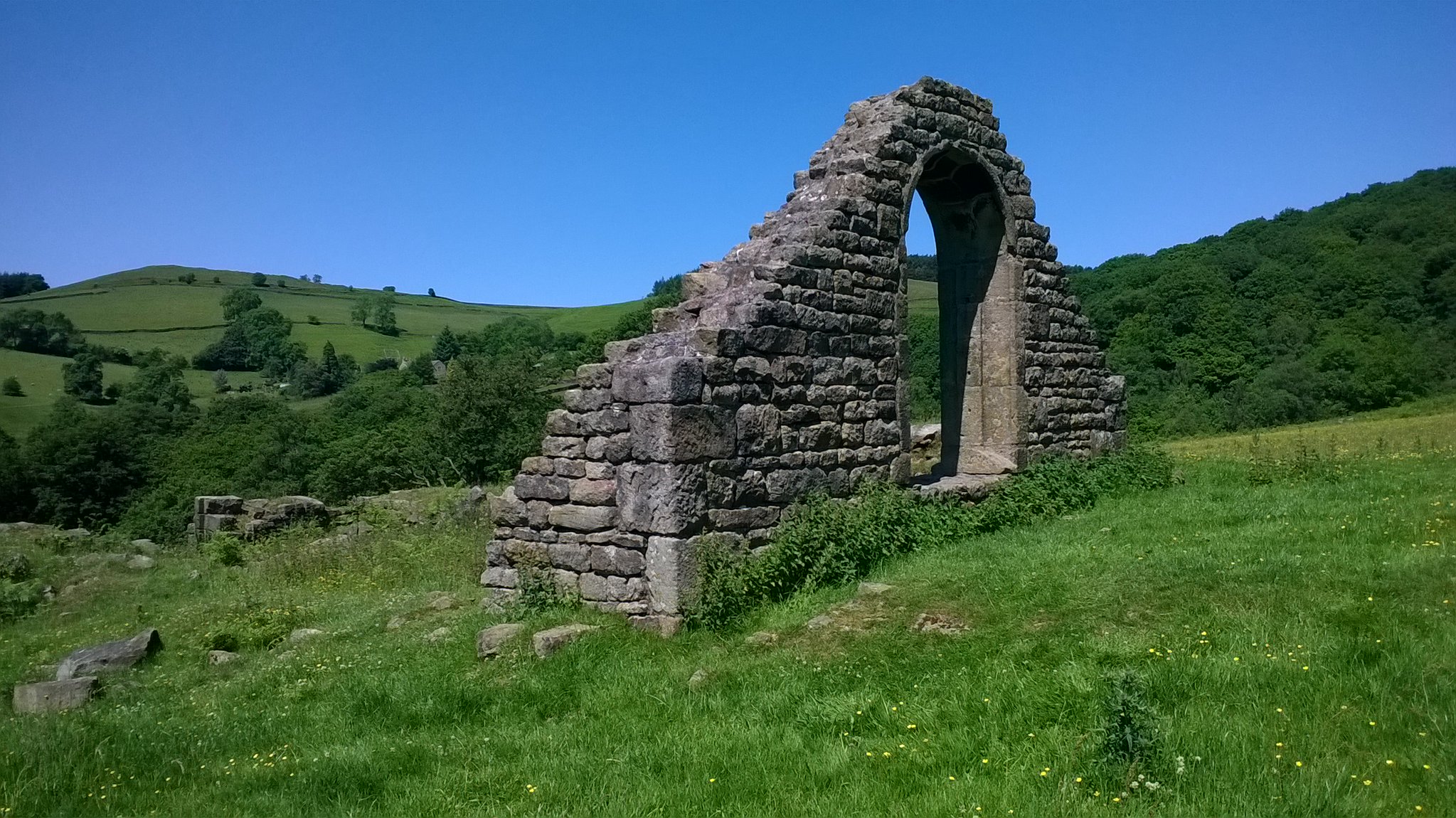
Anne Godwin, who blogs at Annecdotal, took these photos of North Lees Hall, which many believe was Charlotte Bronte’s inspiration for Thornfield Hall, during one of her many walks which she finds conducive to the creative state of mind.
In fact, On Sunday, 17th June 2018, she’ll be leading a guided walk called In the footsteps of Jane Eyre, at the Peak District National Park, more information about the walk here.
An enormous thanks to both Olga and Anne, readers, writers, book bloggers, and supportive participants of many online book blogging and writing communities, for allowing me to include their photos on today’s post, meant as a humble tribute to Jane Eyre, a novel I know both of them also love and admire.
****
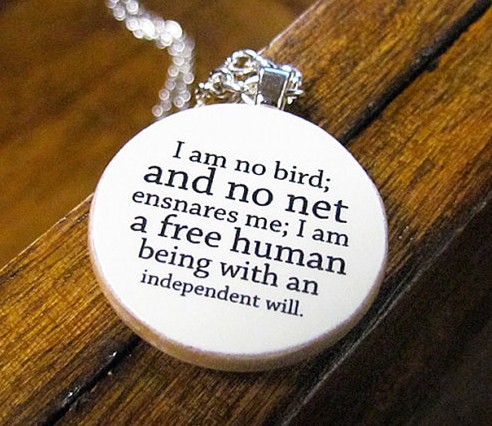
Jane Eyre was an underpiviledged and underfed, Victorian orphan. She didn’t stand a chance of living her own life, and yet she fought for her place in the world, in spite of constant adversity. She was honest, tenacious, loyal, intelligent, hard-working and fiercely determined to be ‘an independent woman’.
I would never have had the inspiration or courage to write The Eyre Hall Trilogy if I hadn’t read Jane Eyre when I was a teenager. I’ve regularly reread it since then.
It took me a long time, but I eventually followed my dreams, too.
Last year’s AtoZ Challenge was All About Jane Eyre, in case you’d like to check it out.
Have you read Jane Eyre? What are your thoughts?
****
This year is my fourth AtoZ Challenge. My theme this year is poetry once again. I’ll be writing a haiku a day, but I’m also adding a new hobby to the posts, photography. I will post one of my photos, or a donated photo, every day to accompany my haiku.
This April, I’ll also be sharing my poems and joining another group of poets at National Poetry Writing Month, organised since 2003 by Maureen Thorson. Write 30 poems in 30 days. I’m in! What about you?

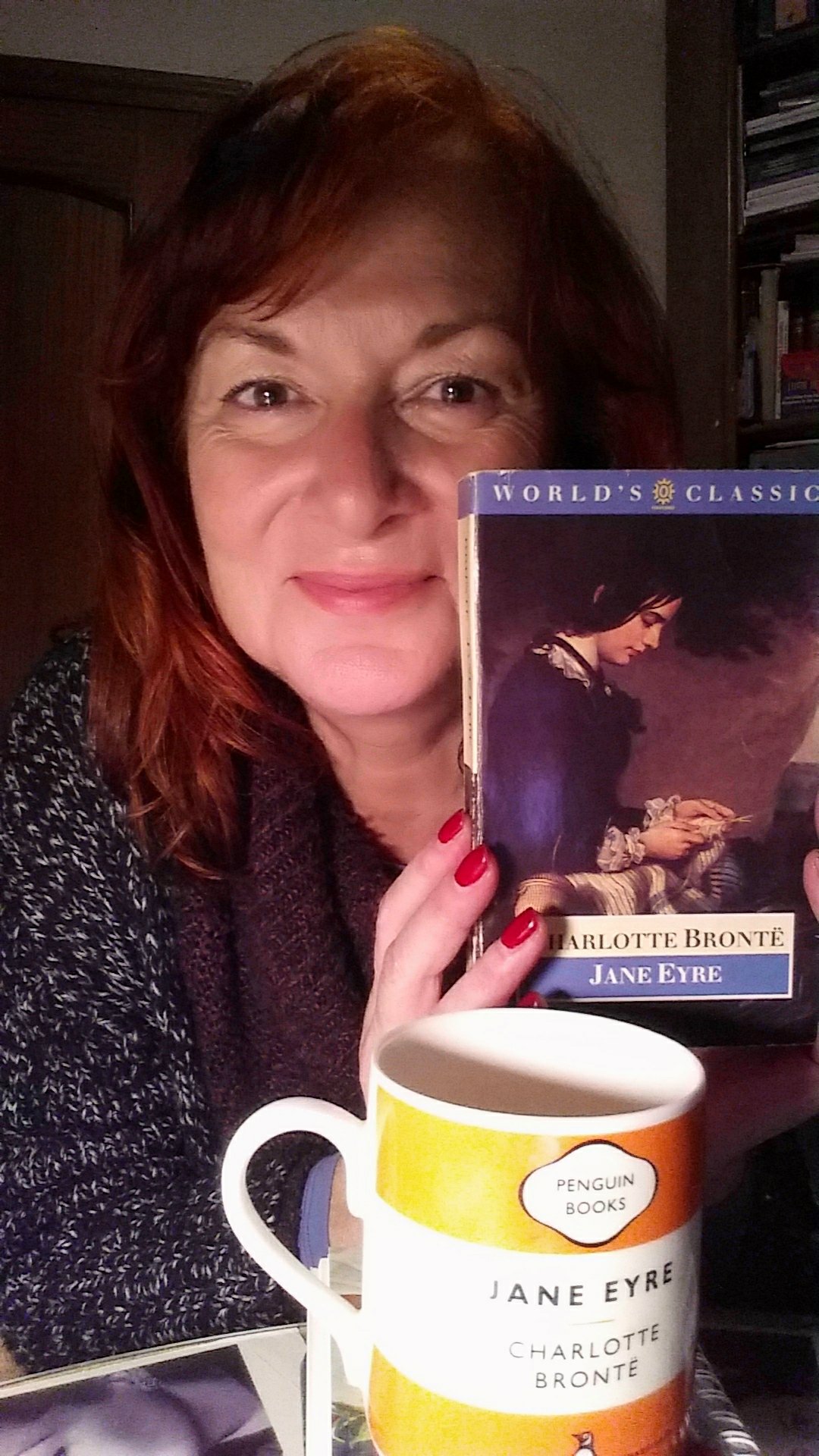
My latest copy of Jane Eyre, the one I’ve been rereading since 1980! And my Jane Eyre cup, a present from my best friend, Anna, who is neither a blogger nor a writer, but who knows? I’m working on it and both are highly contagious!

Writing a poem is slow, painful and cathartic.
Feelings translated into syllables and words are painstakingly wrenched from the soul and poured onto a blank page.
It’s excruciating, disturbing, and always frustrating, but there’s no alternative. It’s the only option for the poet, condemned to pursue that perfect combination of phrases, sounds and emotions, she will never find…
And yet, I feel at peace when a poem is completed. I feel cleansed, untroubled, and hopeful, because the perfect poem is closer…
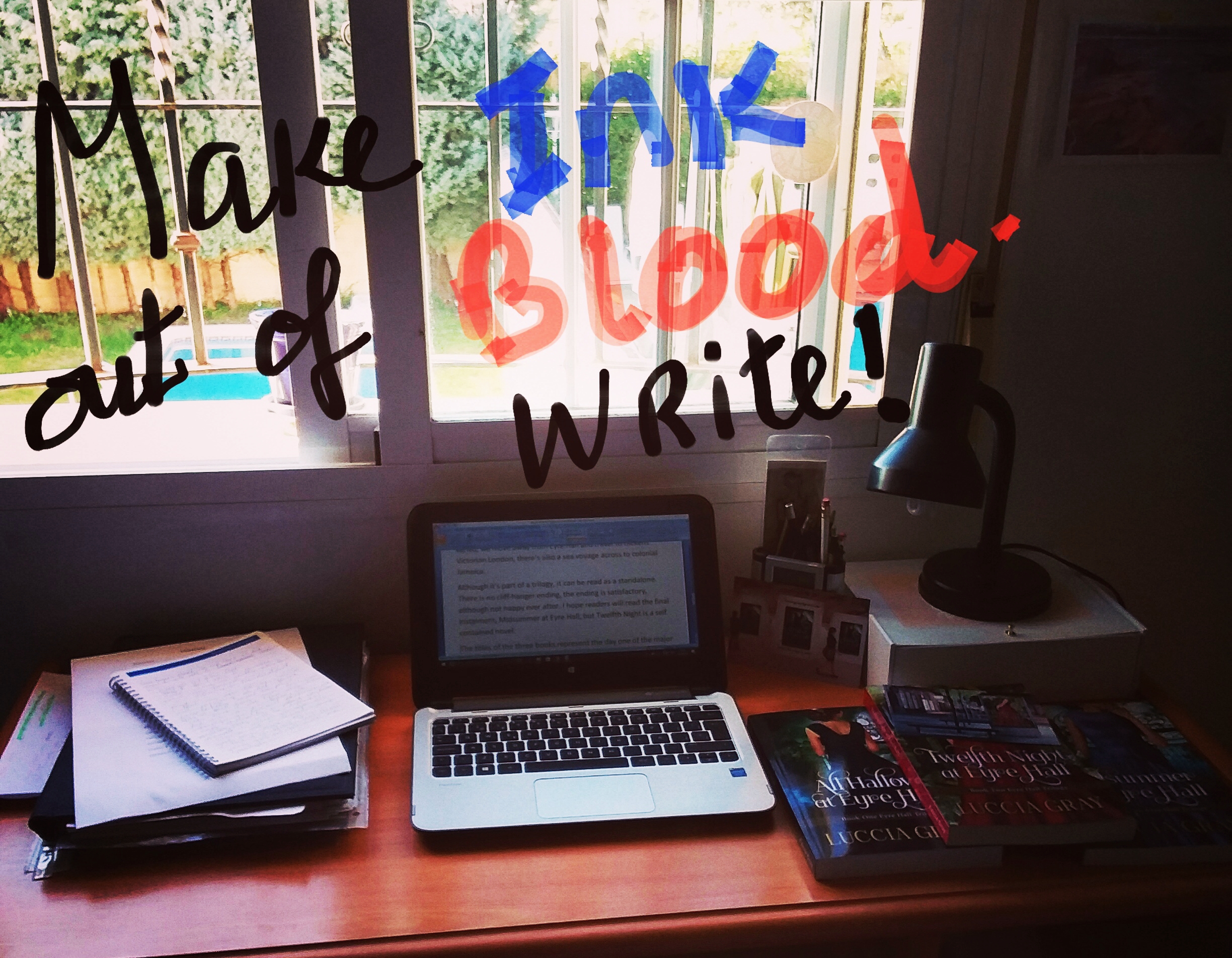
I wrote a piece of flash fiction Called Ink and Blood recently, which you might like to read, based on this same idea.
How do you feel while and after you’ve written a poem?
****
This year is my fourth AtoZ Challenge. My theme this year is poetry once again. I’ll be writing a haiku a day, but I’m also adding a new hobby to the posts, photography. I will post one of my photos, or a donated photo, every day to accompany my haiku.
This April, I’ll also be sharing my poems and joining another group of poets at National Poetry Writing Month, organised since 2003 by Maureen Thorsonn. Write 30 poems in 30 days. I’m in! What about you?

Writing is often a solitary endeavour, so supportive writing communities, like the Rough Writers at Carrot Ranch, led by Charli Mills, are invaluable to authors.
They’re a safe place where we can express our creativity, receive and offer feedback, and feel we belong to a greater worldwide community we would never be able to reach on our own.
Rough Writers are an encouraging and friendly group who often comment on each other’s flash fiction. There are usually lively discussions on the weekly prompt day and the round-up, as well as comments on each other’s posts.
My first contribution to the Carrot Ranch Flash Fiction Challenge was in February 2015. It’s been a great pleasure to have contributed with almost fifty stories over the past three years and to have read hundreds of other stories. I’m always amazed at how many different approaches the rough writers come up with to the same topic!
The first flash fiction anthology from Charli’s Rough Writers over at The Carrot Ranch was published in February, 2018. I am honored to have been part of that anthology, which was made possible by the participation of over thirty regular contributors to Carrot Ranch’s weekly Challenge, as well as Charli’s enthusiasm as group leader.
A very special mention and thanks to Sarah Brentyn, the fabulous editor of the volume, who made sure all our contributions were perfect (she certainly helped me make the most of mine! Thank you Sarah).
The Congress of the Rough Writers Flash Fiction Anthology Vol. 1 is available for distribution in 17 countries worldwide.
It’s available now in print and e-book versions: preferably via book baby; and also on Amazon US, Amazon UK
****
I’d like to share with you the one most important lesson I’ve learnt from writing Flash Fiction:
The more I unclutter and draw my readers straight into the story, the higher the chances they’ll keep reading.
Contemporary readers are both busy and impatient, and their attention spans are shorter, because they’re more used to multitasking and online reading. I know this because I’m also a contemporary reader and I interact with many others! A great deal has been written about this, for example this article in the Guardian, Ebooks are changing the way we read, and the way novelists write.
Writing flash fiction (and poetry, but that’s for another post!) have both increased my confidence as a writer by:
Whatever I’m writing, be it a poem, a flash or a novel, the first draft is all about finding and creating my story, so I write to my heart’s content, the more words and information the better, because at this point, I’m telling the story to myself.
It’s later, with the subsequent edits, when I start thinking of my readers, that I edit consciously and viciously. I ditch or combine scenes, shorten paragraphs and chapters, tighten sentences and ultimately, cut out words, or rephrase to clarify and get to the point.
In flash fiction, for example, a lot of the first draft will be brainstorming ideas, scenes, whole sentences, ignoring the word count.
Once I’ve completed my first draft, I start again and ask myself these questions about every single word:
· Does the word move the story on?
· Does the word tell the reader something essential?
· If I read the text without the word does the sentence still convey my intended meaning?
· Can I include the idea behind the word in another shorter way, for example with another expression or a different verb?
· Is there a more direct and clearer way of writing a sentence?
· Am I satisfied that each word conveys my intended meaning? There’s always a perfect word and I need to find it. I still have my original Roget’s Thesaurus, which I bought in 1980 on my desk, plus all the online tools available to activate all the vocabulary my brainpower can recall.
· Finally, I prioritize. I may need all the words, but I have a word limit. I must decide which words, or groups of words, even whole lines, are more essential than others to convey my meaning.
This is why it takes me less than thirty minutes to write the first draft of a flash or poem and several hours, often days, to come up with the final version.
With a novel it takes me about three months to write a first draft and at least six more for the subsequent drafts and edits.
****
Before concluding, I’d like to indulge in a short trip down memory lane and include my first contribution to the Carrot Ranch 99-word Challenge.
Here are my other contributions to Carrot Ranch’s Weekly Flash Fiction Challenge
Here’s a previous post I wrote about how flash fiction has improved my writing.

****
You might enjoy visiting these other Rough Writers who have taken part in the book launch and tell us about how flash fiction has influenced their writing.
****

****
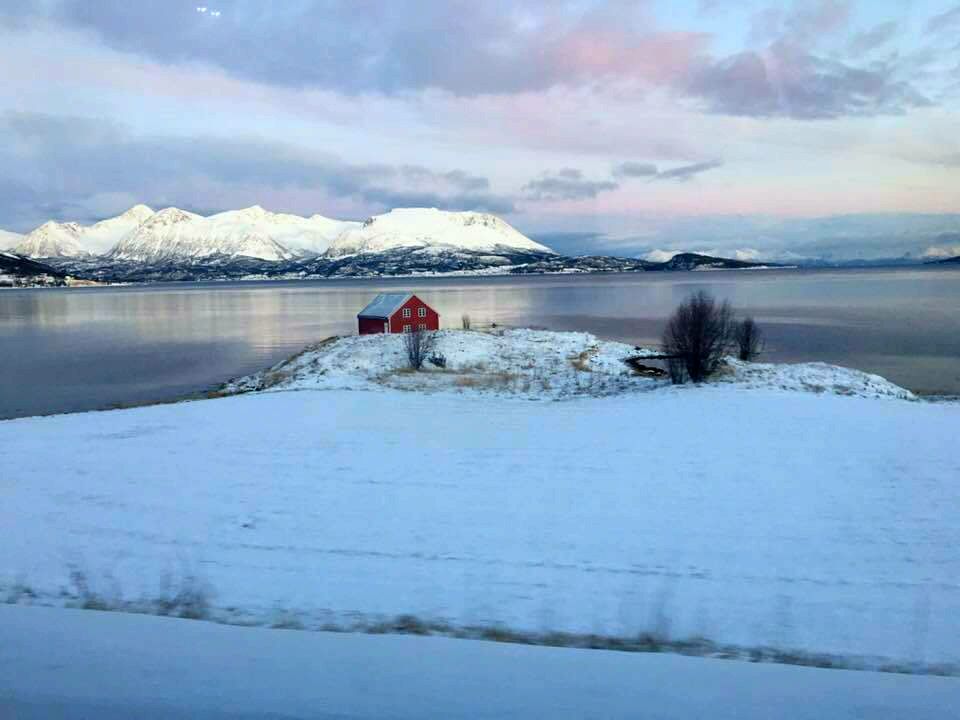
This photograph was taken by my friend and colleague Thor Walum, retired English teacher and lover of Spain and photography, who lives in a beautiful, tiny island in the north of Norway, which I was lucky enough to visit some years ago.
The light and colours I saw in Norway, were spectacular. I’ve never seen such fabulous colours anywhere else I’ve visited.
Thor took this photo at the end of November, during the dark months, when there are only a few hours of partial daylight, from the bus on his way into town on the island of Hinnøya. It used to be an old sea house, used by fishermen, but it has been refurbished recently, preserving its original shape of a hundred years ago.
This is the same view, earlier in the year, with more daylight and less snow!
You can check out some more of Thor’s fabulous photos here on Facebook,
****
This year is my fourth AtoZ Challenge. My theme this year is poetry once again. I’ll be writing a haiku a day, but I’m also adding a new hobby to the posts, photography. I will post one of my photos, or a donated photo, every day to accompany my haiku.
This April, I’ll also be sharing my poems and joining another group of poets at National Poetry Writing Month, organised since 2003 by Maureen Thorsonn. Write 30 poems in 30 days. I’m in! What about you?