Word limit: 150 word story (10-word leeway) based on the photo prompt below and Dragon’s required bidding: ‘patience’.
Nuclear Winter Recon. CC photo by Paul Hocksenar.
I’m not very good at apocalyptic fiction, but I’ve given it a try, adding some fantasy elements to lighten the load. What do you think? Does it work?
The Snow Age. 2094.
Princess Stella was born with golden hair, and the sun in her amber eyes. In fact, the sun had shone relentlessly every 27th of June since 2064. Considering it a lucky omen, the King and Queen threw legendary parties annually for all the children, in the city square, to mark the anniversary.
At midnight all the lights were turned off for the firework display. The little girl must have fallen into the fountain, or perhaps she was pushed in by a jealous guest. Later, they discovered her body floating in the water.
The Queen yelled. The sun shut down. Within minutes, the square was covered with heavy snow, and all the children turned into ice statues. The emergency services, who had been warned of an approaching ice-age, supplied protective clothing, and weapons.
Nobody knew how long the snow age would last. When they asked, the Queen replied, ‘Patience, the snow will melt when Stella returns.’
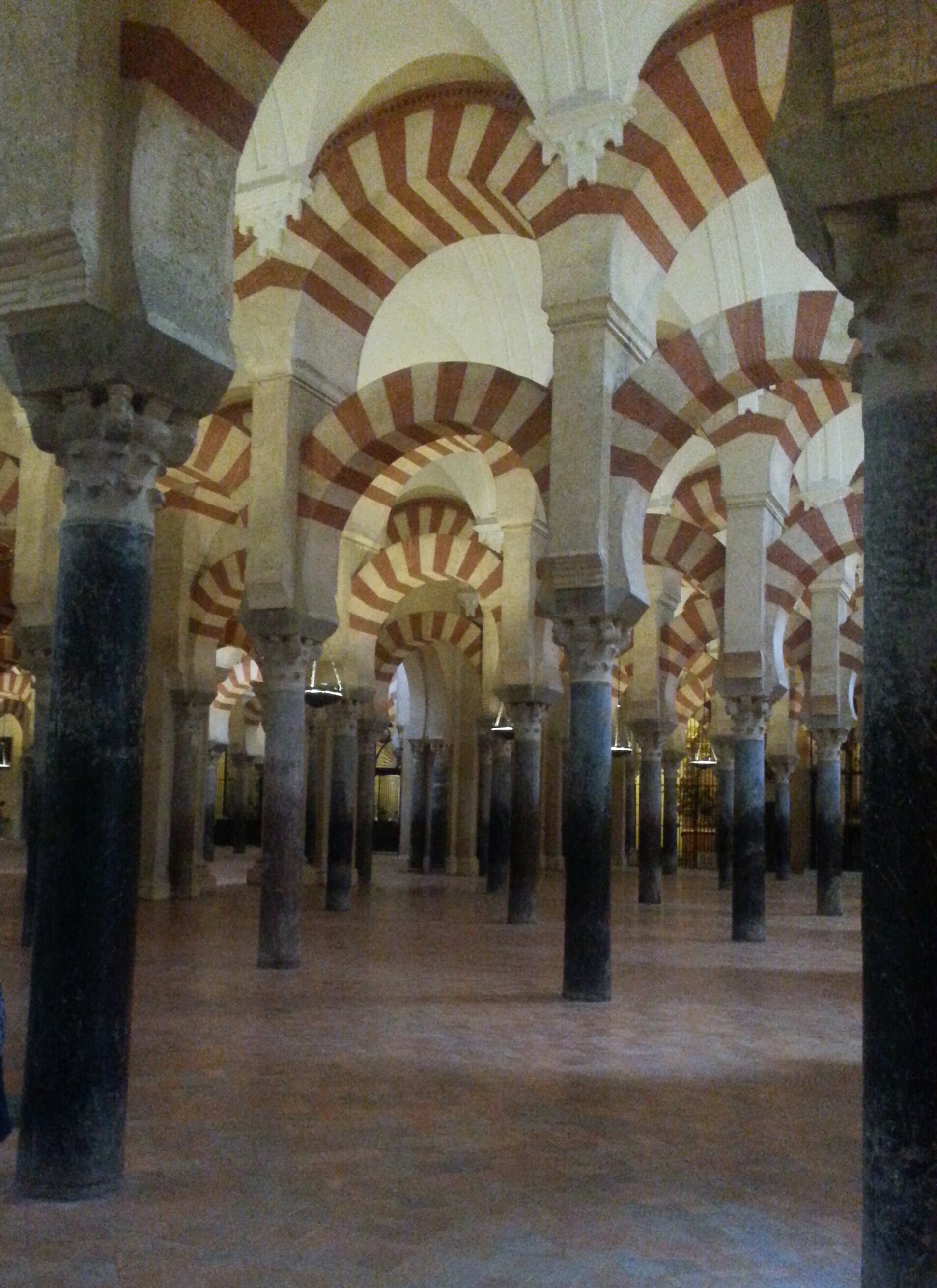
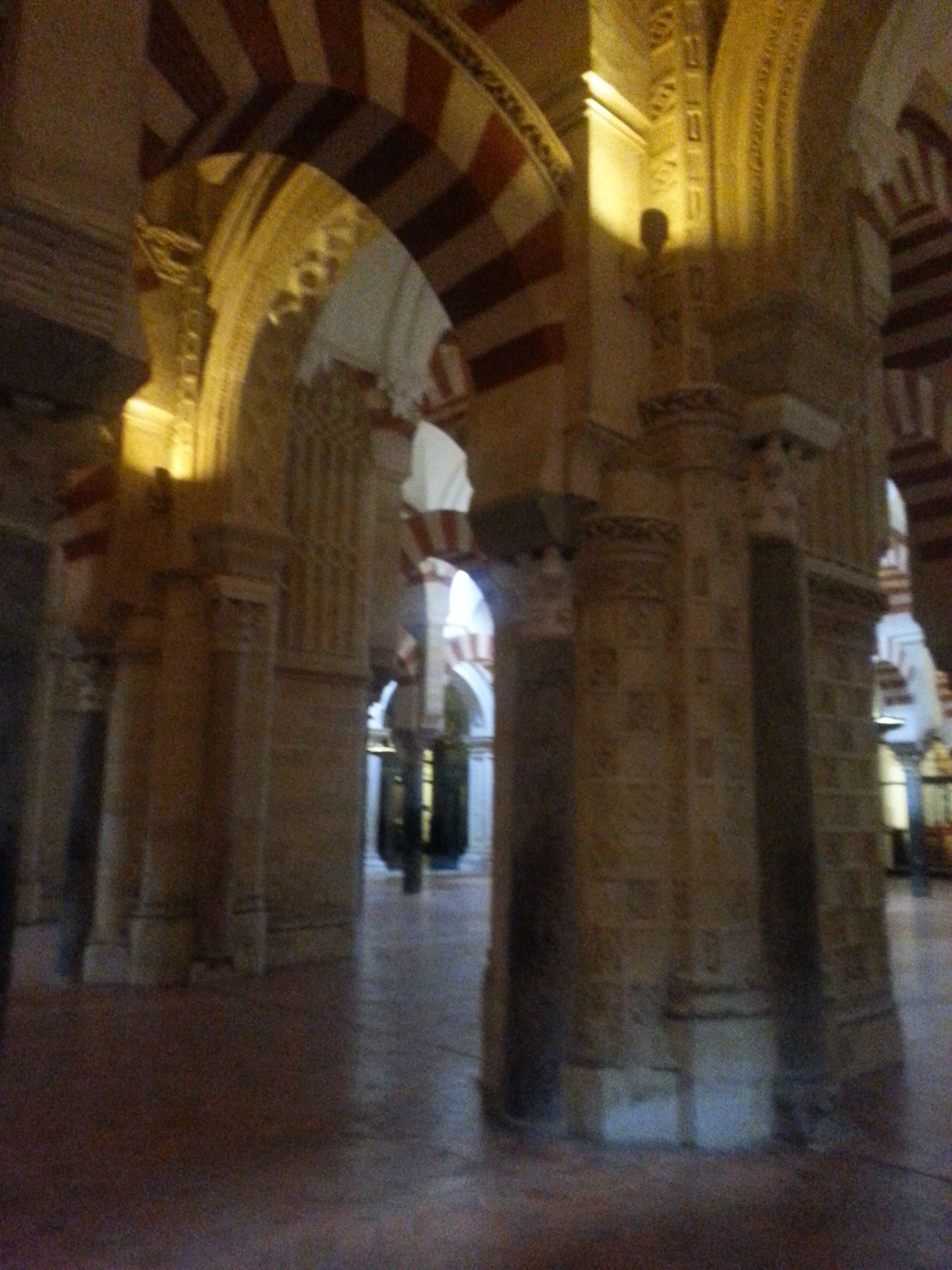
The previous MIT chapel is beautiful in its contemporary simplicity. On the other hand, there are ancient places which fill your senses with calm, and love, and peace, like the Mosque in Cordoba.
I’m fortunate enough to walk past it every day on my way to work. Sometimes I pop inside. just for a few minutes, to remind myself how ‘small’ I am compared to over two thousand years of history and culture represented in this magnificent building, and how lucky I am to be able to observe its beauty.
I took this picture a few days ago, at 9 o’clock, when there were not many tourists yet.
The Spanish city of Córdoba was founded by the Romans in the first century BC, and called Corduba. There was a Roman Temple in honour of the Roman God Janus after whom the Romans named the month of January.
After the Romans, the Christian Visigoths who invaded the city built the basilica of Saint Vincent in the 5th Century AD.
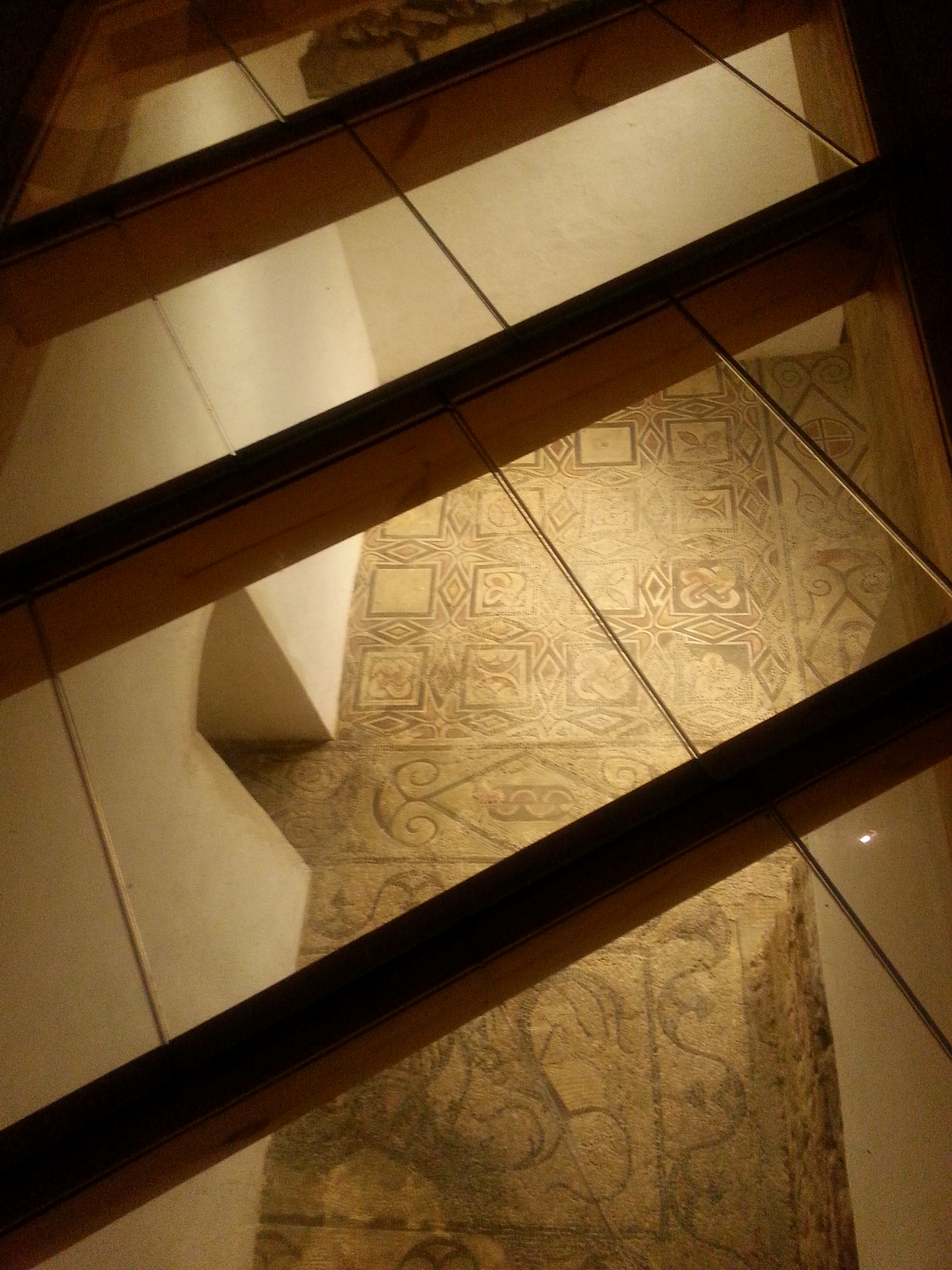
Inside the Mosque we can see the remains of this Christian Temple.
In the eighth century, after the Islamic conquest of the Visigothic city, the Mosque was built on the site of the Christian temple.
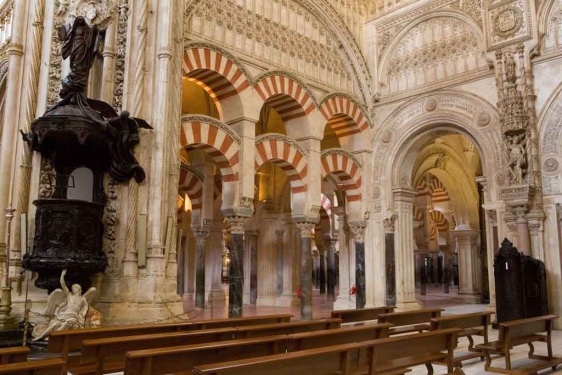
in the thirteenth century, Cordoba was reconquered by the Christians from the north of Spain, and added many Christian chapels and images within the Mosque, as can be seen in the picture I took recently.
Finally, in the 16th century, a Catholic Cathedral was built inside.
I love the combination of religions, art, and history enclosed in this building which merges so beautifully and effortlessly.
I’m fascinated by how the Roman pillars, medieval Arabic arches, and Renaissance and Christian features blend so easily and beautifully.
Art and architecture is good at being inclusive. It seems humans have more issues, unfortunately.
I came across this beautiful picture of the chapel at the MIT, on Photo Friday. I love ancient religious buildings because they enclose an unequal aura, but today, I’d like to share this radically different type of chapel, which is inspirational in its simplicity.
Today’s Prompt: Today is a free writing day. Write at least four-hundred words, and once you start typing, don’t stop. No self-editing, no trash-talking, and no second guessing: just go. Bonus points if you tackle an idea you’ve been playing with but think is too silly to post about.
URGENT VERSUS IMPORTANT.
Blogging is like everything else we do in life; we get back what we put in.
Sounds simple, but it’s a very complex notion.
We live very ‘fast’ lives. Everything is needed ‘ten minutes ago’. We rush through the ‘urgent’ daily chores which we must inevitably do, quickly, but we forget that although urgent things can and should be done quickly, important things take time.
We can whip up a sandwich in seconds, but roast lamb with baked potatoes and fresh greens will take much longer. We can drink ten shots and feel sparked in minutes, but some bottles of wine drunk over a long, meal with friends, will make us merry for hours. We can send a text message in seconds, but when we ‘need to talk’, we need more time.
Sometimes a sandwich, some shots, and a text, are all we need, and that’s fine, but other times we need much more than that. Our wisdom lies in distinguishing what’s important from what’s urgent, and approaching each aspect accordingly.
So, where does blogging fit in? What’s blogging to you? Is it something you do for a few minutes a day? A week? Occasionally?
When I started blogging more or less regularly last November, I thought a post a week was more than enough to keep a blog going. I was wrong, but you’ve got to start somewhere, and it was a start. So I had about 9 followers from November 2013 to April 2014.
When I started blogging I thought I didn’t need to read anyone else’s blogs: I want people to read my blog, that’s why I’m blogging. I was wrong again. Blogging is like any other type of writing; you need to read first, during and after, if you want to write well.
Blogging is a ‘social media’, that means you need to be sociable. it’s not a one-way street in which you communicate and others listen. it needs to be reciprocal and friendly.
Sure, I used to read blogs occasionally, for specific information, but I didn’t follow many, I didn’t want my mail cluttered, did I? So I hardly read any blogs regularly, except a few fellow writers. Wrong again. Who’s going to read your blog regularly if you don’t read anyone else’s?
In the last two months, since I started being an ‘active’ blogger, I’ve gained almost 80 new followers.
If you want to be an ‘active’ blogger, I suggest you:
Read other blogs
Follow other blogs
Interact with other blogs by commenting on other blogs
Always reply to comments on your blogs,
Log in every day to see what the people you follow are doing, (preferably download the app on your smartphone and get instant updates)
Interact with other bloggers regularly by taking part in challenges, (thanks for Writing 101! It’s been a real eye-oponer)
Make sure your blog looks nice, you need plenty of visuals
Spend time looking through tutorials, and playing around with the layout, menus, widgets, etc.
Write regularly, at least 3-4 times a week (preferably every day)
Don’t be shy. Meet people and make friends, as in life, people aren’t going to talk to you if you ignore them, or if you only talk about yourself, are they?
Write about whatever you like, but preferably, be varied. No-one likes talking to someone who only talks about the same thing all the time, do they? It doesn’t matter what you talk about, as long as you are honest with your feelings, posts and comments.
Be polite, even when some people aren’t (and that happens so rarely, it’s hardly worth even mentioning. I come across more rude people in the ‘real’ world in one day than in the last eight months blogging!)
Remember, blogs aren’t urgent, they’re important.
As with all important things in life, blogs need your time, and care, and love, and affection.
What do you get back? Personal enrichment through a connection with people on this planet you would never dream of meeting otherwise…
Happy blogging!
Would you like to read some other posts on Day 19?
I am very honoured and surprised that such an influential blogger as Ronovan should nominate me for the Most Influential Blogger Award! Check out his blog! You’ll find reflections on life, short stories, poems, and much more to inspire you to think and write…
Here are the guidelines for acceptance.
To accept this award, the awardees must do the following:
1. Display the Award on your Blog.
2. Announce your win with a blog post and thank the Blogger who awarded you.
3. Present 10 deserving Bloggers with the Award.
4. Link your awardees in the post and let them know of their being awarded with a comment (or a pingback).
5. Include an embedded video of your current favorite song(YouTube has almost everything, just copy and paste the link into your WordPress editor). If a video is not possible you can embed a SoundCloud track.
My Favourite Song(s)
First I’d like to include my favourite song at the moment, ‘Happy’, because it makes me feel ‘like a room without a roof’. I often forget that I can be my own worst enemy by defining my limits and being my most ferocious critic. I need to break free creatively, and this song reminds me that there are no limits: if I can imagine it happening, it can happen…
I know it’s only one song, but I’m not very good at following rules, I’m afraid!
The second song is ‘Slow’ by a great young artist, Rumer. I love this song. When I’m stuck for inspiration, I close my eyes and listen (sometimes I sing, too!), sometimes it works, other times, I’m still lost for words, but at least I feel better, at ease with myself, which is often all I need…
I’d like to nominate the following inspirational blogs, please check them out!
As this is the second Award I’m offering this month to Inspiring Blogs, and as it’s limited to 10, I haven’t included bloggers I’ve nominated earlier this month, although you know you all deserve it!
I’m not sure that all the nominees like receiving Awards. I hope you can accept, but if you can’t accept, that’s fine. I just want you to know you are inspiring!
Twist one: Reflect on the theme of ‘Lost and found’.
Twist two: Address one of your worst fears. Write this post in a style that’s different from your own.
I’m combining both assignments today, by writing about both loss and fear, partly in my own voice, and partly in another voice.
Elephant Graveyard
The most terrible loss is losing oneself. Looking into a mirror and seeing someone else stare back, someone who we don’t know; someone who has grown distant, and absent, and can’t remember his name, or recognize his own voice.
We first realized there was something wrong when he couldn’t find his way out of a room or into the bathroom. It was as if he couldn’t see the door, or turn around, but he could see, and he could move, only the door was meaningless to him. He had forgotten doors are entrances and exits. His world had become one long, one-way tunnel, in which each step taken disappeared behind him, never to be retrieved.
Then his character and his behavior changed, he started confusing words, and places, and names, and people, until he slowly drifted away from everything he had known, including himself…
My father died as a result of frontotemporal dementia, and so did two of my aunts. It could be one of the cards I’ll be dealt. My frightened fingers tremble as I admit it’s my greatest fear. There’s no cure, at the moment, and it’s painfully invalidating. It could be equally burdening for those who love me, and I wouldn’t like to be a burden. I wouldn’t like to forget my children, or my grandchildren, but worst of all, I wouldn’t like to forget myself.
Today we have been told to speak in another voice. That’s a relief, of sorts, I can’t even bear to think of myself without myself, inside a body that is not mine, living with people I do not know…
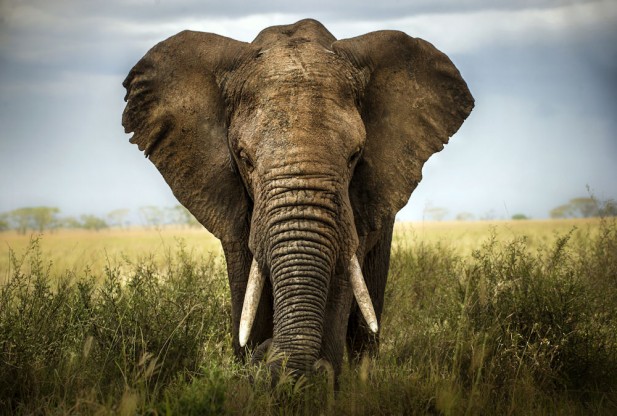
My voice today, is the voice of a man who believes he is an elephant, an elephant who has left his herd and is on his way to the legendary graveyard where aged and dying elephants, like him, retreat to die. They say there is a supernatural force which leads them there, but it has never been found, which does not mean it does not exist.
‘I knew I’d become an elephant one day. Other animals don’t understand elephants. It’s lonely being an elephant surrounded by these other, strange creatures. They trapped me on my way to the sacred place, but they can’t stop me. I’ll get there in the end.
I’ve taken a special dislike to zebras. They stare at me and prod me with painful instruments, and make squealing noises. I don’t like their stripes or their long manes and bushy tails. I’m stronger than they are, but I’m alone, and although they’re weaker, there are so many of them that they’ve got braver. They’ve tied me to the bed, but I’ll be breaking free soon.
Occasionally lions come into my room and roar at me, but I know that lions wouldn’t dare attack an adult elephant, like me. I can make a long, hollow sound by blowing my trumpet, which frightens them away.
Sometimes monkeys drop by. They sit on a chair and stare most of the time. Sometimes they chatter and screech, not at me, of course, they do that amongst themselves.
I can see my long curved ivory tusks reflected in the window by my bed, they are what makes us special. They will save the earth when we are gone.
My comrades are calling me, and I have to join them in our secret place where the rest of the herd and the other animals will never find us.
My voyage continues tonight. I’ll break away from my chains and fly through the window, towards the desert once more, and rest in the Sacred Place, where all elephants go when they no longer belong…’
The prompt: Between. This week, capture something between two things, reflect on the process of transition, or interpret this word in your own way.
Most streets in the city where I live have trees lining the pavements.
I’m sure it’s wonderful for the passers by. They are shady, and pretty, and they provide oxygen, and clean the air. Read about the 22 top benefits of trees.
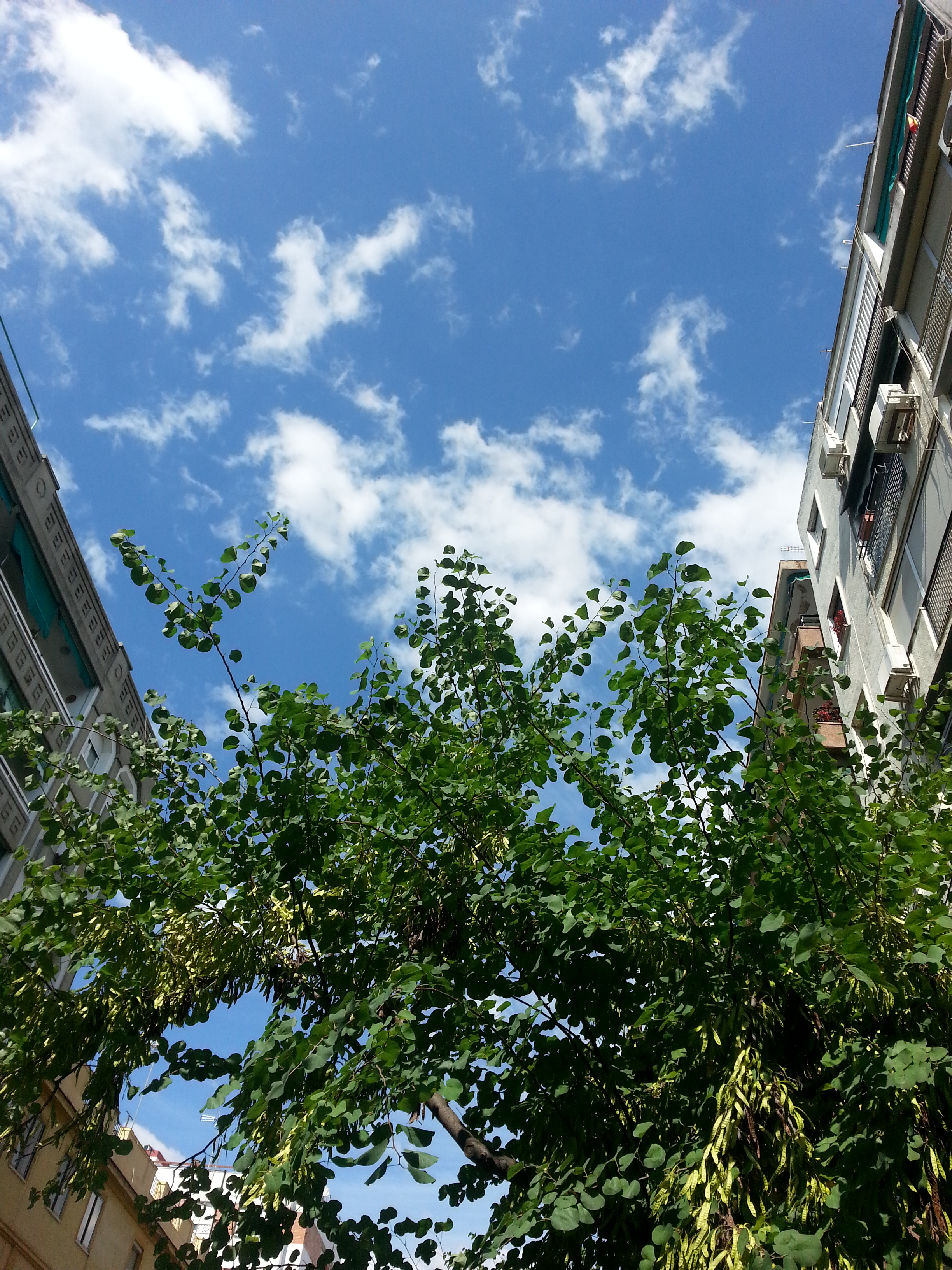
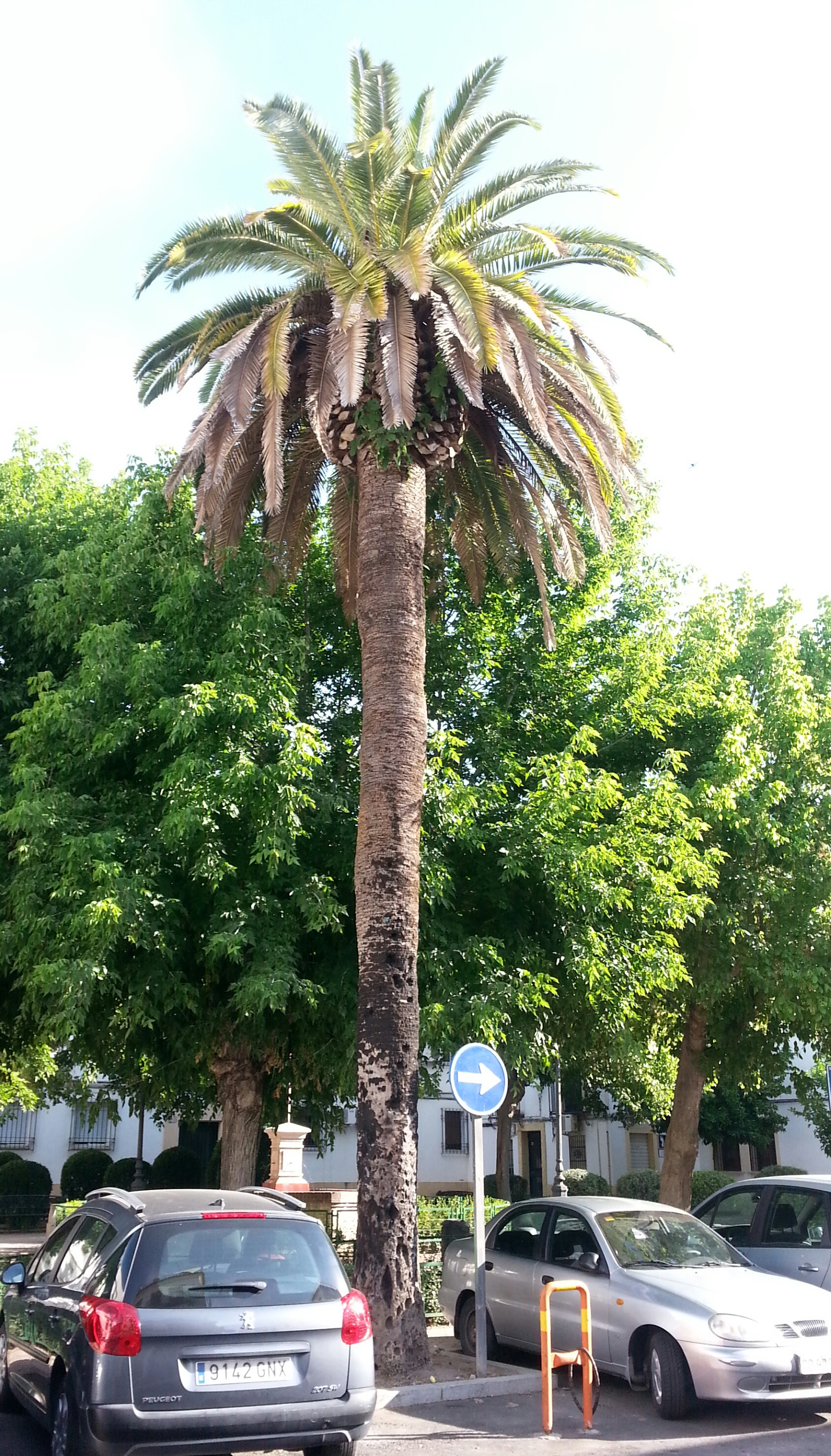
However, I always feel sorry for the poor trees stuck between two blocks of flats, cement, and cars, and pollution, and noisy people…
Trees in the city often look tired and sad to me…
Tree Trapped Between Blocks of FlatsBeautiful Palm Tree Stuck Between Cars
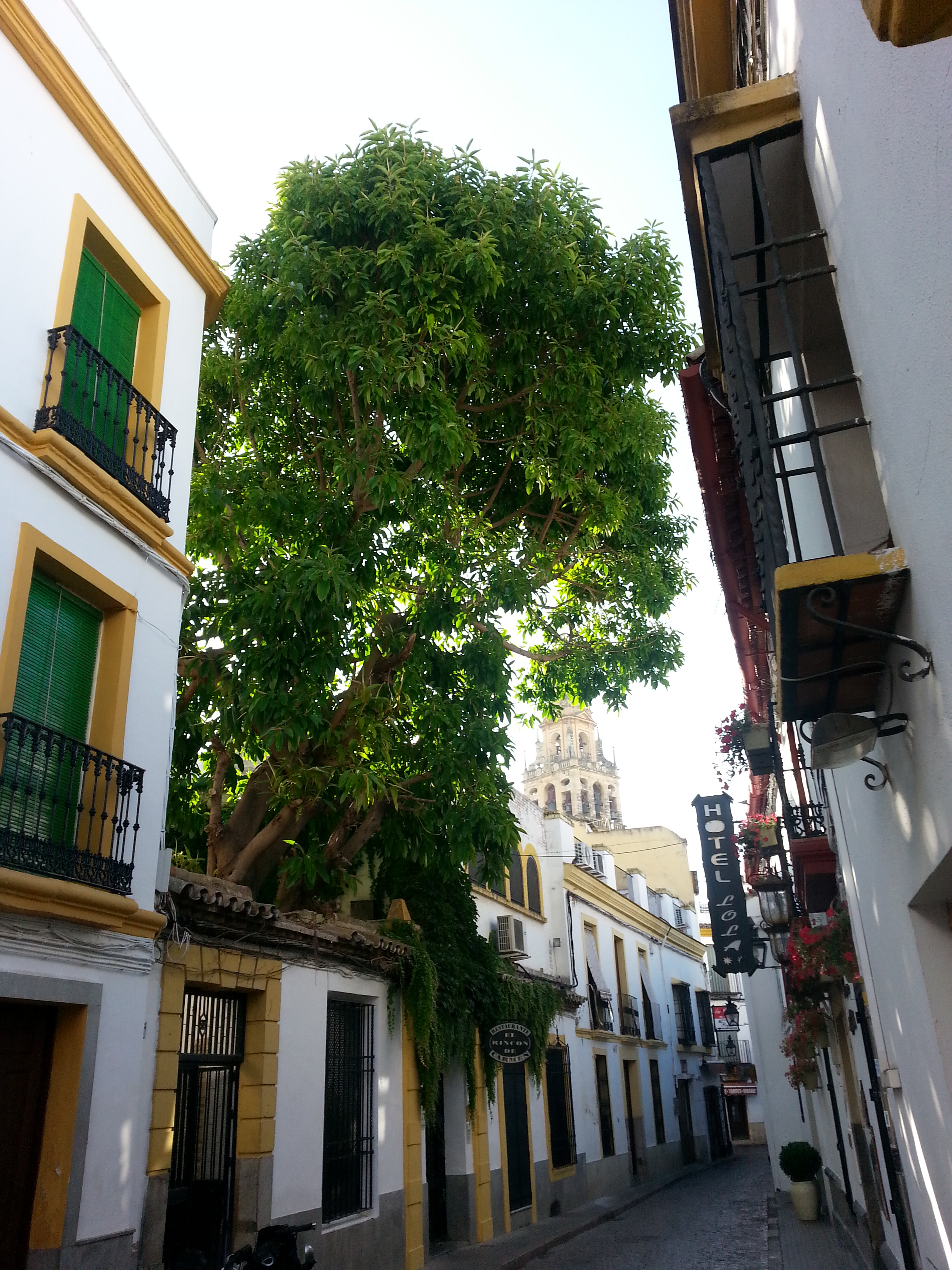
Some, like this one, even manage to grow inside buildings between the bricks, fortunately this lucky tree you can also hear the bells chiming from the Mosque Tower in the background:
Tree Growing Inside a House
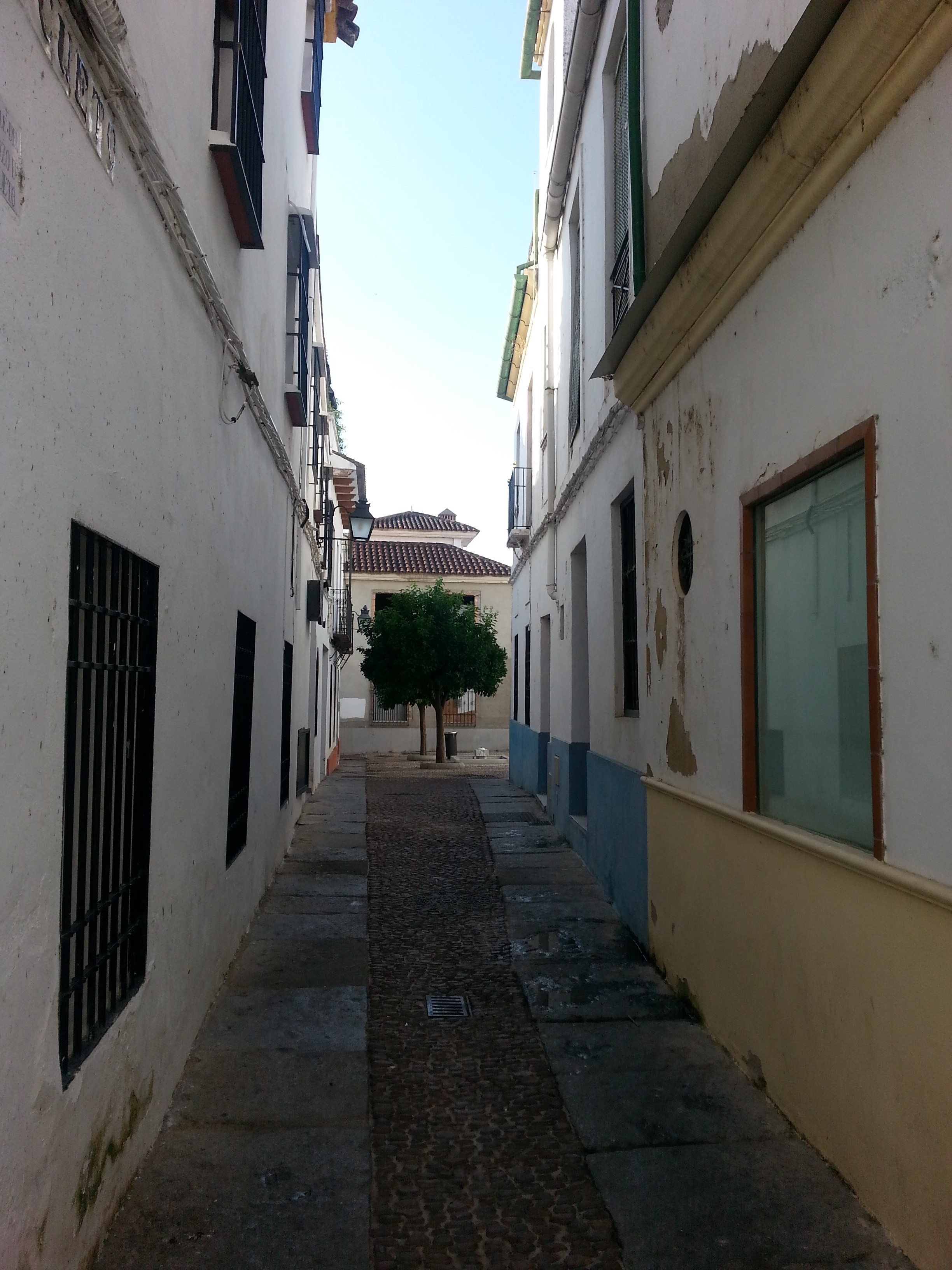
Tree at the End of an Alley Between Two Walls
City Trees. I always feel they should be in the country, breathing pure air, listening to the wind, and watching the birds play…
The trees along this city street, Save for the traffic and the trains, Would make a sound as thin and sweet As trees in country lanes.
And people standing in their shade Out of a shower, undoubtedly Would hear such music as is made Upon a country tree.
Oh, little leaves that are so dumb Against the shrieking city air, I watch you when the wind has come,— I know what sound is there.
Edna St. Vincent Millay was an American lyrical poet, playwright and feminist b. 1892 d. 1950. She was the third woman to receive the Pulitzer Prize for Poetry in 1923 for “The Ballad of the Harp-Weaver“.
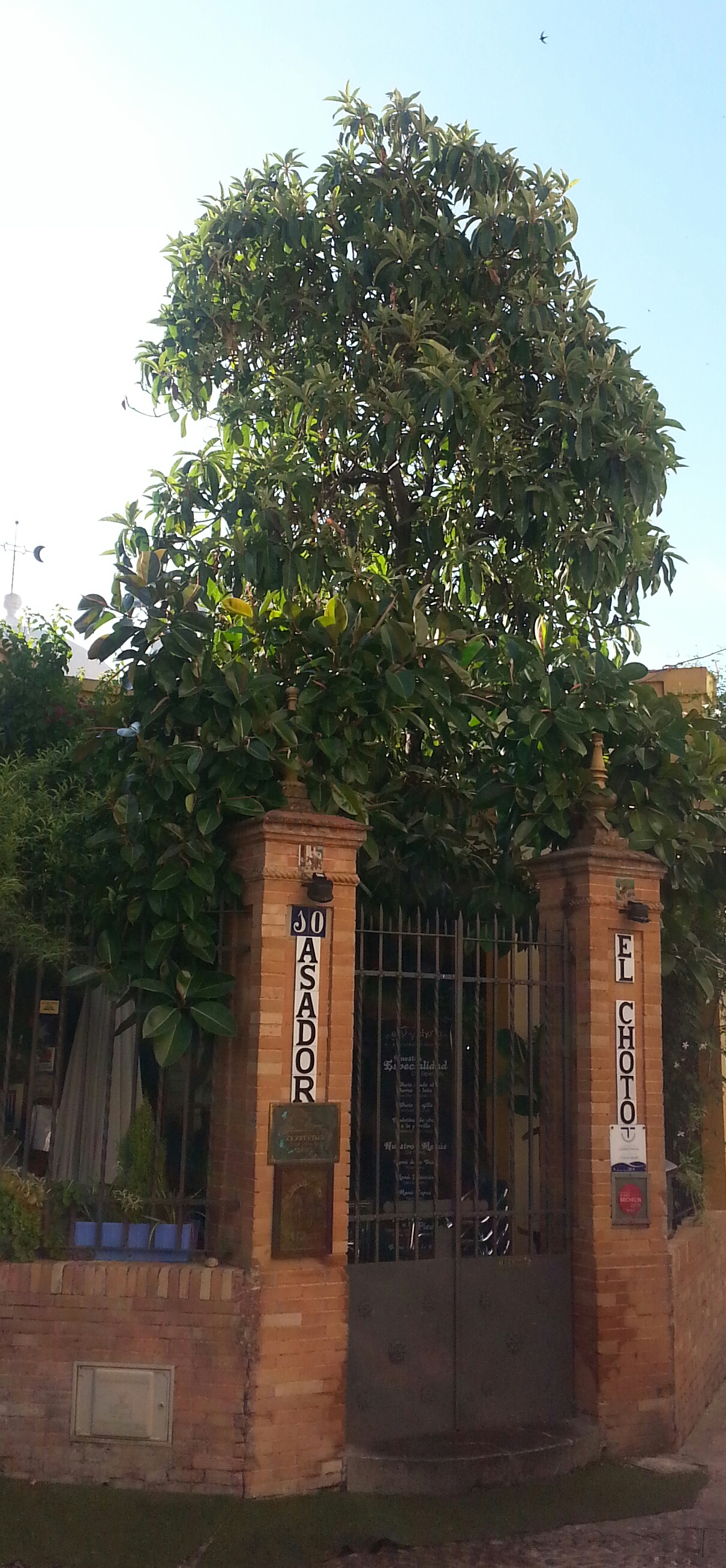
This final tree is standing between two doorposts. It’s a restaurant patio, just outside the Faculty of Arts, providing a leafy shade for hungry tourists and teachers…
As every week, I’ve been looking for inspiration for Cee’s picture prompts in things I see every day.
In this case, crooked and squiggly things around me.
I finally came up with a couple of things.
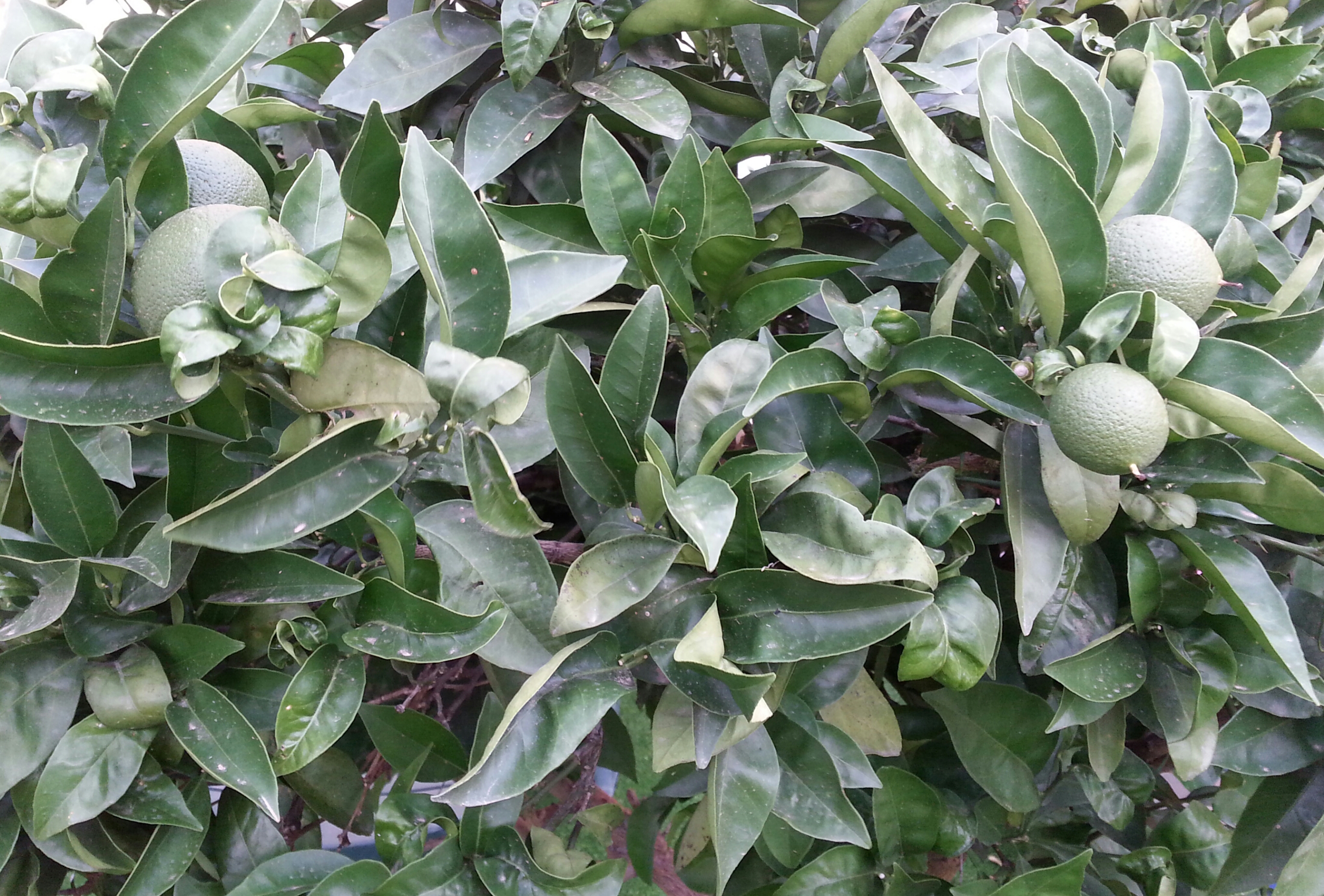
Firstly my baby orange tree. The oranges are tiny at the moment, and they won’t be fully grown and edible until some time between November and December.
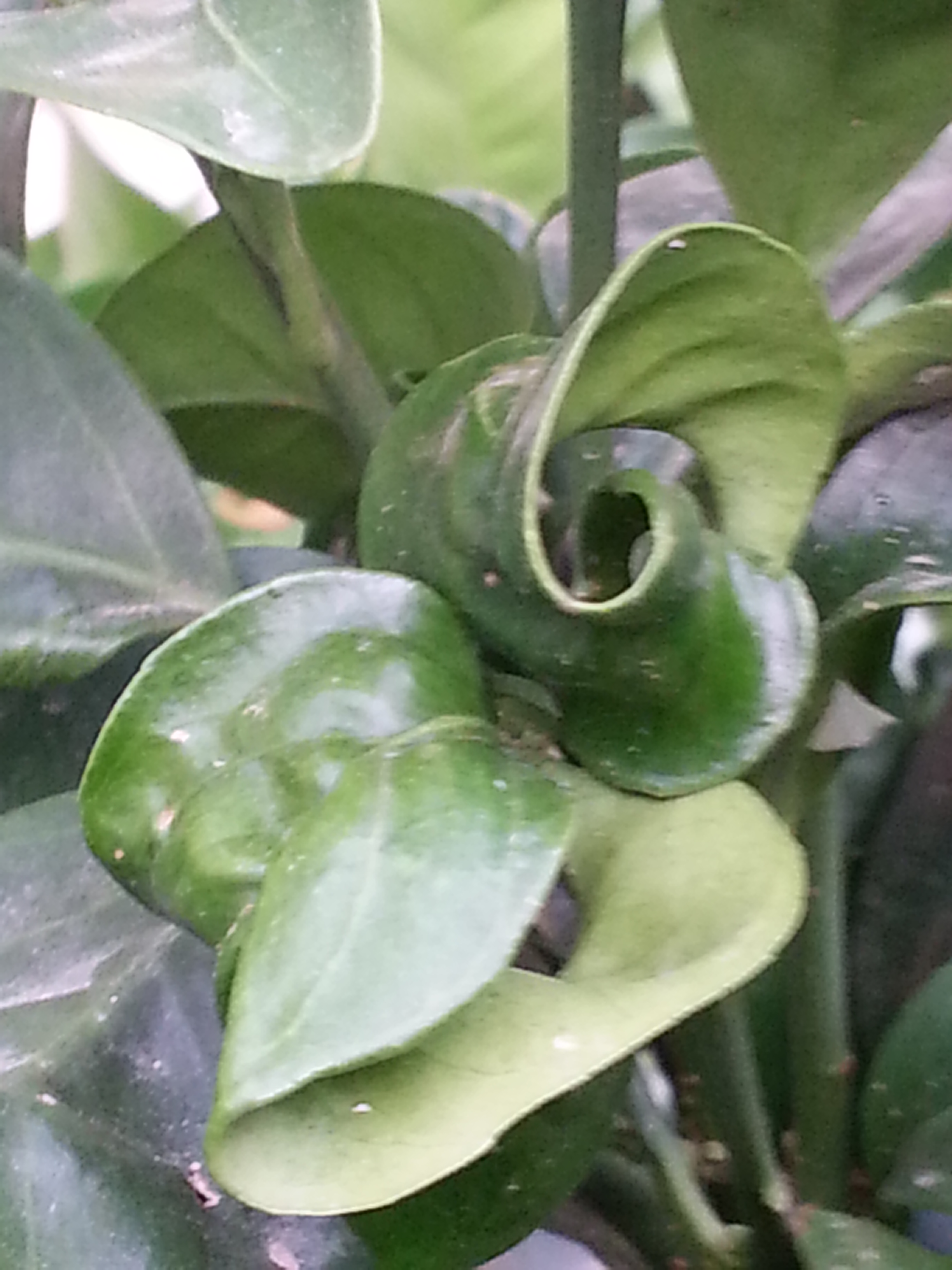
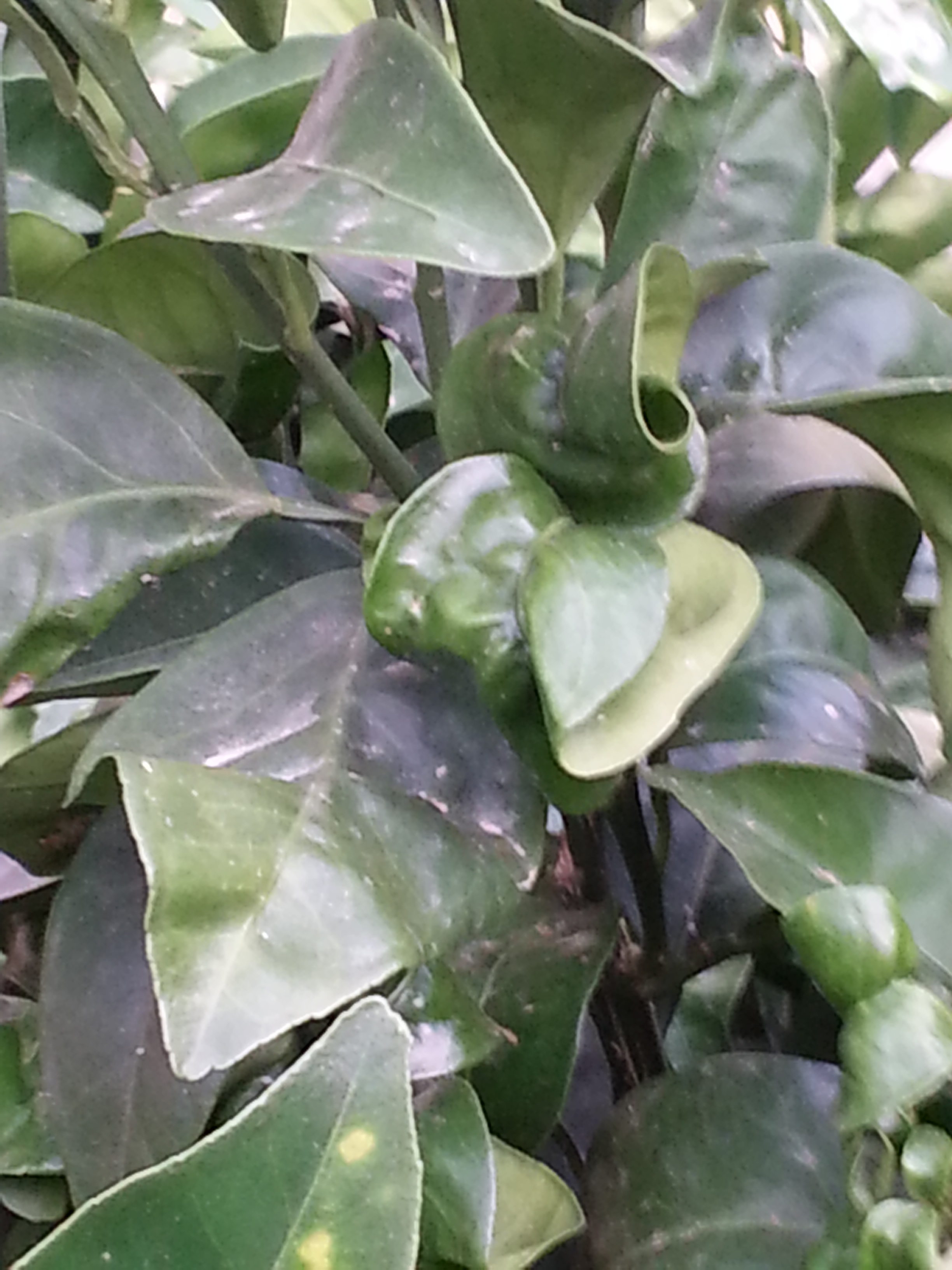
The leaves are curly more than squiggly…
I love their intense green colour.
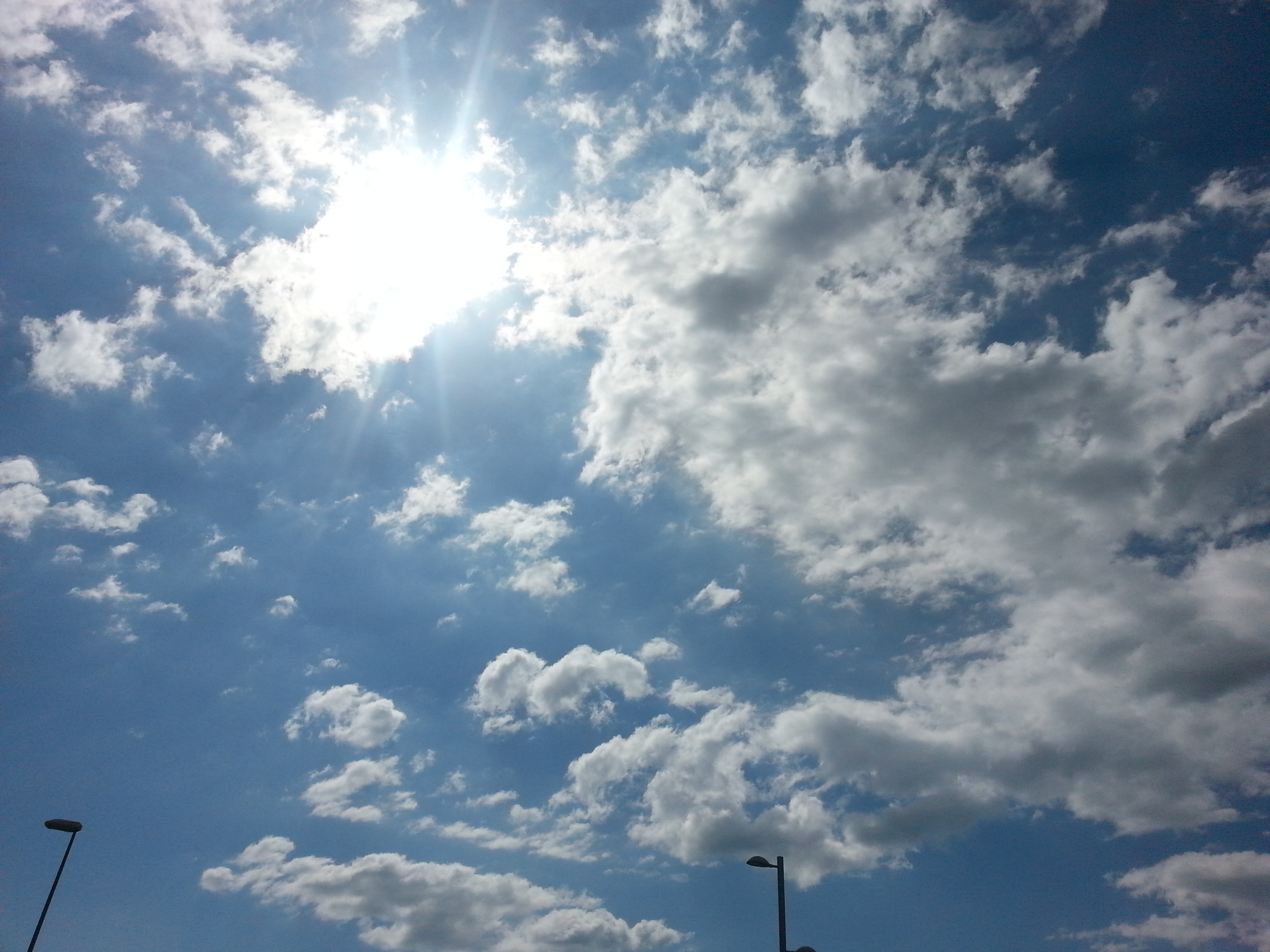
I also thought these clouds I saw this afternoon, were pretty squiggly
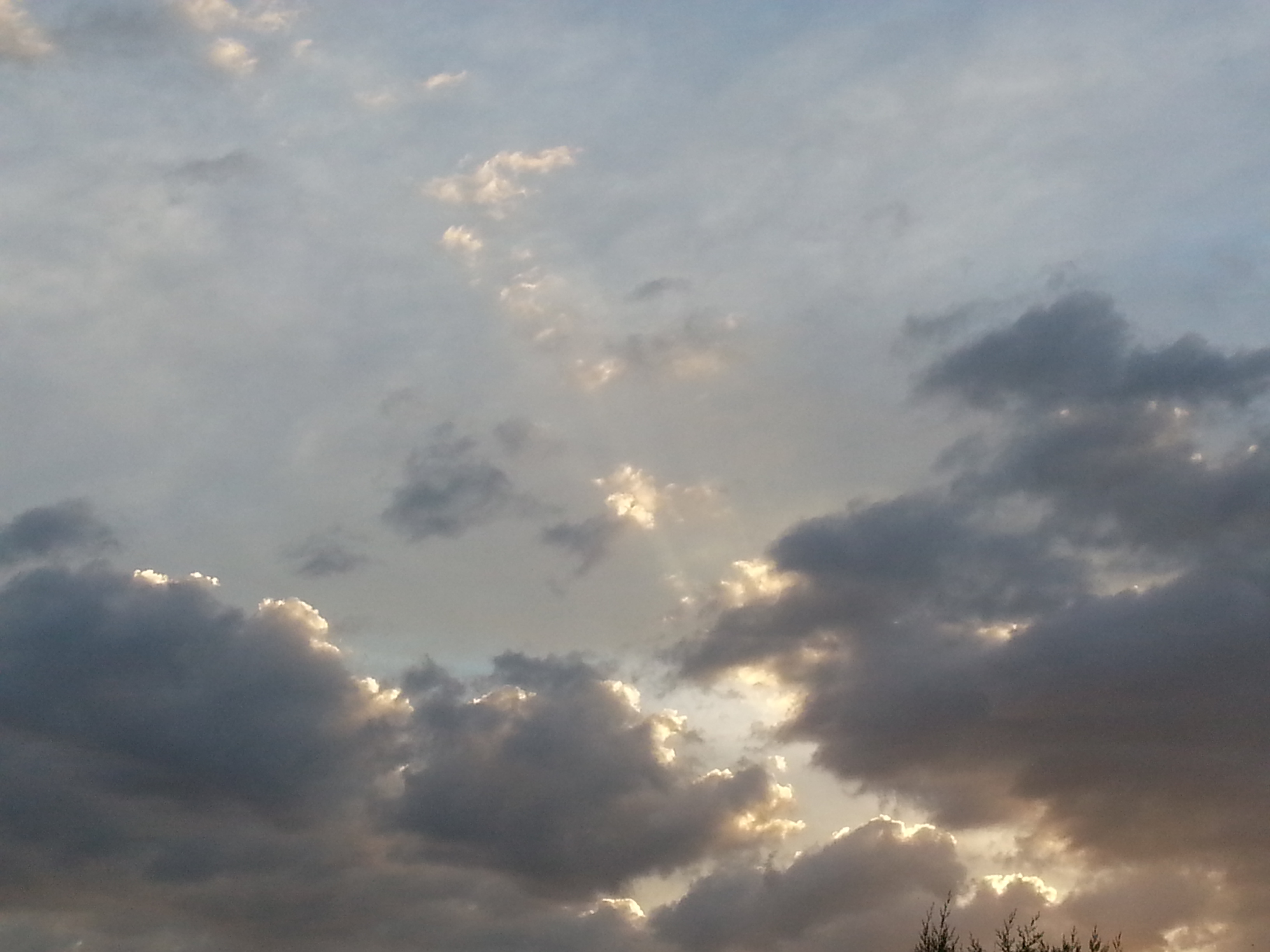
And these other clouds seen this evening, as I was playing in my garden with my gransdon, look squiggly, too, don’t you think?
In any case, Cee’s fun photo challenge makes me look at the things I see every day in a new way, this week in a squiggly way!
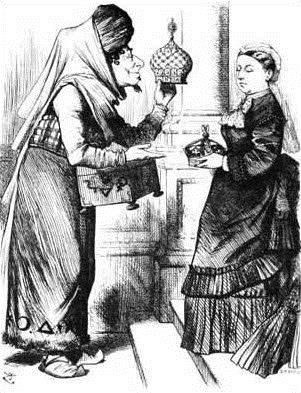
When I saw that the subject of the Flash Friday Challenge on 20th June was a cartoon including Queen Victoria, I decided to take part.
In case you don’t know about this challenge there’s a prompt and a word limit of 140 – 160 words.
This was the prompt for last weeks’ challenge: The picture below, and the royal command to include the concept of arrogance.
“New crowns for old ones!” –Benjamin Disraeli presents Queen Victoria the crown of India. Punch, 1876, by cartoonist John Tenniel.
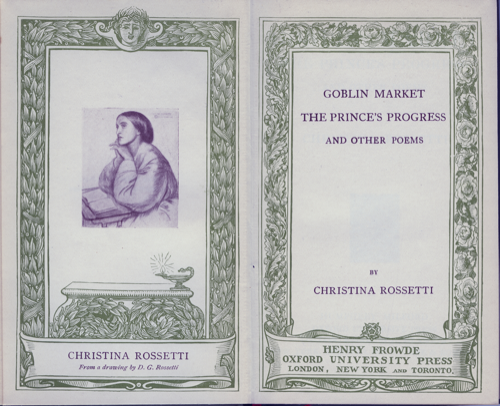
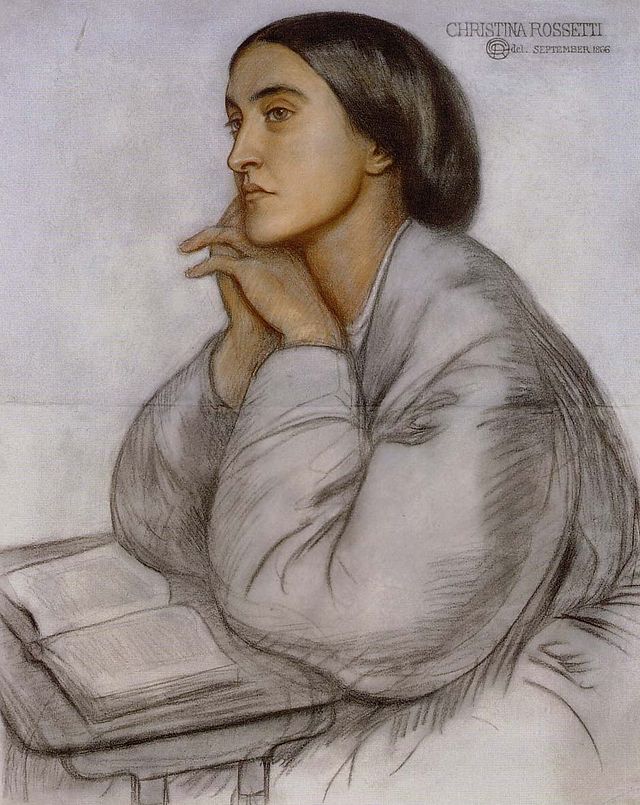
I have a very soft spot for Christina Rossetti’s poetry, especially her short, intense verses, full of symbolism and feeling. Summer was published in The Prince’s Progress, and Other Poems, in 1866
Summer
Winter is cold-hearted, Spring is yea and nay, Autumn is a weathercock Blown every way. Summer days for me When every leaf is on its tree;
When Robin’s not a beggar, And Jenny Wren’s a bride, And larks hang singing, singing, singing Over the wheat-fields wide, And anchored lilies ride, And the pendulum spider Swings from side to side;
And blue-black beetles transact business, And gnats fly in a host, And furry caterpillars hasten That no time be lost And moths grow fat and thrive, And ladybirds arrive
Before green apples blush, Before green nuts embrown, Why one day in the country Is worth a month in town; Is worth a day and a year Of the dusty, musty, lag-last fashion That days drone elsewhere.
I love the way she starts by comparing summer to the other three seasons, telling us it is her favourite. In the second and third stanzas she elaborates on her reasons, which are based on the natural elements which abound: robins, wrens, larks, lilies, and insects, all ‘grow fat and thrive’. The final stanza concludes that these wonderful summer days should be enjoyed in the country, where these wonderful plants and animals can be appreciated, and not in the ‘dusty, musty, lag-last fashion’ city.
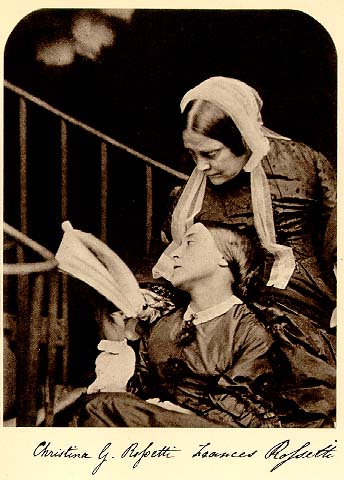
Christina Rossetti was born and brought up in London in an artistic family of Italian parents. Her father was the poet Gabriele Rossetti, a Dante scholar who became professor of Italian at King’s College, London. Her brother Dante Gabriel Rossetti, also a poet and a painter. The four Rossetti siblings were educated by their mother, Frances Rossetti, a former governess.
She was a precocious poet, whose poems were privately published by her grandfather in 1842, when she was twelve! At the age of twenty, she published seven poems in the Pre-Raphaelite journal The Germ, founded by her brother William Michael Rossetti) under the pseudonym, Ellen Alleyne. Read more about Christina Rossetti and the pre-Raphaelites
Rossetti’s best-known work, is her long poem, Goblin Market and Other Poems, which was published in 1862, and established her as a significant voice in Victorian poetry.
Christina Rossetti and her mother
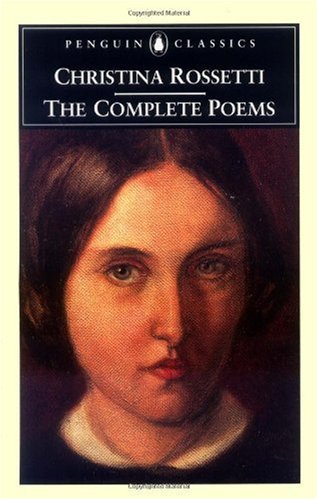
By the 1880s, recurrent illness restricted her social life, although she continued to write poems. In 1891, Rossetti developed cancer, of which she died in London on December 29, 1894. Rossetti’s brother, William Michael, edited her collected works in 1904, however the Complete Poems were not published before 1979.
Her poem Summer refers to her happiest childhood memories which were the summer holidays spent in her Grandfather Polidori’s home, Holmer Green, in Buckinghamshire. The Rossetti children spent their days discovering the landscape around them and the animals that lived there. It must have been a welcome change from industrial and overcrowded Victorian London, where she lived for most of her life.
Rossetti was a fervent Anglican, and she was aware of women’s underprivileged place in society. This led her to spend some years working with “fallen women” at Highgate institution, run by the Diocese of London, where they received religious education and were instructed in housework, to enable them to secure employment as maids. Her experiences at Highgate are a likely source of inspiration for “Goblin Market“, as well as a probable purpose for the poem, which she probably read to the women as a means of moral instruction.
I agree with many scholars, that she was, no doubt, a Victorian intellectual, subject to sexual, religious, and patriarchal repression. It is therefore in her poetry that we can attempt to glimpse and the power and contained feeling she kept under lock and key in her disciplined mind.
Summer is one of her few optimistic poems, unfortunately, it has a pessimistic counterpart.
Summer is Ended
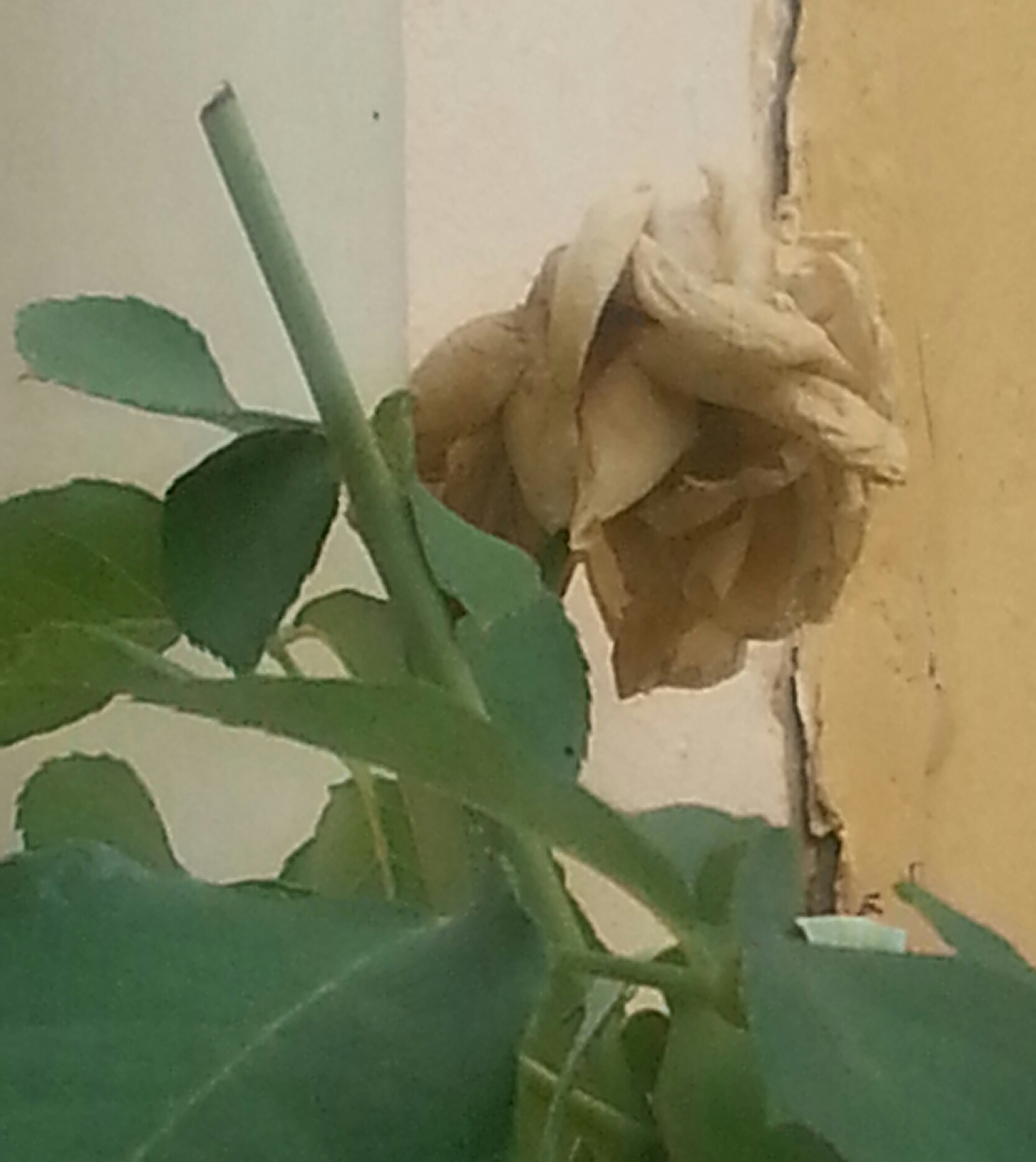
To think that this meaningless thing was ever a rose, Scentless, colourless, this! Will it ever be thus (who knows?) Thus with our bliss, If we wait till the close?
Though we care not to wait for the end, there comes the end Sooner, later, at last, Which nothing can mar, nothing mend: An end locked fast, Bent we cannot re-bend.
A wilting rose in my garden
Summer is Ended was published in her 1881 volume, A Pageant and Other Poems. Its title is derived from a passage in the Old Testament book, Jeremiah:
The harvest is past, the summer has ended,
and we are not saved.
(Jeremiah 8:20)
By this time in her life, she was overtaken by recurrent and invalidating illness. She had also refused several suitors, wishing to remain a spinster. This poem is melancholic, and nostalgic. it reminds us that the splendid summer must end, and give way to a wilting rose, in the same way as our lives, too, will come to a close.
I didn’t intend to end on this ‘sad’ note, so let’s remember that today is the second day of summer, and we still have about ninety days of lazy, hazy, long sunny days ahead of us, and when the summer is gone, I have another delicious poem waiting for you.
I love autumn, and I’m sure it’s partly due to John Keats poem, Ode to Autumn, but that will come in September…




 Rereading Jane Eyre