Carrot Ranch #FlashFiction ‘Bats’ #99Words #SundayBlogShare

This post was written in response to Charli Mills at Carrot Ranch’s weekly #99 word Flash Fiction Challenge. This week’s prompt is to include a bat in the story. Check out other entries or take part yourself!

Bats

‘Granny, what do bats eat?’

I sighed wishing my daughter was here to answer her son’s question. ‘I have no idea, Jimmy.’

‘We need to find out.’

‘Why is that, sweetie?’

‘We’re doing a class project about what animals eat and I got the bat.’

‘Let’s ask google.’

‘Who’s that?’

‘Someone who knows everything.’

‘Everything?’

I nodded and tapped the microphone. ‘Ask your question.’

‘What do bats eat?’ Jimmy asked.

A woman’s voice replied. ‘Most bats eat insects and are called insectivores…’

Mrs Google is a really clever lady, granny. Can we ask her when mummy is coming back?’

****

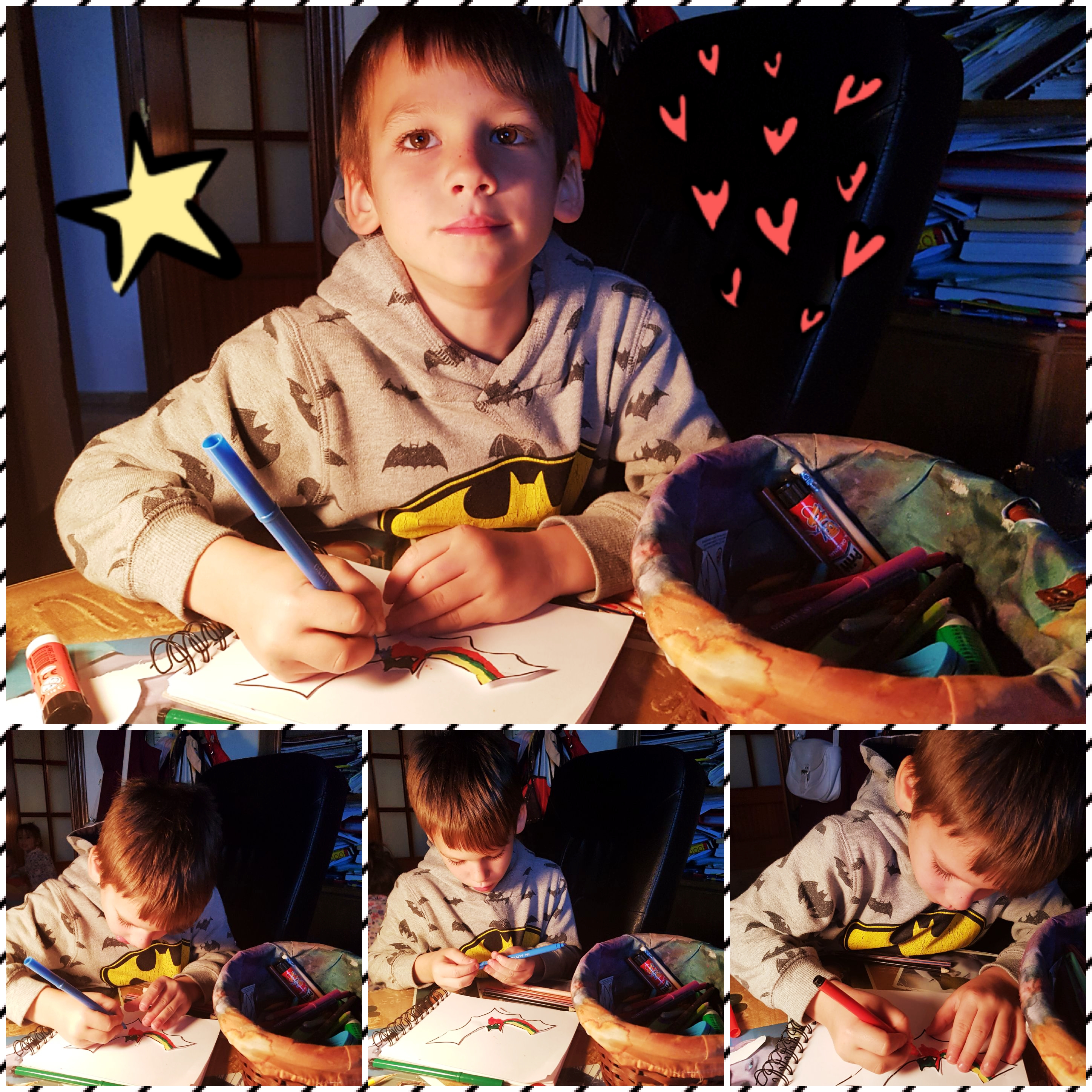
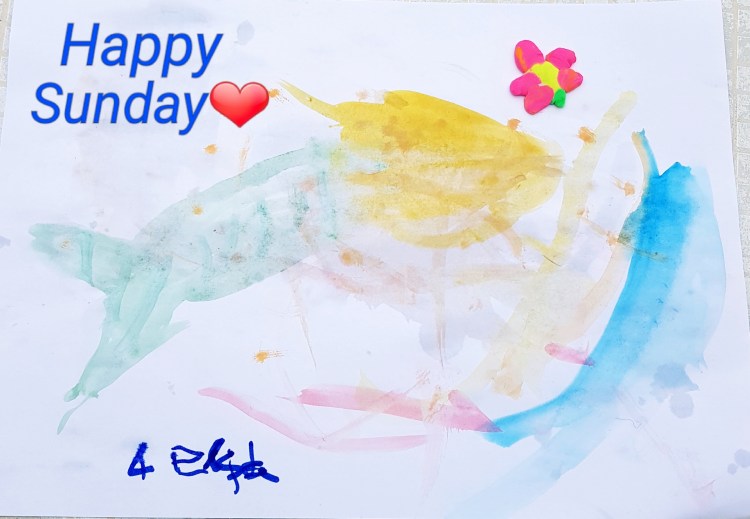
This weekend I was lucky enough to have my grandchildren visit. While we were busy doing some arts and crafts, I told my grandson I had to write a story about a bat. He was horrified at first and begged me to choose another animal, so I told him it had to be a bat, because Charli, was the boss and said it had to be a bat. He insisted they were black and ugly, so I suggested drawing a ‘cute’ bat.

This what he finally came up with. And he was wearing his batman sweatshirt!

While he was colouring his cute and colourful bat, I started jotting down some ideas and I asked him to help me write the bat story.

‘Shall we include a cave in the story?’ I asked him and he shook his head violently. ‘I want to know what bats eat.’ he said and so we asked Google and found out a few things about bats. He was relieved that they ate mostly insects!

We had a great time chatting about bats and colouring. His little sister joined us in the fun and his mum, my daughter, popped in now and again to check on our progress and chat. It was a lovely way to spend the evening, so I’m puzzled as to why my story took such a sad turn.

I suppose I was thinking how lucky we all are to have each other and how important siblings, parents and grandparents are for children. Sometimes we forget to value what we have, until we no longer have it. I certainly hope he never has to miss anyone in his family.

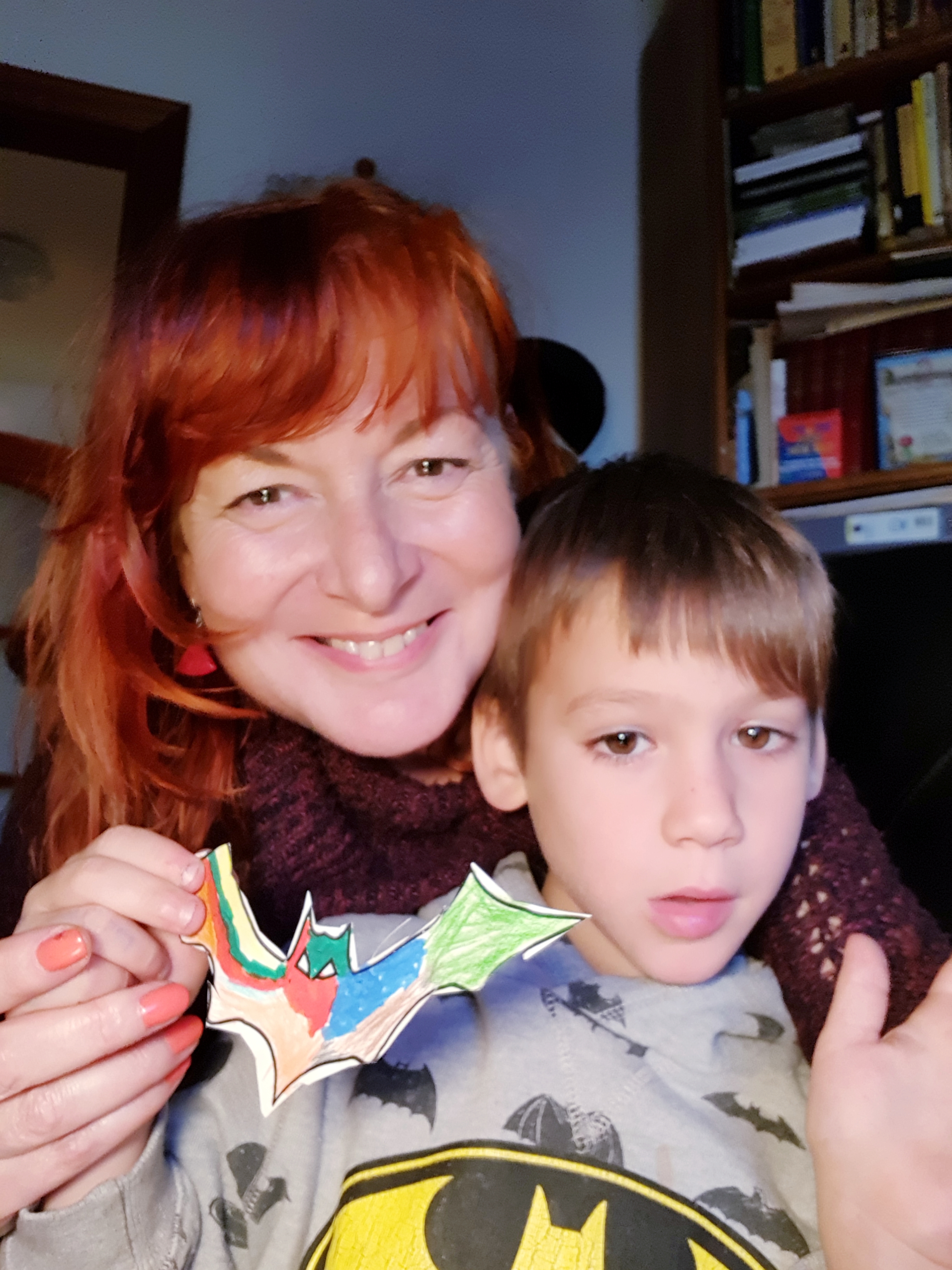
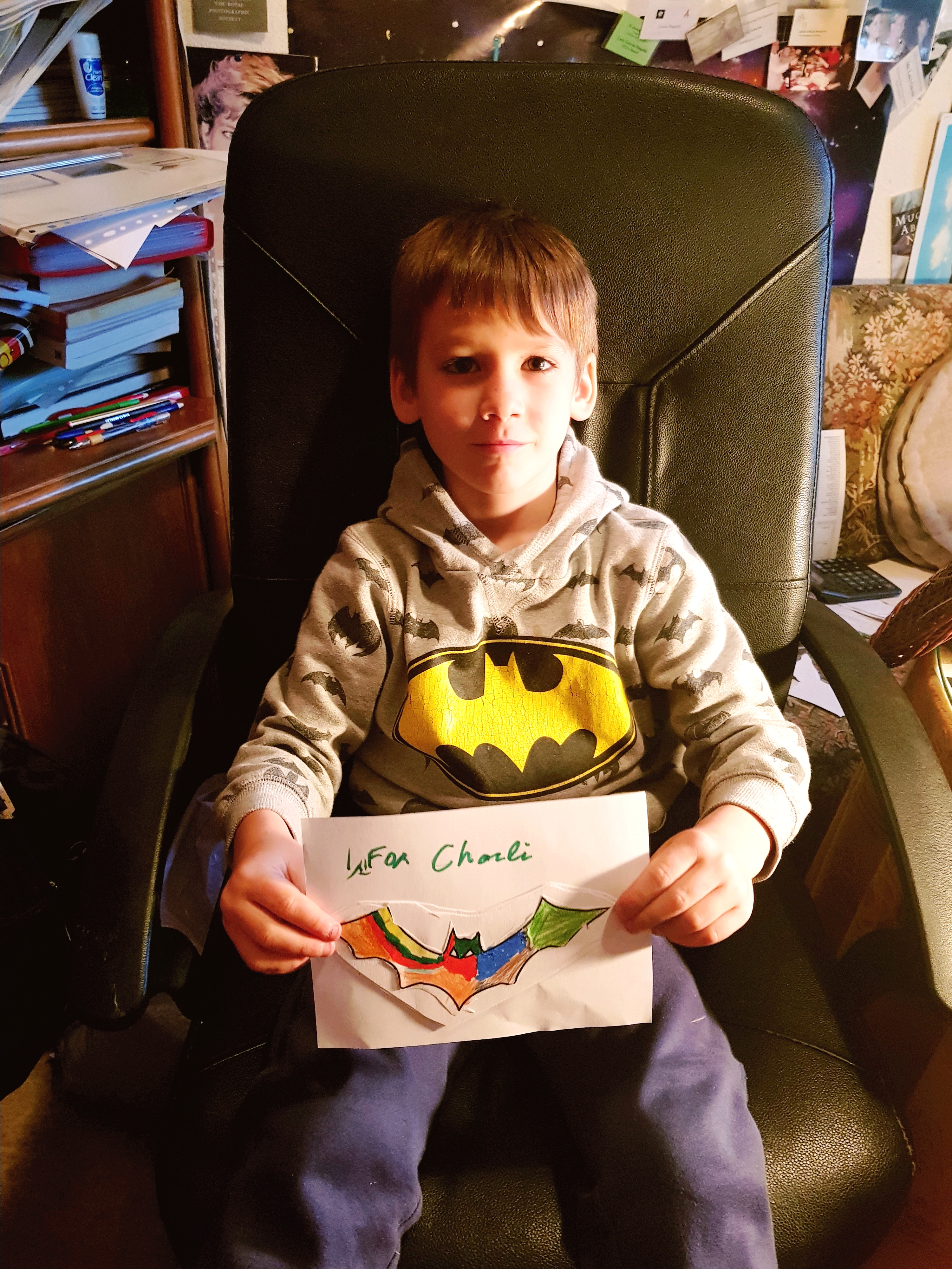
When we’d both finished our tasks, he said he’d like to send Charli the picture, so Charli, here’s the prettiest bat you’ll ever see! Thanks so much for the prompt and for hosting the weekly challenge.

****

Photo prompt #writephoto ‘Footsteps’ #Haiku

writephoto

Every week, Sue posts one of her pictures as a prompt for inspiration in whatever form we choose. Use the image to create your own post and link back to Sue’s post.

****

wp-1488632354173.jpg


Luccia is writing a haiku a day on this years’ AtoZChallenge. Have look!

#AtoZChallenge ‘M is for Missouri’ #Haiku #NaPoWriMo #PoetryMonth


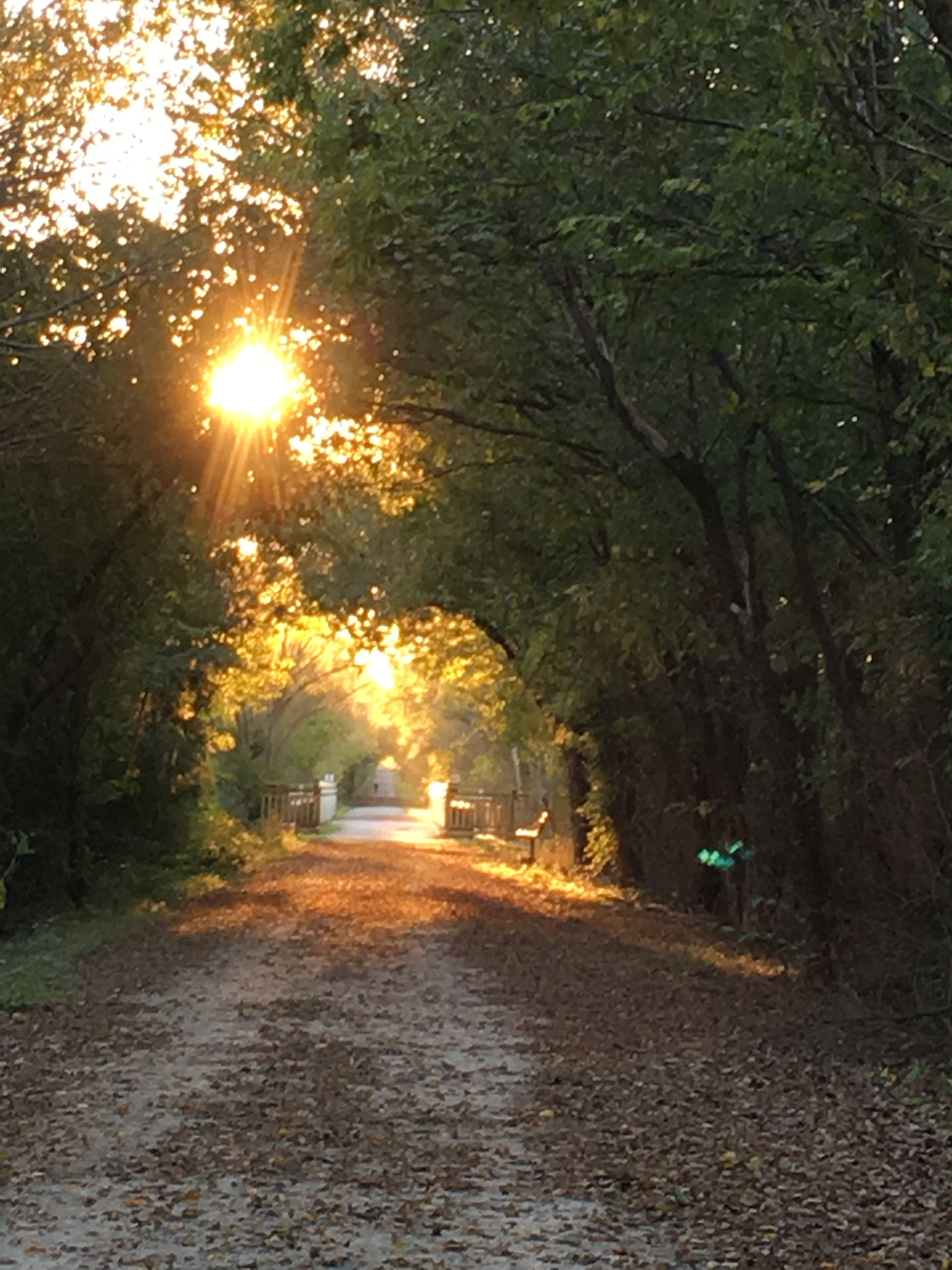
Today I’d like to thank Stephanie Finnell @Randallbychance for this beautiful photo which she took on the Katy Trail State Park in Sedalia, Missouri last autumn.

****

Missouri

Bridge over highway

Silenced by footsteps on leaves

Shining in sunlight

****

Stephanie told me the bridge in the photo is above US Hwy 65 and the trail is used for walkers as well as (some parts) equestrian. This particular part of the trail is adjacent to the Missouri State Fairgrounds. A beautiful place I hope to visit one day… 
Stephanie is also taking part in the AtoZChallenge this year, so check out her blog Katy Trail Creations. 

****

This year is my fourth AtoZ Challenge. My theme this year is poetry once again. I’ll be writing a haiku a day, but I’m also adding a new hobby to the posts, photography. I will post one of my photos, or a donated photo, every day to accompany my haiku.

This April, I’ll also be sharing my poems and joining another group of poets at National Poetry Writing Month, organised since 2003 by Maureen Thorson. Write 30 poems in 30 days. I’m in! What about you?


#3LineTales Week 115 #FlashFiction ‘The Letter’

This is my first time taking part in 3LineTales on Sonya’s blog, Only 100 Words, but I saw the picture prompt and couldn’t resist.

Pop over and join in if you enjoy reading or writing short / flash fiction using photo prompts (I love it!) You’ll find full guidelines on the TLT page

****

The Letter

I’d watched the beautiful woman with the troubled look, every week, for months, as I cleaned the windows of her apartment block, wishing for an excuse to speak to her, but she never seemed to notice me.

My heart raced the day she leaned out of her window and grabbed my hand. “Please post his letter, but don’t tell my parents,” she said and rushed back inside her room.

I burned the letter after reading it; she didn’t need him anymore, because I’d be her hero, the man who would set her free from her prison and take her where no-one would ever find her. 

****

Follow Luccia Gray on Social Media:

Twitter

Facebook

Goodreads

#FridayFictioneers ‘Clara’ #FlashFiction #100words

It’s Friday, time for another Friday Fictioneers Flash Fiction story. 

Kevin has been behaving strangely since he  was kidnapped and rescued by Alice and Billy.

Last week, Alice and her mother caught Kevin on a date with another woman. This week he has some explaining to do… 

Thanks to Rochelle Wisoff-Fields for hosting the challenge, and Yarnspinnerr for today’s photo prompt, which led me directly to this weeks’ 100-word story.

PHOTO PROMPT © Yarnspinnerr

Clara

“I’m listening, dad. Explain.”
“Alice, this is Clara. We met many years ago, before you were born.”
Alice folded her arms over her chest and stared at her father, ignoring the stylish woman by his side.  
“I was in Mexico, with my mother, looking for my father.”
“Nice try. Did you forget your father died when you were a baby?”
“The truth is he left us and returned to his native Mexico.”
Alice shivered. “Mexico?”
“He had another family there.”
Alice’s arms fell to her side. “What?”  
“Clara is your aunt, my stepsister.”
Alice’s head spun.
“Clara needs our help, Alice.”
****

 All my ‘Alice’ flash fiction written for the Friday Fictioneers Challenge can be read as standalones, but if you’re interested in reading previous stories of Alice’s adventures, here they are!

Follow Luccia Gray on Social Media:

Twitter

Facebook

Goodreads

Check out Luccia Gray’s Books on Amazon

#AtoZChallenge ‘L is for Lights’ #Haiku #NaPoWriMo #PoetryMonth

 
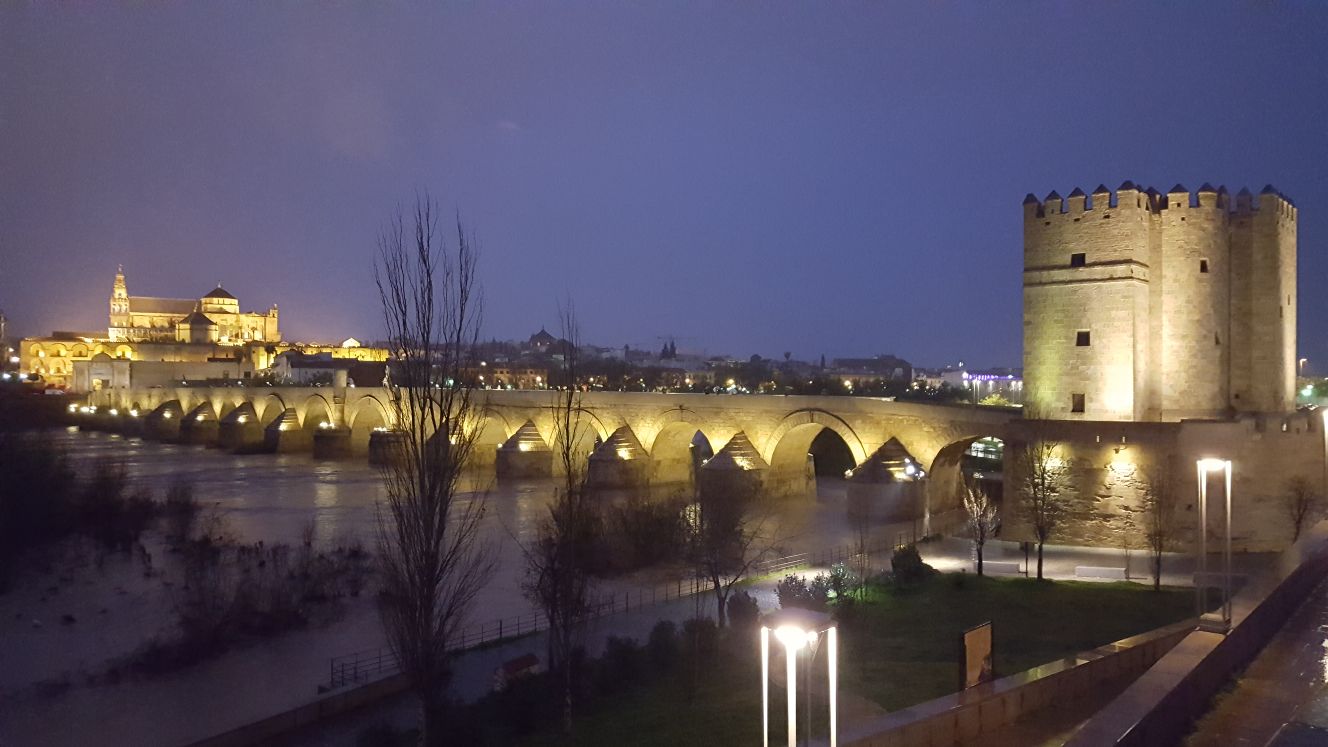
This photo was taken by Gabriela, one of my best friends and colleagues, who has no online presence, yet!
It is a picture of the Roman Bridge in Córdoba, which is illuminated by night. The building at the far end of the bridge is the Mosque, now a Cathedral, which is also lit up at night.

****

Lights

Lights under stone bridge
Blinking on rippling river
A bright glitch in time

****

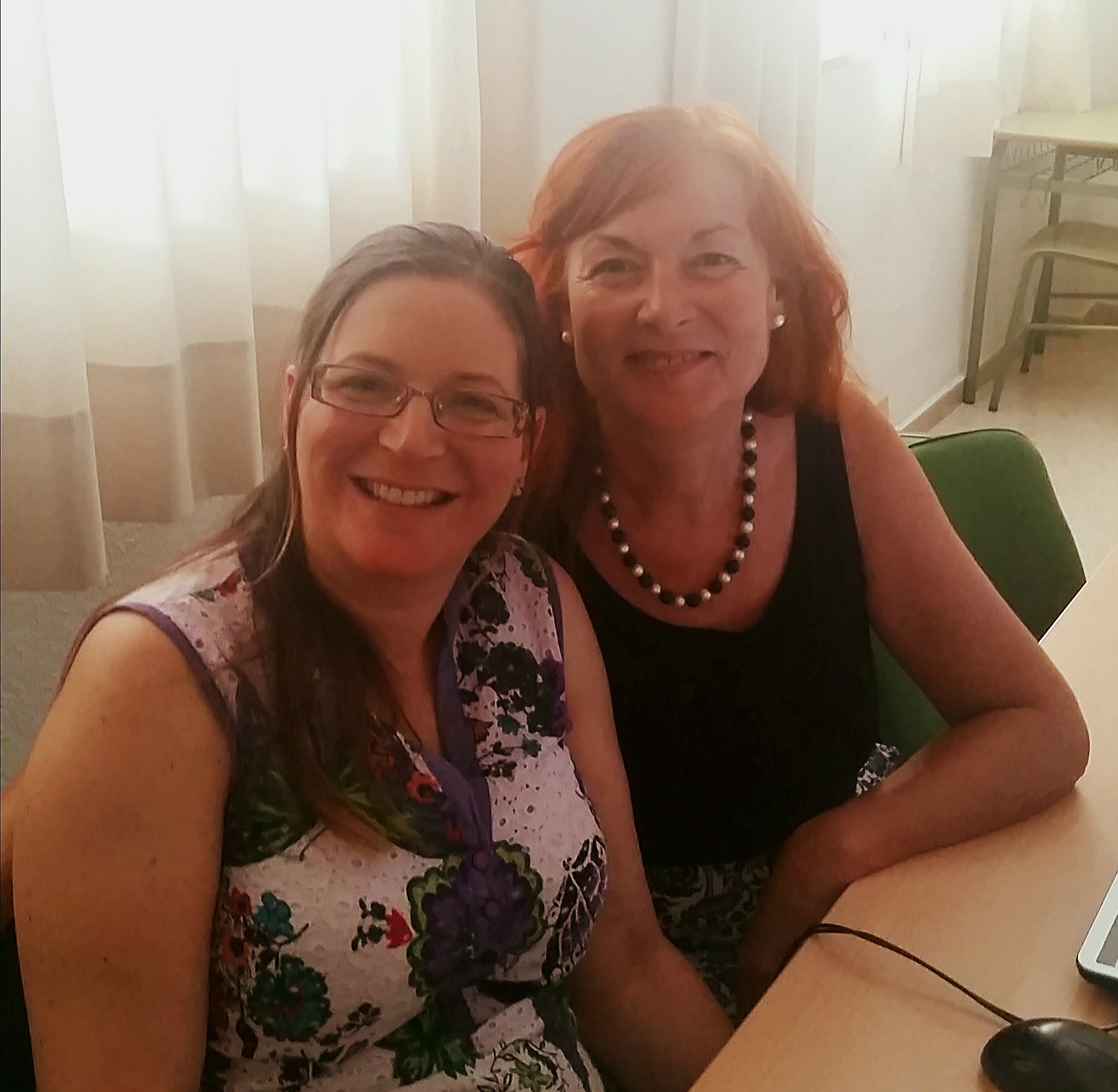
Gabriela and Luccia at a school meeting last summer.

As well as working together as English teachers, Gabriela and I have lots of fun, because one of my grandchildren is the same age as one of her sons, so we often go out with them at weekends.

****

This year is my fourth AtoZ Challenge. My theme this year is poetry once again. I’ll be writing a haiku a day, but I’m also adding a new hobby to the posts, photography. I will post one of my photos, or a donated photo, every day to accompany my haiku.

This April, I’ll also be sharing my poems and joining another group of poets at National Poetry Writing Month, organised since 2003 by Maureen Thorsonn. Write 30 poems in 30 days. I’m in! What about you?


#AtoZChallenge ‘K is for Keel’ #Haiku #NaPoWriMo #PoetryMonth

 
This photo was taken by Andrés, @adpascuas, my daughter’s boyfriend, while he was visiting the island of San Andrés, part of an archipelago located in the Caribbean, which belongs to Colombia.

****

Keel (after Martin Carter)
Grounded Keel once saw
Ocean stained with memory
Now tourists snap shots

****

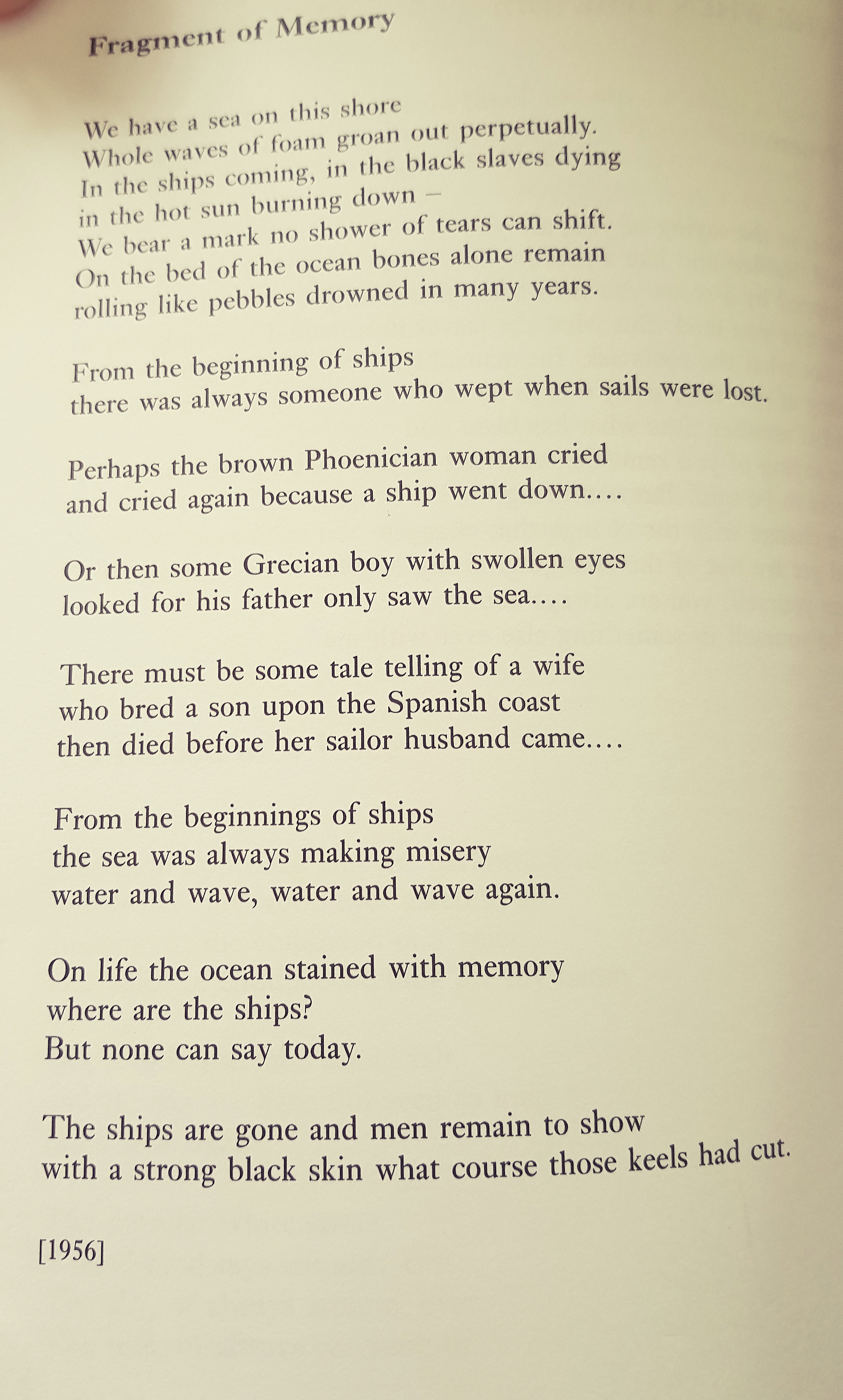
The boat in the picture reminded me of Martin Carter’s poem, Fragment of Memory, from The When Time (1977), so I borrowed part of one of his last lines for my haiku.

Martin Wylde Carter (1927–1997) considered the greatest Guyanese poet, and one of the most important Caribbean poets, is best known for his poems of protest, resistance and revolution.
I love his poems because they are full of emotion and often sorrow, and yet they are not bitter or resentful. His poems acknowledge the pain but they also transmit hope in a better future.
Like Carter, I believe we should move on, but not forget. On the contrary, we need to be reminded of where we came from and past injustice to avoid a repetition of historical crimes and pay tribute to those who suffered.

More of Martin Carter’s poems here.

****

This year is my fourth AtoZ Challenge. My theme this year is poetry once again. I’ll be writing a haiku a day, but I’m also adding a new hobby to the posts, photography. I will post one of my photos, or a donated photo, every day to accompany my haiku.

This April, I’ll also be sharing my poems and joining another group of poets at National Poetry Writing Month, organised since 2003 by Maureen Thorsonn. Write 30 poems in 30 days. I’m in! What about you?


#AtoZChallenge ‘J is for Jane Eyre’ #Haiku #NaPoWriMo #PoetryMonth

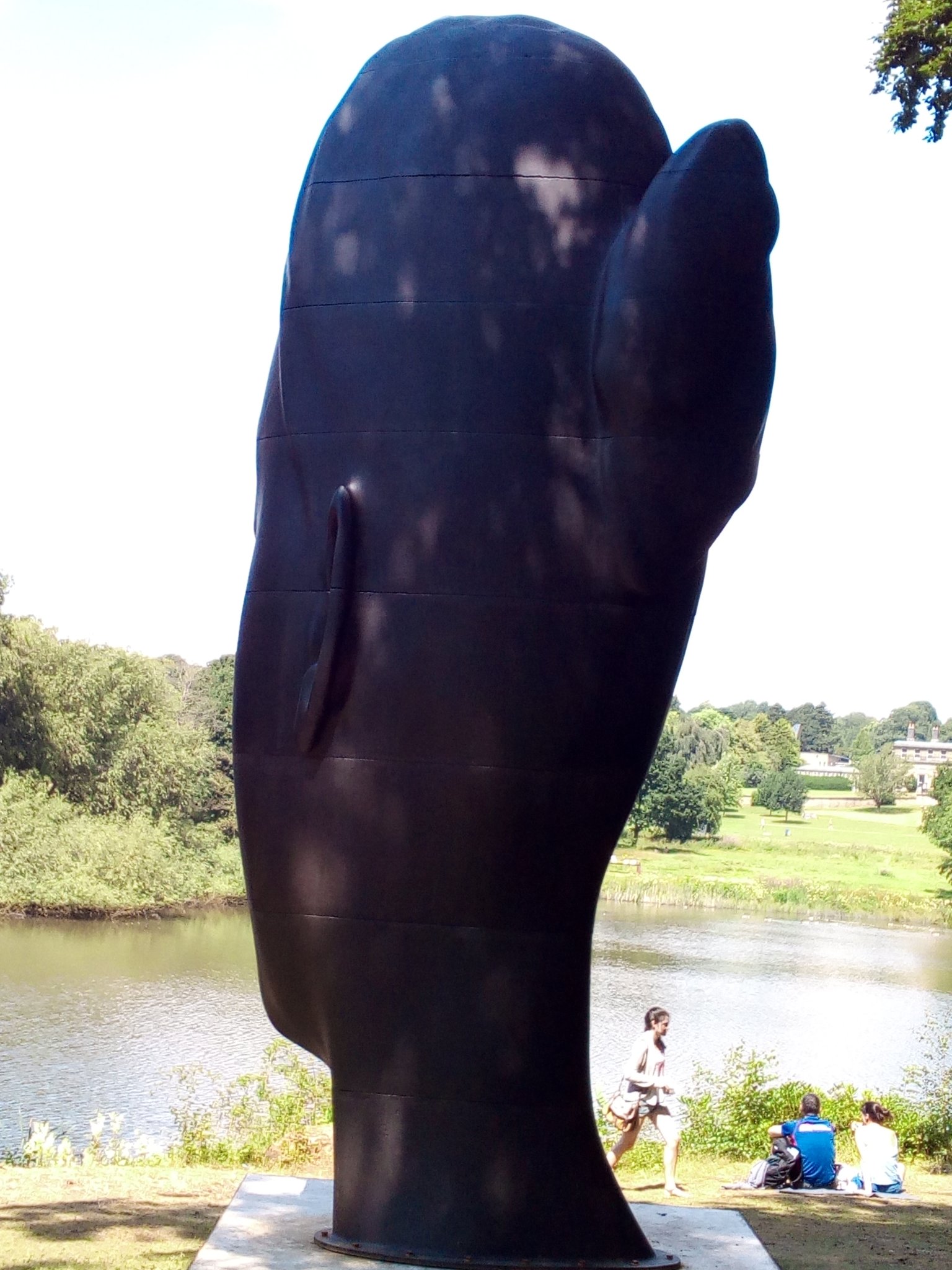
Photo by Author and Translator @OlgaNM
Olga, who blogs at Olga Author Translator, took this beautiful photo last year at the Yorkshire Sculpture Park. I don’t know if it is supposed to be Jane Eyre, but it certainly reminds me of her!
In fact, this sculpture is called Wilsis and belongs to a series of portrait heads by Jaume Plensa, depicting young girls from around the world, with their eyes closed in a dreamlike state of contemplation.
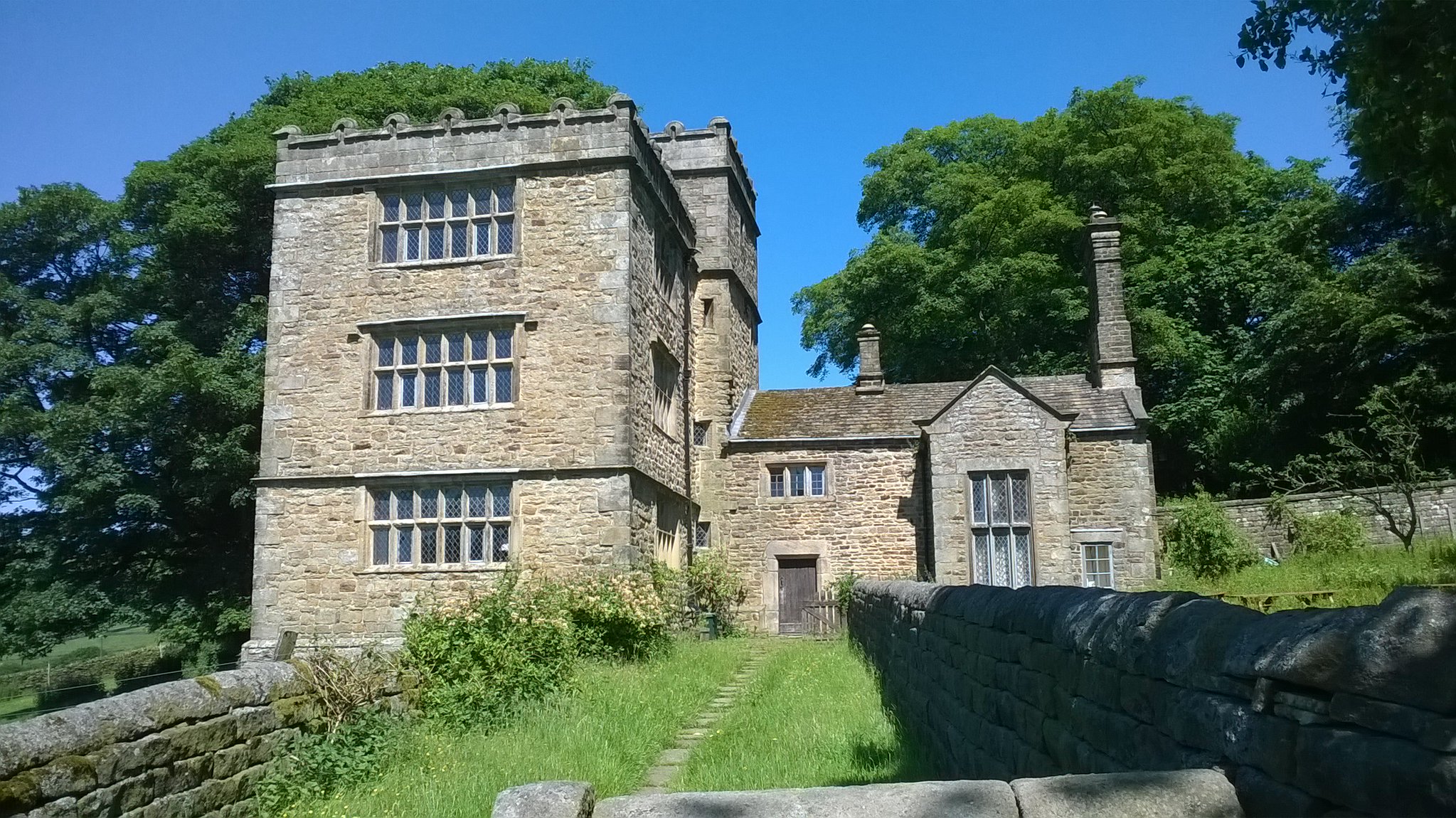
Photo by author @Annecdotist

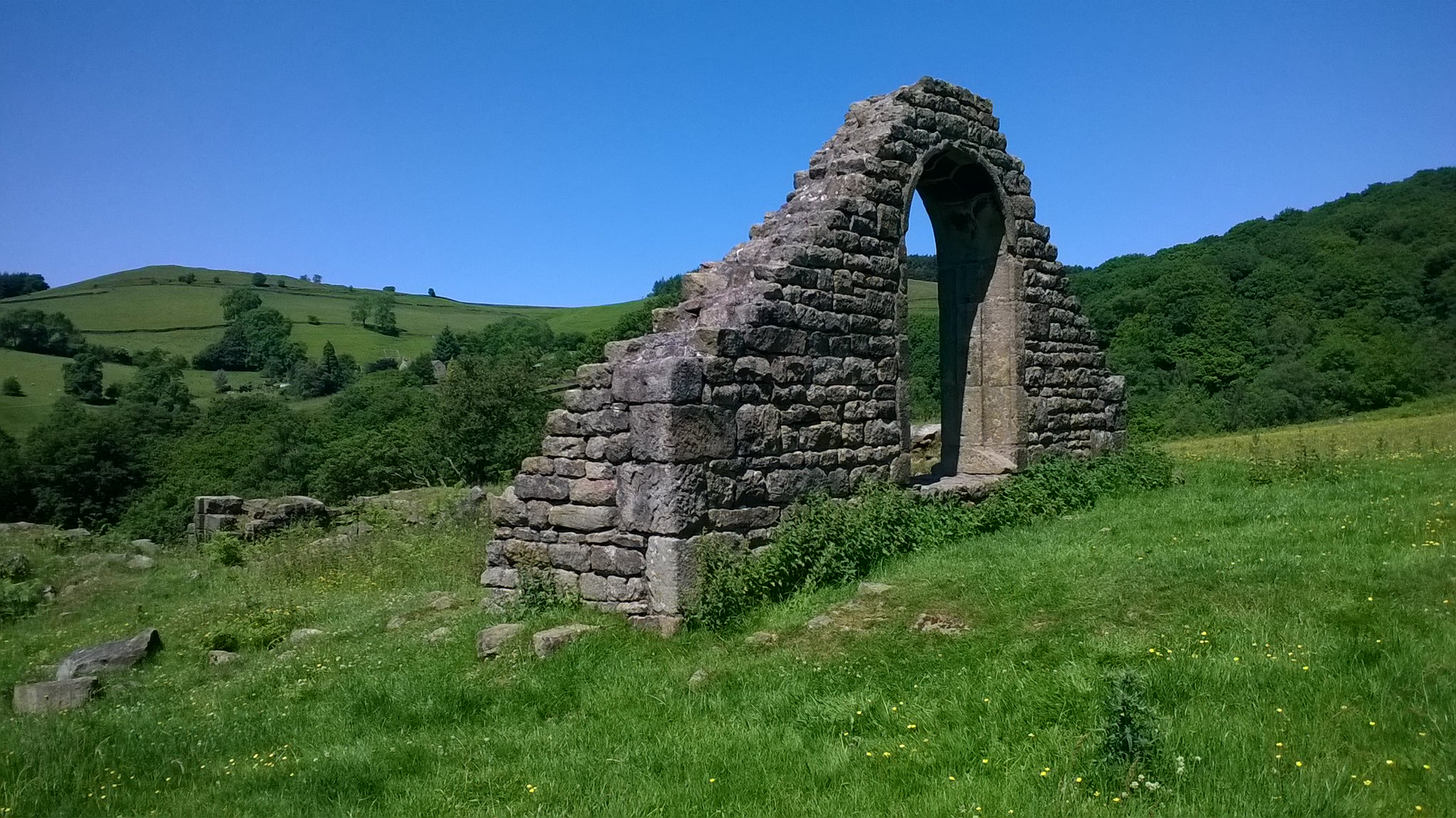
Anne Godwin, who blogs at Annecdotal, took these photos of North Lees Hall, which many believe was Charlotte Bronte’s inspiration for Thornfield Hall,  during one of her many walks which she finds conducive to the creative state of mind

In fact, On Sunday, 17th June 2018, she’ll be leading a guided walk called  In the footsteps of Jane Eyre, at the Peak District National Park, more information about the walk here.

An enormous thanks to both Olga and Anne, readers, writers, book bloggers, and supportive participants  of many online book blogging and writing communities, for allowing me to include their photos on today’s post, meant as a humble tribute to Jane Eyre, a novel I know both of them also love and admire.

****

Jane Eyre
Plain, slight, poor orphan
Fulfilled all her childhood dreams
Beloved Jane Eyre
****

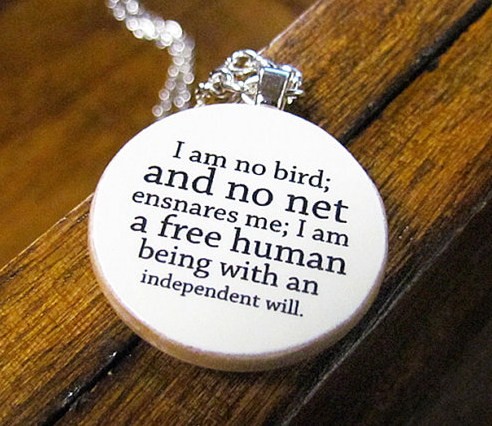
Jane Eyre was an underpiviledged and underfed, Victorian orphan. She didn’t stand a chance of living her own life, and yet she fought for her place in the world, in spite of constant adversity. She was honest, tenacious, loyal, intelligent, hard-working and fiercely determined to be ‘an independent woman’.  

I would never have had the inspiration or courage to write The Eyre Hall Trilogy if I hadn’t read Jane Eyre when I was a teenager. I’ve regularly reread it since then.

It took me a long time, but I eventually followed my dreams, too.

Last year’s AtoZ Challenge was All About Jane Eyre, in case you’d like to check it out.

Have you read Jane Eyre? What are your thoughts?

****

This year is my fourth AtoZ Challenge. My theme this year is poetry once again. I’ll be writing a haiku a day, but I’m also adding a new hobby to the posts, photography. I will post one of my photos, or a donated photo, every day to accompany my haiku.

This April, I’ll also be sharing my poems and joining another group of poets at National Poetry Writing Month, organised since 2003 by Maureen Thorson. Write 30 poems in 30 days. I’m in! What about you?


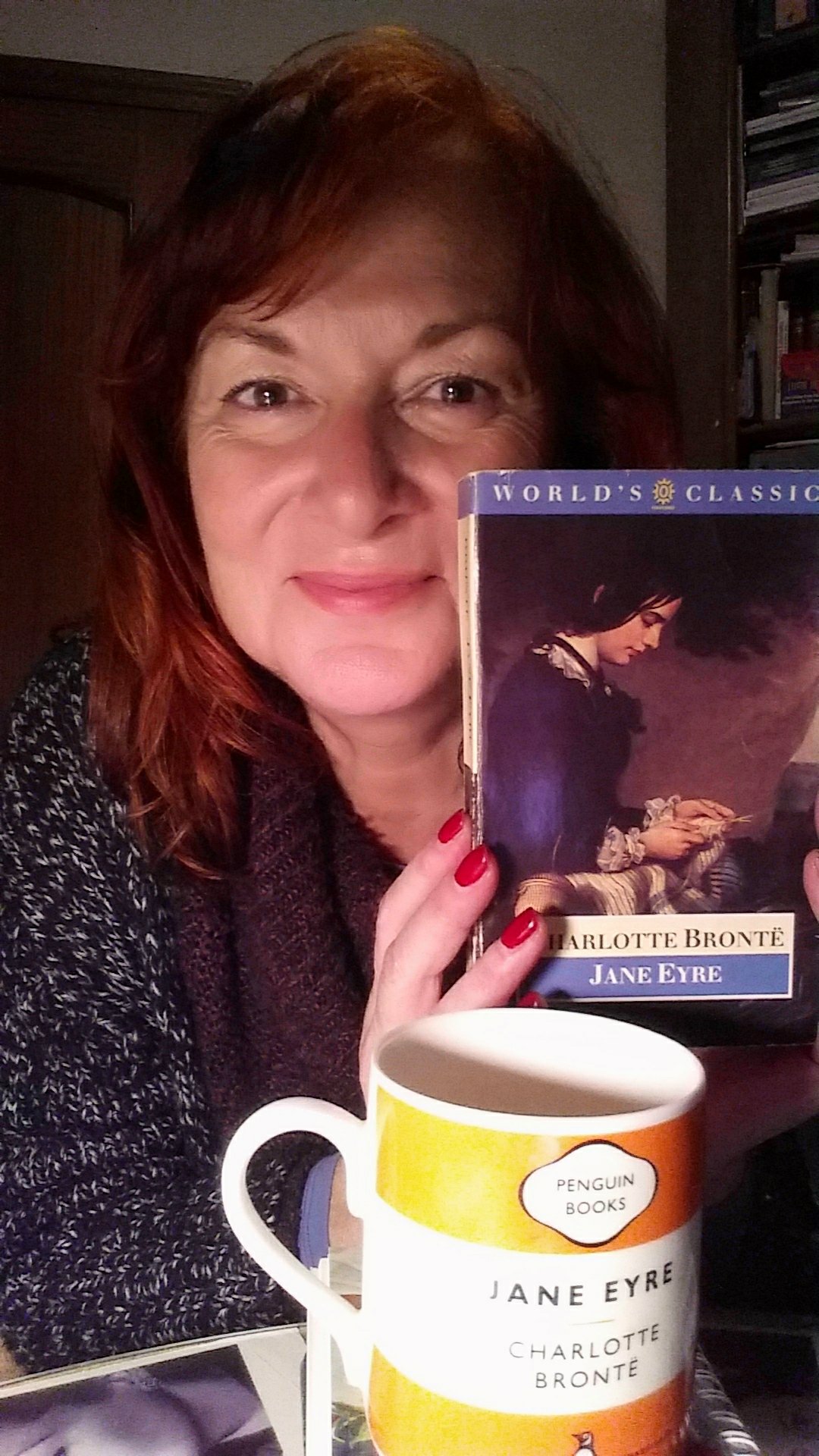
My latest copy of Jane Eyre, the one I’ve been rereading since 1980! And my Jane Eyre cup, a present from my best friend, Anna, who is neither a blogger nor a writer, but who knows? I’m working on it and both are highly contagious!

#AtoZChallenge ‘I is for Ink’ #Haiku #NaPoWriMo #PoetryMonth

Ink
Ink trickles from pen
I exist I bleed I write
Squeezing my soul dry
****

Writing a poem is slow, painful and cathartic. 

Feelings translated into syllables and words are painstakingly wrenched from the soul and poured onto a blank page.

It’s excruciating, disturbing, and always frustrating, but there’s no alternative. It’s the only option for the poet, condemned to pursue that perfect combination of phrases, sounds and emotions, she will never find…

And yet, I feel at peace when a poem is completed. I feel cleansed, untroubled, and hopeful, because the perfect poem is closer…

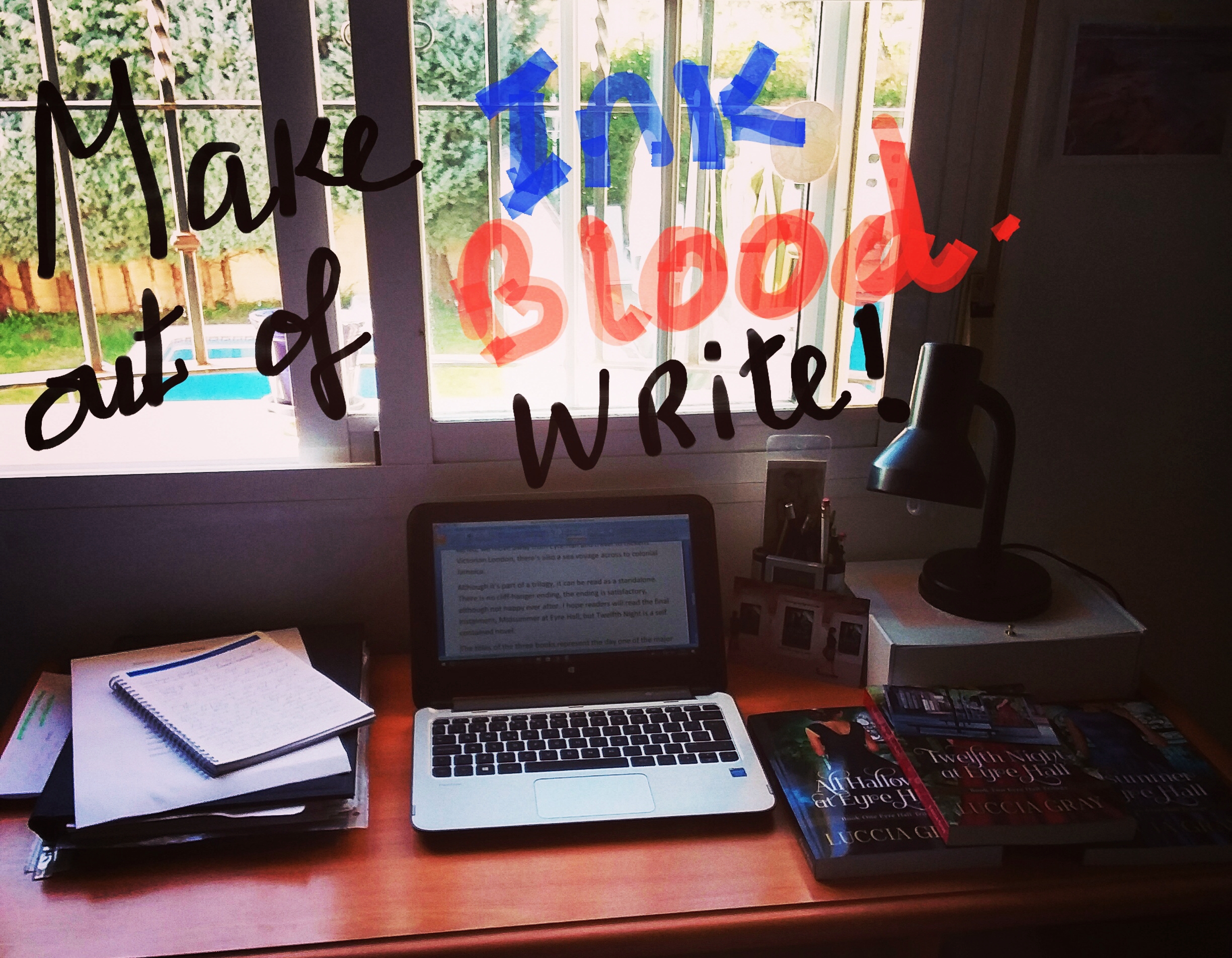
I wrote a piece of flash fiction Called Ink and Blood recently, which you might like to read, based on this same idea.

How do you feel while and after you’ve written a poem?

****

This year is my fourth AtoZ Challenge. My theme this year is poetry once again. I’ll be writing a haiku a day, but I’m also adding a new hobby to the posts, photography. I will post one of my photos, or a donated photo, every day to accompany my haiku.

This April, I’ll also be sharing my poems and joining another group of poets at National Poetry Writing Month, organised since 2003 by Maureen Thorsonn. Write 30 poems in 30 days. I’m in! What about you?


Rough Writers World Tour #Flash Fiction Anthology. How to Make Every Word Count #TuesdayBookBlog  

Writing is often a solitary endeavour, so supportive writing communities, like the Rough Writers at Carrot Ranch, led by Charli Mills, are invaluable to authors.

They’re a safe place where we can express our creativity, receive and offer feedback, and feel we belong to a greater worldwide community we would never be able to reach on our own.

Rough Writers are an encouraging and friendly group who often comment on each other’s flash fiction. There are usually lively discussions on the weekly prompt day and the round-up, as well as comments on each other’s posts.

My first contribution to the Carrot Ranch Flash Fiction Challenge was in February 2015. It’s been a great pleasure to have contributed with almost fifty stories over the past three years and to have read hundreds of other stories. I’m always amazed at how many different approaches the rough writers come up with to the same topic!

The first flash fiction anthology from Charli’s Rough Writers over at The Carrot Ranch was published in February, 2018. I am honored to have been part of that anthology, which was made possible by the participation of over thirty regular contributors to Carrot Ranch’s weekly Challenge, as well as Charli’s enthusiasm as group leader.

A very special mention and thanks to Sarah Brentyn, the fabulous editor of the volume, who made sure all our contributions were perfect (she certainly helped me make the most of mine! Thank you Sarah).

The Congress of the Rough Writers Flash Fiction Anthology Vol. 1 is available for distribution in 17 countries worldwide.
It’s available now in print and e-book versions: preferably via book baby; and also on Amazon US, Amazon UK

****

I’d like to share with you the one most important lesson I’ve learnt from writing Flash Fiction:

Make every word count.

The more I unclutter and draw my readers straight into the story, the higher the chances they’ll keep reading.

Contemporary readers are both busy and impatient, and their attention spans are shorter, because they’re more used to multitasking and online reading. I know this because I’m also a contemporary reader and I interact with many others! A great deal has been written about this, for example this article in the Guardian, Ebooks are changing the way we read, and the way novelists write.

Writing flash fiction (and poetry, but that’s for another post!) have both increased my confidence as a writer by:

· Improving my writing style,

· Enhancing my creativity, and

· Boosting my word power.

How to Make Every Word Count?

Whatever I’m writing, be it a poem, a flash or a novel, the first draft is all about finding and creating my story, so I write to my heart’s content, the more words and information the better, because at this point, I’m telling the story to myself.

It’s later, with the subsequent edits, when I start thinking of my readers, that I edit consciously and viciously. I ditch or combine scenes, shorten paragraphs and chapters, tighten sentences and ultimately, cut out words, or rephrase to clarify and get to the point.

In flash fiction, for example, a lot of the first draft will be brainstorming ideas, scenes, whole sentences, ignoring the word count.

Once I’ve completed my first draft, I start again and ask myself these questions about every single word:

· Does the word move the story on?

· Does the word tell the reader something essential?

· If I read the text without the word does the sentence still convey my intended meaning?

· Can I include the idea behind the word in another shorter way, for example with another expression or a different verb?

· Is there a more direct and clearer way of writing a sentence?

· Am I satisfied that each word conveys my intended meaning? There’s always a perfect word and I need to find it. I still have my original Roget’s Thesaurus, which I bought in 1980 on my desk, plus all the online tools available to activate all the vocabulary my brainpower can recall.

· Finally, I prioritize. I may need all the words, but I have a word limit. I must decide which words, or groups of words, even whole lines, are more essential than others to convey my meaning.

This is why it takes me less than thirty minutes to write the first draft of a flash or poem and several hours, often days, to come up with the final version.

With a novel it takes me about three months to write a first draft and at least six more for the subsequent drafts and edits.

****

Before concluding, I’d like to indulge in a short trip down memory lane and include my first contribution to the Carrot Ranch 99-word Challenge.

Aunt Lucy (Published on 9th February, 2015).

“Your sister should have married.”
“She’s perfectly happy on her own.”
“I suppose you can’t blame anyone for not wanting to live with her, can you?”
“What do you mean?”
“She’s as mad as a hatter.”
“What a horrible thing to say! She’s not mad. She’s just different.”
“Look at her clothes and her sixty-year-old hippy friends. They still smoke pot, for crying out loud! Thank God we had the sense to adopt her child so she could have a normal life.”
The door opened.
“I wondered when you were going to tell me Aunt Lucy was my mother.”
****

Here are my other contributions to Carrot Ranch’s Weekly Flash Fiction Challenge

Here’s a previous post I wrote about how flash fiction has improved my writing.
****

You might enjoy visiting these other Rough Writers who have taken part in the book launch and tell us about how flash fiction has influenced their writing.

Irene Waters in Australia

Susan Zutautas in Canada

Norah Colvin in Australia

Sherri Matthews in the UK

Sacha Black in the UK

Ann Edall-Robson in Canada

Anne Goodwin in the UK

Geoff Le Pard in the UK

****

What’s your experience of writing flash fiction? Has it helped you improve your writing, too?