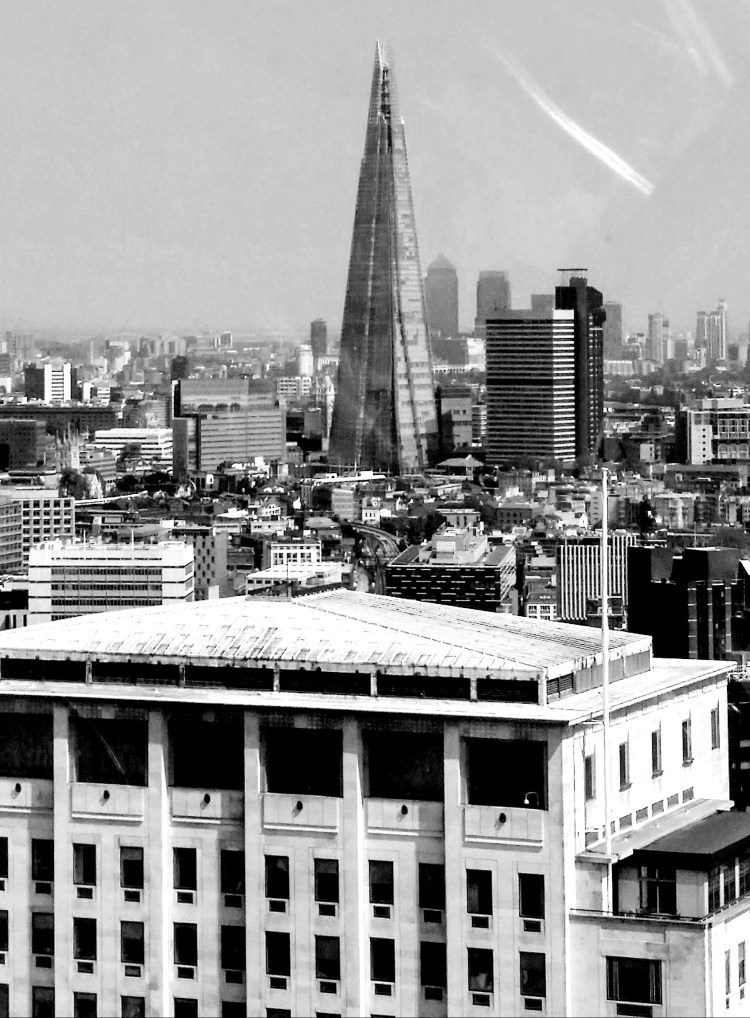
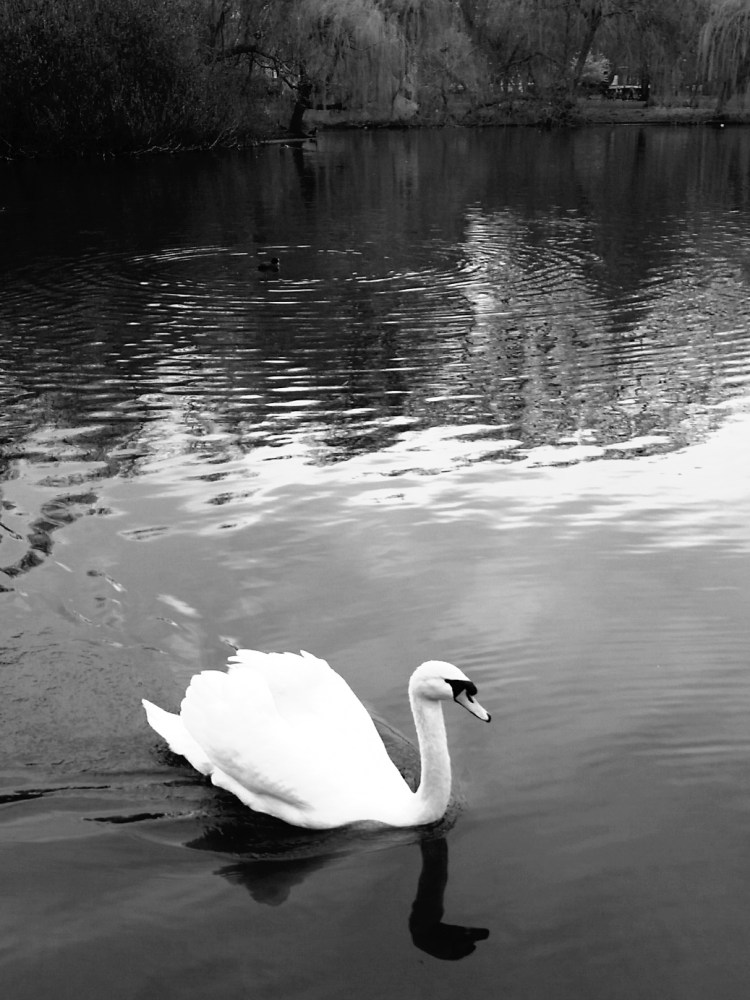
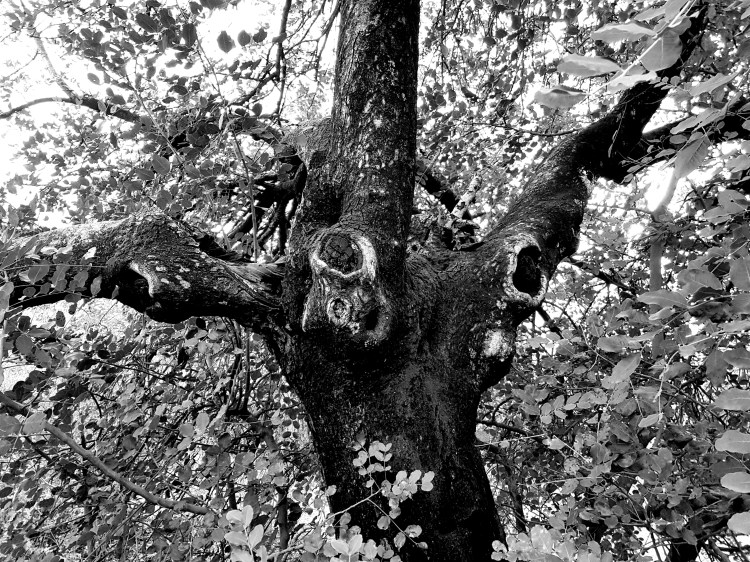
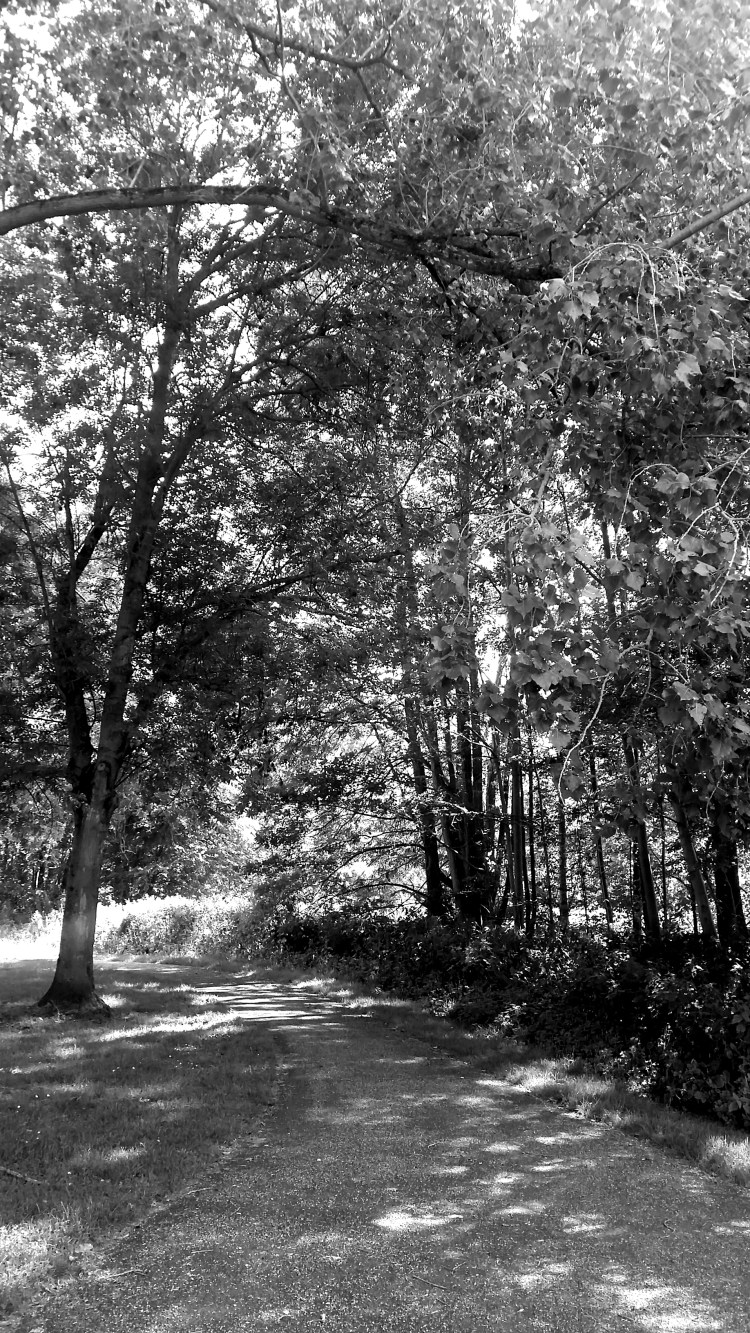
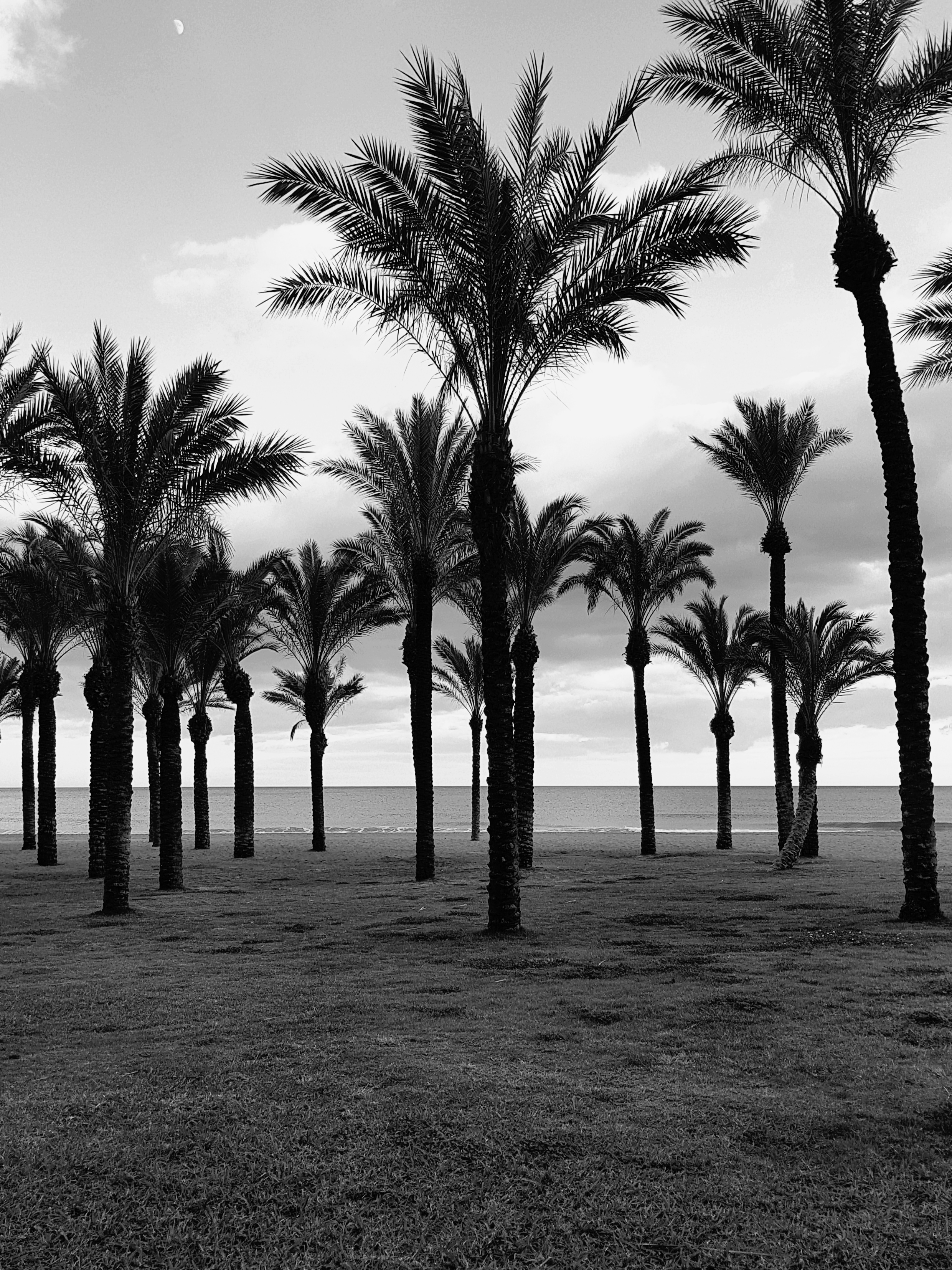
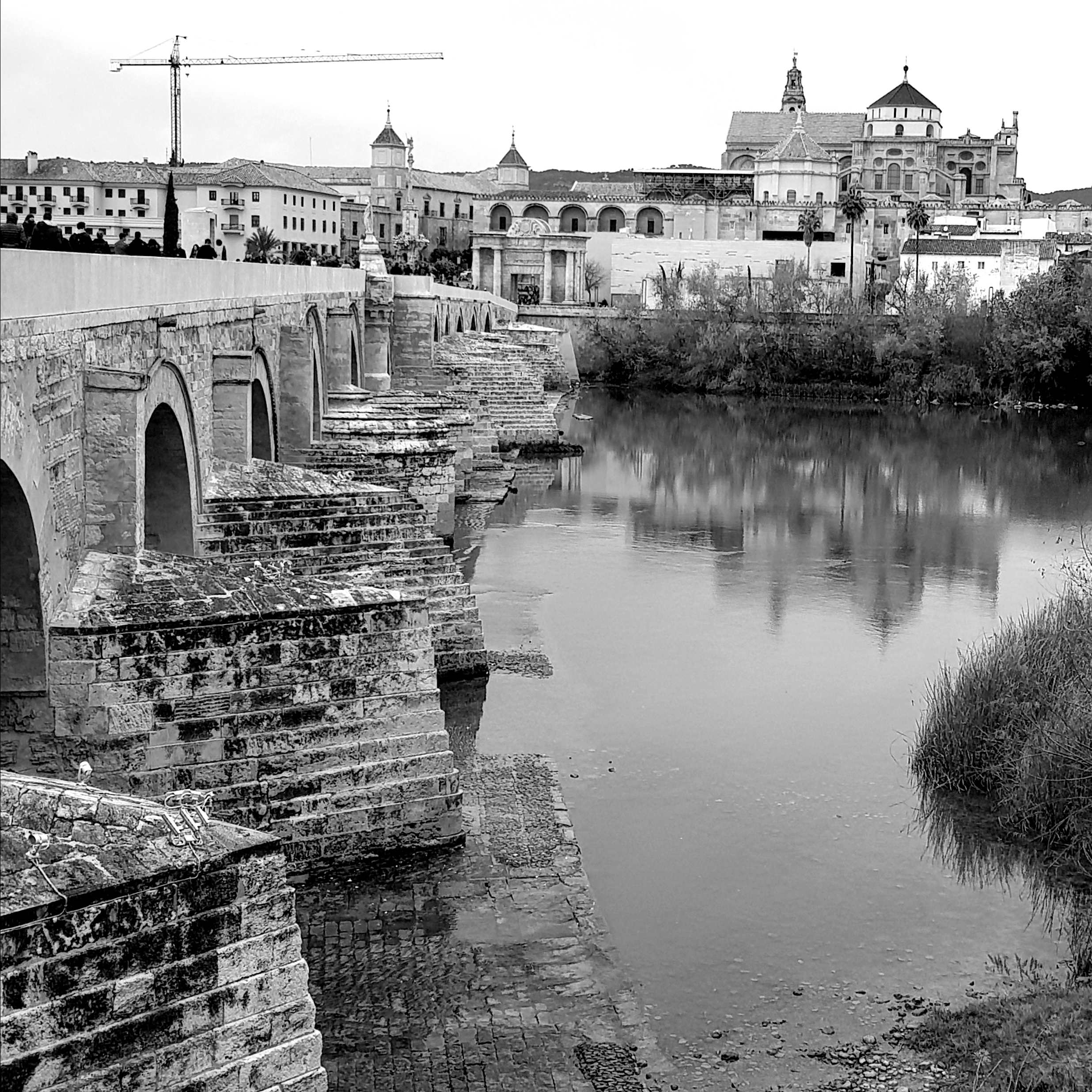
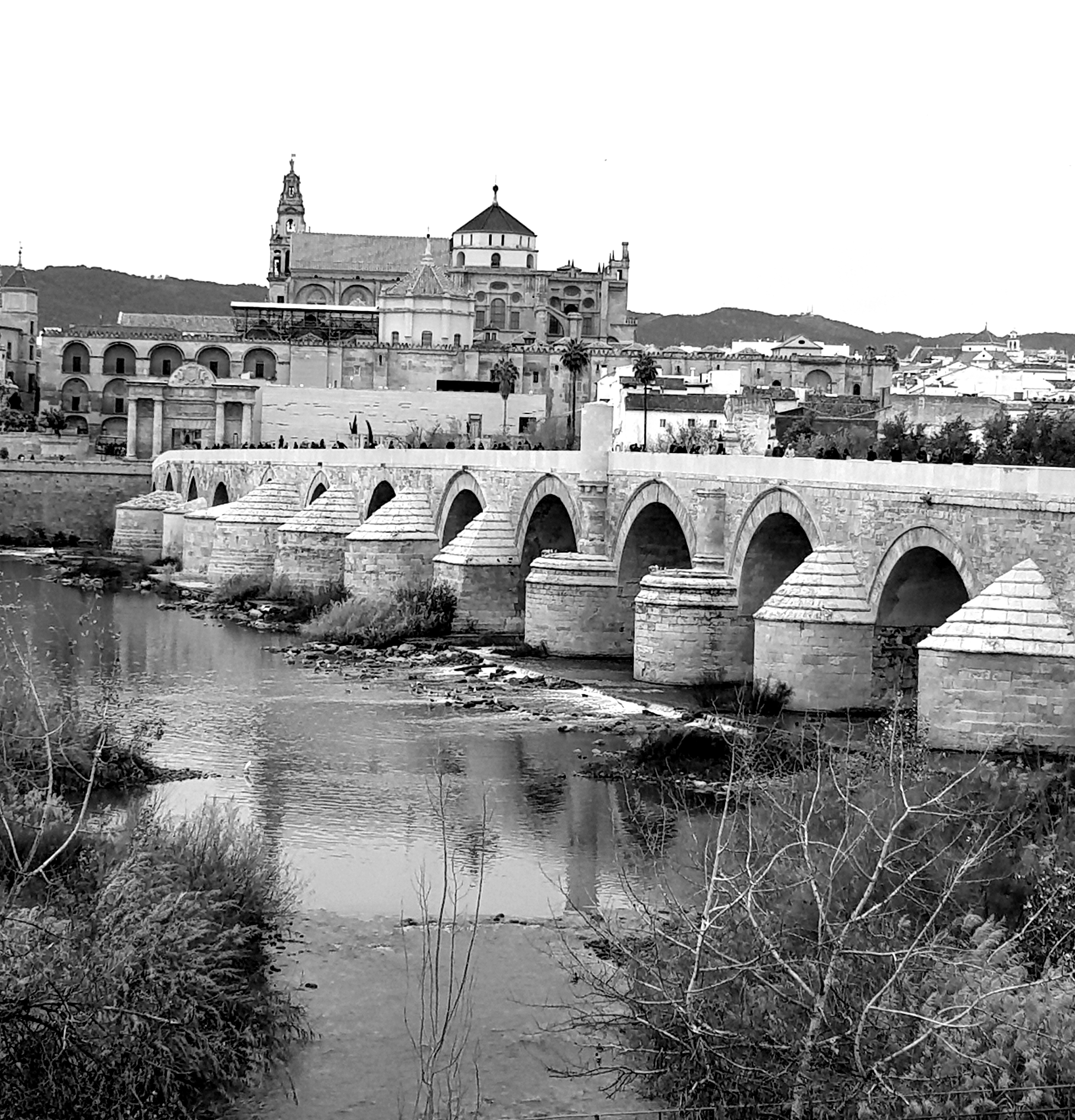
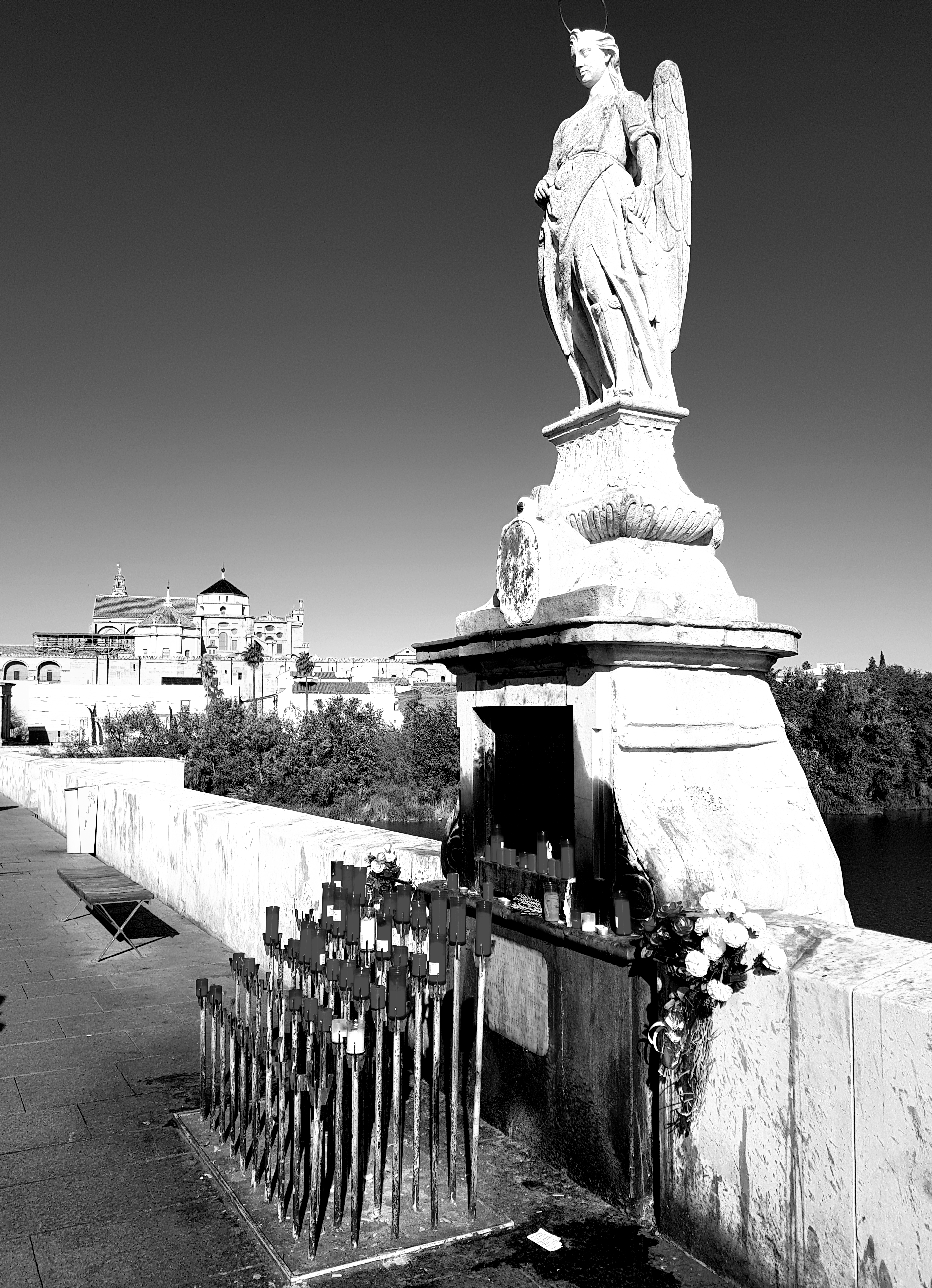
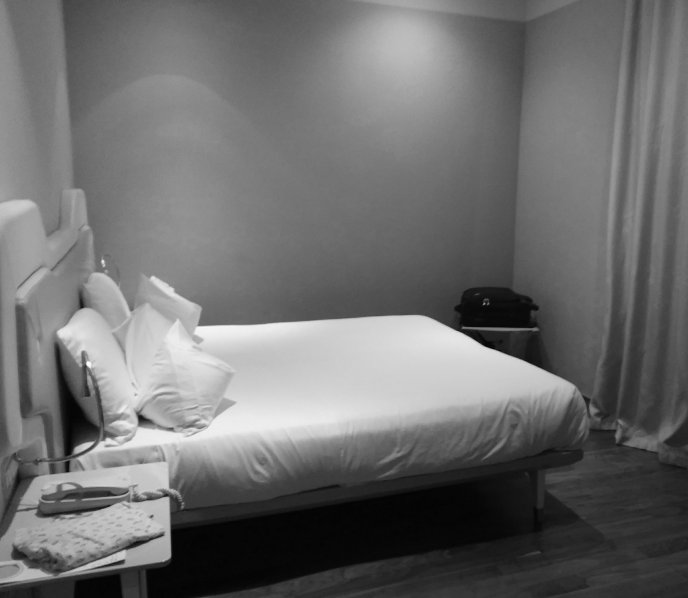
Black and White Photography Challenge: Seven days. Seven black and white photos of your life. No people. No explanation. Challenge someone new each day.
Once again, I would like to thank Shreya at Live Out Crazy for nominating me for this fun challenge! Check out her great blog!
Black and White Photography Challenge: Seven days. Seven black and white photos of your life. No people. No explanation. Challenge someone new each day.
Once again, I would like to thank Shreya at Live Out Crazy for nominating me for this fun challenge! Check out her great blog!
I nominate a Steve, a blogger I’ve recently started to follow, who blogs about writing, photography and friends, at Sun in Gemini, and Olga, author, translator, reviewer and blogging friend for many years, check out her book blog at Just Olga. Feel free to take part if and when you have time.
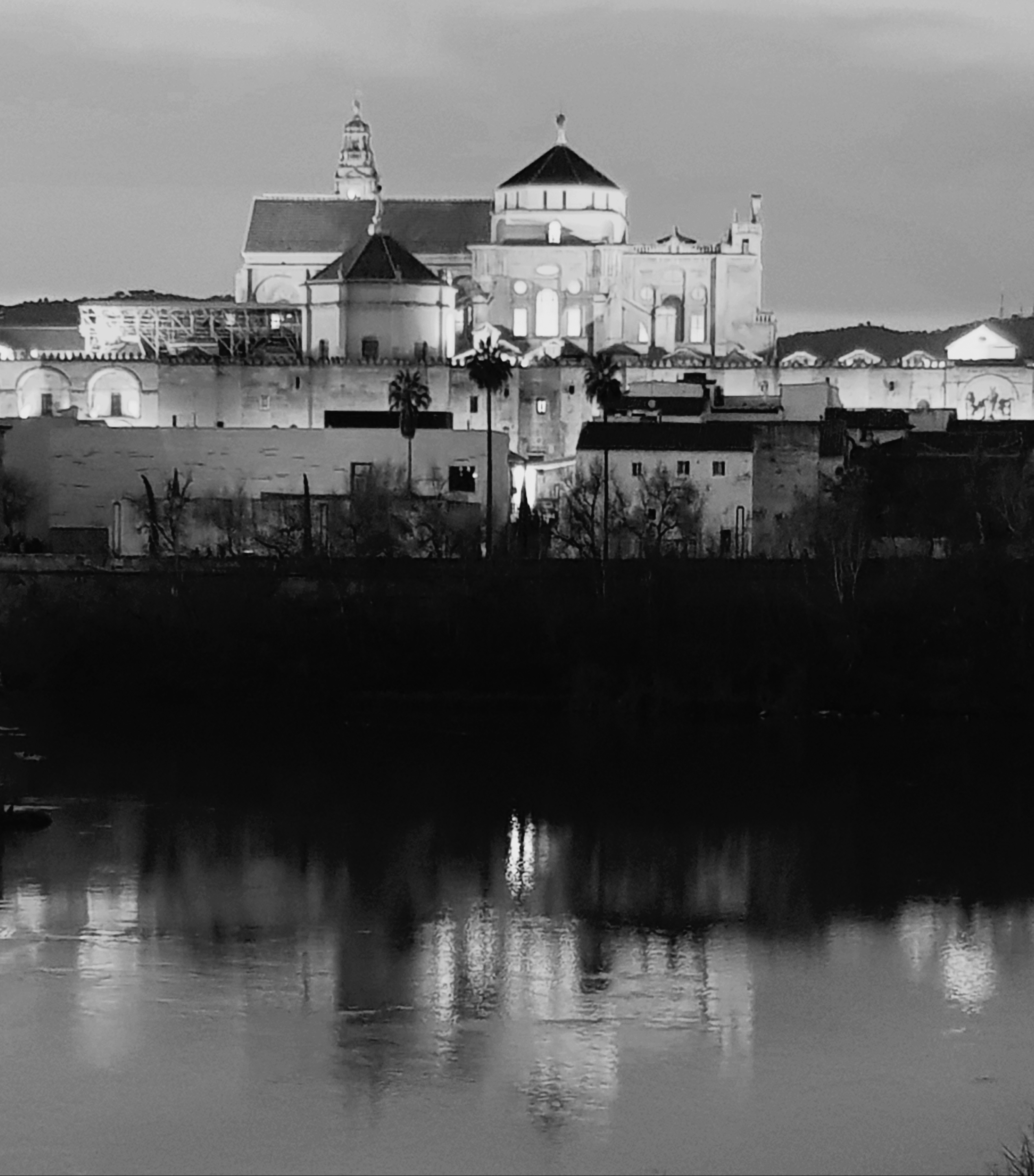
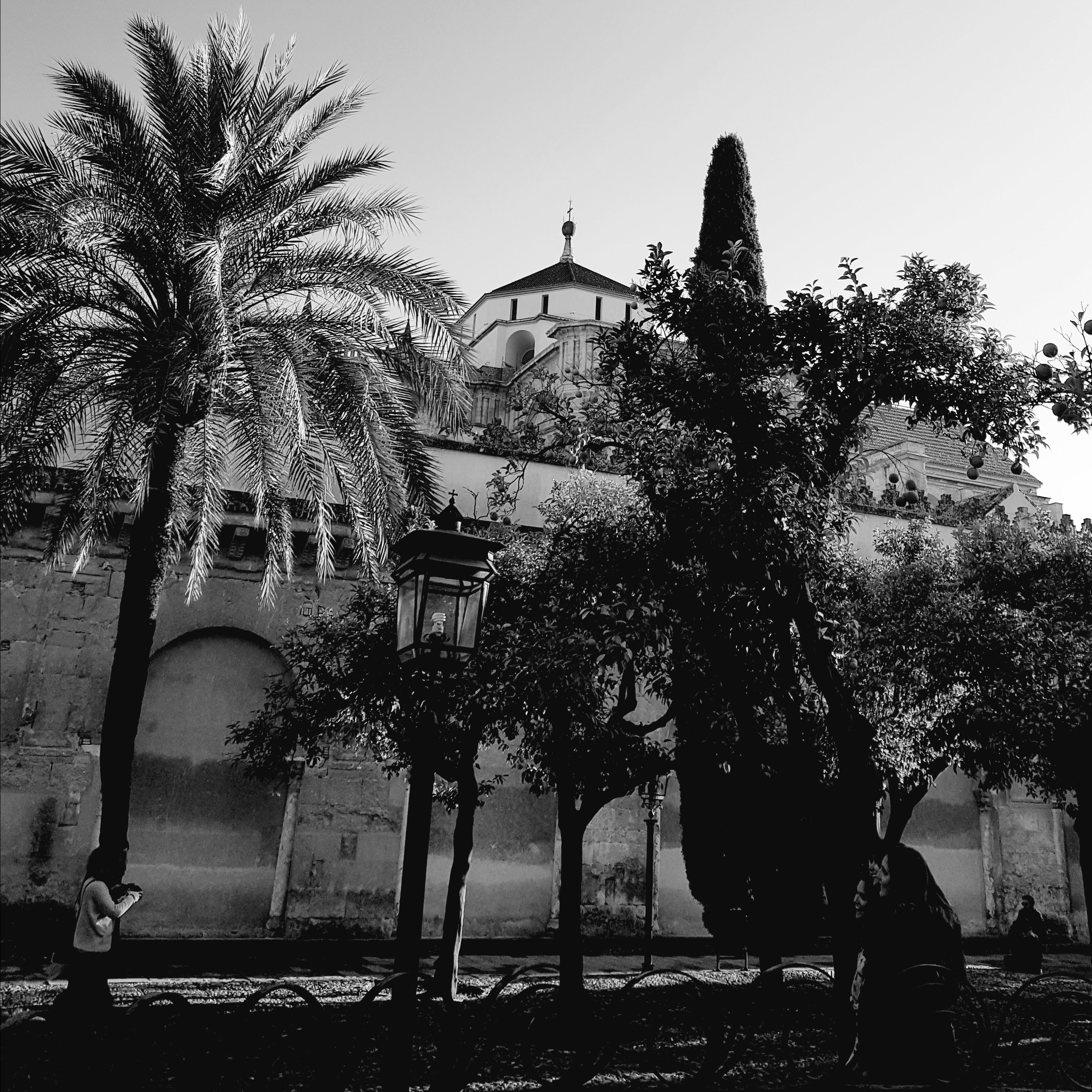
Black and White Photography Challenge: Seven days. Seven black and white photos of your life. No people. No explanation. Challenge someone new each day.
Once again, I would like to thank Shreya at Live Out Crazy for nominating me! Check out her great blog!
I nominate new follower, Sho who blogs about her thoughts at Love is Life and Gun Roswell who blogs about everything and nothing at Rantings of a Third Kind. Feel free to take part if and when you have time.
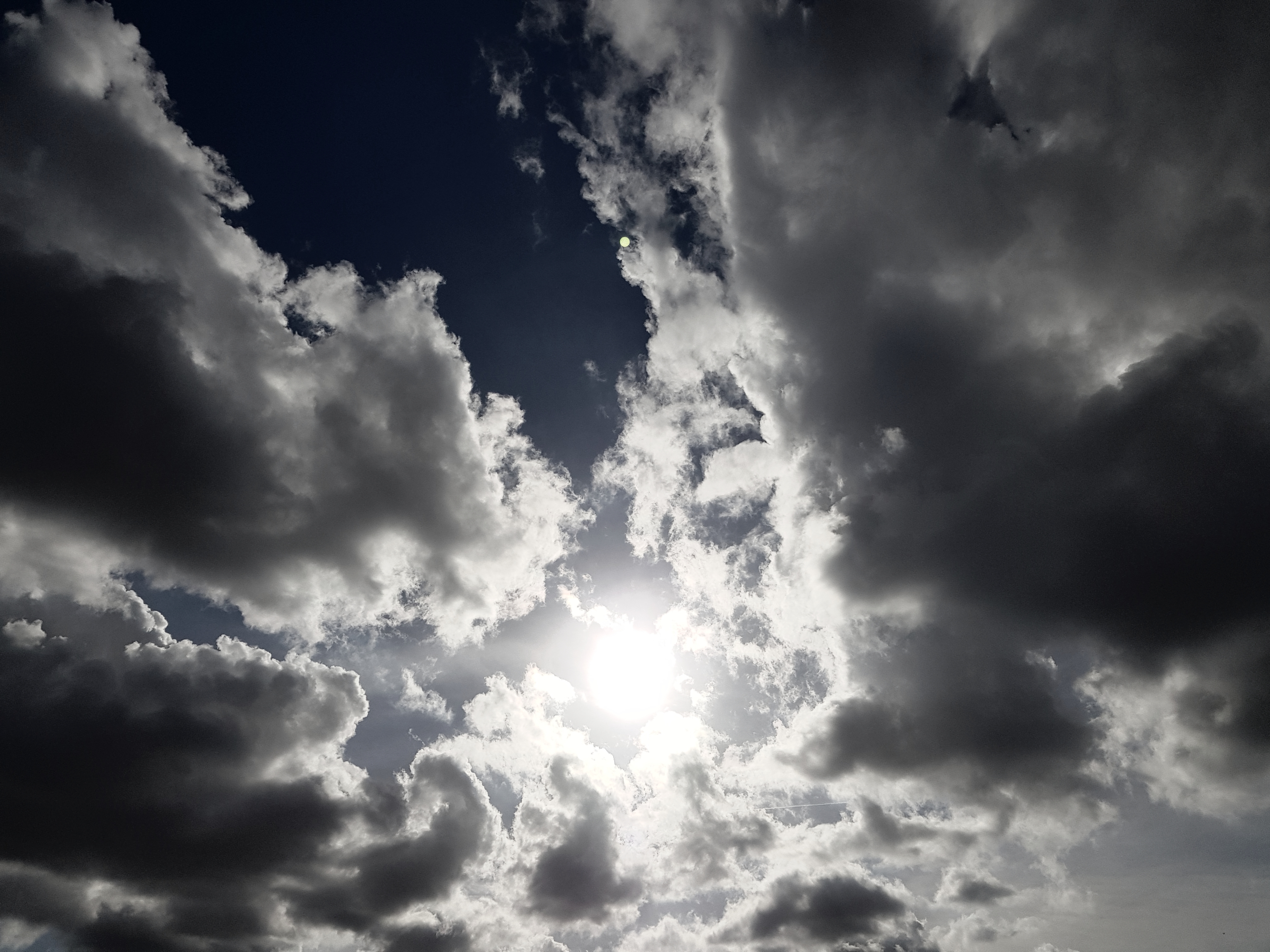
Seven days. Seven black and white photos of your life. No people. No explanation. Challenge someone new each day. Once again, I would like to thank Shreya at Live Out Crazy for nominating me!
I nominate one of my more recent followers, Yinglan, who loves life and photography and blogs at This Is Another Story, and Geoff Lepard who I met when I started blogging, about four years ago. He blogs about the universe in general and anything else that occurs to him at TanGental. Feel free to take part if and when you have time.
Seven days. Seven black and white photos of your life. No people. No explanation. Challenge someone new each day. I would like to thank Shreya at Live Out Crazy for nominating me!
I nominate new follower, adventure seeker and teacher at Teaching, Travelling and Talking and my blogging sister of over three years Noelle, at Saylingaway. Feel free to take part if and when you have time.
‘The remedy for love,’ by Bill Roorbrach is a breathtaking and unique novel. I’m really glad I chose to read it, because it has given me so much to think about, and so much to be grateful and hopeful for. Its underlying optimism and faith in human nature is contagious.
I wasn’t sure what to expect when I started reading. I was drawn in by the wintry blurb, ‘The Storm of the Century threatens western Maine,’ and the two unlikely protagonists; a young, penniless squatter and a lawyer, who find themselves alone and trapped in a cabin for a few days during the storm.
I started reading the first ten percent, as I usually do when a blurb catches my attention. I wasn’t sure if I’d continue reading, but once I started, I couldn’t stop and I finished the novel in one wonderful sitting.
The vivid descriptions transported me to the alarmingly unprepared cabin; no electricity or running water, or any type of ‘modern comforts’ we take for granted. The writing made me feel snowed in, chilled to the bone and terrified of the storm.
The only two characters present in the novel also came to life with their loneliness, pain and singularities. Danielle, a starving and homeless young woman, seems unstable to the point of lunacy, and Eric is, at first, a cold, uncaring lawyer, interrogating a suspicious client.
I enjoyed listening to their banter and occasional quarrels. I was grateful for the comic relief brought through their dialogue and interaction which was well constructed and realistic, given their peculiarities and the situation they were trapped in.
Neither of them are who they seem at the beginning. They are both in denial, living in a parallel universe, refusing to face the truth of their respective situations. They cope in very different ways. Eric, abandoned by his wife, is involved with his community doing pro bono work, while Danielle has chosen the solitary path of an outcast, and yet they are ultimately able to help each other start to face the truth of both their situations, in order to move on.
It is not a traditional love story, and there is no conventional love between the characters, although they grow to care for each other, and yet, it is an intensely romantic novel, because there’s an underlying belief that love can heal, that love can break down barriers, and love can arise in the most adverse and unexpected ways.
In spite of the undeniable affection and attraction which grows between them, the few intimate scenes are more gritty than romantic, and yet, there’s no doubt in my mind, that their relationship will develop and their lives will never be the same after their encounter, because they’ll both start moving on from their pain and loss, whatever happens between them in the future.
It isn’t a happy ever after, easy ending, there’s still a lot of healing to be done after the final page, but it’s an optimistic and hopeful conclusion.
I was surprised at the negative reviews, but on the other hand, I’m aware that it is a challenging and intense novel, which will not leave any reader indifferent.
Interdependence of Permanent and Transient aspects in art and literature
When I travel, I make a point of visiting art galleries and museums and I visit local art galleries regularly.
I love visual arts, and although I’m no expert, and my tastes are very eclectic, I have my preferences regarding what interests and inspires me and what illicits no response.
As a writer, linguist and teacher, I work mainly with words, not images, although I find images inspiring, but only if I can identify a narrative.
A picture must tell me a story or make a statement which is meaningful to me, in order to feel a connection.
This perceived story or message may or may not have been the artists’ intention, and yet once the work of art has left the artists’ hands, it becomes subject to the viewers’ reinterpretations.
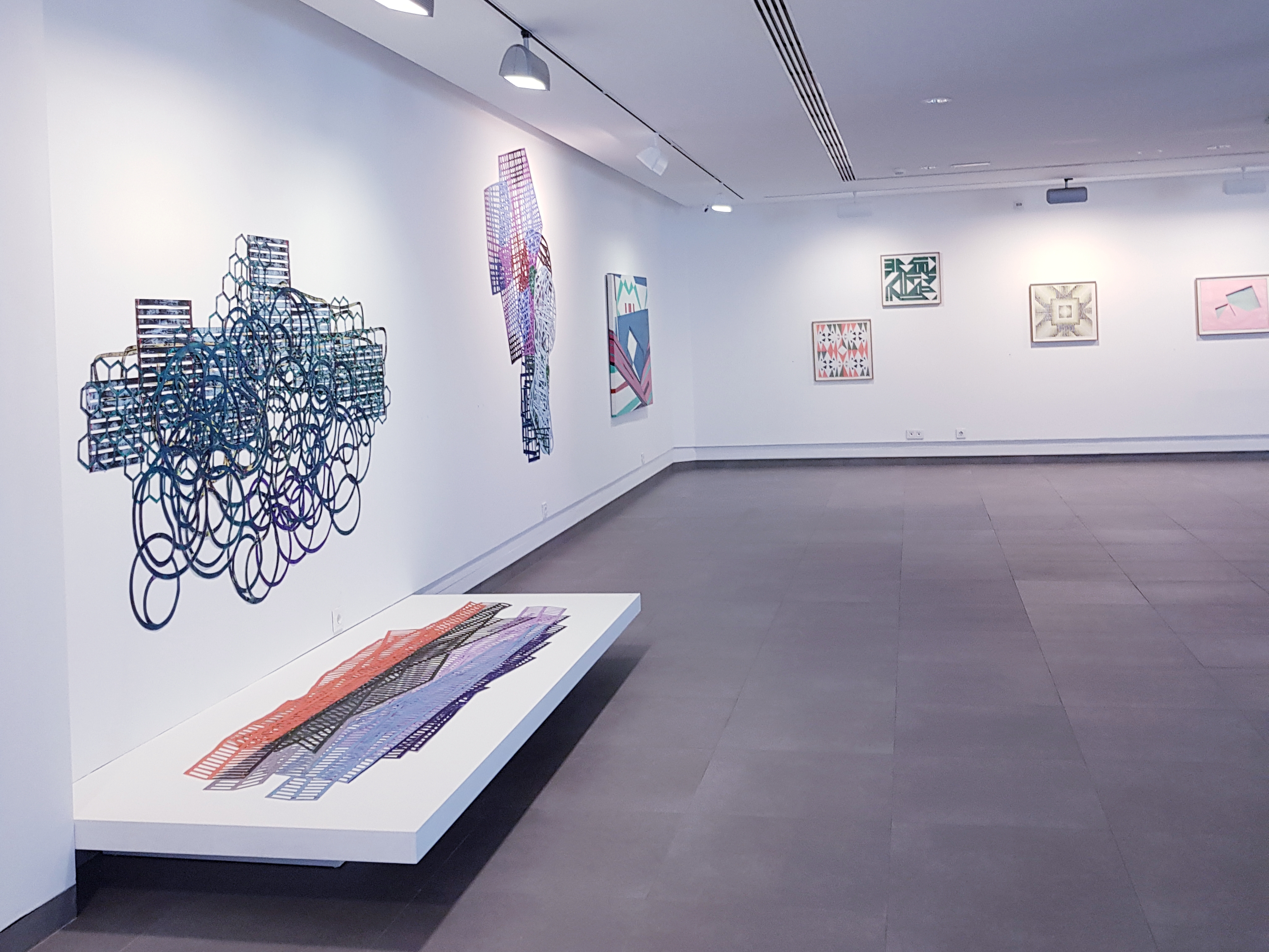
Geométrico Trip South at Fundación de Artes Plásticas Rafael Botí, Cordoba, Spain.
I went to an art exhibition yesterday, which I enjoyed. I was also lucky enough to meet and speak briefly to two of the artists. I’d like to share with you my thoughts on permanent and transient aspects in visual arts and literature, which were inspired by the artists and their art.
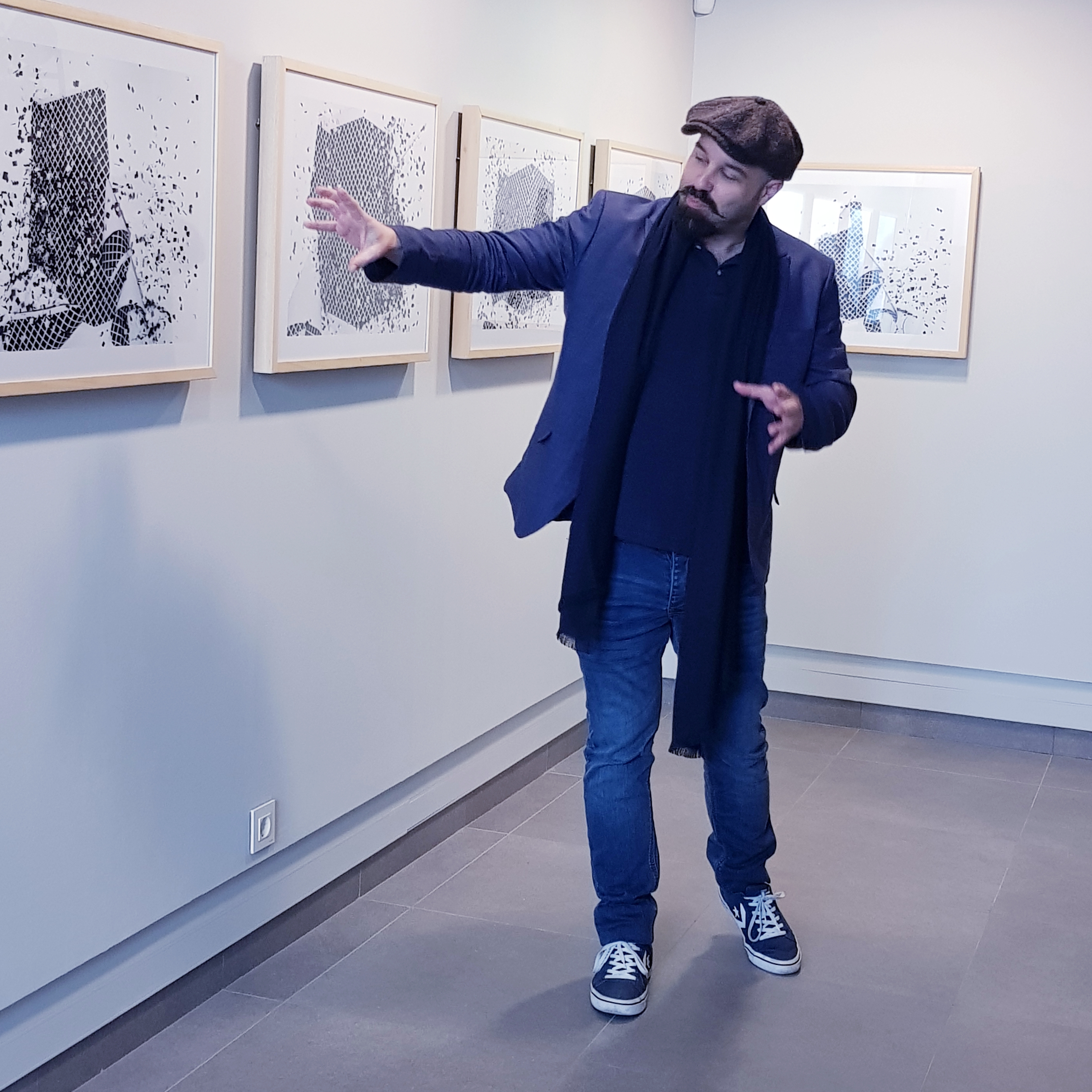
Fernando M. Romero discussing his works in Cordoba 3rd February, 2018
I was especially impressed by the work of artist Fernando M. Romero, who was born in Cordoba, studied Fine Art at the University of Granada, and is currently working on his MA at The Royal College of Art, London. UK.
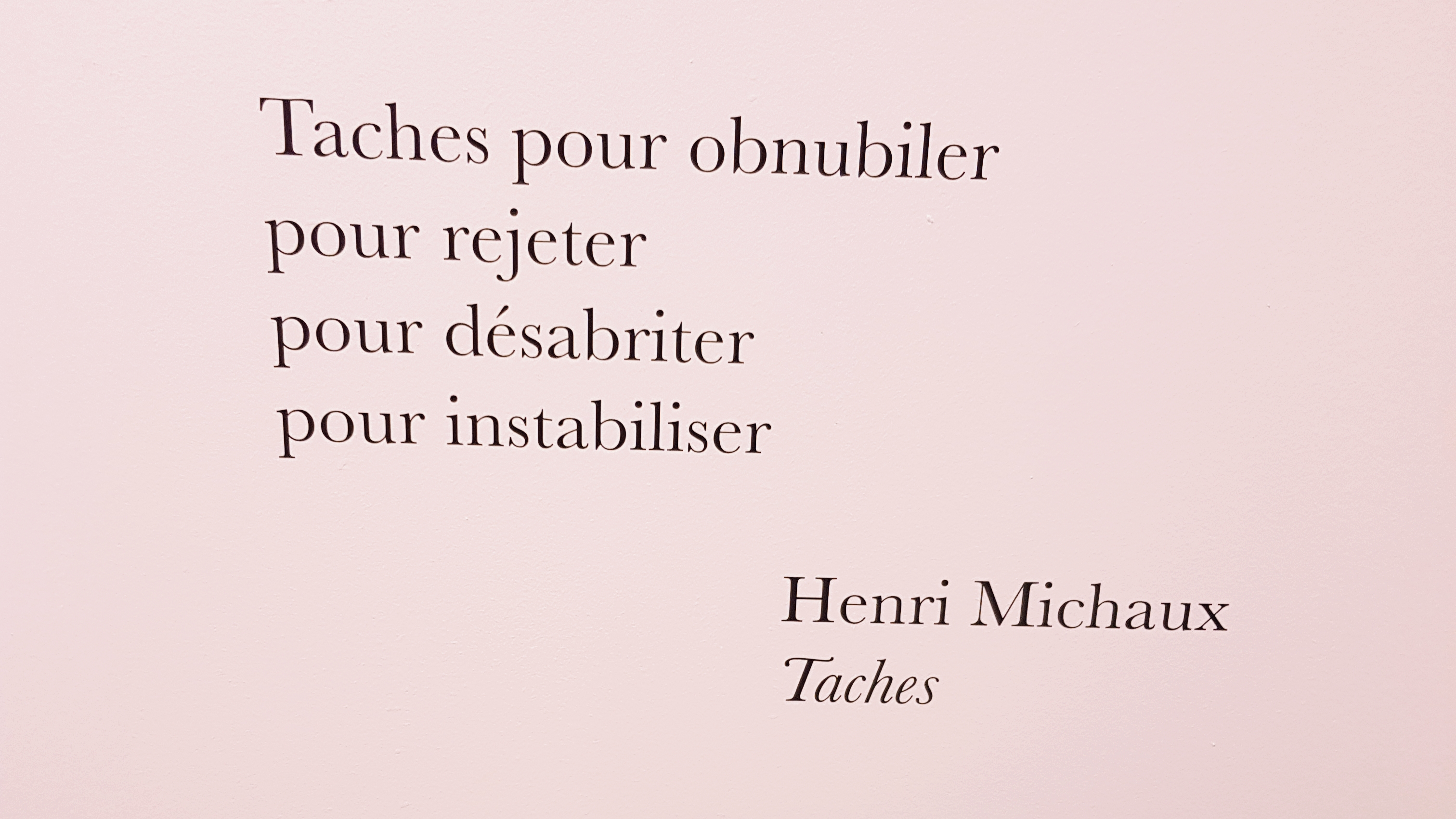
Fernando combines geometric shapes, associated with Cubism and the more abstract Tachisme, a style of painting adopted by some French artists from the 1940s, involving the use of dabs or splotches of colour.
Tachisme was a reaction to Cubism and is characterized by spontaneous brushwork, drips and blobs of paint straight from the tube, and sometimes scribbling reminiscent of calligraphy.
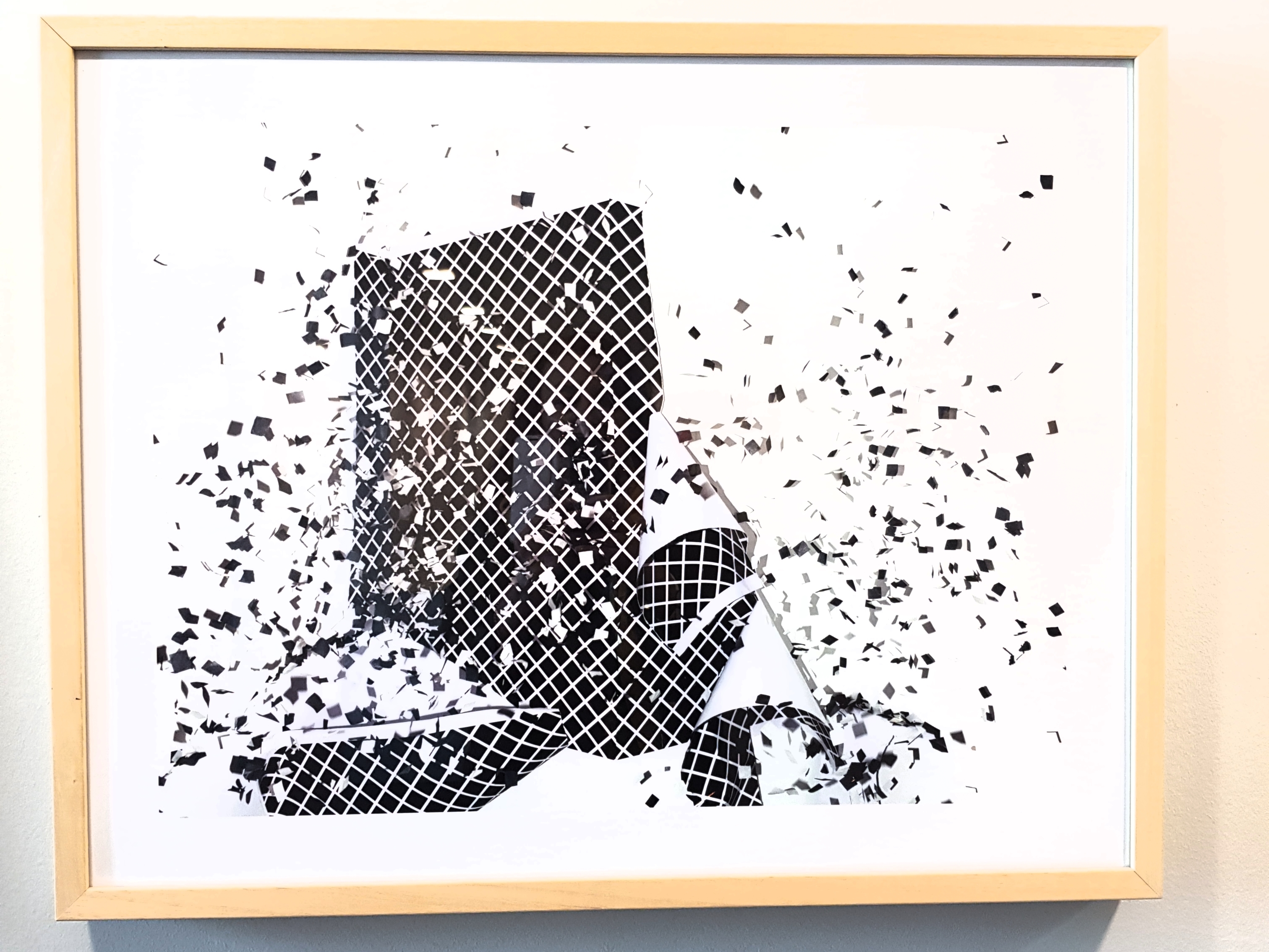
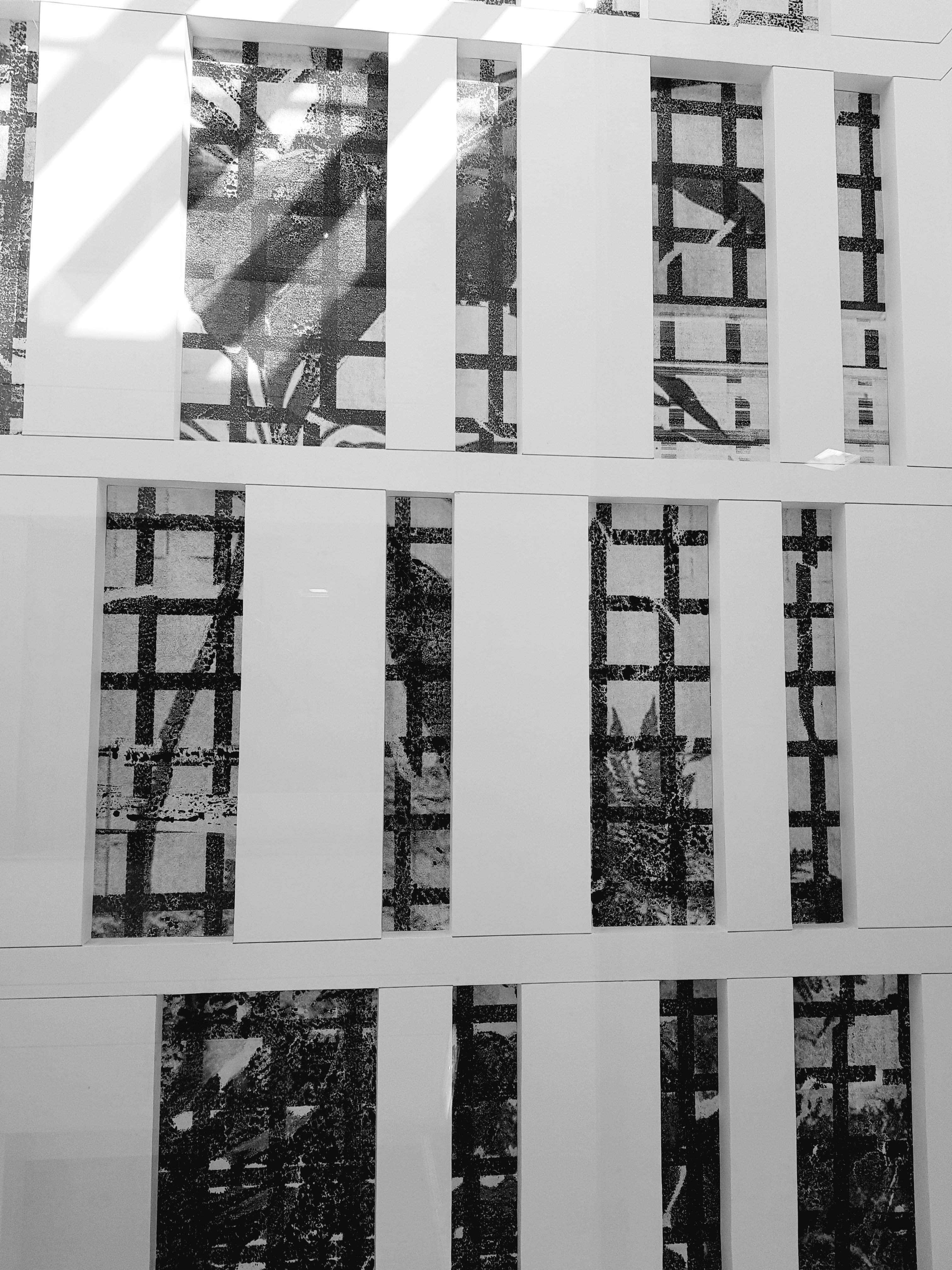
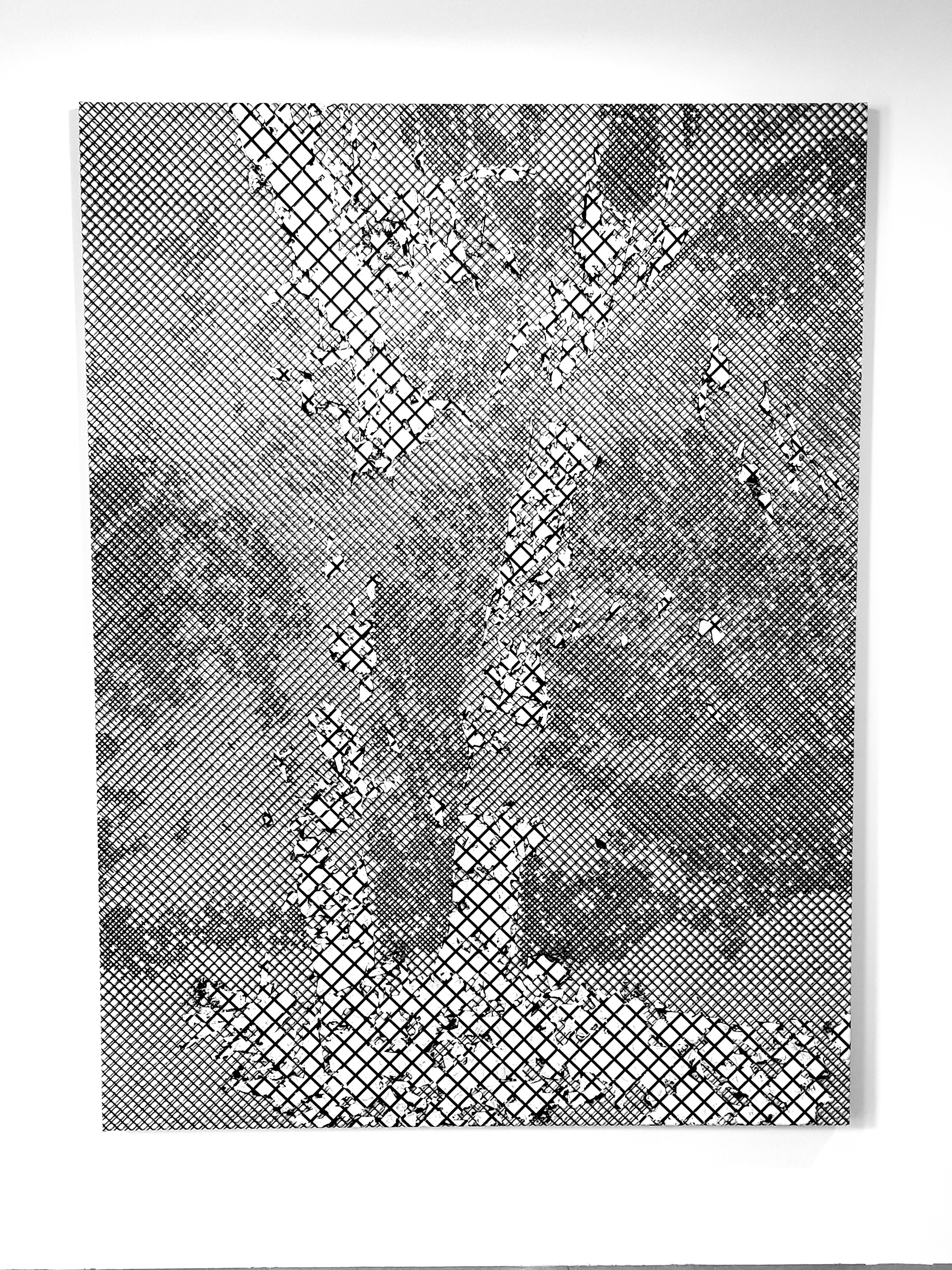
I was impressed by Fernando Romero’s work, and I was intrigued by the combination of a permanent, recognisable background, splattered with ephemeral, abstract, blotches on. over, and around the solid geometric shapes.
I connected with his narrative and perceived a clear message; the coexistence of permanent and ephemeral aspects in our lives and how both are necessary and even complimentary. In fact, one cannot live without the other.
A perfectly designed geometrical world, would be unbearable, and yet a world in which everything were temporary would be stressful. I need to know that although some things are short-lived, others will accompany me for the duration, and hopefully outlive me. Isn’t the artist in search of a tiny piece of eternity?
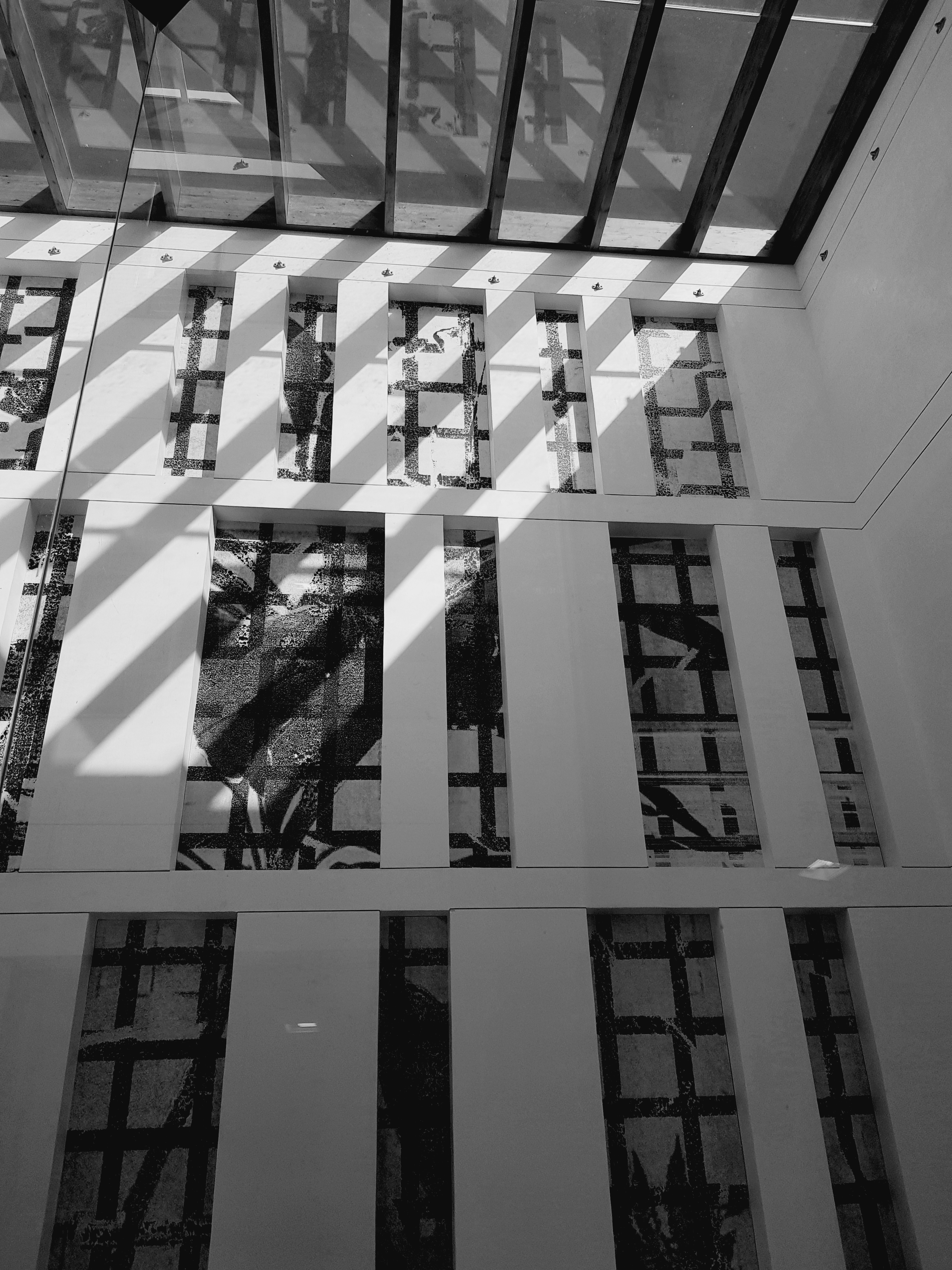
Grid_001 (Lacock Abbey) 2016 by Fernando M. Romero
I was also attracted to the simplicity and minimalism of the artist’s use of black and white. Less is more, as the work of art expresses the simplicity and the essence of the message: The artist is free to experience and create an ephemeral moment, because it exists within a permanent environment.
Can this concept of permanence and transience also be applied to literature? And if so, what does this mean to me as an author?
I think it is also not only applicable, but present in literature.
It means an author can make use of a permanent and universally acknowledged corpus of linguistic theory and literary history in order to produce a novel, which is a product of his/her transient and ephemeral imagination.
This creation might become part of a literary canon, or it may slip through the cracks and dissolve into a timeless, barrierless universe, as two modes of being, transient and permanent, coexist and interact.
Personally, it means I am fortunate enough to be able to make use of a language that has a solid, albeit flexible linguistic system I use to recreate my own stories, which are built on other well-known novels and characters grounded in our conscious knowledge and memories, as well as our collective unconscious.
My contemporary version of other literary movements, such as Gothic Romance and themes in Victorian novels, is however ‘stained’ and splashed by my transient, sometimes irreverent brush strokes, in my own reinterpretation and rewriting of Neo-Victorian fiction, and I’m not going to apologise for my literary ‘Tachisme’.
You can visit the exhibition in Córdoba until 1st April 2018.
How do you believe literature combines permanent and transient aspects?






 Rereading Jane Eyre