21 Ingredients for a Great Novel #MondayBlogs

I’m a writer, but, as I’ve so often said, I’m more of a reader than a writer, because I admit that I prefer reading to writing.

I’m a great reader, which means I read a lot, much more than most people.

I’ve always read a lot, but in the last three-four years, I’ve been reading between eight and fifteen books a month, depending on weather I’m writing or not. Most of the books I read are kindle ebooks, but I also read some paperbacks and a few audio books a month, too.

I read contemporary fiction, especially independent authors, debut authors and some bestsellers.

I especially enjoy reading psychological thrillers, romantic suspense, crime fiction, paranormal (but not vampires etc.), women’s fiction, Chick lit, historical romance, and contemporary romance.

I finish and review almost every book I start, unless I don’t enjoy it. Reading is a pleasure, and life’s too short to read books that aren’t for me.

As a result of all this reading and reviewing, I’ve decided to write a very personal, and therefore totally subjective, list of ingredients that make a great novel.

Here are my ingredients, in no particular order.

  1. Good editing is basic. I don’t mean random typos, which I may not even notice, I’m talking about grammar, syntax, register, clichés, repeated words, too many dialogue tags, and punctuation.
  2. Not too wordy. I don’t enjoy reading too much information, which adds nothing to the plot or characterisation. I don’t mind an occasional ‘red herring’, but I’m not keen on plots that go all over the place and confuse me.
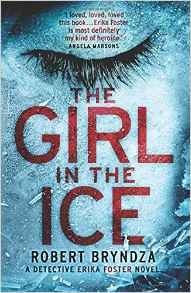
  3. Good writing, which means it’s pleasant to read. This ties up with the previous points. I really appreciate, clear and precise prose, which gives me the information I need to feel I’m part of the setting and get to know the characters, like Girl in the Ice. 
ice

  1. Short chapters and short paragraphs are easier to read. I’m very busy and sometimes tired, as most readers. I read for a few minutes here and there, often while commuting or travelling, on a lunch break, between chores, at the end of the day, etc. I don’t enjoy rereading long paragraphs to try to understand what the main point is.
  2. Not too long (although it can be part of a series). In general I prefer books between 70 and 80 thousand words, which can be read in a few afternoons or evenings. I don’t mind occasional cliff hangers, as long as part of the story is complete, otherwise I feel frustrated. I don’t mind reading part of a series either, I fact I quite enjoy it, as I’ve become invested in the characters and want to know more about their story, such as The Detective Jack Stratton books. (There are exceptions, by exceptional authors such as Ken Follet. I don’t mind how long his novels are!)

detective-jack-stratton

         6. Not too short (unless it’s a book of short stories). Most short novels I’ve read feel incomplete. I prefer a longer story.

          7. Engaging characters. Characters don’t have to be likeable, in fact I’m attracted to flawed characters, but I need to be interested in what’s happening to them and what they’re doing. Ideally, they need to be having a hard time, and I need to care about how they cope with their issues, such as ‘I Let You Go‘ in which a woman is coping with the results of a tragic accident she was involved in. i-let-you-go

           8. More than one viewpoint. Life isn’t monochrome, and although I have nothing against stories told from one point of view, I prefer at least two distinct voices. It makes the story more complex and I feel as if I have all sides of the argument. One person’s vision or viewpoint is necessarily limited. I love two first person narrators as ‘Gone Girl’.

gone-girl

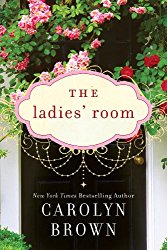
          9. An overall meaning or message. It’s especially rewarding to read a novel when the events or feelings are part of something bigger than the story itself, for example a universal event, in which we could all experience, such as the overcoming the pain of the loss of a child, or a divorce such as ‘The Ladies Room.’
ladies-room

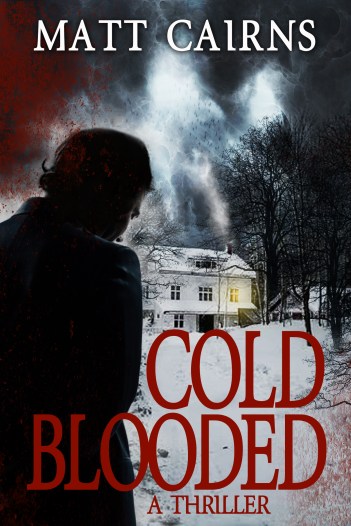
          10. Surprises or plot twists every 6-10 minutes. Sometimes novels drag because nothing much happens for pages on end. I need things to happen constantly to keep me turning pages. This needn’t big huge plot twists, it can be a change of scene, character, some news, anything that moves the action forward and stops the slow or dragging sensation, like Matt Cairns, Cold Blooded, which wastes none of the reader’s time in this gripping thriller.
Cold Blooded 2 (1)

          11. Unexpected big twist right before the end. I love this. When you think everything’s sorted out and there’s another unexpected turn, which makes you sit up. The last 10% is as important as the first 10%, because it’s what will stay in my mind and convince me to buy another book by the writer, such as ‘The Sister’.
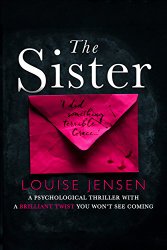
sister

          12. Not too many main characters. Two main characters are often enough, although I prefer a few more, but too many can be confusing, unless it’s a complex family or historical drama.

        13. Defined secondary characters. I dislike lifeless secondary characters. All characters in the novel should all come to life, even if their role is secondary. Imagine watching a film where only the protagonists are good actors, but the rest are amateurs. The film wouldn’t be much good, would it? The secondary characters need to support the main characters, and they’re often entertaining and vital for moving the plot forward, like The Photographer’s Wife.
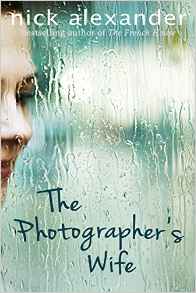
photographers-wife

         14. Concentrating the present-time action (narrator time) in a short period, for example a few days, helps me to focus on the plot, even though back story will also usually be included in flashbacks or conversations, such as The Ventian, which takes place over a weekend in Venice.

venetian

         15. Gradually including back story. The back story is usually necessary for the plot to develop and to get to know the characters, but the way in which it is gradually told will build suspense and add unexpected plot twists.

         16. Surprising angle to an old story. Most plots are familiar. So many stories have been told in so many ways that it’s hard to be original, but when it happens, it’s riveting! For example murder from the dead child’s point of view as in ‘The Lovely Bones’, or telling the story of a millionaire falling in love with a poor girl, set in the early 20th century between a fake medium and a railway baron, as in Baron.
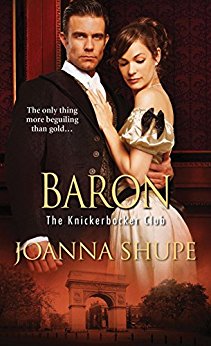
baron

            17. Romance. Love is an important part of everyone’s life, falling in love, staying in love, overcoming relationship crisis, moving on, second chances, are all situations I love to read about, such as The Hollow Heart.

a-hollow-heart

         18. Humour. I enjoy reading comedies, occasionally, but a touch of humour is often enough. A humorous situation or character, lightens the drama, and it makes the story realistic; we all come across witty people, who liven up our daily lives. I love romantic comedies told from the point of view of men, which are often very amusing, such as Emma Chase novels, especially, Sustained.

Sustained cover

        19. Drama. I love reading about events which make me feel strong emotional reactions such as anger, fear, sadness even. I cried at the end of Who We Were Before, but I loved that the writer was able to provoke that emotion.
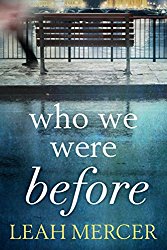
who-we-were

          20. Extraordinary things happening to ordinary people. I love it when what happens to the characters could happen, or could have happened, to me or people I know. It’s credible so I feel drawn into the story. For example a computer programmer who is targeted by the Russian mafia, as in Kissing my Killer.

Kissing My Killer 600x900

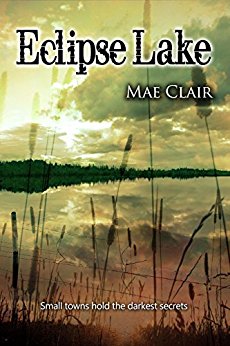
        21. The setting. I love it when the setting or a specific place in the novel becomes as important and unique as the plot or characters, not just the background. This can happen if it’s a city, village, or an idyllic landscape, or country house, such as in ‘Eclipse Lake.

eclipse-lake

Do you agree with (all) of these ingredients?

Can you suggest any other ingredients to include?   

 Let me know, I’d love to hear what you think!

wp-1488284919449.jpg

Follow Luccia Gray on Social Media:
Twitter

Facebook

Goodreads 

Check out Luccia Gray’s Books on Amazon 

WRITESPIRATION @sacha_black #105 52 WEEKS IN 52 WORDS WEEK 9 Describing Feelings

This post was written in response to Sacha Black’s weekly prompt for 2017 (52 weeks in 52 words).  Join in here!

Sacha will post one prompt a week for 52 weeks, and the challenge is to write a story in just 52  words exactly. The value of conciseness for a writer is invaluable, as Sacha herself reminds us: ‘The art of being concise is nothing if not a muscle flexing ‘write’ bicep curling device’. This weeks’ prompt ‘The distance between,,,’ 

52-words

This week, Sacha wants us to describe how we’re feeling, without mentioning the word, and she’ll try to identify the feeling. Sounds like fun!

Here’s my 52-word take:

I’ve started two novels in Spanish, but they’re on the shelf. I’m preparing my Victorian trilogy for a box set, and I’m writing a prequel and a sequel. I’m busy with a contemporary psychological thriller I’m plotting, and I’m seriously thinking of finishing the novel my sister had started when she died.

****

So, Sacha, or anyone, tell me how I’m feeling, because I don’t know how to describe this xxxxx state!


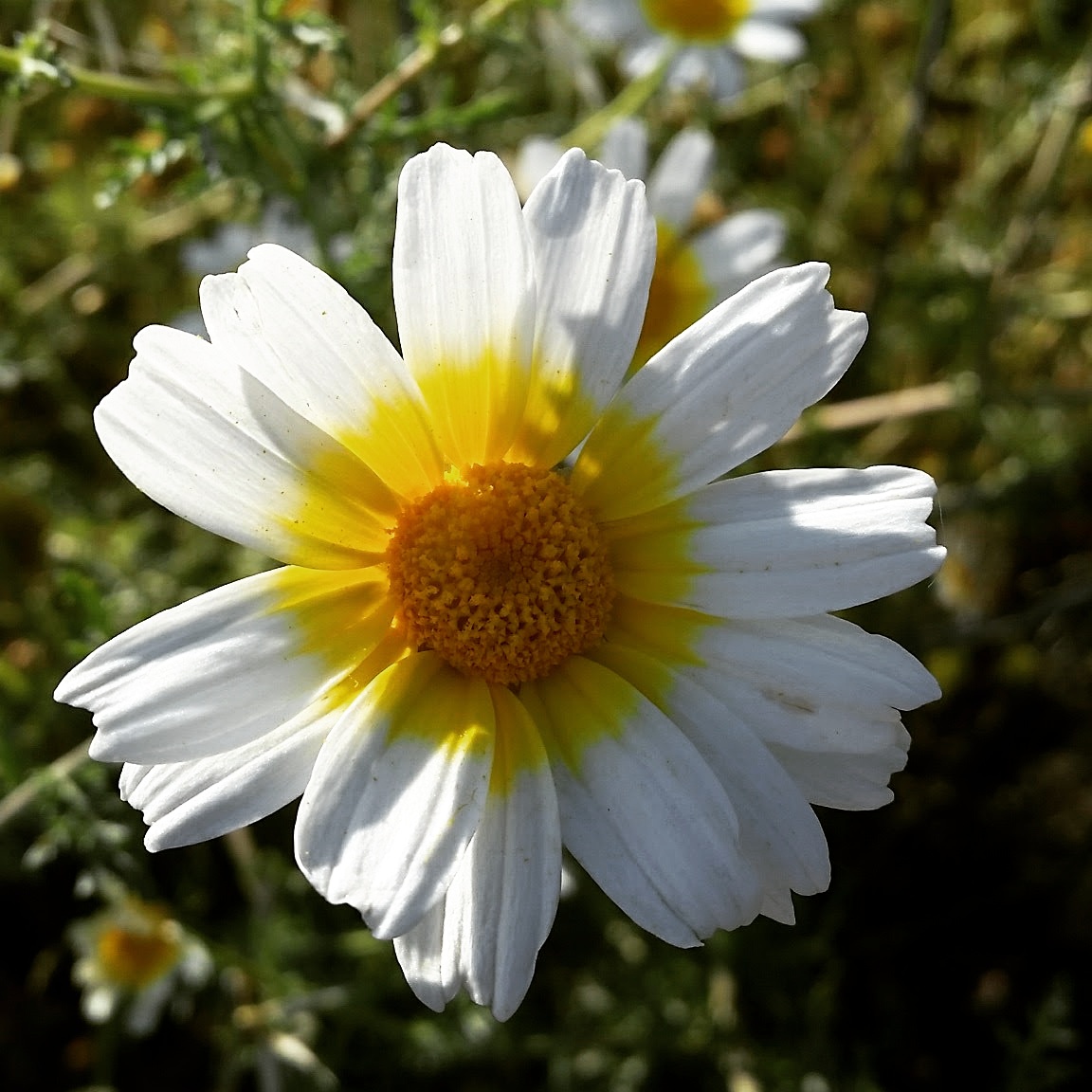
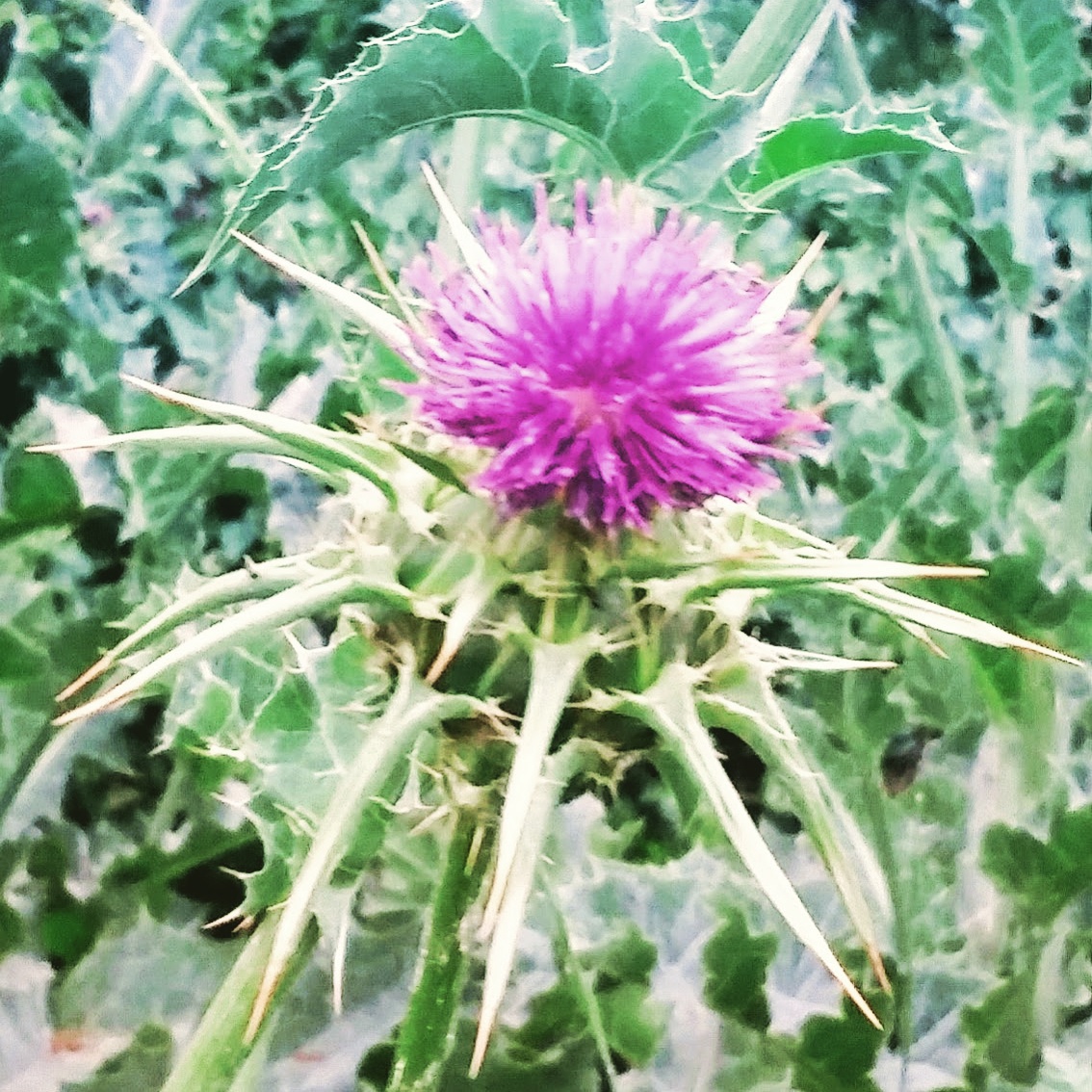
#SilentSunday #SixWordStories Spring smiles, flowers in your eyes.

wp-1488720630987.jpg

wp-1485627722078.jpg

wp-1485627702738.jpg


Spring smiles, flowers in your eyes.  

(These are my own photos)

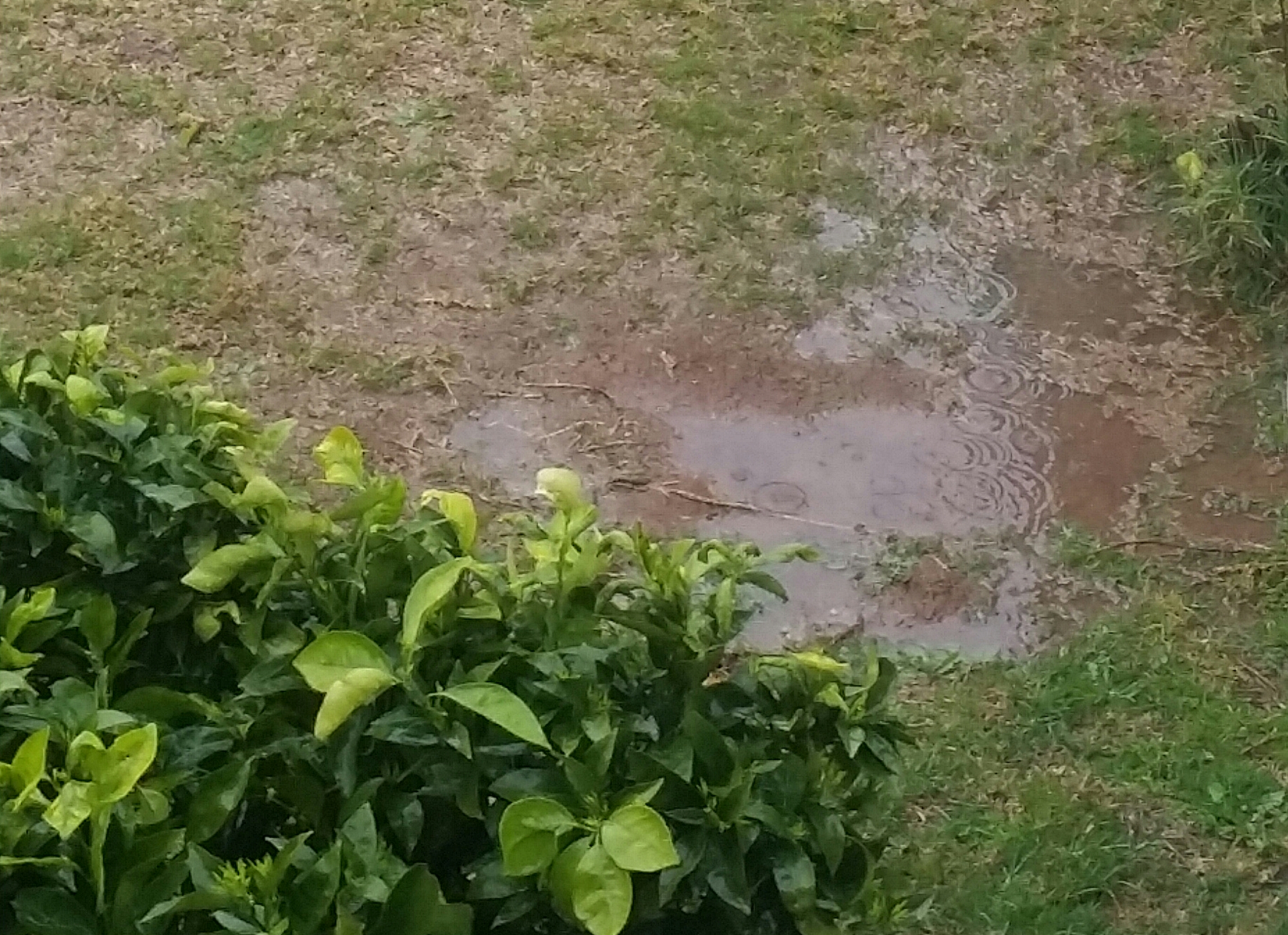
#SaturdayInspiration The March Puddle #poem #WeekendBlogShare

I love rainy winter weekends, because I have the perfect excuse to stay at home by the fireplace, or in my study, and read and write all day long…

wp-1488627361150.jpg
The view from my study. A puddle in my garden by the orange tree.

The March Puddle

March is the month in between.

Spring’s not arrived,

Winter’s not left.

Birds are busy storing twigs,

And buds are peeking their tiny heads,

Daring to tempt this moody month,

While puddles warn us,

‘Nothing’s over until the time is right.’


March is unimagined.

Like a line you start and leave

Unfinished,

Because you walk out to feel the rain on your hair,

Washing away your unready thoughts,

Before dripping into a puddle

At your feet,

Like the world.


Now you’re ready.

Go back and write.

                         ****

You can listen to me read my poem on a 1 minute video I uploaded to Facebook here:

https://m.facebook.com/story.php?story_fbid=1880882085488464&id=1393735074203170

****

As I was writing the poem, I was reminded of Natasha Bedingfield’s song ‘Unwritten’. It has two fabulous line:

‘Feel the rain on your skin. No one else can feel it for you.’ 

Every person experiences events in their own unique way. Only you will feel the rain they way you feel it, the same as inspiration. Your own inspiration and creativity is unique to you. Explore it and embrace it. 

The second line I love is:

‘Today is when your book begins. The rest is still unwritten.’

Your book, poem, flash, can start any day you want it to. Today or tomorrow, it doesn’t matter when. Every new day is today. Your future is unwritten and only you can write it.

Here’s the song, just over a minute of inspiration!

wp-1488632354173.jpg

Follow Luccia Gray on Social Media:
Twitter

Facebook

Goodreads check out Luccia Gray’s Books on Amazon 

wp-1488574762426.jpg


#FridayFictioneers ‘Princess Rhea’ #FlashFiction

I received such a warm welcome, met such creative and supportive bloggers, and had such fun last week, that I’m back again with my second contribution to Friday Fictioneers weekly challenge hosted by Rochelle Wisoff-Fields.

The task is to write a story in 100 words based on a photo prompt. Read the rules, and follow the Froggy on Rochelle’s post to read the other posts and link your own here.

clouds-above-the-trees-friday-fictioneers
              PHOTO PROMPT © Rochelle Wisoff-Fields

My first post introduced Alice, a creative child who has an encouraging mother, and a father who is confused by his daughter’s vivid imagination. I’ve decided to continue exploring Alice’s creativity as long as I she’s willing to tell me her stories.

****

Princess Rhea

Kevin looked up from his iPad. ‘Alice, have you finished your homework?’ 

‘Yes, dad.’

‘Did you write the story about what happened before the snow, darling?’ Asked her mother.

‘Yes, mum.’

‘So what are you writing now?’

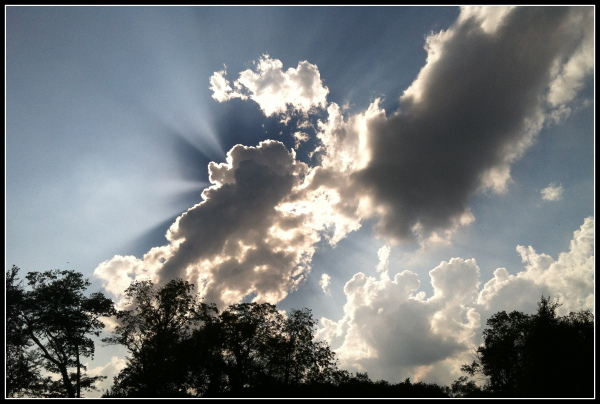
Alice rushed to the window. ‘Look, there’s a battle in the sky!’

Her father shook his head. ‘You mean there’s a storm coming, don’t you?’

‘I mean Princess Rhea is being kept prisoner inside the black cloud and the butterflies have to help her before the sun melts them into a rainbow.’

‘Did you phone Doctor Wilson, Martha?’

She sighed. ‘Not yet, dear.’ 

wp-1488220383481.jpg

Follow Luccia Gray on Social Media:
Twitter

Facebook

Goodreads

Check out Luccia Gray’s Books on Amazon 

wp-1488574762426.jpg

#Fridaybookshare ‘Bayou My Love’, by Lauren Faulkenberry #amreading #amreviewing @firebrandpress

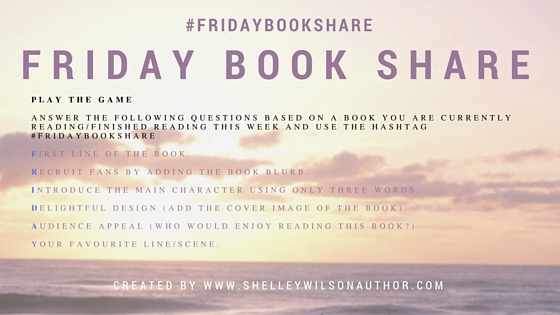
#FridayBookShare was created by Shelley Wilson for book lovers to share what they’re reading. The idea is to answer a few simple questions about the novel and post on Fridays.

friday-book-share

Today, I’d like to share Bayou My Love, by Lauren Faulkenberry. It’s a suspenseful family drama and romance set in present-day Louisiana.

First line of the book.

I knew when I strode into my father’s office _ before he’d had time to drink his two cups of coffee_ that I was asking for trouble.

Recruit fans by adding the book blurb.

Escape to the beautiful bayous of Louisiana in this tale of romance, secrets and suspense from Family Circle Award Winning Author Lauren Faulkenberry.

Thirty-year-old Enza Parker is at a crossroads. To prove to her overbearing father she can flip a house on her own, she takes on an ambitious project that brings back painful memories—and puts her in the path of the most alluring man she’s ever met.

Enza plans to flip the house she inherited from her estranged grandmother in Bayou Sabine, Louisiana. As a child, she spent summers there until the day her mother inexplicably left. Since then, Enza hasn’t let anyone get close to her.

Arriving in Bayou Sabine, Enza finds her house occupied by bedeviling firefighter Jack Mayronne. Enza wants to kick him out, but Jack convinces her to let him stay in exchange for helping with repairs. With only six weeks to fix the house and sell, she’s determined to prove her father wrong, but she didn’t count on Bayou Sabine and Jack capturing her heart.

When Enza’s fling with Jack intensifies, she finds herself entangled with a vengeful arsonist from Jack’s past. As she reaches her breaking point, she must decide: Should she sell the house and leave her past in Bayou Sabine behind for good, or can she overcome her fears and build a new life there with Jack?

If you like the heart and story of novels by Emily Giffin such as The One & Only and enjoy the romance in books by Robyn Carr, this exciting new voice in Southern fiction is for you!

Introduce the main character using only three words.

Enza is hard-working, independent, and brave.

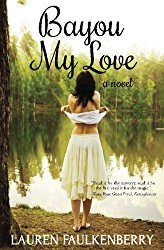
Delightful design (add the cover image of the book).

bayou-my-love

Audience appeal (who would enjoy reading this book?)

Readers who enjoy reading contemporary romance with some suspense, action, and a family mystery, in a breathtaking setting. 

Your favourite line/scene.

Enza has just arrived at her estranged grandmother, Vergie’s, house, which she has inherited on her death.

****

Now, standing in this room that both was and was not Vergie’s, it made me wonder: Had Vergie ever tried to see me, or had she quietly given in to my father’s wishes? He could be cruel. He could sniff out people’s weaknesses and drive them away, and he could have easily done that to Vergie. I felt the pang that comes when you know you’ve done something terrible, and there’s no real way to fix it.

I traced my fingers over a patchwork quilt that Vergie had almost certainly made. It was mostly blue and green, the log cabin pattern. The floorboards creaked when I walked across the room to the closet, where a half a dozen dresses still clung to wire hangers.

“This seemed bigger when I was a kid,” I said.

“Things always do.” Jack opened the drawer of the nightstand and handed me a key. His fingers brushed over my palm as he placed it there. “In case you want to lock yourself in.”

“Thanks.” I slipped the key into my pocket.”

****

Buy link on Amazon US

Buy Link on Amazon UK

Read my complete review on amazon

wp-1488284919449.jpg
See all my Friday Book Share Posts

Follow Luccia Gray on Social Media:
Twitter

Facebook

Goodreads

Check out Luccia Gray’s Books on Amazon 

wp-1487334859922.jpg

#ThursdayDoors UNED Cordoba, Spain

Thursday Doors is a weekly feature, hosted by Norm 2.0 allowing door lovers to come together to admire and share their favorite door photos from around the world. Everyone is invited to join in on the fun by creating their own Thursday Doors post each week and then sharing it, between Thursday morning and Saturday noon (North American eastern time), by using the blue link-up button on Norm’s blog.

I’ve been meaning to take part for a long time, and I’m inspired to do so this Thursday, with the following door.

I’ve been walking through this door every Thursday evening for the last five years. Here’s the casing, which opens onto the patio.

wp-1488488245507.jpg

It’s the local headquarters in Cordoba of the Spanish National Distance University in Madrid, where I teach Advanced English to a small group of very conscientious, mature students, who want to learn as much English as possible, because they love it. It’s a very varied class including teachers, nurses, prison staff, hotel staff, a judge, an engineer, a vet, and a soldier.

Students who are registered at the main university in Madrid, can come here to weekly tutorials, where professors encourage, advise, and lecture on Law, Economics, Business Studies, Psychology, History, and Philosophy among other subjects.

It’s a beautiful building, here’s the google maps link with some more pictures.  

It’s a large, twentieth century, town house. which is built around a central patio or courtyard. There is a large open gallery with semicircular arches on two floors, which you can see through the door in my photo. 

This is the artistically latticed iron door itself.

wp-1488488275869.jpg

It’s one of my favourite doors, and I look forward to seeing it every week on my way to class.

Have you got a favourite door? Show us and tell us about it 🙂

#IWSG Reworking Old Stories @TheIWSG #amwriting #WWWBlogs

This post was written in response to the Insecure Writer’s Support Group monthly (first Wednesday of every month) blog hop to where writers express thoughts, doubts and concerns about our profession.

Let’s rock the neurotic writing world! Our Twitter handle is @TheIWSG and hashtag is #IWSG

insecure-writers-support-group-badge

Every month there’s an optional question to discuss.

March 1 Question: Have you ever pulled out a really old story and reworked it? Did it work out?

Some people think we live in chaos.

I don’t believe in chaos. There is order in nature, in the universe and in our comparatively small lives, because every cell in our bodies is both part of the universe and contains the universe.

There is no chaos.

The sun doesn’t rise every now and again, the moon doesn’t spin and show its dark side whenever it pleases, leaves don’t turn blue if it’s cold, people don’t have two noses. There are exceptions to some rules; it might be hot on a spring day, someone may claim to have seen a heavy snowfall in the middle of summer, really? But when exceptional events do occur, it doesn’t mean there’s chaos, it’s only a tiny glitch.

The universe works like clockwork.

And nothing happens quite by chance. I mean there’s always a reason for everything that happens, although we might not realise at the time, or ever, in fact, but that needn’t worry us; there’s so much we’ll never understand.

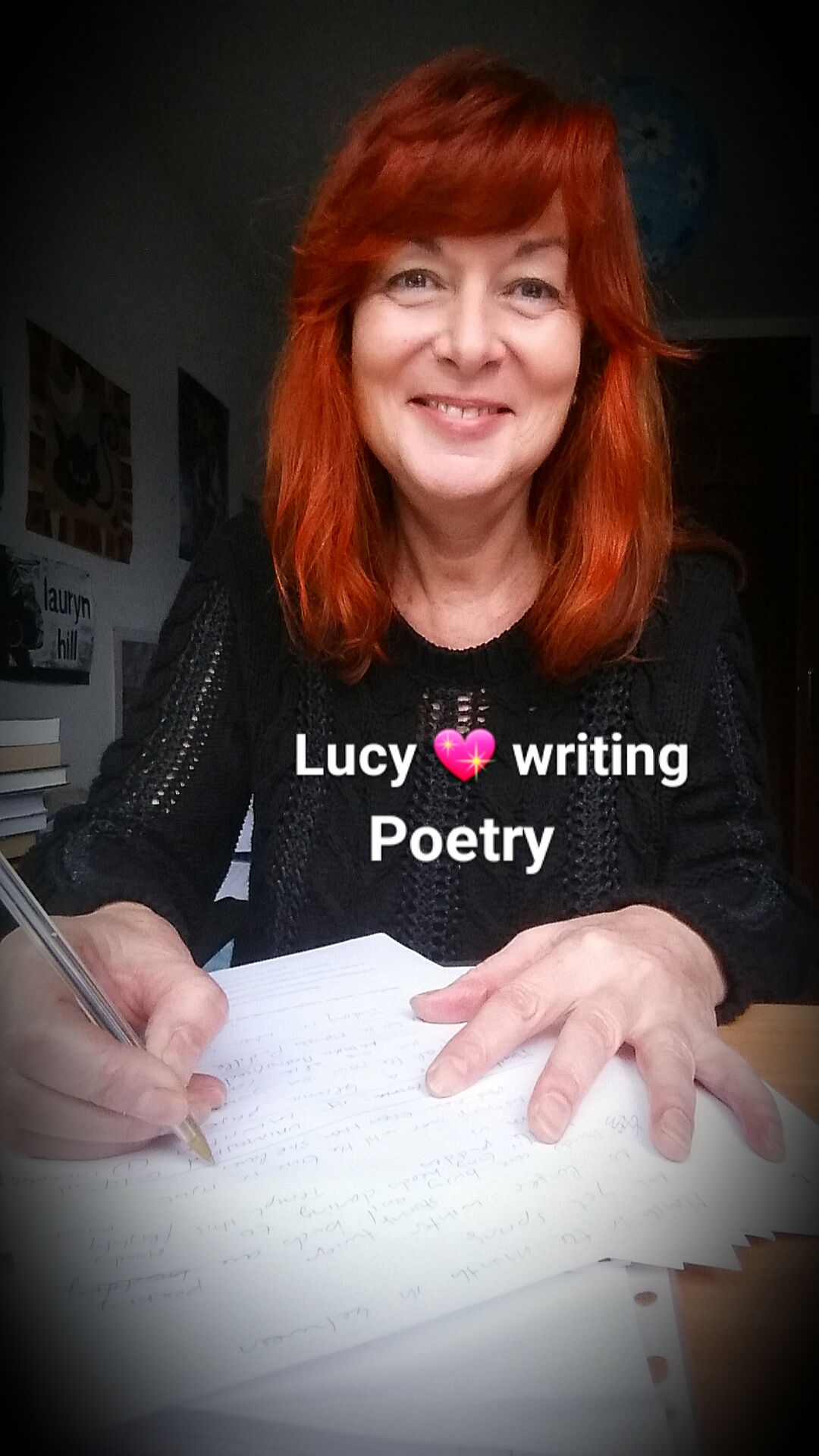
The IWSG question resonates with me this week because, quite by chance, I’ve been rereading the beginning of a novel written by my sister twenty-eight years ago. Of course, you all know by now, that I don’t believe this happened by chance, at all. It was meant to happen.

My sister died, twenty-eight years ago. It seems like yesterday, every day, but still, the calendar says it happened twenty-eight years ago.

Last week, one of my sister’s friends ‘found’ me on Facebook and we started chatting. I’m afraid I didn’t remember her very well, she and my sister were five years younger than me, which isn’t a lot when you’re over thirty, but is a great deal when you’re under twenty!

wp-1488390076297.jpg

She was intrigued that I had become a writer, and I mentioned that it must run in the family, because my sister was writing a novel when she died. Her friend knew, but she had no idea what the novel was about. Elsa, my sister, was very secretive about it. I myself found out about it after she died.

She lived in Harrow, London, just around the corner from where she had been born twenty-five years earlier, and I was married and had moved to Spain, where I lived with my husband and three children, so we only saw each other once or twice a year, although we often spoke on our landline phone and wrote letters, as people used to do twenty-eight years ago.

Elsa had only just started her novel when she died, unexpectedly and tragically. 

I have a prologue and one chapter printed out on an old dot matrix printer, and obviously corrected. There are a few more chapters, but although they’re also typed, these were typed on an old typewriter and it’s obviously a first draft, which hadn’t been edited yet, in fact, it may not even be part of the same novel.

Unfortunately, there was no outline, no handwritten notes, or any other evidence of how she meant the novel should progress, and nobody knew about it, because she hadn’t discussed it with anyone, at least not with anyone I knew. This leads me to believe she was obviously a pantser and it was all in her mind, or there might have been a plan, but it has been lost.

I’m not a pantser, but I have nothing against panters, yet I don’t believe she wrote without a plan, because it was some kind of intricate thriller, so she must have written notes somewhere. And, in the 80s, people used pen and paper a lot, I was there, and I remember.

The novel is called ‘One Woman’s Story’, which may be a working title, and starts out with a woman who dreams about her own murder, death and funeral. She tells her best friend about her recurring and distressing nightmare. Shortly after, she is murdered and everything happens just as she had told her friend it would. There it stops.

wp-1488389522987.jpg
The few pages I have of my sister’s novel, One Woman’s Story.

I have no idea at all what she had in mind for the rest of the novel, but it was obviously going to be either a detective or psychological thriller, which would have required at least some notes, and a brief story line, yet, there is nothing at all to go on.

Elsa had no first hand knowledge of police procedure, that’s why I’m inclined to believe it was more of a psychological thriller, but that’s a hunch. We both loved reading Ruth Rendell novels at the time, and psychological thrillers weren’t as popular in the 80s, as they are now, but who knows?

I’ve often wondered whether I should continue her novel or not.

Last week, after speaking to her friend,  I reread it once again and tried to imagine a novel of my own, unsuccessfully. My version would probably look nothing like hers would have, because I have no idea what she had in mind.

Yesterday, reading the IWSG question, I started to think about continuing my sister’s novel, again. Is that a coincidence? But I don’t believe in coincidences, do I?

Any suggestions or ideas? Should I go for it or forget about it?

****

Follow Luccia Gray on Social Media:

Twitter

Facebook

Goodreads

Check out Luccia Gray’s Books on Amazon 

#CarrotRanch #FlashFiction Challenge: Magwitch the Migrant @Charli_Mills

This post was written in response to Charli Mills at Carrot Ranch’s weekly Flash Fiction Challenge

february-23-carrit-ranch

February 23, 2017 prompt: In 99 words (no more, no less) write a migration story. It can imagine the dusty or arctic trails of the frontiers past or look to the travel across the galaxy. What issue about modern migration bans might influence an artistic expression in a flash? Migrate where the prompt leads you.

Migrations can be voluntary, in search of a better life, but they can also be imposed. Starting a new life is always hard for a migrant, but even more so when it is imposed.   

My migration story has taken me to Victorian England, where deportations to Australia, for certain criminals, were considered a cheap alternative to life sentences.

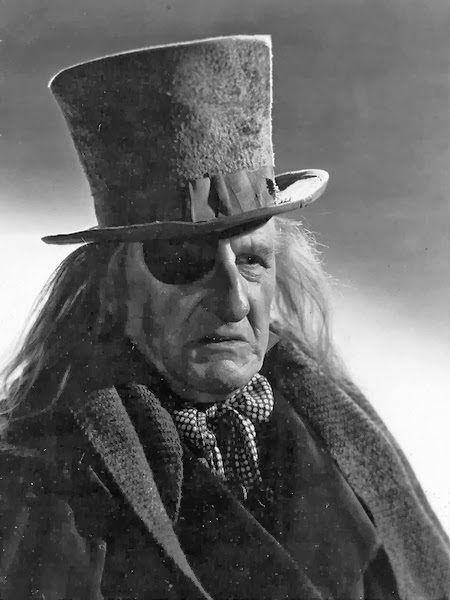
magwitch
Finlay Currie as Magwitch

****

Deported

‘You’re Magwitch, the convict at the graveyard.’

‘Wrongly convicted, Pip. Compeyes was the mastermind.’

‘Miss Havisham’s groom who abandoned her at the altar?’  

 ‘He was imprisoned and I was deported to New South Wales.’

‘You tricked me into helping you.’

‘I’ve paid you back generously.’

‘You’re my anonymous benefactor?’

‘I worked hard at the Penal Colony. My money is yours now.’

 ‘I don’t want your soiled money!’

 ‘Are you planning on giving up your fancy life and going back to being a blacksmith?’

‘You’ve ruined everything. I hate you!’

‘And yet, Pip, you have Estella to thank me for.’

****

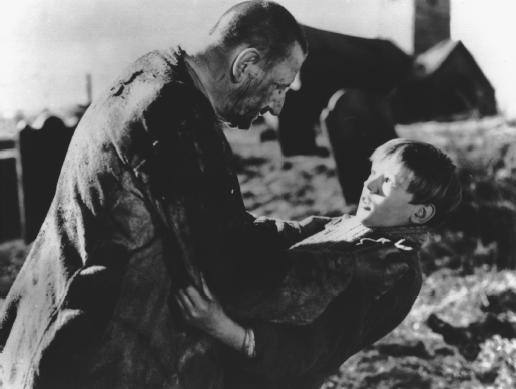
magwitch-and-pip


Pip had always thought Miss Havisham had been his anonymous benefactress and he was horrified to learn his money had come from a criminal, but he later came to terms with Magwitch when he learnt more about his life and hardship, and finally looked after Magwitch in his final days, in prison, once again. This time Magwitch cannot leave him his money because it is confiscated, thus destroying Pip’s Great Expectations.

Great Expectations is an absorbing and complex novel. Magwitch, who is deported to New South Wales, for using counterfeit money, has a short-lived presence in the novel, yet his role is vital in the plot. He is a catalyst in Pip’s life.

Pip met Magwitch at a graveyard when he’s seven and is persuaded by the escaped convict to bring him food. Magwitch, who was grateful for the child’s help, improves Pip’s prospects by being his anonymous benefactor, enabling him to move to London and become a gentleman, instead of a village blacksmith.   

Magwitch is also Estella’s father, whom we all know was the woman Pip loved and lost. Dickens wrote two endings to Great Expectations. In the ending which Dickens finally endorsed, on Wilkie Collins insistence, Estella and Pip are reunited in the final scene of the novel, with that famous line, in which Pip says of Stella:

‘I saw no shadow of another parting from her.’

During the 18th century, most prisoners were deported to penal colonies in America, but after the American War of Independence broke out in 1775, transportation was sent to Australia. Over the years, about 160,000 people, including men, women and children, sometimes as young as nine years old, people were transported to Australia. Most of them never returned.

wp-1488220383481.jpg

Follow Luccia Gray on Social Media:
Twitter

Facebook

Goodreads

Check out Luccia Gray’s Books on Amazon 

#Bloggers Bash Blog Post Competition 2017 #FlashFiction: Connections

This is my entry for the Annual Bloggers Bash Competition 2017.

bash-comp-2017

I’m including a 100-word Flash and a brief account of why being connected to other bloggers has made me a better writer.

Making Connections

‘You need to stop this nonsense.’

‘Which nonsense?’

‘They’re not real.’

‘You think I’m imagining people?’

‘You don’t know what they look like.’

‘I’ve seen pictures.’

‘How do you know it’s true?’

‘It isn’t all true. We share some fiction, but our feelings and opinions are real.’

‘They’ll steal your ideas.’

‘We don’t steal, we share.’

‘Why do you do it?’

‘Bloggers need to make connections.’

‘What kind of connections?’

‘Connections with the world.’

‘You can’t even touch them!’

 ‘I might be touching a few at the Bloggers Bash.’

‘If they’re real…’

 ‘Why don’t you join us and find out?’

*****

Blogging Lessons Learned

Lesson 1: Less is More.

One of the most important things I’ve learned since I started blogging is the power of Flash Fiction. I’ve taken part in many flash fiction challenges and blog hops during the three years I’ve been blogging, and reading and writing short fiction has helped me improve my style. There’s a link to an earlier post on this topic on the picture below.

Clean, sharp, concise and precise prose is valued by readers, who are no longer patient enough to read long and detailed accounts, which may be beautiful, but are often wordy.  

wp-1488290159771.jpg
Link to a post about how Flash Fiction has improved my writing

Lesson 2: Worldwide Connection is Essential

I personally know people who blog, write and read occasionally, others are knowledgeable in specific areas, but this interaction is so limited, compared to the whole world, that it covers a very small percentage of my needs.

I need to be connected to other international bloggers by sharing information about books and reading, writing, publishing, travelling, art, and anything else that crops up on their blogs, from cooking to medieval history, because when I’m connected, I feel like I’m growing.

As a blogger, I’m not alone as a reader, writer, thinker, blogger, teacher, or person. I can find out what other people know, think, have done, can see, or like. I can share what I know, think, do, see, or like, too.

I can do so much more with the help, opinions, advice, experience, knowledge, and motivation of other bloggers, and I’m part of something much bigger than I could ever be on my own.

wp-1488298669702.jpg

Lesson 3: Gratitude

Bloggers are part of a huge community, which needs to be nurtured in order to grow.

It’s vital to show appreciation and gratitude to other bloggers by liking, commenting and sharing their posts on social media.

Thank you all for being there, for reading, commenting, giving your opinions, sharing your thoughts, ideas and knowledge, answering my questions, and being connected with me.

Thank you for motivating me to be a better blogger and a better writer.

If I am a better writer in 2017 than I was when I started writing in 2014, it’s because of you.

As a plus, I never feel alone. There’s always someone to read and write to, and something to write about, which someone will read, like and comment on … I hope 🙂

wp-1488299161878.jpg

Follow Luccia Gray on Social Media:

Twitter

Facebook

Goodreads

Check out Luccia Gray’s Books on Amazon