Guest Post @JanRuthAuthor & #BookReview ‘Palomino Sky’ for #RBRT

Today I’m reviewing Palomino Sky by Jan Ruth for Rosie’s Book Review Team.

Palomino Sky is book 2 in the Midnight Sky Series. I reviewed book 1, Midnight Sky  earlier this month. I’d like to thank both Rosie and Jan for the opportunity of reading and reviewing.

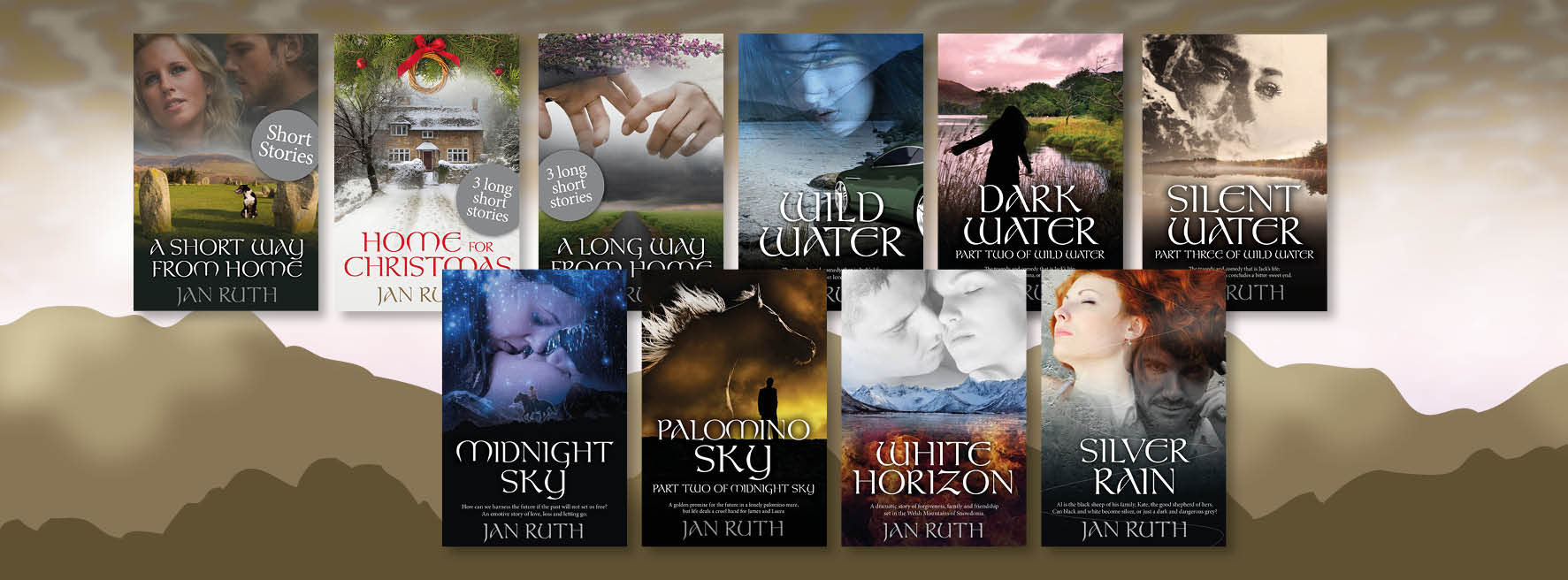
Jan Ruth Banner Midnight and Palomino Sky

This post includes, the blurb, my review and a guest post by Jan Ruth about her love of horses which figure predominantly in her life and her novels.

Blurb PALOMINO SKY

A golden promise for the future in a lonely palomino mare, but life deals a cruel hand for James and Laura.

James is still running from the past after the loss of his wife, and a devastating accident forces him to face his final demons, but at what cost? Laura is forced deeper into his rural world – a life she once despised – but discovers empathy and hope in the palomino mare she calls Song.

Repercussions abound for Maggie too, when the full extent of her daughter’s dangerous liaison comes to light, leaving the entire family in turmoil. Will James and Laura ever find a golden future, or has life dealt too vicious a blow?

Palomino Sky is the sequel to Midnight Sky, both novels are named after horses on the farm where James lives and carries out his equestrian business.

Palomino Sky Cover MEDIUM WEB

My Review 5-Stars

Palomino Sky is named after another new horse. Liz (James’ bossy and independent sister) calls a ‘showy palomino’. I know very little about horses, and one of the joys of reading these two novels is learning more about them, like discovering that palomino is a coat color in horses, consisting of a gold coat and white mane and tail. Rhian, one of the staff says ‘Jamie reckons she’s a natural at hooking up, a joiner.’ James, the horse whisperer, needs horses like that to help recover the horses he heals from trauma and injury. Palomino is also a metaphor for Laura’s role in the novel. She will have to heal, or ‘join’ James in the second part of the novel.

Palomino Sky moves the story started in Midnight Sky in a much darker way, because there are various dramatic and violent events, which will seriously change the course of all their lives, especially in the case of Laura and James.

In book one, James helped Laura during a traumatic moment in her life, including her break up with Simon, but in book two, it’s Laura who will have to heal James from real physical injury and trauma. I can say no more without including a spoiler.

Maggie and Pete have set up a bed and breakfast to supplement their meagre income at Hafod House, the running of which brings some humorous relief to the dramatic action. I liked the way Maggie’s role as older and wiser sister is heightened, and she actually takes some very important and risky steps to help Laura with her personal issues with the men in her life.

On the other hand, Jess’s role as troublesome teenager, develops into a dangerous troublemaker. A violent boyfriend, and a new crush on James’s twenty-year-old American son, will lead to many unfortunate incidents throughout the novel, including an almost tragic event, which will rock their lives.

There are some beautiful descriptive passages, such as: ‘The sun was dying across Snowdonia, bleeding slowly through a palomino sky,’ which add to the beauty of the novel and enhance the reading experience.

Although the ending is satisfactory, at least for James and Laura, there is still a long road to happiness, and there are plenty of loose ends to tie up in book three, which I’m impatiently looking forward to reading.

****

I’ve asked Jan to tell us more about her passion for horses.

Horse Jan 2

SWEET NOTHINGS

My passion for horses, whispering, and the inspiration behind my equine series

Just when you think you know everything about a subject, along comes someone to blow apart a lifetime of assumptions. Monty Roberts’ father was virtually destroyed by his son’s belief in ‘horse-whispering’, as a far more humane and less exhausting method of breaking and training horses. It’s no secret that Monty took a severe beating for it.

A remarkable man, Roberts went on to foster disadvantaged children, using much the same wisdom and insight he’d learnt through studying horses and their social groups in the wild. It’s too easy – and often misguided – to bestow animals with human emotion, but maybe trust is rooted in the same place in humans as in horses, and observation and interpretation is all that’s required to make a valuable connection, regardless of language. And isn’t whispering usually far more effective than shouting? Much the same as writing good fiction; and if we’re talking analogies there’s nothing worse than clunky dialogue. Is Natural Horsemanship simply natural dialogue?

Guido Louis Leidelmeyer: “In the words of the horse: ‘Listen’ by observing me, and communication between us will come naturally and silently. In my words: Can I help you do that?”

Horse Jan

As with most things that work well, it’s based on a simple concept of alignment with nature. Horses like to hang in a crowd (herd), follow the leaders – usually the older mares – and be out in the open simply because if there’s a predator, they’re more likely to bolt, than stand and fight. That’s about it. If a horse is singled out he is more likely to turn to us without fear or aggression once he comes to realise that we are not predatory, and as a surrogate leader can offer the ultimate protection. And that’s where the ‘following’ or ‘joining-up’ comes in.

This principle works with wild/un-handled horses as well as re-training by reiterating the relationship of horse and leader for equines who have formed bad habits, or those with anxiety issues.

Actually, most bad habits stem from anxiety and a lack of leadership. It’s a little like your pet dog – and dare I say children, too? – needing to know they’re safe and secure place in the family pack, although the body language between dogs and horses is rather different. Flattened ears in a dog is more likely to mean subservient greetings whereas a horse … well, watch out!

Not everyone agrees that these principles are quite so cut and dried, and as is often the case with a lot of unquantified skills, there is perhaps some sixth-sense at work gleaned from years of experience. There are many equine behavourists who claim the ‘following’ principle is flawed. But the proof is in the pudding.

I’ve watched Guido use these techniques on a couple of riding-school horses – both of whom he’d never ‘met’ – with amazingly fast results: 20 minutes to resolve a problem with electric clippers on a mare which had for some 12 years, aggressively avoided the issue. The owner was quite rightly, open-mouthed. But the problem isn’t solved in its entirety, as Guido explained: Tilly’s owner needed to learn and understand the process for herself, and as is the case with most success stories, a certain measure of self-belief is required. It’s this psychological leadership which is perhaps where the sixth-sense bridges that gap between human and equine.

Grey Horse

Horses have been a lifetime’s passion for me. No surprise that they feature in most of my novels, more so in MIDNIGHT SKY and the sequel: PALOMINO SKY. Both books draw on the principles of horse-whispering and the power of self-belief – but I take on this theme in a fictional sense rather than a technical sense. It’s so easy to swamp the narrative with too much unwanted detail. And yet, it’s the minutiae of life which underpins the storyline in PALOMINO SKY. As with horse-whispering, it’s the observation of perhaps something seemingly inconsequential which can change an entire situation. If you’re not horse savvy or enjoy only a passing interest, I’ve tried to portray the equine aspect as secondary to the storyline in these books. On the other hand, horse enthusiasts will hopefully embrace the setting!

****

Thank you, Jan, for a fascinating insight into ‘horse-whispering’. I can see how this idea of life and social interaction seeps into your novels. The balance between love, leadership, and a sixth sense helps repair some relationships in your novel, and a lack of balance certainly leads to family drama and conflict; I’m thinking especially of Jess here 🙂

If you’d like to read the Midnight Sky series here are the links:

MIDNIGHT SKY is currently 99c US

PALOMINO SKY: US

MIDNIGHT SKY is currently 99p UK
PALOMINO SKY: UK

Jan Facebook Banner

You can also find out more about Jan Ruth on Facebook or follow her on Twitter

Celebrating A Year of Compassion #1000Speak

I took part in the first link up of #1000Speak on February 20th 2015. The intention for that day was to get a thousand bloggers together and spread compassion around the world.

The idea evolved, and there have been monthly prompts on compassion on the 20th of every month for a whole year, and today is the anniversary of the first link-up.

In today’s celebration of compassion, our prompt is to talk about how the year has been for us as a result of taking part!

compassion-1-year

I haven’t taken part regularly. I’ve written six posts over the past year which you can check out here on Compassion in Jane Eyre and Victorian England, on Forgiveness, Anti-bullying, and Nature and Nurture. I’ve also popped in to visit other bloggers posting on the subject, and I’ve retweeted on Twitter and Facebook. I do feel a tiny part of the movement, although I haven’t been consistent enough in my posting or interaction to feel strongly part of a group. I’ll try to take part more often this year 🙂

It has made me aware of how we can discuss compassion from different viewpoints and encourage people to write about, read about, think about and discuss compassion.

As I’ve missed some of the prompts las year, today I’d like to write about a beautiful prompt I missed in October, on LOVE.

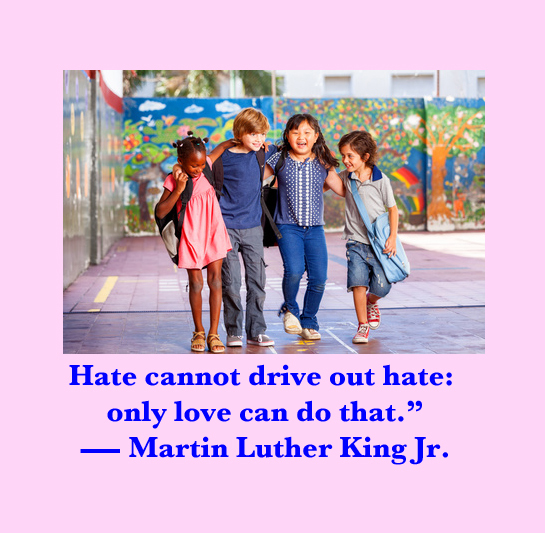
Schoolchildren embracing happy. Multi cultural racial classroom.

I was always told at school that two wrongs don’t make a right, and that, as Martin Luther King said, hate cannot drive out hate, only love can do that. I didn’t fully understand what it meant at the time. I think my Catholic upbringing might have confused me somewhat, with the ‘turn the other cheek’ philosophy, and I’m now sure that this is not the correct approach.

Turning the other cheek is a passive act, although it detracts some of the power from the aggressors, it does nothing to show them that their behaviour is unacceptable, because there is another better way to solve our problems.

If someone is being unjust or cruel, as in bullying or abuse, I am now convinced we should react actively, albeit peacefully, by telling the person we do not agree with their actions, or by showing them another way to approach the situation, and if all else fails, by making sure help is provided for those who need it.

In Martin Luther King’s case, peaceful protests, made it clear that segregation was wrong, and that it would no longer be tolerated. Turning the other cheek would have been the equivalent of accepting injustice submissively.

As a teacher, I have taken part in mediation programmes which enable students to express how they feel and negotiate peaceful ways to solve their problems. When mediation doesn’t work, and the aggressor refuses to reconsider and repair the situation, there are school rules and disciplinary measures which are enforced. I would not expect, or even allow, any child to turn the other cheek.

Similarly, when a colleague, is behaving unreasonably (and this happened recently), I suggest other ways to solve the conflict or approach the problem, which involve, listening, discussing, and negotiating solutions, which will improve the situation for all parties. What I’m not prepared to do is to ignore the situation.

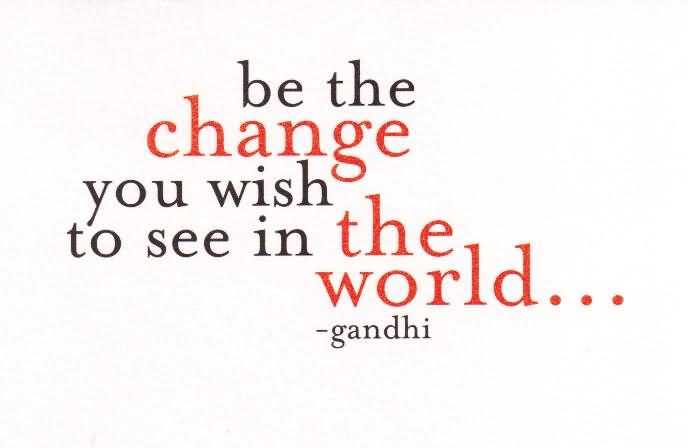
We each have our own limited sphere of influence in the world, where we interact socially and professionally, and in mine, I’m not prepared to turn the other cheek, or allow anyone to turn the other cheek, because I believe #1000Speak is about speaking up because we believe in promoting compassion actively, and that means making sure compassion is discussed, and peaceful alternatives are put forward actively to make the world a better place for everyone.

be-the-change-you-wish-to-see-in-the-world-organization-quote

If you’d like to join in or take part, follow this link.

#Author Spotlight @Lizzie_Lamb and #BookReview Scotch on the Rocks for #RBRT

In the spotlight this week is Lizzie Lamb, author of Scotch on the Rocks which has just been shortlisted for the Exeter Novel Prize, this year.

Good luck Lizzie, because you’ve written a wonderful novel, which deserves all the praise and attention it’s getting from readers and reviewers!

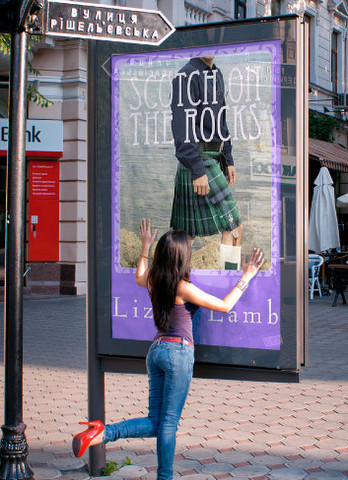
1-PhotoFunia-1453642738

Blurb Scotch on the Rocks    5-Stars!

ISHABEL STUART is at the crossroads of her life.

Her wealthy industrialist father has died unexpectedly, leaving her a half-share in a ruined whisky distillery and the task of scattering his ashes on a Munro. After discovering her fiancé playing away from home, she cancels their lavish Christmas wedding at St Giles Cathedral, Edinburgh and heads for the only place she feels safe – Eilean na Sgairbh, a windswept island on Scotland’s west coast – where the cormorants outnumber the inhabitants, ten to one.
When she arrives at her family home – now a bed and breakfast managed by her left-wing, firebrand Aunt Esme, she finds a guest in situ – BRODIE. Issy longs for peace and the chance to lick her wounds, but gorgeous, sexy American, Brodie, turns her world upside down.

In spite of her vow to steer clear of men, she grows to rely on Brodie. However, she suspects him of having an ulterior motive for staying at her aunt’s Bed and Breakfast on remote Cormorant Island. Having been let down by the men in her life, will it be third time lucky for Issy? Is she wise to trust a man she knows nothing about – a man who presents her with more questions than answers?

As for Aunt Esme, she has secrets of her own . . .

1-Latest Gary poster

My Review

Scotch On The Rocks is the first book I’ve read by Lizzie Lamb, and it won’t be the last! I already have her two other books on my kindle, Tall, Dark and Kilted, and Boot Camp Bride.

Scotch on the Rocks is a contemporary romantic comedy set in a small, picturesque village in Scotland.

The author brings to life an unconventional cast of characters in the small local community, including a histrionic and egotistical opera singer, her best friend, fanciful Lindy, who calls herself Lola, a cheating ex-fiancé, as well as a foul-mouthed and cheeky parrot!

The plot thrusts the heroine, Issy, straight into the action. She’s upset because she’s just broken up with her fiancé, whom she was about to marry, and drives back home across a flooding causeway, to her eccentric aunt Esme’s home, transporting her father’s ashes. On her arrival at her aunt’s Bed and Breakfast, she meets the attractive and secretive, American, Brodie.

As the plot unfolds, Issy will gradually find out why Brodie is there and who her family really are. No-one is who they seem, and the secrets of the past, going back to the WWII, will be disclosed. Their lives will never be the same again.

I loved the sharp dialogue, which makes the characters come alive, the vivid descriptions, which made me feel part of the scenery, and the passion, which made me fall in love with all the lovers (young and older), and the island.

The setting was a real plus. The last time I visited Scotland was many years ago, and I can’t wait to go back and visit places like Cormorant Island and picturesque coastal locations. I enjoyed the local customs, dialect, food and drink. I’m so glad I read it over the Christmas holidays, because although it takes place in summer, it has a Christmassy feel to it. It’s definitely a novel to curl up with on a comfortable armchair by the fireplace!

Scotch on the Rocks is humorous yet tragic. It’s also surprising, exciting, heartwarming and romantic, too.

Finally, there’s a satisfactory ending and hopeful message: It’s never too late to follow your dreams, and by never, I mean even that some characters are well over the age of retirement when they made their dreams come true!

I’d like to thank Lizzie for gifting me a copy of her book in exchange for an honest review, and Rosie for organizing Rosie’s Book Review Team, and making it possible for readers, writers and reviewers to connect.

BCB

Lizzie is an amazing author, so I asked her to answer some questions which will be of great help and inspiration to all writers, especially those new to this fascinating profession. 
1- What made you decide to leave your teaching job and become a full-time writer?

I’ve always wanted to be a ‘writer’. The bug really bit after my grandfather bought me a Petite typewriter when I was about ten – and I never looked back. Fast forward a few years . . . I became a teacher and married, however, with a mortgage and bills to meet I knew that I couldn’t afford the luxury of giving up the day job in the hope of making a living out of writing. Then, after thirty-four years at the chalk face, the day dawned when I thought, this is it; now or never. I left the profession and set on the road to becoming a published writer.

2- What advice would you give an author who wants to self publish his/her novel?

Write the best novel you can, the one you hope readers will want to read. THEN, if funds allow it, have it professionally edited; I used Hilary Johnson Agency for my first novel, and also had it critiqued, twice, by the Romantic Novelists’ Association. Don’t be afraid to ‘kill off your darlings,’ when you edit, be professional and always keep your readers in mind. Pay to have it proof read and I also suggest that you have it formatted by a professional – at least the first time. Readers are very unforgiving if a book is sloppily presented and full of spelling mistakes. I would also advise wannabe writers to ‘get their ducks in a row’, well before they self-publish. By which I mean: build up your social media presence: Facebook, Twitter, Instagram, Pinterest and create a website which has a built-in blog. Use all of the above to build up your on-line persona and find potential readers before you actually publish your novel. Make friends, generously promote other writers and once your book is published, find new readers via a newsletter etc. Sounds daunting? It is, but hard work reaps rewards. Finally, write another book, and another; prove that you have what it takes to go the distance.

3- Which writers have influenced you as an author?

When I first set out as a writer I was heavily into historical novels. However, as I moved up the career ladder, I had less time for reading. That’s when I got into Mills and Boone (in the 80’s heyday when there were some fantastic writers: Charlotte Lamb, Sara Craven etc, then the shorter Jilly Cooper novels, Jill Mansell, Catherine Alliot, Fiona Walker and finally, Sophie Kinsella. They made me realise that I loved romantic comedy and that’s what I decided to write, although I do find dropping snippets of historical factoids into my novels irresistible. Later, I was much taken by the Little Black Dress (Headline) imprint and I aimed my first novel at them. Unfortunately, by the time I’d finished writing it, the line was closed and I had to start looking for a different publisher.

2014-12-24 20.38.34

4- Could you tell us about the Romantic Novelists’ Association’s and the New Writers’ Scheme?

Here’s a link to the New Writers’ Scheme which tells you everything you need to know. It’s a fabulous place to start out and you learn so much from meeting and mixing with published authors and agents. As part of the annual subscription, you are entitled to a critique of your novel (full or partial) by an author already published in your genre. Once you gain a publishing contract you can ‘graduate’ to full membership. In 2015 the rules were changed to allow self-published authors to leave the NWS and become Independent Members, provided they meet the criteria for that membership. I love being part of the RNA and have learned since joining, it’s well worth an aspiring writer to consider joining.

5- What is your writing routine?

I try very hard to stay off social media until after I’ve done my words for the day, but I never manage it. There’s always mail to answer, tweets to schedule and blog posts to write. But, once I get started I don’t want to be interrupted. Luckily I have a room at the end of the house which is all my own and I can leave the pc in sleep mode, return to it later in the day and pick up where I left off. I don’t allow anyone on my computer as several years ago one of my great niece’s accidently deleted swathes of work. Now everything’s backed up on Dropbox. I’m disciplined and write every day (where possible). We have a touring caravan and when we go on holiday, the pc and the parrot come, too. I find that if I leave too long between writing my novel, I lose the flow . . .

6- Are you a plotter or a pantster?

I start off as a plotter and get the bare bones of the story down on a time line with post it notes, then I start writing. That’s when plotter becomes panster – the novel unwinds in front of me as I type, like a movie and I simply have to write it down and knock it into shape. Sounds easy? I spend all day dreaming about my novel and my characters act out scenes in my head, scenes I hadn’t even thought of. Then, when I sit down to write it’s all there, demanding to be made into a novel. Sometimes I wonder who’s in charge – them or me!

7- What are you working on now?

I hope to publish my next novel, This Highland Magic, within the next year.

Dr Henriette Bruar travels to north to catalogue the library in an ancient castle set in the middle of a remote Highland loch. The laird, Sir Malcolm MacKenzie, of that Ilk, is pressed for cash and is selling off the estate’s assets, including the library. This doesn’t please his son, Keir, who fears there will be nothing of the estate left to inherit. To all outward appearances, Henriette seems like just any run of the mill academic, unremarkable even. However, in her heart of hearts, she sees herself as a cross between Indiana Jones and the Relic Hunter and dreams of someday finding a precious manuscript, a hidden treasure or unlocking family secrets. At Sir Malcom’s castle, she sets out to do just that.

2015-12-29 14.39.14

8- What would you like readers to know about you?

After teaching my 1000th pupil and working as a deputy head teacher in a large primary school, I decided pursue my first love: writing. I joined the Romantic Novelists’ Association’s New Writers’ Scheme, wrote Tall, Dark and Kilted (2012), followed a year later by Boot Camp Bride. Although much of my time is taken up publicising Tall, Dark and Kilted and Boot Camp Bride, I published a third novel SCOTCH ON THE ROCKS in July 2015. It achieved Best Seller status within two weeks of appearing on Amazon. I am a founding member of an indie publishing group – New Romantics Press. In November 2014 we held an Author Event at Waterstones High Street, Kensington, London the icing on the cake as far we are concerned, and a fitting way to celebrate our achievements. I live in Leicestershire with my husband David (aka Bongo Man) and a naughty parrot called Jasper.

9- How can readers find out more or contact you?
Amazon author page: https://www.amazon.com/author/lizzielamb
Lizzie’s Facebook page: http://www.facebook.com/LizzieLambwriter
Lizzie’s email: lizzielambwriter@gmail.com
Lizzie’s Website: website: http://www.lizzielamb.co.uk
Lizzie’s Newsletter: http://tinyurl.com/ELNL-2016
Linked in: uk.linkedin.com/pub/lizzie-lamb/18/194/202/
Goodreads http://tinyurl.com/cbla48d
Pinterest: http://www.pinterest.com/lizzielamb/
Twitter: @lizzie_lamb

10- Where can readers buy your books?

https://www.amazon.com/author/lizzielamb

Thank you for visiting my blog and taking art in this Author Spotlight, Lizzie. It was a pleasure to have you here and learn more about your writing process and future projects. Good luck with the Exeter Novel Prize and I’m looking forward to reading your next novel, later this year 🙂

I hope you all follow Lizzie’s advice and have a wonderful weekend!

Follow your heart

A Present for Saint Valentine’s Day: The Most Romantic Letters You’ll Ever Read

When I met my husband, thirty-five years ago, we lived in different countries. I was living in London, while he lived in Spain. At the time, long distance phone calls were very expensive, so they were infrequent. For over two years, except during the holidays, which we spent together, he wrote me a letter almost every day. We probably would never have stayed together, or married, if it hadn’t been for those, literally hundreds, of letters.

A real, full length love letter, not a text message or a printed inscription in a card, is the most romantic gift you can give someone you love. In case you’re looking for inspiration, here are two passionate letters that will warm your hearts 🙂

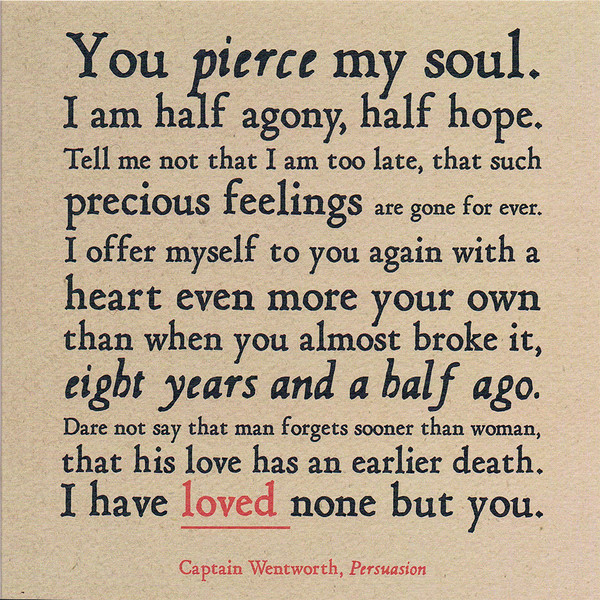
The most romantic letter in English Literature is Captain Wentworth’s letter to Anne Elliot in Persuasion:

You pierce my soul

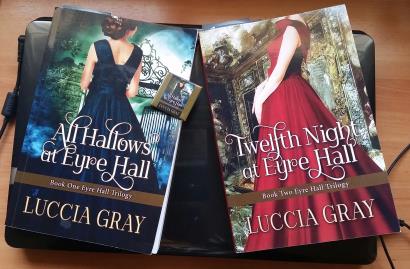
I was irreverent and bold enough to dare to be inspired by Jane Austen and write a similarly passionate love letter in my novel, All Hallows at Eyre Hall. It was written anonymously, by Michael (did I tell you he’s partly influenced by Captain Wentworth, especially in Twelfth Night at Eyre Hall) to the (almost) widowed Jane Eyre (Mrs. Rochester). 

This is the most romantic fictional letter I’ve ever written.

Letter


Have you written a fictional romantic letter?

Feel free to copy and paste in the comments or post the link. I’d love to read it 🙂

Why Jane Eyre Needs a Sequel with Luccia Gray

Many readers and writers ask me why I felt the need to write a sequel to Jane Eyre, and although I’ve answered this question often, There always seems to be a better answer 🙂
Shani asked me the same question for a guest post on her lovely blog, where you can read about her own fascinating ghosts stories, as well as other bookish things.
So, here’s why I think Jane Eyre needs a sequel, and what my aims were when I challenged myself to complete this daunting task.

Shani Struthers's avatarShani Struthers

Books1.jpgJane Eyre by Charlotte Bronte is one of literature’s most fascinating books – certainly I’ve read it a good few times and love it. In fact, when people ask what my favourite book is, this is it, this is the one – only Wuthering Heights by Charlotte’s sister, Emily, comes anywhere close. So, when I found out Luccia Gray had written a sequel to it, I was intrigued and had to read it. I’ll let Luccia herself tell you all about why she wrote it and what it’s about but suffice to say it was wonderful being back in Jane’s world again as it twists and turns in several surprising ways. Take it away, Luccia…
istock_000000567368_large-1.png

When I first read Jane Eyre, I was fascinated by Jane’s character and fortitude. She was an orphan who grew up in a hostile family, with her cruel Aunt Reed and her spiteful cousins. She later…

View original post 949 more words

#Author Spotlight Jan Ruth and #BookReview ‘Midnight Sky’

Jan Facebook Banner

As you can see in this banner, Jan Ruth has written plenty of novels, although I have discovered her recently, quite by chance, on Facebook and Twitter. I was drawn in by her by her book of Christmas stories, Home for Christmas, which I read over Christmas, and I decided that I liked her writing style, so I went for one of her full-length novels, Midnight Sky, which is part one  of the Midnight Sky Series, and I contacted her at once for an author spotlight, because I enjoyed it so much, but first my review.

*****

Midnight Sky is a contemporary family drama and romance, with touches of humour, which lighten some of the intense moments.

The plot revolves around the lives of Laura, her partner Simon, and her sister Maggie’s family, on the one hand, and James, a brooding horse whisperer, who is dealing with many personal issues, on the other.

I loved the setting, partly in Chester, but mainly in Rowen, a small village in the Welsh countryside, and the nearby beaches, farmland, cottages, country lanes and Victorian houses, pictured from freezing January, when the story starts, through to the warm summer, when the novel ends. It was also enlightening and heart-warming to watch James at work with his troubled horses on the farm.

Jan Ruth 1

Laura is an interior decorator who works with her partner in a successful business. Life seems to be perfect, but really, Laura is stuck in a dead-end relationship with Simon, whose ex-wife and two children often seem to be more important for him than Laura. Laura would like to have a family, but Simon already has children, and this brings great conflict to their relationship.

Laura’s sister, Maggie, introduces Laura to James’ sister Liz, and Laura and Simon are employed to refurbish their cottages. James is unfriendly at first because he’s against any type of change on his farm, and we’ll discover that part of the reason for his moody nature is that he is still mourning the loss of his wife, Cary, in tragic circumstances, two years earlier.

Laura and James gradually connect, and after some heartache and strife, both their lives become intertwined. Their friendship slowly develops into love, and the novel has a satisfactory ending, however, there is room for a sequel, and I’m delighted to hear that part two is due out this month, and that there’s also a part three. (I’ve already read part two Palomino Sky, since writing this review. I’ll be reviewing here soon)

I enjoy reading character driven novels, and there are plenty of lively and well-drawn secondary characters, such as James’ Bossy sister, Liz, and Maggie’s stoic and secretive husband, Pete. Another vibrant character is Laura’s niece, Jess, a rebellious teenager who has a crush on James, and provokes many of the hilarious situations in the novel, sometimes on the farm, where she helps with the horses, and often at the pub, leading to many memorable scenes!

I highly recommend. It was a pleasure to read.

Especially for lovers of romance, passion, and complex family relationships.

****

Midnight Sky Cover EBOOK Palomino Sky Cover MEDIUM WEB

Here’s Jan Roth’s Interview.

  • I’ve read Midnight Sky and Palomino Sky, and I’m looking forward to book three, but could you tell us something about your previous novels?

My previous novels stay with the family-saga theme; they’re a blend of rural and city, business and countryside, with the family dynamic central to the story line. I think my sequels (Palomino Sky and Dark Water) have steered away slightly from the original genre by bringing in a grittier thread as both books feature crime and some suspense.

  • Your fiction has a very contemporary setting, how much of your novels, especially people and places, is based on personal experience?

The places are real, they do exist! I think the characters are a cocktail of people I’ve encountered in my life. As a writer we tend to draw on experience whether consciously or not. Oh, and that goes for the horses and dogs too.
I moved from Cheshire to Snowdonia, North Wales, about fifteen years ago and it kick-started my writing in a big way. I love the landscape here and use it almost as a character in its own right.

  • I know you’re working on part three of the series, when will it be published? What can you tell us about it? Is it the end of the series?

I’m currently writing part three of the Wild Water series, Silent Water and yes, the end of that series. I think three is enough where the main plot line revolves around two characters coming together. I’ve read series where they’ve become too lightweight and watered down even by book two, or the original characters are forgotten and new ones take their place; sons and daughters of…etc. I don’t want to do that. I want to keep the three books tight and rich with story. Part three of the Midnight series will be Strawberry Sky… I do think there’s a lot more to come with James and Laura, Jess and Sam, Pete and Maggie. Their story isn’t quite complete. I’m hoping to start this one next year.
Silent Water will be published spring/early summer.

  • What are you planning on writing after the Midnight Sky Series?

After Silent Water, my current work-in-progress, I’m liking the idea of a set of novellas called The Heart series.First consideration will be Christmas Heart. No, not a fluffy thing, you know me better than that! But it will be – hopefully – funny. I always find hiking groups full of eccentrics and believe me, I’ve done the research! So I have a vague outline around a walking holiday. And Christmas teams well with observational humour. Add some pathos and a few baubles along the way and I think I may enjoy this after writing two full-length, more serious tomes for the previous two years. And for contrast, I like the idea of Celtic Heart and Ancient Heart, exploring the idea of a historical time-slip.

  • I recently wrote a post about the prejudice against self-published authors. You’ve had the experience of working with a traditional publisher and as an independent author, which would you say are the advantages and downside of both types of publishing?

This is a huge subject, and each and every author will have a different experience so whatever I say here applies specifically to me and my material. I think there are still misconceptions about self-publishing, especially amongst the die hard traditionalists who’ve always had an agent or a publisher. There’s also confusion over vanity publishing and those self published books produced to a poor standard. The advantage of a small to medium size publisher is that your material will be edited and published for free. The disadvantages? Everything else. There is nothing a small publisher can do for you which you can’t do for yourself – and thus keep not only the royalties but full control over your material from the covers to your branding. I thought a traditional publisher would know more than me and therefore sell more of my books than I could by increasing my visibility with serious marketing.
Full story here: https://janruthblog.wordpress.com/2015/12/09/publishing-a-lot-of-smoke-and-mirrors/

  • You’re very active on social media, especially on Facebook, where you manage a public group called Readers and Writers UK, how important are social media for writers?

I suspect it as much about establishing support and sharing information amongst fellow authors, as it is to sell books. We’re selling on on-line product, so we need to be on-line, otherwise no one will discover our books!

  • What would you like readers to know about you in a couple of sentences? 

I live in Snowdonia, North Wales. I write contemporary fiction about the darker side of the family dynamic with a generous helping of humour, horses and dogs. My books blend the serenities of rural life with the headaches of city business, exploring the endless complexities of relationships.

Grey Horse

  • You’re a very experienced self-published author, the most experienced I’ve ever had on my blog. Could you tell us about how you became a writer?

The real story began at school, with prizes for short stories and poetry. I failed all things mathematical and scientific, and to this day I struggle to make sense of anything numerical.

My first novel – written in 1986 – attracted the attention of an agent who was trying to set up her own company, Love Stories Ltd. It was a project aiming to champion those books of substance which contained a romantic element but were perhaps directed towards the more mature reader and consistently fell through the net in traditional publishing. Sadly, the project failed to get the right financial backing.

Many years later, my second novel, Wild Water, was taken on by Jane Judd, literary agent. Judd was a huge inspiration, but the book failed to find the right niche with a publisher. It didn’t fall into a specific category and, narrated mostly from the male viewpoint, it was considered out of genre for most publishers and too much of a risk.

Amazon changed the face of the industry with the advent of self-publishing; opening up the market for readers to decide the fate of those previously spurned novels. I went on to successfully publish several works of fiction and short story collections and after a brief partnership with Access Press in 2015, I returned to the freedom of independent publishing.

Fiction which does not fall neatly into a pigeon hole has always been the most difficult to define. In the old days such books wouldn’t be allowed shelf space if they didn’t slot immediately into a commercial list. As an author I have been described as a combination of literary-contemporary-romantic-comedy-rural-realism-family-saga; oh, and with an occasional criminal twist and a lot of the time, written from the male viewpoint.

No question my books are Contemporary. Family and Realism; these two must surely go hand-in-hand, yes? So, although you’ll discover plenty of escapism, I hope you’ll also be able to relate to my characters as they stumble through a minefield of relationships. I hesitate to use the word romance. It’s a misunderstood and mistreated word and despite the huge part it plays in the market, attracts an element of disdain. If romance says young, fluffy and something to avoid, maybe my novels will change your mind since many of my central characters are in their forties and fifties. Grown-up love is rather different, and this is where I try to bring that sense of realism into play without compromising the escapism.

How can readers contact you or find out more?

Jan’s Facebook
Jan’s Twitter

Where can readers purchase your novels? 

On my Website
On Amazon

****

Thank you so much for visiting my blog, it was a pleasure to read about your work and your publishing experience. I’m looking forward to reading the Wild Water Series, and the Heart Series sounds intriguing 🙂


My beautiful #JaneEyre

Was Jane Eyre Plain or Pretty?

Some readers of The Eyre Hall Trilogy have considered that my Jane Eyre is too beautiful, arguing that Charlotte Bronte drew an ugly, or at least plain young girl.

When I read (and reread) Jane Eyre, Jane is/was never ugly in my mind, and I have proof that she was never ugly in Charlotte Bronte’s mind either.

Jane Eyre had quite a few antagonists in her autobiography, some of which were also her direct enemies, and therefore described her negatively.

For instance, her Aunt Reed called her ‘deceitful’ and said she had a bad character, and the servants at her aunt’s house said she behaved like a ‘mad cat’.

Her cousins, Georgina and John, called her ‘impudent’, ‘rat’, and ‘thief’.

While Jane was at Lowood Institution, Mr. Brockelhurst called her a ‘liar’ and ‘evil’, however that doesn’t mean any of these descriptions were true. In fact we know there were plenty of liars in Jane Eyre, who seemed to revel in demeaning her, leading to her obvious lack of self-esteem throughout most of Jane Eyre.

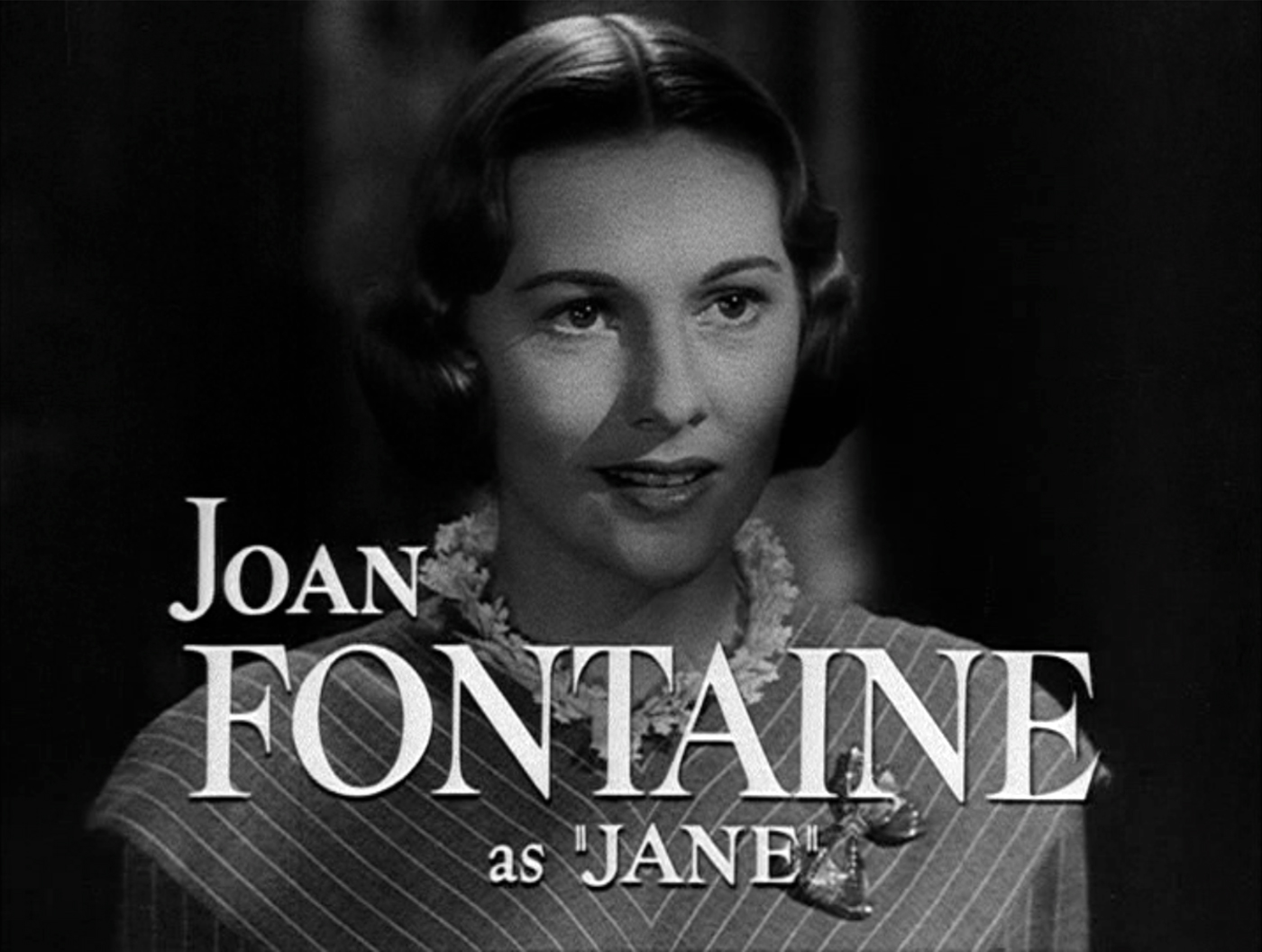
Jane_Eyre-Joan_Fontaine-1

We know Jane was honest, sensible, generous and intelligent.

When she arrived at Thornfield Hall, Mr. Rochester refered to her as ‘plain’ on more than once occasion.

Part of the misinterpretation comes from the use of the word ‘plain’ in the novel.The word ‘plain’ has led some readers to interpret that Jane was ugly, yet ‘plain’ does not mean ‘ugly’.

What does ‘plain’ mean in Jane Eyre?

Let’s look at a few examples:

  • Plain as poor.

Mr. Brocklehurst’s daughter, Augusta, says of the girls at Lowood,

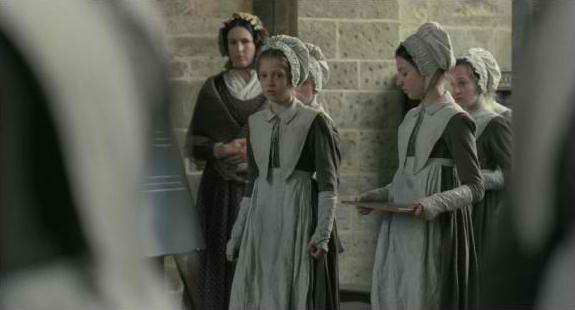
‘Oh, dear papa, how quiet and plain all the girls at Lowood look, with their hair combed behind their ears, and their long pinafores, and those little holland pockets outside their frocks—they are almost like poor people’s children!

jane-eyre-2

Here plain clearly means that their clothes and hairstyle is simple and poor. Brocklehurst’s daughters were wearing curled hair with ribbons, and dresses with lace and trimmings. The girls at Lowood were ugly because they were plainly dressed.

In the following extract, Jane herself says she dresses plainly because she is poor,

I rose; I dressed myself with care: obliged to be plain— for I had no article of attire that was not made with extreme simplicity.

  • Plain as honest and truthful.

Plain is also used in the novel to mean ‘unvarnished truth’ Mrs. Fairfax is described as addressing Jane with ‘plain friendliness’

jane_eyre_7611_crop

When Jane Eyre arrived at Thornfield Hall, she was a poor, naïve, unworldly young girl, who had lived within the walls of Lowood institution for eight years. Jane was indeed poor and plain because she had no money and very little self-confidence or knowledge of the world.

When Mr. Rochester said she was plain, he meant it as ‘no frills’, simple, poor, and honest. He didn’t mean she was ugly.

Plain is used to describe her clothes, hair, etc. as simple, with no adornments.

Yet, when she first arrives at Eyre Hall, Rochester calls her a ‘nonnette’ which is a small gingerbread cake made of honey and usually orange marmalade. That’s hardly an ugly thing. It suggests reddish tinges to her hair, small, and sweet.

When Rochester says, in his famous marriage proposal,

‘You—poor and obscure, and small and plain as you are—I entreat to accept me as a husband…’

He is echoing her words, meaning he loves her just as she is. She’s not wealthy, or from a noble family, or stunningly dressed, as Blanche Ingram (in the picture below) was, but she is honest and unspoilt. He loves her the way she sees herself, not only as he sees her.

Blanche

In fact, once Rochester has proposed, her self-worth has changed drastically. Jane calls herself beautiful. The following morning she says,

While arranging my hair, I looked at my face in the glass, and felt it was no longer plain: there was hope in its aspect and life in its colour; and my eyes seemed as if they had beheld the fount of fruition, and borrowed beams from the lustrous ripple.

Later, when she goes downstairs to speak to Mr. Rochester he says,

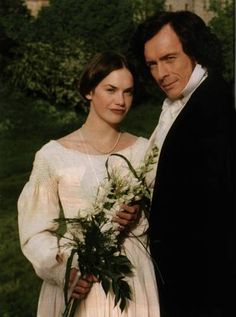
‘Jane, you look blooming, and smiling, and pretty,’ said he: ‘truly pretty this morning. Is this my pale, little elf? Is this my mustard-seed? This little sunny-faced girl with the dimpled cheek and rosy lips; the satin-smooth hazel hair, and the radiant hazel eyes?’ (I had green eyes, reader; but you must excuse the mistake: for him they were new- dyed, I suppose.)

Wedding

Later, when Jane has fled from Thornfield Hall on discovering that Mr. Rochester is married, and that his wife is lodged in the attic above her room, she meets her cousins in Morton.  While Jane is staying at Moore House with her cousins Mary, Diana, and St. John, she tells Diana,

‘And I am so plain, you see, Diana. We should never suit.’

Jane has once more lost her self-esteem. She is telling Diana that she is not worldly or sophisticated enough to be her cousin’s wife, but Diana replies,

‘Plain! You? Not at all. You are much too pretty, as well as too good, to be grilled alive in Calcutta.’

There is no doubt that Jane was a short and thin young girl, probably due to lack of nourishing food, in an Institution where many girls dies of sickness and malnutrition, but I also have no doubt that she would have grown into the beautiful, healthy, intelligent and confident woman, who appears in my novels.

Jane 2

In The Eyre Hall Trilogy, Jane has grown into a wealthy and self-assured woman, so she has the clothes, jewels, security, and intelligence to be beautiful. I have maintained her physical characteristics, she is short and slim, her eyes are still green, as she says they are in Jane Eyre, and her hair is auburn, as Rochester described it, too.

Jane is as beautiful in The Eyre Hall Trilogy as she was in Jane Eyre, if some readers didn’t capture her beauty that, it’s their problem, not mine or Charlotte Bronte’s!

Michael says of Jane while he is her valet at Eyre Hall in All Hallows at Eyre Hall:

I am in love with a lady who has lively green eyes, pale cream skin, rosy round cheeks, smooth wavy auburn hair and soft coral lips.

One of my favouriter actresses to play the part of my mature Mrs. Rochester, is Rachel Weisz.

Rachel+Weisz+78th+Annual+Academy+Awards+sRe4GhQudfgl

My favourite description of my Jane Eyre, is found in Twelfth Night at Eyre Hall, when Charles Dickens visits Eyre Hall and gifts us with this eloquent description of the mature Jane Eyre, the woman I’m sure she would have become,

We sat drinking brandy after dinner by the fire. It was a restful moment after such an intense conversation. I examined my host. Jane’s pale complexion and delicate frame stood in stark contrast to her confident movements and assertive manner, which denoted a remarkable strength and serenity of character. Her flawless features fit perfectly in her heart–shaped face. Her dainty fingers and soft hands caressed her dress distractedly as she watched the fire. Her russet hair was tamed with several pretty hair clips, and her inquisitive green eyes held a gentle gleam when they rested on mine. She was one of those fortunate women who grow more beautiful as they age. Her voice was soft and melodious and her manner charming. It was a pleasure to be in her company.

So, Dear Reader, do you still think Jane Eyre was ugly?

How to Write a #Novel #MondayBlogs

How I write: A Descriptive (not Prescriptive) account of my Writing Process

A. Mulling: The Creative Phase

Before I actually start my formal planning, laid out below, I’ve been thinking of my novel, talking to my characters, and outlining loosely, for months, or even years…

I’ve ‘seen’ what will occur, how it will begin and end, and I’ve run through the main events in my mind. I also have plenty of handwritten notes, some scenes have been written or outlined, and I have plenty of ideas, which I need to organize in some way, otherwise my writing becomes too erratic.

I soon realized I needed to give it a shape I can visualize as a whole and handle in small chunks.

This is the organizational method I’ve found has worked for me in my three novels.

B. Organising: A Three-part Outline

I love Vonnegut’s quote:

Vonnegut

Basically, Jane gets into some trouble, then she get’s into more trouble, and finally, she gets out of it… or not?

I divide my novel in the following three parts:

Part I or Exposition:

Jane gets into trouble.

Including Plot point one, also referred to as the tipping point or the inciting incident, which sets the action going. The reader will find out where and when the action takes place (context), what the book’s about (genre), and who the main characters are, and what they want. The main character will suffer the first major onslaught.

Part II The Story Unfolds:

Jane get’s into even more trouble.

Then comes plot point two, where the story starts to unfold and something happens to change direction or add to the crisis, leading to the climax, where the events move faster. Conflict is in the open. Secrets revealed. there is no turning back and the main character is in another or greater, complex dilemma.

The Final Outcome or denouement:

Jane gets out of trouble, but… not completely… yet (because I’ve written a trilogy). 

Many types of novel, such as romantic, mystery, suspense, or detective, will have a happy, or satisfactory ending for the main characters. Other types of novels such as what is referred to as literary fiction, may have a more sombre or open ending. My novels include both types of endings.

In any case, I always make sure there’s another conflict or obstacle just before the end, to nudge the reader, so he/she doesn’t get too complacent!

C. Zooming in: Chapters

I plan ten chapters per part. This isn’t a strict rule for me, but it gives me a sense of balance and security, so I start with it. Some of my parts have more or less chapters in the final version.

chapter

My Chapter Outlines

I outline the chapter including the following points:
First I establish an aim. Why is this chapter here? What does it add to the plot or story?
I establish the narrator (POV), because my novels have various narrators.
I identify the other participants.
I summarize the main events, which happen or are discussed.
I usually write some of the dialogue.
I often add pictures.
I establish the research needed.

I write it all down often by hand, sometimes it’s typed, and all of it, including photographs, research notes etc., are all included into punched plastic filing sleeves, which I put into a ring binder, in consecutive order.

I never write chronologically. I write some of the events first. The ones I see more clearly, in no particular order and put them into the sleeve. Sometimes I start or write parts of chapters and return at a later date because the rest of the action will depend on other chapters, or because I can’t ‘see’ how it will continue, and I need to think it through.

I never sit and look at a blank page or screen. I’ve thought about and taken notes before I write, and if I ‘get stuck’ I get up and do something else. Sometimes I go for a walk and think about it, or I write another chapter, or I read something for inspiration, usually something by Dickens, or Jane Eyre (I could reread them forever!), or I just leave it and get on with the rest of my life! Sleeping on it often helps.

As I let the characters do the talking and listen closely, the story is alive and goes through many changes, such as, chapter orders, narrator, etc. I even scrap or merge some chapters, or realize I need another chapter I hadn’t thought of, etc.

D. The First Draft: The hard slog 😦

Lisa

Once my novel is all there, in bits and pieces, classified in plastic sleeves, I gradually type out the messy contents, again in no particular order, wherever my inspiration or mood takes me. I do this on a kindle template and make sure I back it up on my memory stick and at least two PCs.

When I finally finish my first draft, it looks decidedly messy, and there are some ‘gaps’ or incomplete chapters, but it’s all there, at last. So now I need to get back to it chronologically. I print it all out and make hand written notes to fill in the spaces, improve, add, remove, rewrite, etc..

This is the hardest part, but it’s also the most satisfactory, because when I finish I have a novel (more or less).

E. Second and Subsequent Drafts.

This is the point where I start setting up the publishing process.

I can upload my novel for pre-order, I have three months to upload the final version.

I contact my editor to book dates, cover designer, beta readers, and I start thinking about/planning a marketing strategy, and I apply for my ISBN.

Finally, I start panicking and working to a strict timeline, to force myself to complete the novel in 4-5 weeks.

I read it through again, chronologically and critically, to make sure it flows and search for inconsistencies, etc.
There is a lot of work at this stage, and I usually need to make changes or do some more writing.

When I’m reasonably pleased with the second draft, I reread it aloud, and make more, usually minor, changes.
This third draft is the point I usually send it to my beta readers and wait.

F. Tinkering

Hard writing

The novel’s all there, but there are lots of little things such as, typos, small inconsistencies, things which need clarification for the reader, so I tinker again after my beta readers’ feedback.

For example I changed the ending, by adding a final short scene, just a few pages, in my second book, due to my beta readers’ suggestions, and even eliminated a minor character, whom they convinced me was superfluous.

Then it goes to my editor, who makes some more suggestions, and I make some more decisions and tinker again.

My fifth and final version goes to my editor again for a second edit, which is really the ‘proof read’, because I’m not making any more changes at this stage, mainly to preserve my mental health!

I write my first draft in a kindle template, so I don’t need to do too much in the way of formatting, but it takes time to upload, check, and recheck the final version on Amazon.

G. Promoting and Marketing.

This actually comes way before now, at least four to 6 weeks before it’s published, although it starts happening nearer to the publishing date and after. It includes planning Blog tours, cover reveals, interviews, guest posts, and booking advertising spots on online sellers, contacting readers / fans (I have a few lovely, loyal readers who get ARCs), etc.

Sounds tough? That’s because it is.

If writing seems hard it’s because it is hard. It’s one of the hardest things people do.’ William Zinser, author of, On Writing Well.

Why do writers write? Easy, because we can’t not write.

Hell

“It’s hell writing and it’s hell not writing…” Robert Hass

In other words:

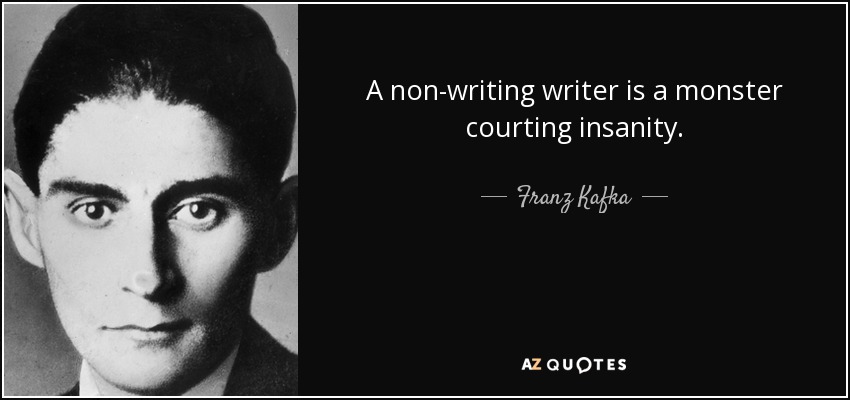
“A non-writing writer is a monster courting insanity.” Kafka.

Monster

So, please don’t be a monster, keep writing and finish your novel!

How do you write your novels?

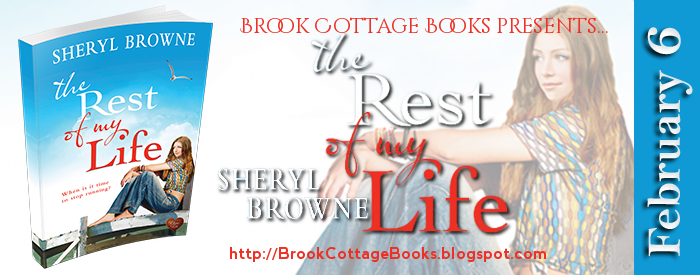
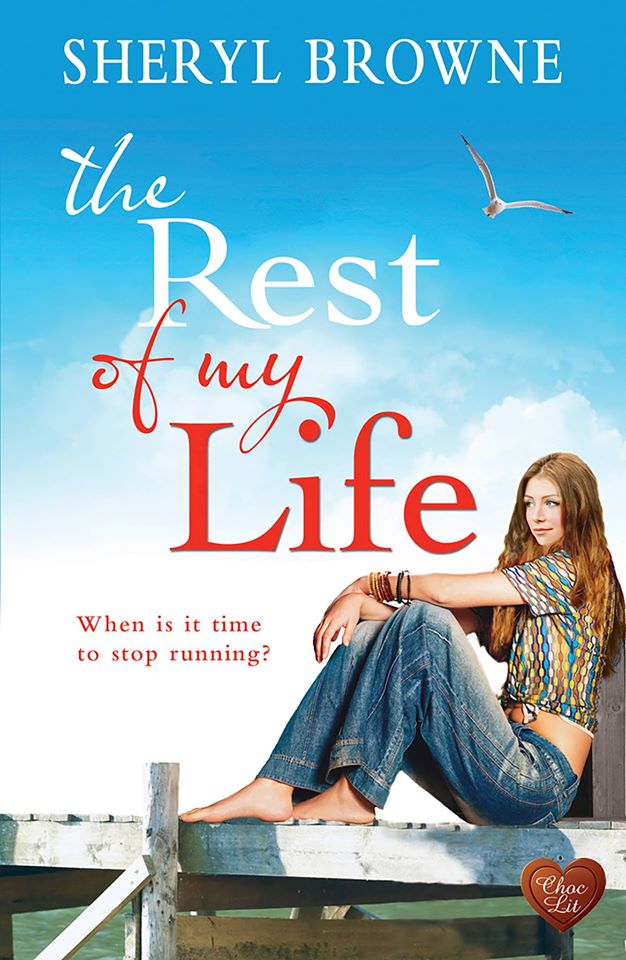
#BookReview ‘The Rest of my Life’ by @SherylBrowne & Book Tour @BrookCottageBks

The Rest of My Life Tour Banner 1 1

THE REST OF MY LIFE BY SHERYL BROWNE

Genre: Contemporary Romance : Release Date: 1st July 2015
Publisher: Choc Lit @ChocLituk

Recommended by the WH Smith Travel Fiction Buyer
Shortlisted for the LoveStories Awards 2015
A Being Anne’s Book of the Year 2015

Blurb

The Rest of My Life – When is it time to stop running?

“You can’t run away from commitment forever …”

Adam Hamilton-Shaw has more reason than most to avoid commitment. Living on a houseboat in the Severn Valley, his dream is to sail into the sunset – preferably with a woman waiting in every port. But lately, his life looks more like a road to destruction than an idyllic boat ride…

Would-be screenplay writer Sienna Meadows realises that everything about Adam spells trouble – but she can’t ignore the feeling that there is more to him than just his bad reputation. Nor can she ignore the intense physical attraction that exists between them.

And it just so happens that Adam sees Sienna as the kind of woman he could commit to. But can he change his damaging behaviour – or is the road to destruction a one-way street?

Rest Cover

My Review

Adam is a flawed hero. He’s a bad boy, trying to forget, or get over, his traumatic past by drinking and embarking on multiple sexual relationships with married women, until he meets Sienna, an innocent virgin, who is running away from an abusive boyfriend. Adam tries to change, but his past exploits keep catching up with him, making new beginnings difficult. Adam’s previous lovers, and their husbands and other relatives, cause Adam some grief, including an arrest and a severe battering.

Plenty of other lively characters intervene in this whirlwind and intense romance, which takes place in approximately three weeks. Sienna and Adam’s best friends, Laura and Nate, alternately aid and obstruct the relationship. The arrival of Sienna’s father, confronting Adam, leads to some humorous moments to relieve the tension.

I had little sympathy for Adam at first, and I also thought Sienna needed to be more assertive, but they gradually grew on me, and I wanted to find out how it would all pan out. Unexpected events escalate towards the end of the novel forcing Adam and Sienna to decide whether their relationship is worth fighting for.

Especially for lovers of steamy contemporary romance with plenty of hurdles and a happy ending!

WATCH THE VIDEO!!

BUY LINKS
AMAZON UK
AMAZON US
Choc Lit

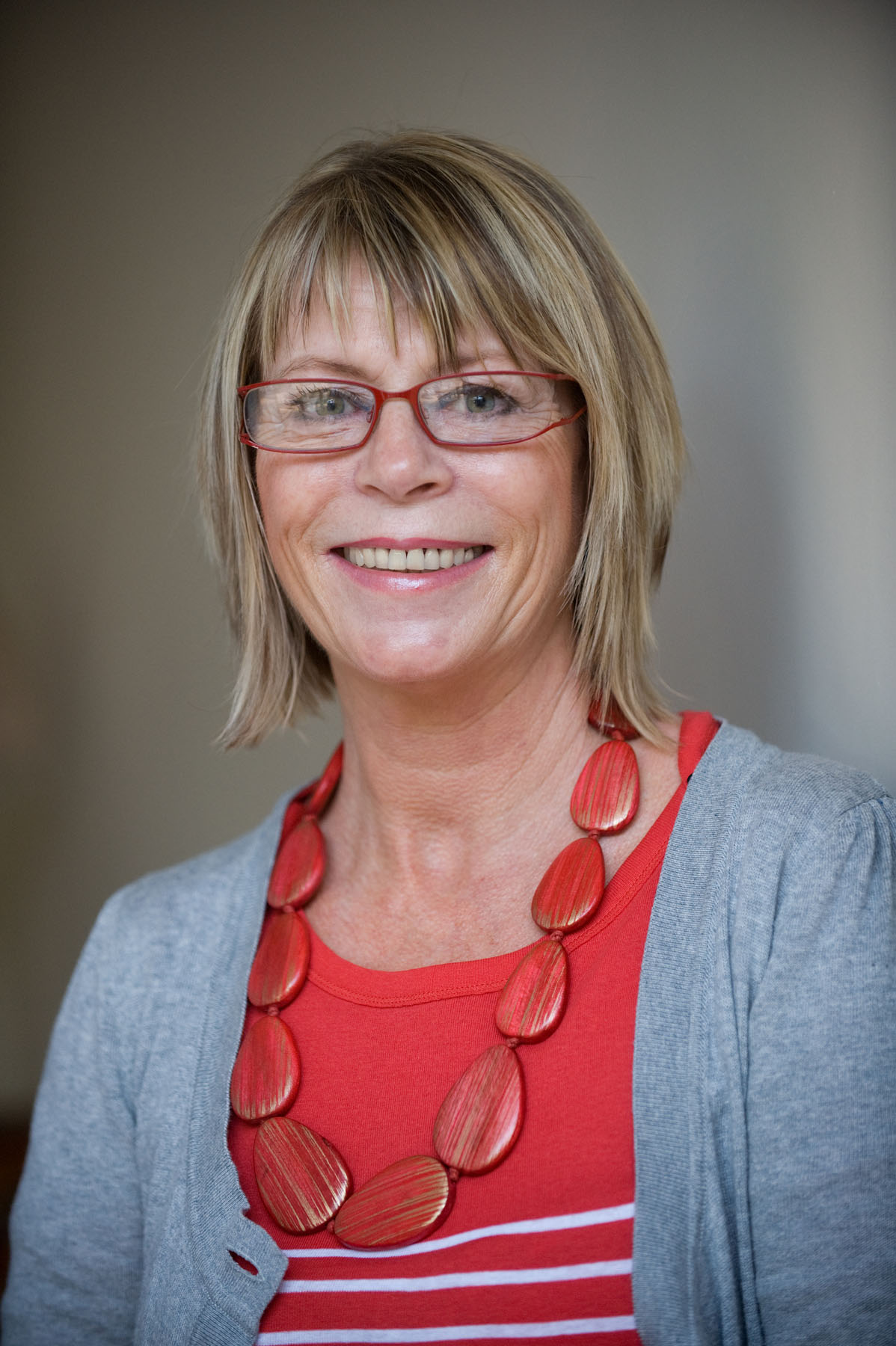
Sheryl Browne03 small file

ABOUT SHERYL BROWNE

Heartache, humour, love, loss & betrayal, Sheryl Browne brings you edgy, sexy, poignant fiction. A member of the Crime Writers’ Association, Romantic Novelists’ Association and shortlisted for the Best Romantic e-book Love Stories Award 2015, Sheryl has seven books published and two short stories in Birmingham City University anthologies

Sheryl’s new contemporary romance novel was recommended to the publisher by the WH Smith Travel fiction buyer. THE REST OF MY LIFE comes to you from award winning Choc Lit.

Enter Giveaway

Win 1 ecopy of a Sheryl Browne book! You pick what book you want!!

I’d like to thank Brook Cottage Books and ChocLit for the opportunity of reading and reviewing this delightful novel.

CHOC LIT


#Author Spotlight Shani Struthers and #BookReview ‘Eve: A Christmas Ghost Story’

What do you do when a whole town is haunted?

In 1899, in the North Yorkshire market town of Thorpe Morton, a tragedy occurred; 59 people died at the market hall whilst celebrating Christmas Eve, many of them children. One hundred years on and the spirits of the deceased are restless still, ‘haunting’ the community, refusing to let them forget.

In 1999, psychic investigators Theo Lawson and Ness Patterson are called in to help, sensing immediately on arrival how weighed down the town is. Quickly they discover there’s no safe haven. The past taints everything.

Hurtling towards the anniversary as well as a new millennium, their aim is to move the spirits on, to cleanse the atmosphere so everyone – the living and the dead – can start again. But the spirits prove resistant and soon Theo and Ness are caught up in battle, fighting against something that knows their deepest fears and can twist them in the most dangerous of ways.

They’ll need all their courage to succeed and the help of a little girl too – a spirit who didn’t die at the hall, who shouldn’t even be there…

Eve Teaser

My Review

Two psychic investigators, Theo and Ness, from Sussex, are called to a small village near Scarborough to solve a mystery, just before Christmas. The North Yorkshire market town of Thorpe Morton has been a sad place to live since Christmas 1899, when tragic events occurred in the village. Theo and Ness must find a way of helping the community recover their Christmas cheer.

Our Psychics meet plenty of spirits on their arrival, at the Market Hall where it all happened, in people’s homes, and in their guesthouse, as the two brave sleuths delve into the world of tortured and aggressive spirits. The inhabitants had become accustomed to the unfriendly and mischievous ghosts, but the arrival of the psychics, makes matters worse, seeming to anger the ghosts even more.

The characters, the village, and the events are so well drawn that we feel we’re actually there, which makes it more ‘scary’! I enjoyed the bond, which grew between the two women, and helped them overcome their own personal traumas and issues, as well as helping the ghosts in the town move on, and leave the world of the living, so that the townspeople could live happier and healthier lives.

The social condition of the workers, especially miners, and their struggle for fairer wages and working conditions is at the heart of the discontent of the original tragedy, because it was only the poorer people who died.

The two psychics used their abilities to discover what really happened, as the living are no longer a reliable source of information. They need to find out why the souls are trapped and angry, and why the village has been living in torment and sadness ever since.

Especially for lovers of scary, supernatural tales with happy endings.
This was a short introduction to Shani’s work, I’m looking forward to reading more of Shani’s ghost stories this winter.

********

I asked Shani to take part in my weekly Author Spotlight so we can all get to know her and her work.

Shani Pic

Author Spotlight

You’ve written three books of paranormal fiction, including International Amazon Bestseller, Psychic Surveys Book One: The Haunting of Highdown Hall, Psychic Surveys Book Two: Rise to Me, and your newest is Eve: A Christmas Ghost Story – the prequel to the Psychic Surveys series, which I’ve just reviewed. You’ve also written Jessamine, an atmospheric psychological romance set in the Highlands of Scotland and described as a ‘Wuthering Heights for the 21st century.’ Where does your interest in the paranormal stem from?

The paranormal has always been my preferred genre, right from a child I’ve been interested in it and would tend to prefer darker fairy tales as opposed to lighter ones. Ruth Manning-Saunders, an author no longer in print, used to take traditional fairy tales and twist them into much darker stories, I was addicted to her books and from thereon in that interest grew both in terms of literature and film. As a teen I devoured Stephen King’s books, Peter Straub, Dean Koontz and James Herbert. As an adult the lack of good ghost stories dismayed me, which is why I started writing them!

When someone says to you, ‘I don’t believe in ghosts.’ What’s your reply?

Lucky you! Seriously, that’s fine, it doesn’t bother me, as people are entitled to believe what they like. But… once you get talking about ghosts, even those who deny the existence of anything paranormal usually say ‘oh hang on, there was that time…’ and then they go away not quite as cynical as before. I ‘think’ I’ve seen ghosts, certainly I’ve had some experiences that could be considered paranormal but they were mainly as a child, as an adult I think we naturally tend to close off to the spiritual world as the material world just takes up so much of our time and effort.

Are your novels based on real events or people or are they purely imaginary?

I like to mix fact with fiction in all my books and so real events are included, either those I’ve experienced personally or those told to me by friends and friends of friends. The Haunting of Highdown Hall is based on a story told to me by a friend of a friend, about a house he inherited that used to be the home of a famous film star. She died there and her bedroom was kept thereafter as a shrine. Every time he walked into it he had to leave, there was so much anger and negativity, it was impossible to linger let alone think about redecorating! He had the whole place exorcised and everything was fine after that but it gets the imagination going: was she still there, why was she still there, what was preventing her from moving on? And so the first book in the Psychic Surveys was born.

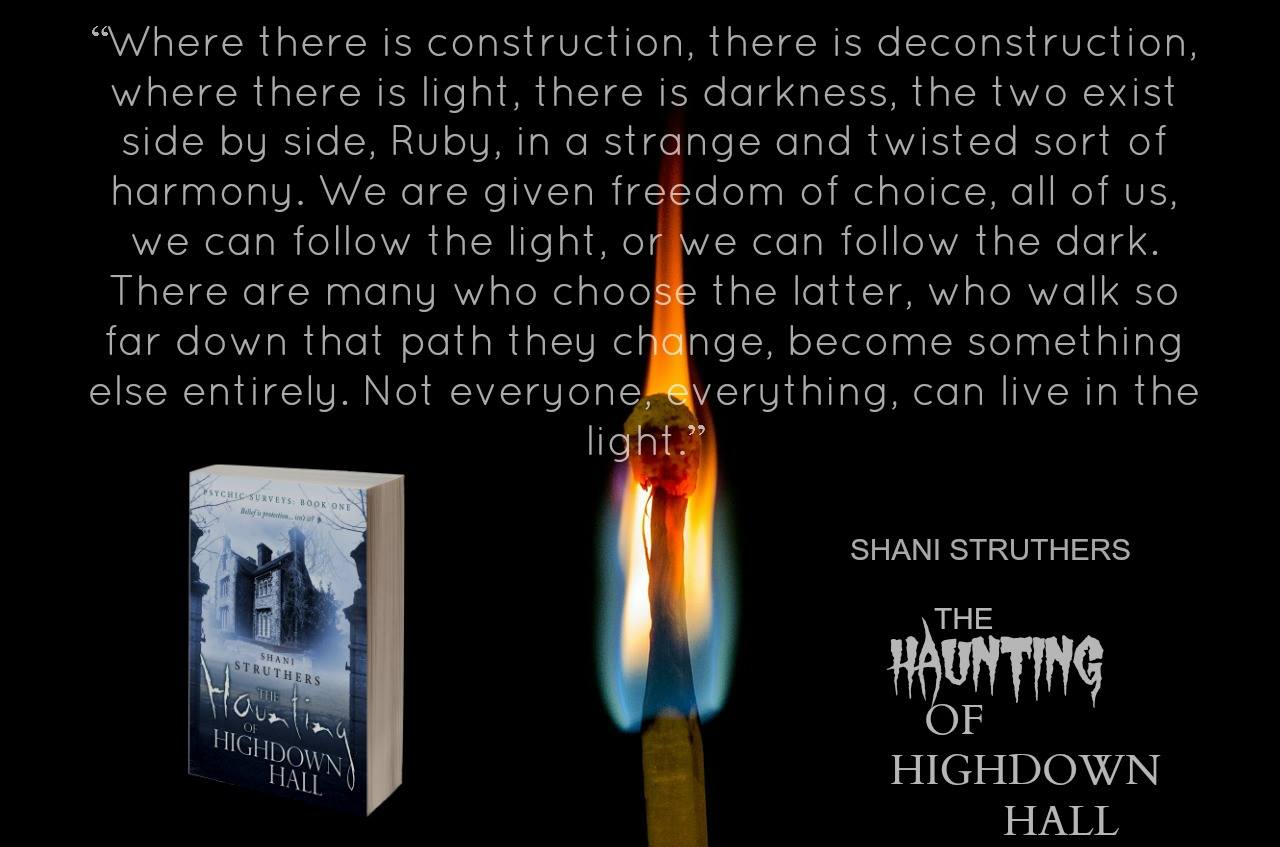
Haunting Highdown Hall Teaser 6

Which of your novels would you recommend readers to start reading first? And why? 

(This one’s for me really! I have several of your novels on my kindle to read next, and I was wondering if Jessamine or The Haunting of Highdown Hall!)

Thank you so much for reading Eve and your review of it. Eve: A Christmas Ghost Story is the prequel to the Psychic Surveys series but can be read as a standalone. I’d recommend reading Psychic Surveys Book One: The Haunting of Highdown Hall next, which is not a horror but a paranormal mystery. Although be warned, the sequel, Rise to Me, gets darker, much darker! Jessamine is a stand-alone novel set in the Highlands of Scotland and is essential a romance with a touch of the supernatural. Jessamine is actually my favourite of all the novels I’ve written and, as you do with your wonderful Eyre Hall series, I drew inspiration from the Bronte sisters whilst writing it. The fact that some readers have said it puts them in mind of Jane Eyre and Wuthering Heights whilst reading it (in tone rather than story) is a huge compliment.

Jessamine Teaser 3

What are you working on now?

I’ve just sent off Psychic Surveys Book Three: 44 Gilmore Street off to my publisher so I’m waiting for the editing process to begin on that. Also, I’ve just written the first draft of The Venetian, which is Book One in the ‘This Haunted World’ series. This new series will be a set of stand-alone novels taking place in and around the world’s most haunted locations and the first is set in and around Venice as well as the island of Poveglia, in the Venetian lagoon, an island with a shocking history that dates back centuries. Like my Psychic Surveys books, they will be a mix of fact and fiction and what links them this time is not the characters but the haunted locations.

What would you like readers to know about you? Brief bio?

I live in Brighton with my husband, three kids and four cats – life is always hectic but in it I’ve made time to indulge my passion, which is novel writing, something that is rapidly becoming the day job! I’ve also been a freelance travel writer for many years, love eating, drinking and being merry as well as travelling the world to places haunted and not so haunted. Yep, even I need a break from the spooks sometimes!

How can readers find out more or contact you? 

Facebook Author Page:
Twitter:
Blog:
Goodreads:
Website:

Where can readers buy your novels?

Psychic Surveys Book One: The Haunting of Highdown Hall
Global Link
Psychic Surveys Book Two: Rise to Me
Global Link
Eve: A Christmas Ghost Story
Global Link
Jessamine
UK

Thank you for visiting my blog, Shani. It’s great to meet an author who writes paranormal and ghost stories, so convincingly. I’m looking forward to reading and reviewing the rest of your books by the fireplace in dark winter evenings 🙂