

Today, 20th February, bloggers are taking part in the 1000 Voices for Compassion initiative, by blogging on the topic of compassion. Have a look at #1000Speak on twitter to read more about what other bloggers are writing about compassion in our lives today.
I’ve been thinking about compassion over the last two centuries, and how the concept has evolved, and finally what it means to me in my daily life.
There was little in the way of social security in the Georgian or Victorian era. In fact, the orphans, homeless, and unemployed of the time, were in danger of losing their health and their lives, by literally dying of cold and starvation. Another option was stealing, which they often inevitably had to indulge in, and could lead them to prison or the workhouse. Another option, especially for women, was prostitution, which would most often be a protracted death sentence.

Compassion was the only option. Families, friends, neighbours, and generous and compassionate people had to be understanding, feel empathy, and assist those in need.
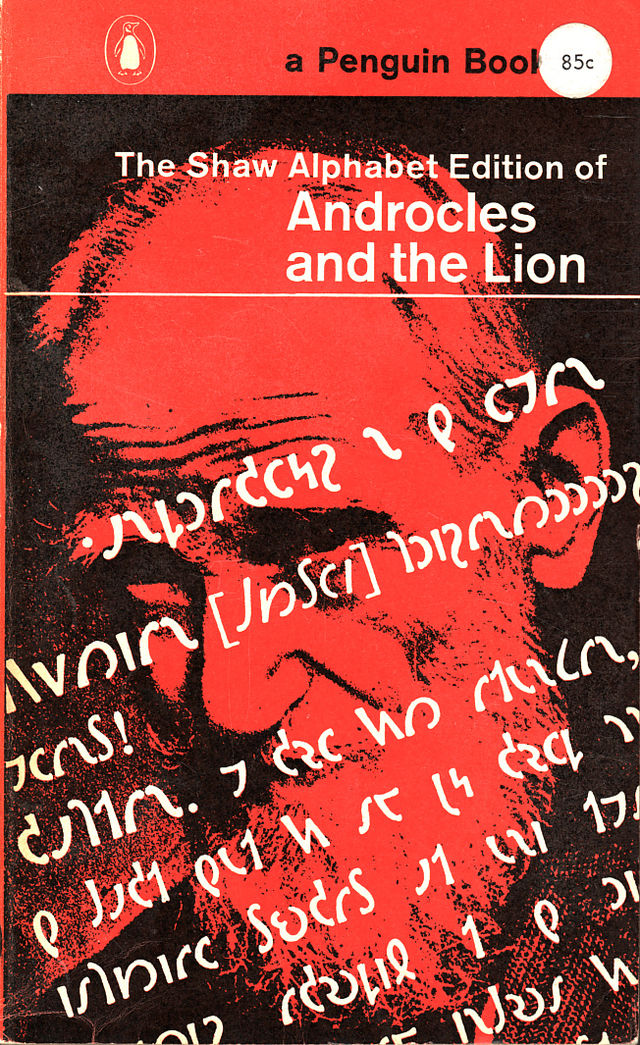
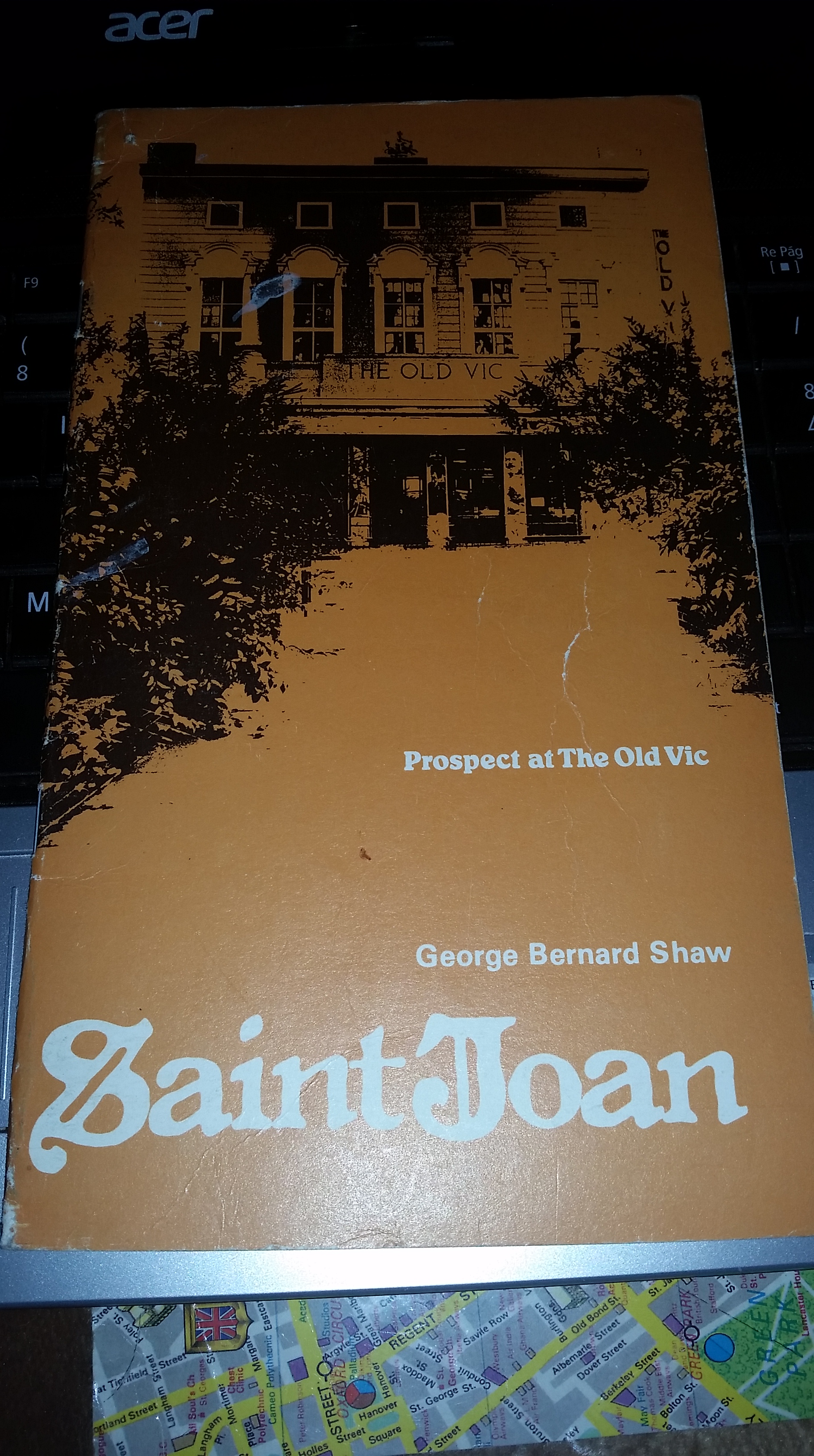
There are plenty of literary examples in fiction in novels many by Charles Dickens (Bleak House, Oliver Twist), Elizabeth Gaskell (Mary Barton, North and South), and Charlotte Bronte (Jane Eyre).
Other international authors such as Emile Zola, Balzac, Tolstoy, and Mark Twain, were also writing novels based on social issues.
There are also history books which sadly confirm these fictional accounts such as: Ideas of Childhood in Victorian Children’s Fiction: Orphans, Outcasts and Rebels The Workhouse Social issues in Victorian England
Nowadays we take the welfare state for granted. The social benefits we all share in Europe, by giving into the system through our taxes, and later redistributing it back into the system, with unemployment benefits, pensions, national health system, education system, etc., have greatly improved the quality of our lives.
This does not mean the system is perfect, or that we can shrug off our responsibility by saying, ‘I pay my taxes, I don’t need to be compassionate.’
So many people in the world, even in our own, developed countries, are experiencing the harshness of the economic recession. We cannot close our eyes to the severe social deprivation and injustices happening around the world. On the other hand, we cannot solve all the world’s problems.
But we can all do something which can help to make the world a better place. If we each do a little, we’ll all do a lot. In Spain people say, if we each add a grain of sand, we’ll all build a mountain.

Everyone needs to be compassionate, and everyone will be in need of compassion at some time.
The great thing about compassion is that you don’t need to go out of your way to be compassionate. It’s not something you have to do outside your daily life, because compassion is part of our lives.
I’m fortunate to be able to help many people every day in my job. I help adults who didn’t finish school, to get their secondary school-leaving certificates and learn some basic English. I also help others who have completed their Secondary education to pass their university entrance exams and improve their English, and thus their job prospects.
First I need to walk in their shoes, and then I need to help them reach their goals. None of them have had, or have, easy lives. Many are unemployed, have very low self-esteem, or serious learning difficulties.
It’s my job to teach them, but it’s my vocation to be compassionate, encouraging and caring.
We’ll all need compassion at some moment in our lives. We’ll all need a compassionate doctor, teacher, friend, colleague, etc., If we each care for those near us who need some, hopefully someone will also care for us, when our turn comes.




 Rereading Jane Eyre
I looked over the barren fields, dry wells, famished cattle, and dug my blackened nails into the thick, crumbly earth. My parched lips made a last feeble effort to cry for mercy.
I remembered how just before the meteor struck our planet, she had appeared and walked through me. I felt a shudder and my body froze for less than an instant.
“Ask and it shall be given,” she said.
“I want to live,” I begged.
“Go south,” she whispered and was gone.
That’s why I was there, dying in the waterless south.
Once again, I sensed the shadow of the spectre approach.
“Ask and it shall be given,” she teased.
“Water,” I implored. “My people need water.”
“Go north,” she whispered and left.
I turned to my people and said, “We must go north.”
They followed hopefully.
When we arrived, the streets were wet. We rejoiced and drank, and thanked the Gods.
The next day, the flooding started. Within days we were living in boats, frantically searching for dry land.
The fleeting ghost returned once more.
“Ask and it shall be given,” she smiled.
“Will it always be like this?” I cried.
She nodded and left.
@LucciaGray (200 words).
Want to To read some of the other stories? You’ll find them here
I’d like to finish on a more optimistic note. I’m sure we can be happy, but only Today.
Today is all we have, so make the most of it.
Have a wonderful day!