Letter W The April A to Z Blogging Challenge #AtoZChallenge

 April Author Spotlight 2015

Letter ‘W’ is for Alison Williams author of The Black Hours.

W

Why do I recommend The Black Hours?

The Black Hours is not an easy novel to read because it’s based on the true story of a cruel witch-finder during the English Civil War, in the 17th century.

Alison Williams thrust good and evil upon me disturbingly, because at the beginning, evil is shown to have the upper hand. I was outraged as I was taken inside the vicious witchfinder’s sick and manipulative mind, which enabled him to enlist the help of the landowners, magistrates, other members of the clergy, as well as some spiteful townspeople. I was shocked by the plight of the hopeless good people like poor Alice, who was constantly in the throes of a dreadful situation, because she was almost alone, poor, and helpless.

I was appalled and angered by the rampant misogyny, injustice, and violence for three-quarters of the novel, until eventually a small light shone, and a sensible and respectable hero appeared. At last I had some hope that the situation would improve, and it did, in a way which may not be totally satisfactory for those of you who like HEA, but in the only way such a dark episode could end realistically.

I loved the way Alison transported me to rural 17th century England, into the cottages, the prisons, and the courts, making me feel I was really there as I squeezed my kindle in horror. I couldn’t stop reading in spite of the distress I was feeling, because I really felt sympathy and concern for Alice and her grandmother’s plight.

The Black Hours is a must for lovers of well-written historical fiction, which deals with ordinary people and factual events, and for readers who don’t mind being chilled to the bone.

cover-1600x2369 (2)

What’s your book about?

‘The Black Hours’ is set during the infamous witch hunts in England in the seventeenth century. The witch craze that had seen thousands of deaths across Europe was more or less over by then, so this was a bit of an anomaly. But Matthew Hopkins used the chaos of the civil war to make some money out of witch hunting. What’s different about my book is that not only is it based on a real figure – Matthew Hopkins was, unfortunately, all too real – it also tells the stories of the ordinary people affected by what he did. I do think that sometimes historical fiction focuses too much on the bigger picture, the important people. I visited the Museum of Witchcraft in Cornwall during my research and saw a list of names of those persecuted and realised that behind each name was a real person. A person with a family, with hopes, dreams. With feelings. What I wanted to do with The Black Hours was to somehow let people know what had happened to real people, how it felt for them to be caught up in events they couldn’t control. It tells the story from two sides – with alternating viewpoints from Matthew himself and from one of his (fictional) female victims, Alice Pendle.

What are you working on now?

As well as writing fiction, I also work as a freelance writer and editor. The ‘day job’ is keeping me really busy at the moment and I’ve had the pleasure of working with some wonderful writers. Unfortunately that means my fiction wiring has had to take a bit of a back seat. But I am researching a couple of ideas for my next book – both historical fiction. One is based on the life of French Romantic artist Eugène Delacroix, focussing on his painting ‘The Death of Sardanapalus’. The novel will tell the story of the (fictional) woman used as the model for the concubine in the painting, and the story of the concubine herself, drawing parallels between their lives. The other is based on something I read about Guy Fawkes – that there is a theory that he was actually married. I wondered what it would be like to be his wife, and want to tell his story through her eyes.
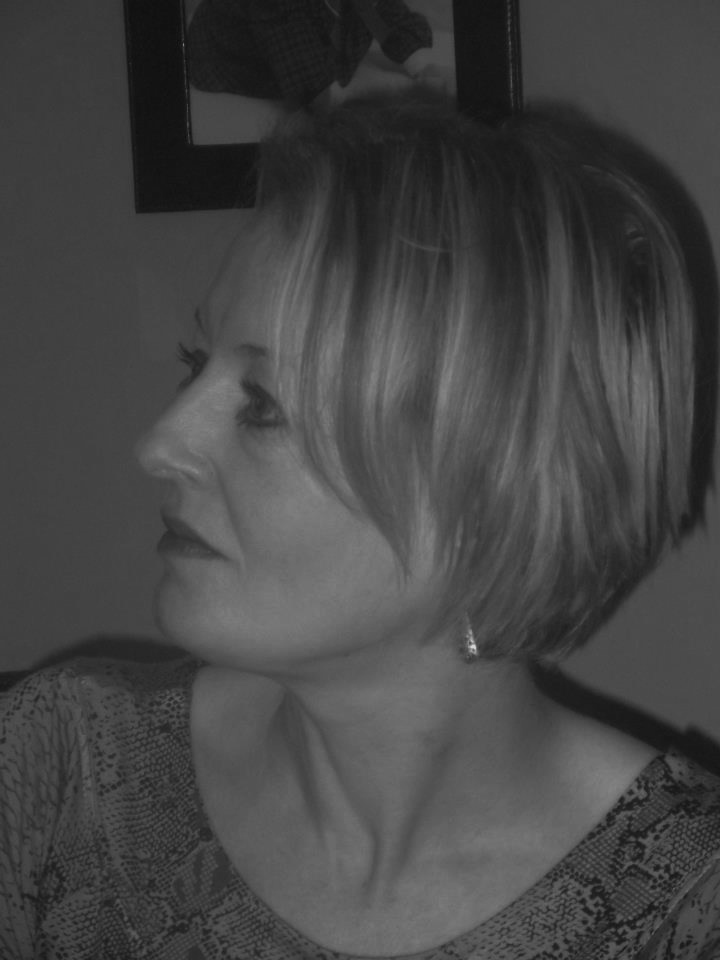
Alison Williams

What would you like readers to know about you?

As well as editing and writing, I’m planning to launch an online magazine for independent writers later this year, so I’m busy trying to set that up at the moment. I really enjoy writing articles and over the last few years have had lots of articles published online – I think this is definitely the way forward for magazine publishing. I love the idea of combining that aspect of my writing with my interest in and experience of self-publishing. I found it very time-consuming and frustrating to find lots of reliable information when I was self-publishing for the first time and think that having access to all that information in one place, with articles by authors, editors and marketing experts would be really helpful and that’s what I’m hoping the magazine will provide. It’s early days but I’m very excited about it.

How can we find out more or contact you?

My Blog

Facebook

Twitter: @Alison_WiIliams

Amazon.co.uk author page:

The Black Hours on Amazon.com

The Black Hours on AmazonUK 


Please take some time to check out some of the other blogs on the A-Z Challenge. There are plenty of interesting and varied topics.
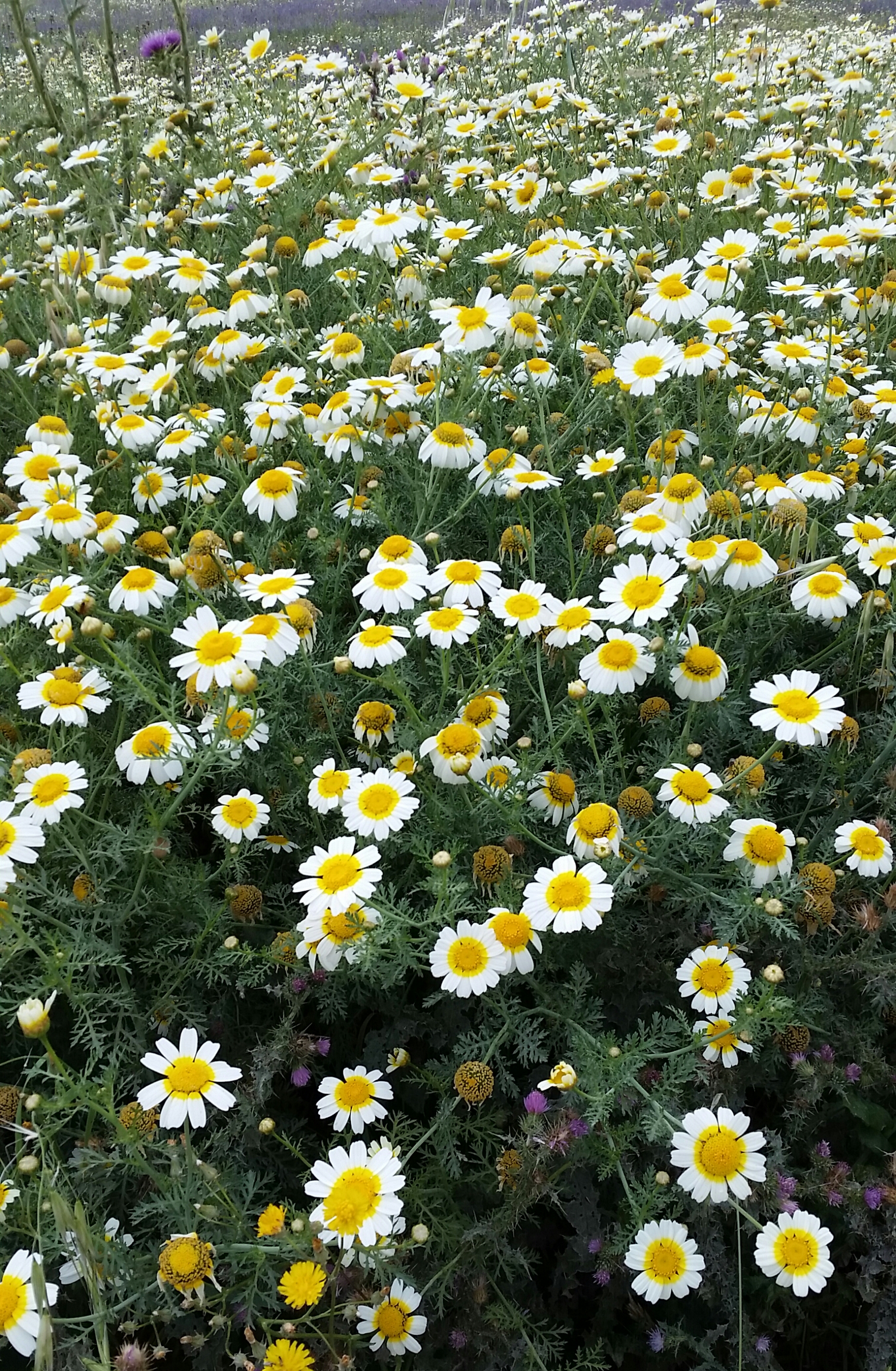
 

Silent Sunday 26th April: Wildflowers

wpid-20150426_111456-1.jpg

Add a picture taken by you this week.  No words. Have a look at some of the other pictures or post one yourself here: http://www.cosmicgirlie.com/2015/04/26/silent-sunday-108/


Stream Of Consciousness Saturday #SoCS: Vary your ‘Very’


This post is written in response to Linda G. Hill’s prompt on Stream of Consciousness Saturday. Today’s theme is “vary/very.” Anyone can join in! Enjoy posting and/or Reading other posts here!

socs-badge


Vary Your ‘Very’ (Or Better Still Just Delete It!)

This is something I’ve written about before, but it’s a subject that gets me all worked up, so I’ll talk about it again.

I hate the word ‘very’.

‘But why?’ You may ask. ‘Very’ is a nice little word. It could be, if it appeared every now and again, but it becomes a crutch, or even worse, an annoying habit.

I hate coming up with ‘very’ continuously when I’m reading, and believe me, it usually is continuous. Writers either use it too much, or don’t use it. 

The only words I hate more than very are ‘a bit’. The three make me cringe, painfully.

Fortunately, there are two solutions to the ‘very’ issue:

  • Leave them out. Just scan your document for them and delete. Easy. Read your text again. See, I told you, there’s no difference, is there? Wrong. There is a difference, you’ve improved your text, immensely!
  • Second option. Vary your ‘very’. Think of alternatives. Be creative. Change the words for another stronger adjective or a superlative, make the adjective into an adverb, use a complete clause, or metaphor, or even a simile, anything will be better than ‘very’.

Some examples for improving ‘very’:

‘very beautiful’ : stunning?

‘very silly’: idiotic? The silliest person I’ve ever met?

‘very far’: a long distance / too far to walk / from here to Land’s End?

‘very tired’: exhausted? Worn out? As if I had walked to Rome?

‘very slow’: slowly?

‘very cross’: furious? Mad enough to kill him?

Very clever: ingenious? Intelligent? Brilliant?

I said I hated every  ‘very’, but there are two which are on the top of my list of detestable expressions.

The worst are ‘very good’ and ‘very bad’.

Let’s face it, your character is either bad, or wicked, or evil, or even a monster, but ‘very bad’, that’s so weak, it makes me want to cuddle him.

‘Very good’ irritates me no end. What do you mean ‘very good’? If it’s food, is it delicious? If it’s a job well done, is it excellent? Is it great? If it’s a character, is he adorable? Perhaps to die for?

I say ‘very good, one more time’, or ‘very good, try again’, to encourage my students when they do something badly! That’s absolutely true, all teachers know it’s true.

Come on, teachers never say ‘very bad’, do they? But when they say ‘very good’, it’s never enough. I’m almost certain that ‘very good’ isn’t anywhere near good for most people. If it really is good, use another word, don’t put ‘very’, or you’ll ruin it!

I feel mentally drained after this rant. I need to go for a run and let some steam off. I’ve written ‘very’ so many times, I couldn’t even try to get any work done, because I feel ‘very silly’.

Remember, don’t have a ‘very good’ weekend, have a wonderful weekend! 

****

PS If I haven’t convinced you, perhaps Mark Twain will:

Substitute ‘damn’ every time you’re inclined to write ‘very;’ your editor will delete it and the writing will be just as it should b

This is a wonderful chart I’ve used in class.

PS I forgot to say that the only time ‘very’ would be acceptable is if it’s used in a dialogue, but be warned, I’m  going to be very suspicious of the character’s intellect!


Letter V The April A to Z Blogging Challenge #AtoZChallenge

April Author Spotlight 2015

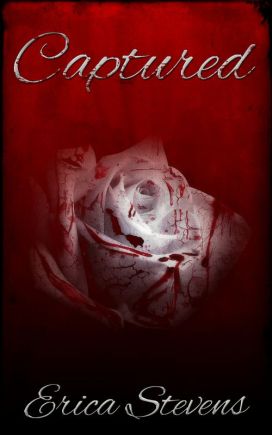
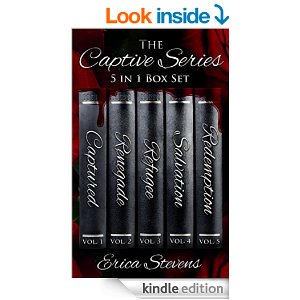
Letter ‘V’ is for ‘Vampire Novels’ and Erica Stevens, author of The Captive Series.

V

Why do I recommend The Captive Series?

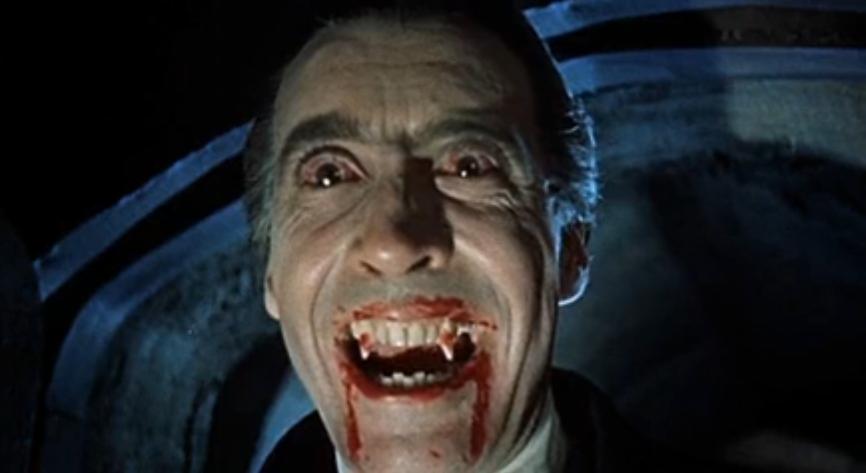
I remember being terrified yet addicted to the tandem Christopher Lee, ‘The Vampire’, and his frequent pursuer, Peter Cushing, in the notorious ‘Hammer’ Dracula films I watched avidly in the 1970s, such as The Brides of Dracula, Dracula: Prince of Darkness, Dracula Has Risen from the Grave, Taste the Blood of Dracula, Scars of Dracula, Dracula AD 1972, The Satanic Rites of Dracula, and The Legend of the 7 Golden Vampires, etc.

 Christopher Lee as Dracula 1958.
Christopher Lee as Dracula 1958.

I thought I had outgrown vampires. I hadn’t read a Vampire novel since I read Dracula as a teenager, and I had no inclination to do so now, in spite of their renewed popularity, until my daughter, teacher and mother of two of my three grandchildren, convinced me to read Captured, the first novel in The Captive Series, which was free at the time, and still is.

Captured

This is what happened: in a matter of weeks, I had read the whole series of five books! My daughter was always a book ahead of me, so there was plenty of teasing and debating about what would happen!

I liked the way Erica created a credible future world in which Vampires rule over humans with extreme cruelty and tyranny. I felt empathy from page one with Aria, the free-spirited and brave human blood slave, who is the daughter of the rebel leader. She is captured by the ruling vampires and taken by Braith, a Vampire Prince and heir to the throne (and Byronic hero in disguise!)

All the characters come alive because they have different facets, including flaws and virtues, and they all develop throughout the novel, along with their changing circumstances.

The story is intriguing, original, and well planned and drawn out, including family feuds, secrets, and lots of action. Eventually, no-one was as good or bad as they seemed, and there are plenty of twists and turns, and surprises, to keep me hooked to the end of the series.

I enjoyed the unusual and sweet romance between the young human and the vampire, including a lot of tension, and obstacles to be overcome, but no explicit sex, although there were some violent and gory scenes especially between the violent and bloodthirsty vampires.

I’m not sure if I’ll be reading any more vampire novels, although if there’s yet another sequel to this series, as Erica has promised, I will certainly be reading! However, I’m glad I read this collection, because it is a well-written and enjoyable read. It also reminded me of my (almost) forgotten teenage interest in these supernatural creatures.

The Captive Series


What is The Captive Series about, Erica?

The Captive series is a different take on vampires. It’s a dystopian series based in a future where vampires have taken over and rule the world. Some of the humans have helped to keep the vampires in control while others live in the forest and fight against them. Aria is one of the rebels, and when she is caught she finds herself in the hands of the vampire prince, Braith. Neither of them know what to make of the other but a forbidden love slowly begins to grow between them. The vampires in this series aren’t friendly, they’re not all evil, but they are definitely unapologetic of their actions. This series is an interesting, fun ride with many twists and turns throughout it.

What are you working on now?

Right now I’m working on the fourth book in my Vampire Awakenings Series under my other penname, Brenda K. Davies. It’s a more adult content paranormal romance series. Afterwards, I will be returning to The Captive Series to write the seventh book in the series.

What would you like readers to know about you?

I have many many ideas for future books!

Erica

How can we know more or contact you? 

Captured Links on: Amazon,  Apple iBooks,  Barnes & Noble, Google Play Books,  KOBO, and Smashwords:

Join my Mailing list.

Follow me on Twitter: @ericastevensgcp 

My FB page

My Amazon page

 ****

PD. By the way, in case you think vampires novels are a new trend in literature, have a look here for more information on 19th century Vampires,  such as The Vampyre by John William Polidori (1819), Varney, the Vampyre by James Malcolm Rymer (1845-47), Carmilla by Sheridan le Fanu (1872), The Fate of Madame Cabanel by Eliza Lynn Linton (1880), Dracula by Bram Stoker (1897), and The Blood of the Vampire by Florence Marryat (1897), among others.

I’ll have to write a post on ‘Rereading the Vampire’…


Please take some time to check out some of the other blogs on the A-Z Challenge. There are plenty of interesting and varied topics.


Letter U The April A to Z Blogging Challenge #AtoZChallenge

April Author Spotlight 2015

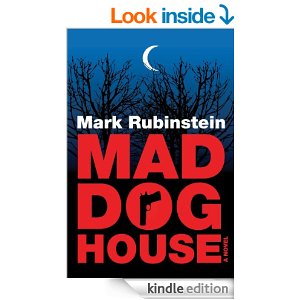
Letter ‘U’ is for Mark Rubinstein, author of Mad Dog House and Mad Dog Justice.

U 

Why do I recommend Mad Dog House and Mad Dog Justice?

Mad Dog House is a compelling read. It’s a disturbing urban thriller which I read in one sitting. I loved the way the author took me right into the diverse characters’ tormented minds. I was challenged, as they were, to confront the forces of good and evil, and decide how far I would be we are prepared to go to defend and protect my family and lifestyle. What would I have done?

I enjoyed Mad Dog House so much, I couldn’t wait to read the sequel, Mad Dog Justice, which I also read in two sittings, because unfortunately I had other things to do, otherwise I would have finished it in just one day! I would strongly recommend reading both, preferably in the order they were written. They can be read alone, but that would be a great pity.

Mad Dog Justice takes up almost a year after the events narrated in the first book. This time, I was forced to face even more physically dangerous and morally complex situations with the characters. I struggled with them, as they had to give up everything they have in order to recover the privileged and comfortable, middle-class lives they had worked so hard to build for themselves, after managing to leave behind their disadvantaged and traumatic childhoods in Brooklyn.

It’s an exciting read, which is not meant for the faint-hearted! There are plenty of pursuits along the streets of NY, as ruthless killers hunt them down. Once more the climax is surprising and well unraveled, and the conclusion is brilliant.

Mark Rubinstein is an exceptional writer who manages to push the reader into the action-packed stories, including well-written descriptions, vibrant dialogues, illuminating interior monologue, and pulsating action, which make up both of these thrilling novels.

I’m desperately waiting for a third installment…

Mad1


What is Mad Dog Justice about, Mark?

Mad Dog Justice is a sequel to Mad Dog House. You need not have read the first thriller to love the second. Roddy Dolan, a surgeon, and Danny Burns, an accountant, are in the crosshairs of ruthless hitmen. They think they know why, but aren’t sure. Is it the mafia, the Russian Bratva, or someone else? Any reader will identify with these suburban guys who must decide how to save themselves and protect their families. Anyone who loves suspense and unremitting tension will love Mad Dog Justice, a thriller that rushes at a torrid pace to a stunningly unpredictable conclusion.

Mad Dog Justice

What are you working on now?

I’ve just completed a new standalone novel, The Lovers’ Tango (June 2015). It’s a suspense-filled, romantic, legal thriller. Bill Shaw is a best-selling crime writer. His life changed the moment he met the beautiful actress Nora Reyes. Following Nora’s death, he’s in the DA’s sights because of eerie parallels between Nora’s dying and a novel Bill was writing. In a harrowing progression of events, a murder trial ensues. What exactly did happen between Bill and Nora the day she died? The novel blends suspense, tragedy, and romance into a timeless story of love, loss, and the beguiling mystery of memory. It’s a story about lovers locked in a tragic final dance.

Mark Rubinstein

What would you like readers to know about you?

I’ve written four novels, two novellas and five non-fiction books. I practiced psychiatry until two years ago, when I began writing fiction on a full-time basis. After graduating from college with a degree in Business Administration, I entered the army, was assigned to a medical unit tending to paratroopers of the 82nd Airborne Division. I then returned to college, studied the pre-medical courses, was accepted to medical school, and eventually became a psychiatrist specializing in forensic psychiatry.

How can we find out more or contact you?

Links: Mad Dog Justice on Amazon:

My Website

My Twitter page: @mrubinsteinCT

My Facebook page


Please take some time to check out some of the other blogs on the A-Z Challenge. There are plenty of interesting and varied topics.
Three Line Thursday #3lineThursday Week 28 and #WordBookDay 23rd April

Today is World Book Day according to UNESCO, to commemorate the deaths of Shakespeare and Cervantes.

And it’s Thursday, so it’s also Three Line Thursday. Being the efficient blogger, writer, and teacher that I am, I’ve linked both events in this post!

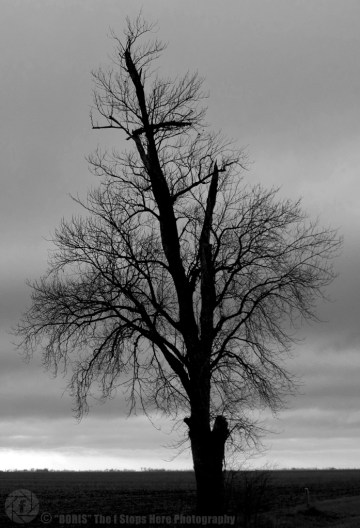
This is the photo prompt for Three Line Thursday. Rules: Three lines, no more than ten words per line.

week-28-boris
By Boris Boden

The Naked Tree

Inspiration is like a naked tree.

Yet her artful pen crafts a budding orchard,

While the reader picks mellow fruit hanging from loaded stems.

****

Writers imagine people, places and events, and build them up into stories, or poems, or flash fiction, or novels, and other types of fiction, while readers reap the fruits. That is why I’ll always prefer reading; it’s easier and more enjoyable.

Writing is hard. I mulled over the 24 words in The Naked Tree for hours, and anyone can read it in seconds; that’s how hard writing is! (I won’t tell you how many hours went into my novel, although I enjoyed almost every minute of it). On the other hand it’s rewarding to know that you can express your feelings, and reach and move people you don’t know and will never even meet.


Book_Day_2_reduced

To celebrate World Book Day, at the Adult Education Centre where I teach English in the south of Spain, we have been carrying out ‘literary breakfasts‘ in our half-hour morning and afternoon breaks all week. Students and teachers talk about and discuss their favourite books, over coffee and biscuits.

We also prepared a Flash Fiction Challenge in English and Spanish (their native language). All the entries were printed on mini cardboard books and displayed along the main corridor, as you can see in this picture.

wpid-20150423_115536.jpg


Prizes, book tokens, were awarded today. This is one of the winning flashes.


wpid-20150423_115620.jpg

It wasn’t easy for them to write a 100-word creative flash with a first sentence prompt, in a foreign language, but they made a great effort (I did promise to make sure it had a positive effect on their marks!).

I’d never used flash fiction in class before, as I teach mainly use of English, which doesn’t include much literary creativity, but I was surprised how much they enjoyed writing, and talking about what they read. I’m definitely going to do it again.


How have you celebrated World Book Day?

Those of you who are teachers, have you used flash fiction in the classroom?

Letter T The April A to Z Blogging Challenge #AtoZChallenge

April Author Spotlight 2015

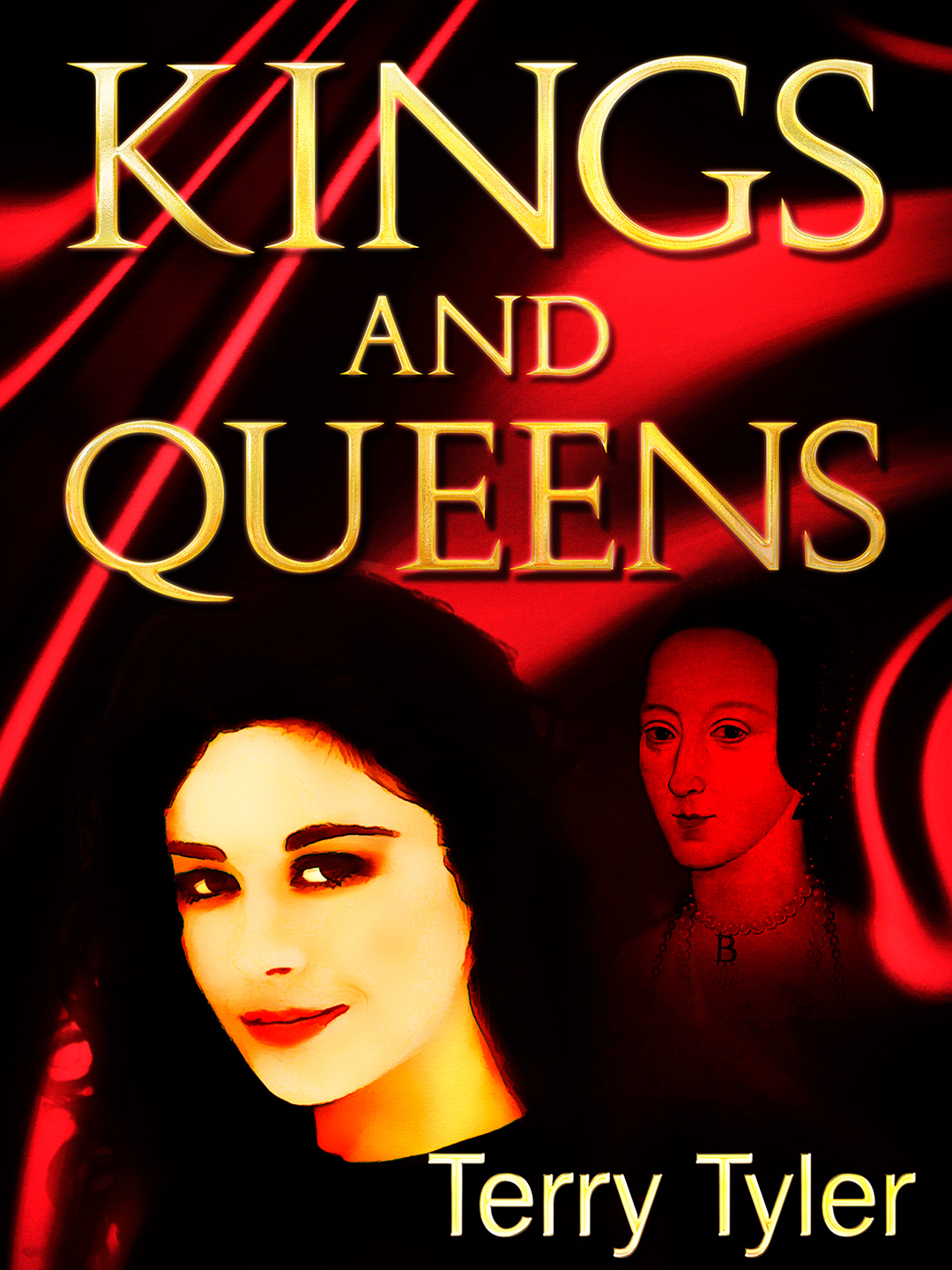
Letter ‘T’ is for Terry Tyler, author of Kings and Queens

T

Why do I recommend Kings and Queens?

I loved the unique premise of Kings and Queens. It is an original take on the Tudors by transferring them to contemporary England. It was fun working out who the contemporary characters might have been in Tudor England, and watching how the author adapts them and their circumstances to recent times. Terry has chosen a very clever way of exposing her main character, who is denied a point of view in the novel. Various first person narrators, his wives and his best friend, each with their unique voice, tell us all about Henry Lanchester, so that we get to know Henry through the eyes of those closest to him. Another noteworthy aspect is that it brings the reader face to face with the cyclical nature of life, love, and history. People with power, their behaviour, as well as the way those around them regard them, has not changed for centuries. There are also many humorous moments, and twists and turns, making it an entertaining and enjoyable read. A must for lovers of Tudor England and contemporary family sagas.

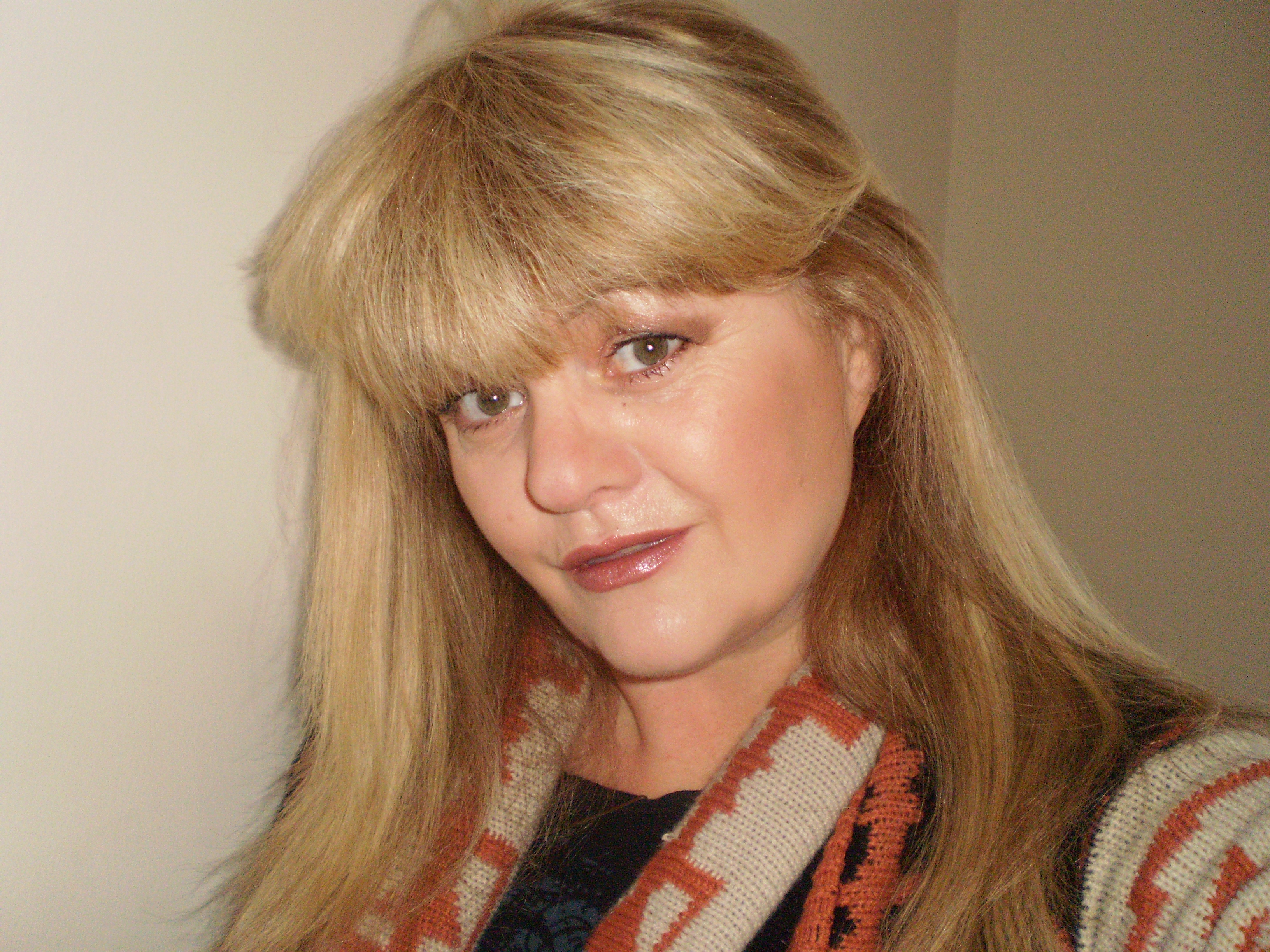
aa me 8

What type of reader would enjoy your novel, Terry?

My recent novel Kings and Queens and its sequel, Last Child, have been enjoyed by people (like me!) who are fascinated by the intricacies of human relationships and don’t expect hearts, flowers and happy ever afters; the romantic element in all my books tends to be quite down to earth.   Kings and Queens and Last Child will be up your street if you love to get your teeth into a good family saga, especially if you have any interest in Tudor history, as they’re a modern day reflection of the lives of Henry VIII, his wives and children. However!! Non-history lovers can enjoy both books just as contemporary dramas, or if they would like to know more about the history first there is a link to a blog post, in each book, giving a brief account of the relevant period. I’ve been so grateful for and delighted by the reviews I’ve had for each book – now I’m just hoping I can come  up with the goods for a third one…!

What are you working on now?

I am currently writing another ‘big business and complicated families’ drama, this time based on the Wars of the Roses. This one is slightly different, though, because it’s only based on historical fact rather than being a modern re-telling; I started to write it in the same way as I had Kings and Queens and Last Child but realised, about 30K words in, that it wasn’t working; the story of the Wars of the Roses is too complicated and there were too many aspects that I couldn’t relate to 21st century living, so I had to grit my teeth and start a complete re-write – never a nice thing to face up to.

The story is not related in any way to the previous two; I never intended to write a series. The other difference is that it’s darker, with a psychic element, and a hint of evil occurrences from quite early on. Oh, and last night I thought of a lovely twist for the end, too!

OLYMPUS DIGITAL CAMERA

Question 3. What would you like readers to know about you?

My plan is to move into historical fiction after I’ve finished this book; I have a novel with the preliminary notes written that’s been in my head for about 15 years – I’m a bit scared of all the research needed, though, and I might change my mind if I get another idea for a contemporary novel, but I want to write a post apocalyptic drama, too.

I’d also readers to know that I have a book review blog, on which I review submissions to Rosie Amber’s book review team (I review a couple a month for Rosie) and my own reading choices. I started it because I get so frustrated by the fact that some terrific books receive next to no recognition, then it developed to include the book review team submissions too, though I don’t take in review requests myself.

I have a blog on the UK Arts Directory on which I write articles about self-publishing, here , and a personal blog on which I write about anything that comes into my head! I’m on Twitter and Goodreads. I’m also on Facebook but I don’t use my author page very much.

My Amazon Author Page

Kings and Queens on Amazon.com on Amazon UK

****

Please take some time to check out some of the other blogs on the A-Z Challenge. There are plenty of interesting and varied topics.
 

One Word Photo Challenge: Rain, And #EarthDay 2015

Although I’ve been following her blog for some time, this is my first time on Jennifer Nichole Wells’ One Word Photo Challenge. When I saw the topic: Rain, two things sprang to my mind, and I had to take part.

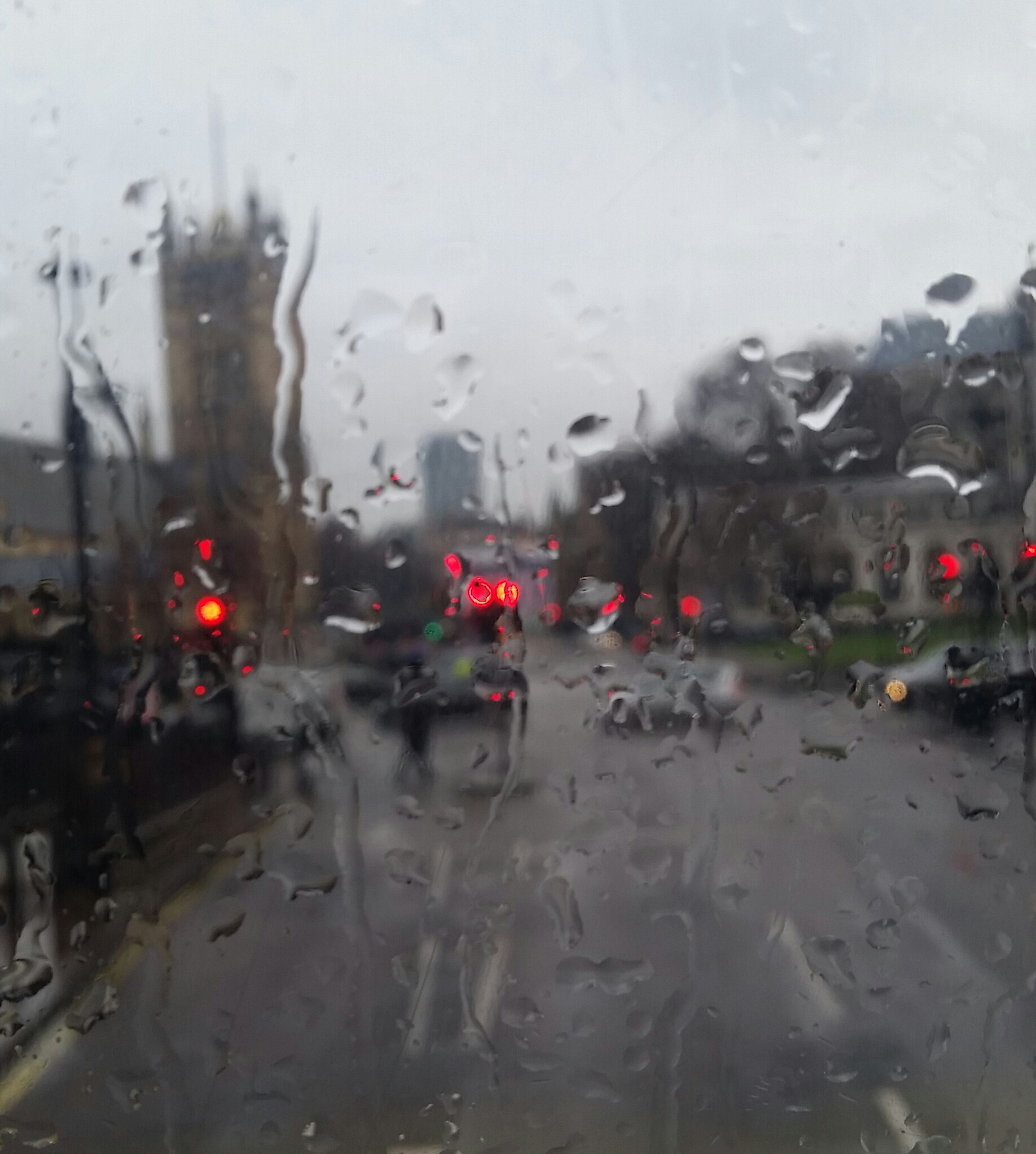
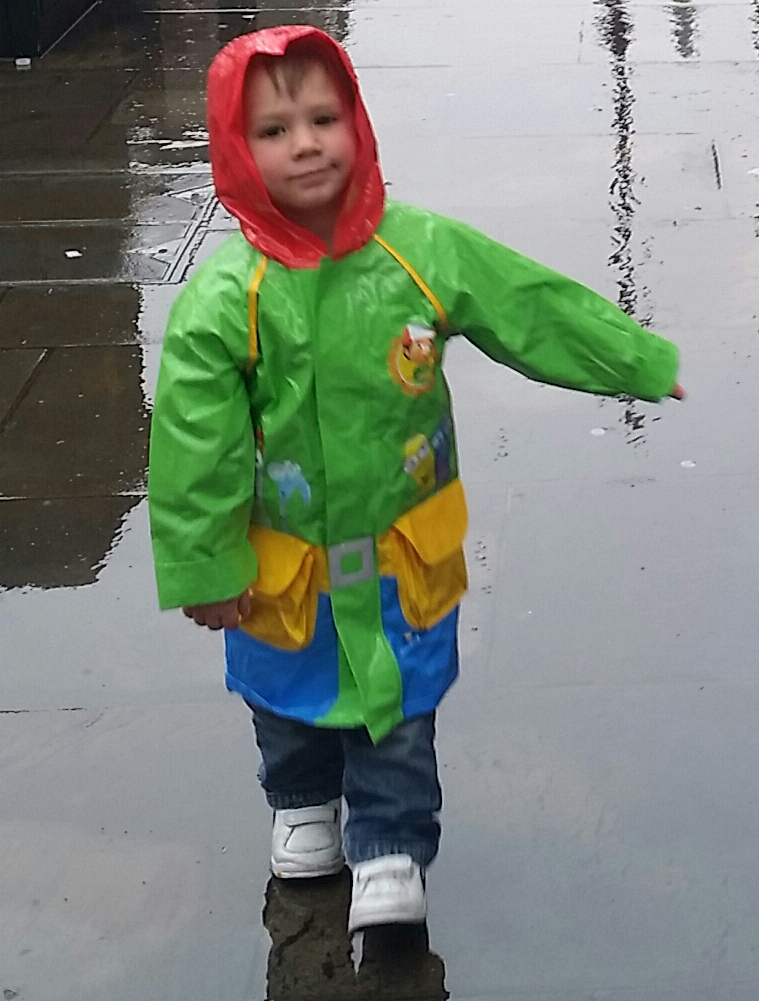
Firstly, I remembered I had some wonderful photos, which bring fond memories of  a rainy day in London, where I was on holiday over Easter with my children and grandchildren.

wpid-20150403_183613-1.jpg

This photo was taken from a bus. It was pouring down, and although I’m no expert at taking photos, I often get ‘creative’ 🙂 I love the way the rain sliding down the panes blurs the background, like an impressionist painting.

wpid-20150403_183624-1.jpg

It makes you think about life in general. Rain can be wet and unpleasant, or it can add another perspective to what you see and do every day. It washes away the ‘dirt’ such as anything that’s been ‘festering’ in your life and give it a new shine or angle, can’t it?


wpid-20150403_171641-1.jpg
I’m singing in the rain!
wpid-20150403_171816-1-1.jpg
My grandson is wondering what I’m singing about!


Secondly today, 22nd of April is Earth Day, and rain, as an essential ingredient for our planets’ survival came to mind. I live in the south of Spain, and we often have droughts, especially over the summer months, when it might not rain at all from May to September. It sounds like Paradise, but people who live here long for the freshness and cleanliness the rain brings.

Earth Day

It also inspired me to write this 100-word Flash.

Rain

‘Don’t forget to take your umbrella, dear. It’s going to rain.’

‘Are you sure?’

‘Says so on my weather App.’

‘It’s not even cloudy.’

‘There you go, you’d never know if it weren’t for modern technology.’

‘My father used to smell the air. He could tell when it was going to rain, and he was always right.’

‘Just like my smart App.’

‘Let’s have a look.’

‘Look, it says rain, very clearly.’

‘Yes, it does, if you’re in London, as we were last week.’

‘I forgot to change my location and the GPS must be off.’

‘There’s technology for you!’

 ****

We try to control our lives by the clock and with the help of modern technology, and although we know when it’s going to rain, more accurately than ever, we can’t control where and when it’s going to rain.

We’re ‘smart’, but we’re just guests on this planet, the forces of nature are stronger, have preceded us and will no doubt outlive us all.  Planet

Thanks Jennifer for the prompt, and organising the challenge.

Would you like to have a look at the other photos or join in? Follow this link.  


Letter S The April A to Z Blogging Challenge #AtoZChallenge

April Author Spotlight 2015

Letter ‘S’ is for Olga Nuñez Miret, Spanish Translator and author

S

Why do I recommend translating your novel into Spanish?

Spanish is spoken by 410 million as a first language and by 90 million speakers as a second language. English has 360 million native speakers and 400 million speakers as a second language. By second language I mean people who speak the language as well as another language fluently. That means that there are almost 1,300 million fluent speakers of English and Spanish. That’s a huge number of people. It’s 300 million speakers more than Mandarin Chinese. (There are also over 600 million speakers of English as a foreign language with varying degrees of competency, but these are not included in the figures I’ve mentioned). It sounds like a good idea to have your book available to a wider audience, but I’ll let Olga tell you all about it, after all, she’s the expert.

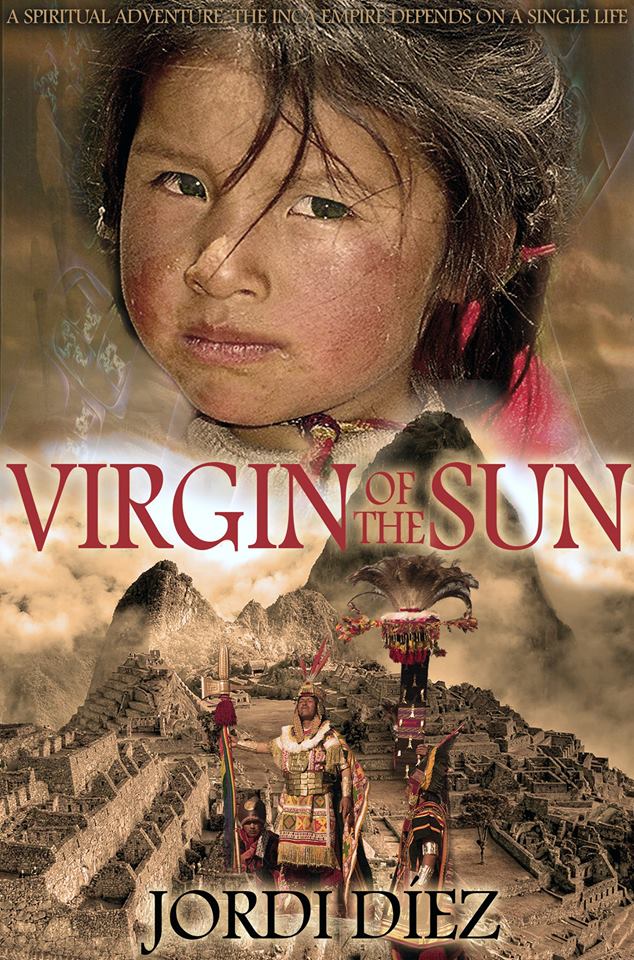
Olga Virgin of the Sun new

Why should authors have their work translated into Spanish, Olga?

Spanish is the second most widely spoken language after Mandarin with 404 million native speakers. Although many might read in other languages, most people who read for pleasure prefer to read in their own language and therefore the potential market for books in Spanish is very large. I also think it adds to the portfolio of an author and also opens up the opportunities to engage with a new group not only of readers but also of writers.

Olga A Journey to Happiness

Which books have you translated recently? What are you working on now?

I have recently translated A Journey to Happiness from Spanish to English. This novel is a spiritual journey to Buddhism by bestselling Spanish author Paloma Caral. At the moment I’m editing a thriller translated to Spanish (Estrecho Mortal by Bob McDermott) and I’m also completing the translation of the last novel in my YA trilogy Angelic Business.

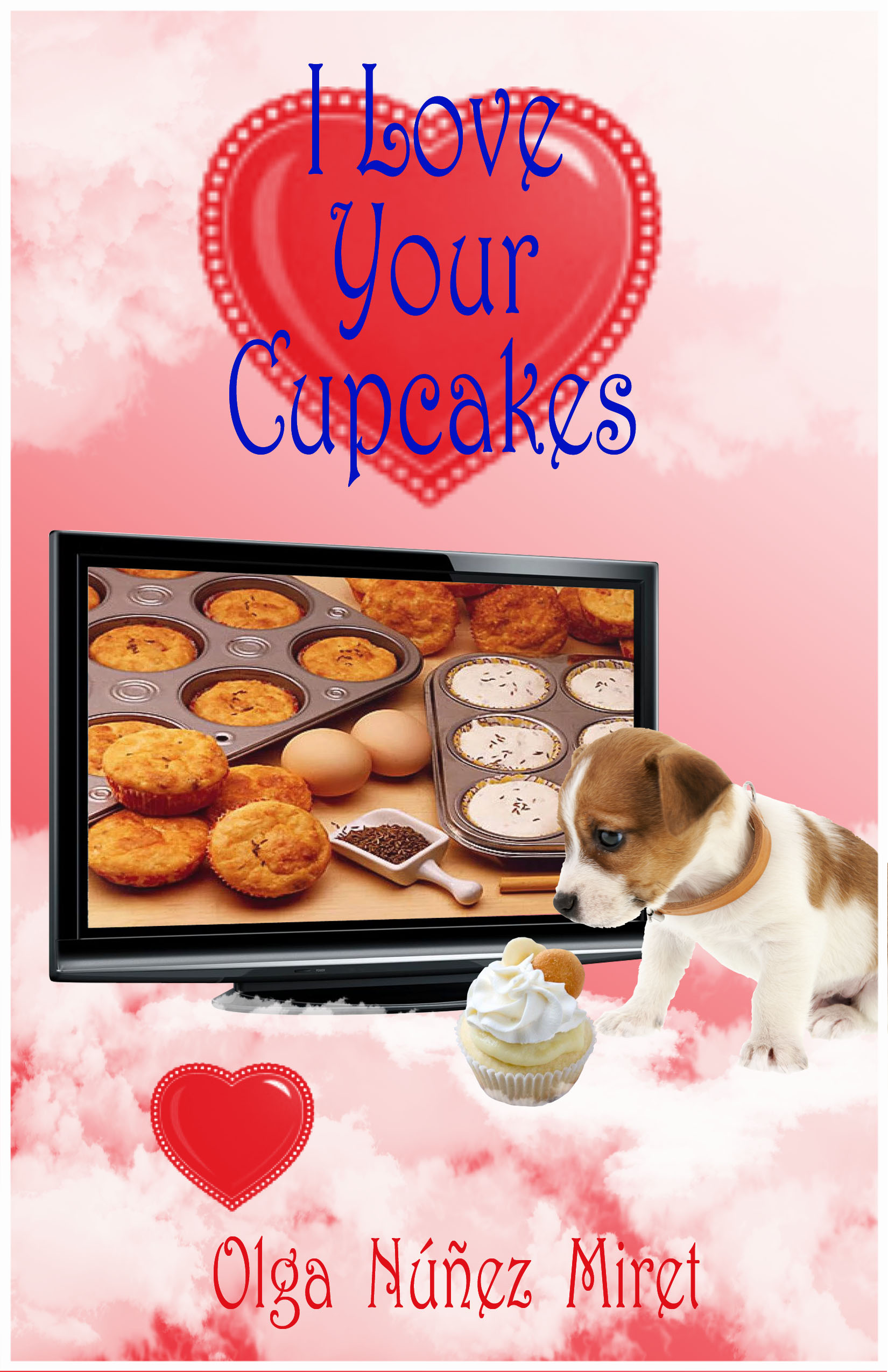
Olga cup cakes

Which are the challenges you face when translating a novel?

Sometimes the book might be about subjects I’m not very familiar with and they require a good deal of research (I’ve translated books about the Incas, books looking at the history of the Vatican, and currently the book I’m editing is set in the world of international shipping business, so nautical terms are a must!), sometimes there might be issues of localization (do we want to use local names, are there terms or things that don’t apply or concepts that are unlikely to be understood)… A degree of interpretation of the original is required although luckily I can contact the authors for clarification if I need to. I try to do a quick draft and then re-read the translation and make sure it “sounds” right. Ah, if I spot the odd typo in the original I’ll report back (never enough eyes!).

Olga

What would you like readers to know about you?

I’m from Barcelona and have lived in the UK for over 20 years. I love books and have written since I was very young. After studying Medicine and specializing in Psychiatry I could not resist spending more time with books and completed a BA in American Literature and a PhD on the same subject (also writing about films). Once I discovered self-publishing, it seemed natural to me to publish my books both in Spanish and English as I have always written in both and I find translating a great way to get to deeply understand other people’s writing and books. And it’s also a good way to edit my originals. Partly for personal interest and also as a psychiatrist I love interesting and challenging characters.

How can we find out more or contact you?

My website

My Amazon author page

I have a Twitter account: @OlgaNM7

My blog

I also have a Facebook authorpage

My Goodreads author page.

G+ 

Pinterest

Wattpad


Please take some time to check out some of the other blogs on the A-Z Challenge. There are plenty of interesting and varied topics.
Carrot Ranch Flash Fiction Challenge 15th April and #1000Speak Nature or Nurture

This 99-word Flash Fiction was written in response to this week’s prompt: Nurturing a neighborly relationship and also #1000Speak on the topic of Nature or Nurture.

#1000Speak

The Adult Education Centre where I work is in a low income neighbourhood with rampant unemployment and social problems. There are many families living in tiny dwellings in ugly blocks of flats trying hard to make ends meet. Social security is often not enough to cover their needs, and those closest to them, their neighbours, frequently decide to help out, as well as, or instead of, their families. The Red Cross, and many other charities and religious and volunteer organisations are also offering some relief. My schools regularly collects food for a food bank in the neighbourhood, which gives it to families in need.

I believe it is in human nature to be compassionate and help others, even though you may be struggling yourself. It’s easy to look the other way, but it’s also easy to ‘chip in’ however you can, and lend a hand to someone who needs it. The events narrated in my flash are not uncommon, in fact it was inspired by an event a colleague of mine told me about which had happened recently, and I know it is not an isolated case, there are many more generous people altruistically helping each other.

april-15


Chipping in

‘Where are you taking that roast chicken and the cake you baked?’

‘Down to Dolores.’

‘Stop meddling. It’s none of your business.’

‘But he’s done it again.’

‘He’ll be back.’

‘Not this time. It’s been over two months.’

‘She’ll sort it out.’

‘How? She’s got three children under eight, and she’s unemployed.’

‘She can claim social security.’

‘She has. She gets 400 Euros a month and she has four mouths to feed.’

‘Do you really think we can feed four more people?’

‘Just once every two weeks. It’s our turn today. The neighbours have all decided to chip in.’

****

 rough-writers-web-comp

Have a look at some of this weeks other stories on the Carrot Ranch Flash Fiction Challenge

Look at some of the other #1000Speak stories, too by following the blog  and twitter hashtag  and facebook Page