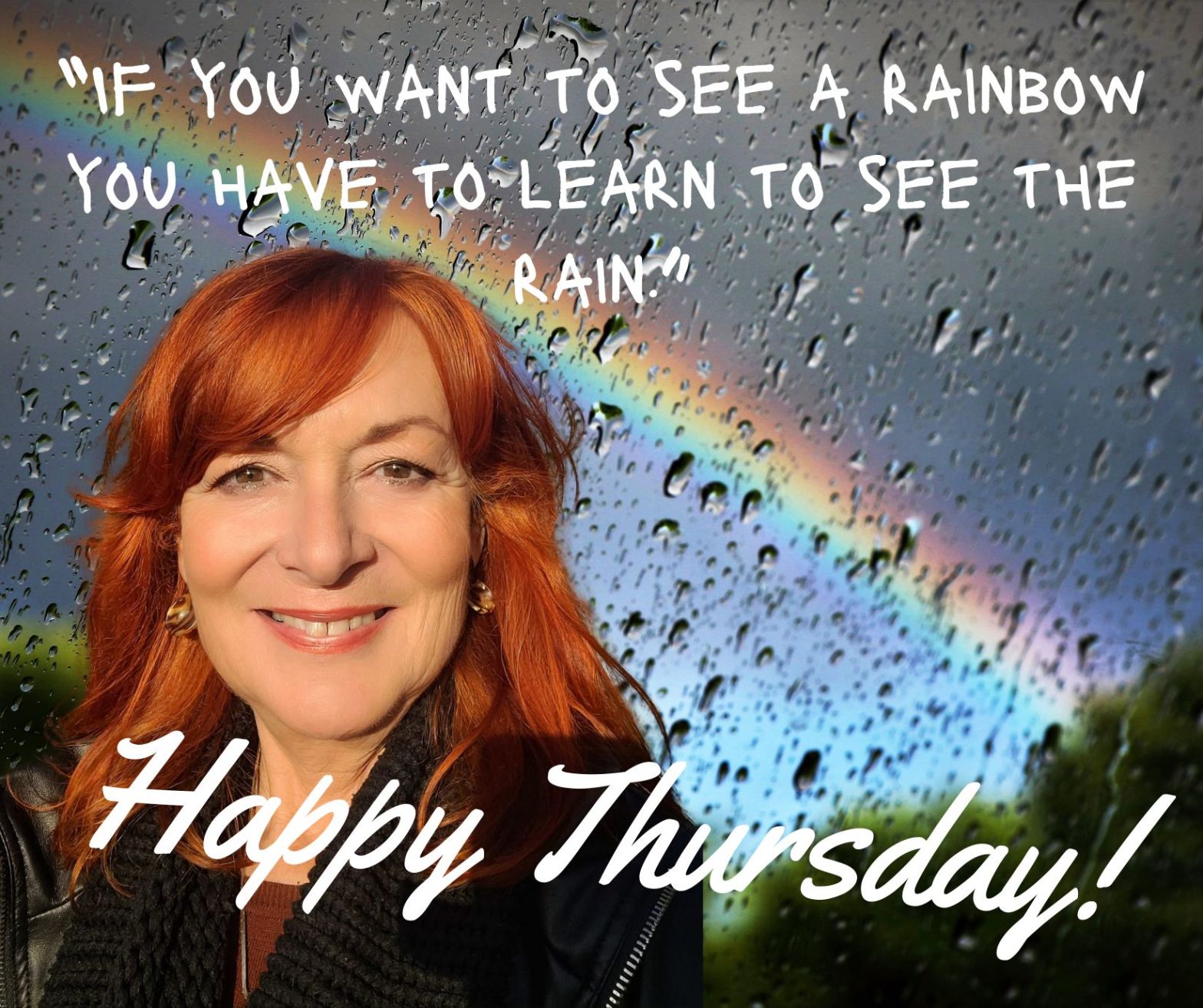
This morning as I watched the rain falling, magic happened…
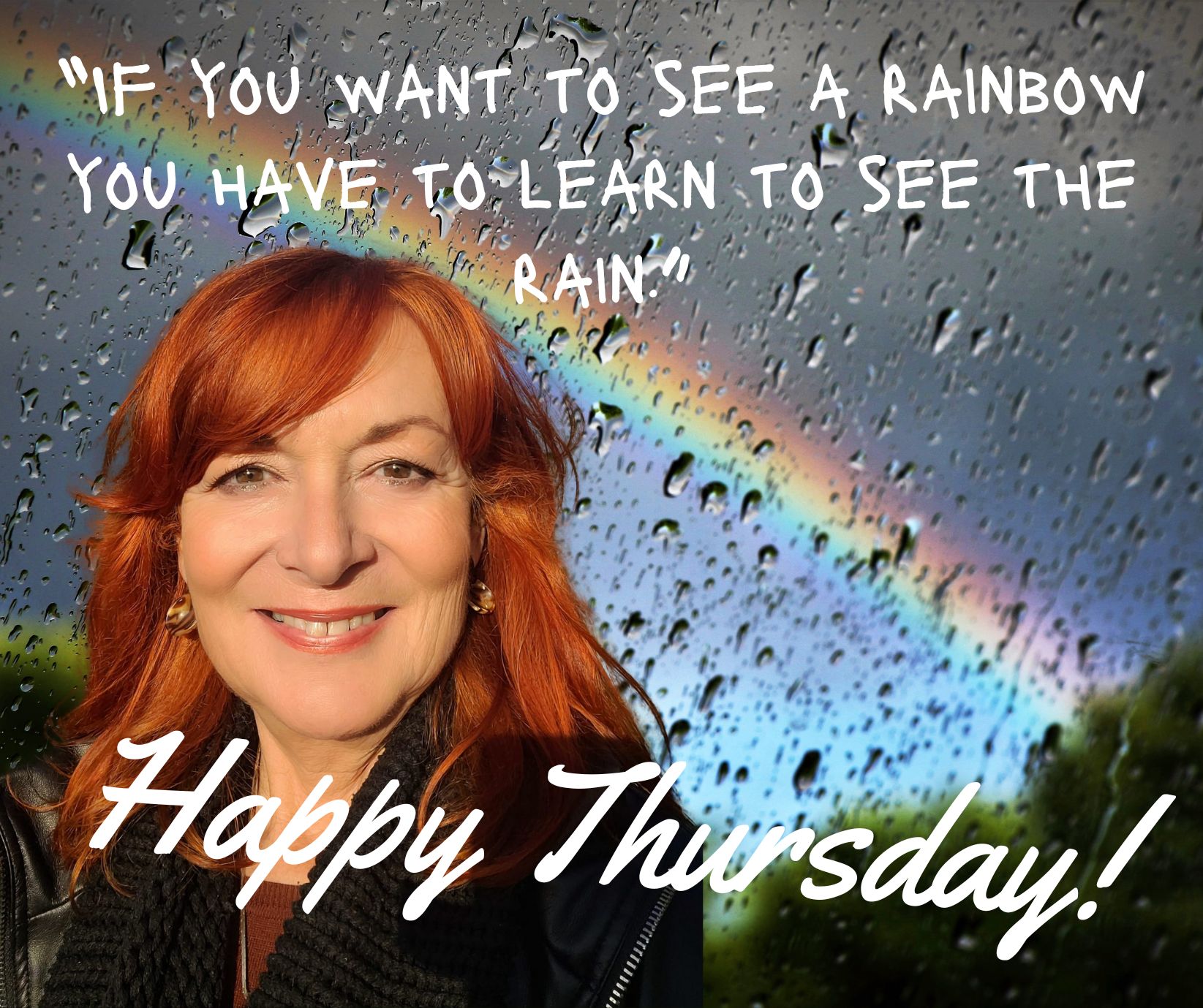
This morning as I watched the rain falling, magic happened…
Capturing the instant
I love writing haiku. The only thing that I find remotely similar, but far quicker, is snapping photos. Both actions try to defy time. They capture an instant and freeze time. This creates the illusion that I’m stopping the clock. However, I’m not, because we can’t. We can’t even remember most moments in a single day.
Think of how immense the task would be if we tried to remember every moment. There are 86,400 seconds in a day. There are 604,800 seconds in a week. My calculator tells me there are 31,536,000 seconds in a year. Just wow!
A haiku is magical. It makes the instant eternal. The moment we capture lasts forever. That’s the power of a haiku.
How Haiku help me be a saner, more reflective and observant person, and a better writer
Apart from capturing the moment I love haiku because that help me in three ways:
Now for the nitty gritty, which you already know, but just in case…
Structure, Rules and Recommendations
That said, before we start, haiku also have a structure and rules. You probably know these rules. Just in case, here are six basic rules and the same number of recommendations.
RULES & STRUCTURE (these are all flexible, but let’s try and stick to the first one, at least!)
RECOMMENDATIONS
Now I need your help!
I love writing haiku. However, I often encounter trouble with the final turning point. I also have doubts with the realisation or punch line, as I like to think of it.
So, here’s my version, but I’ve listed 10 alternate last lines. Would you help me by choosing the one you prefer or even suggesting another final line!
If you have an August haiku you’d like to share, I’d love to read it in the comments. Please post a link in the comments, too, if you’ve published it on your blog.
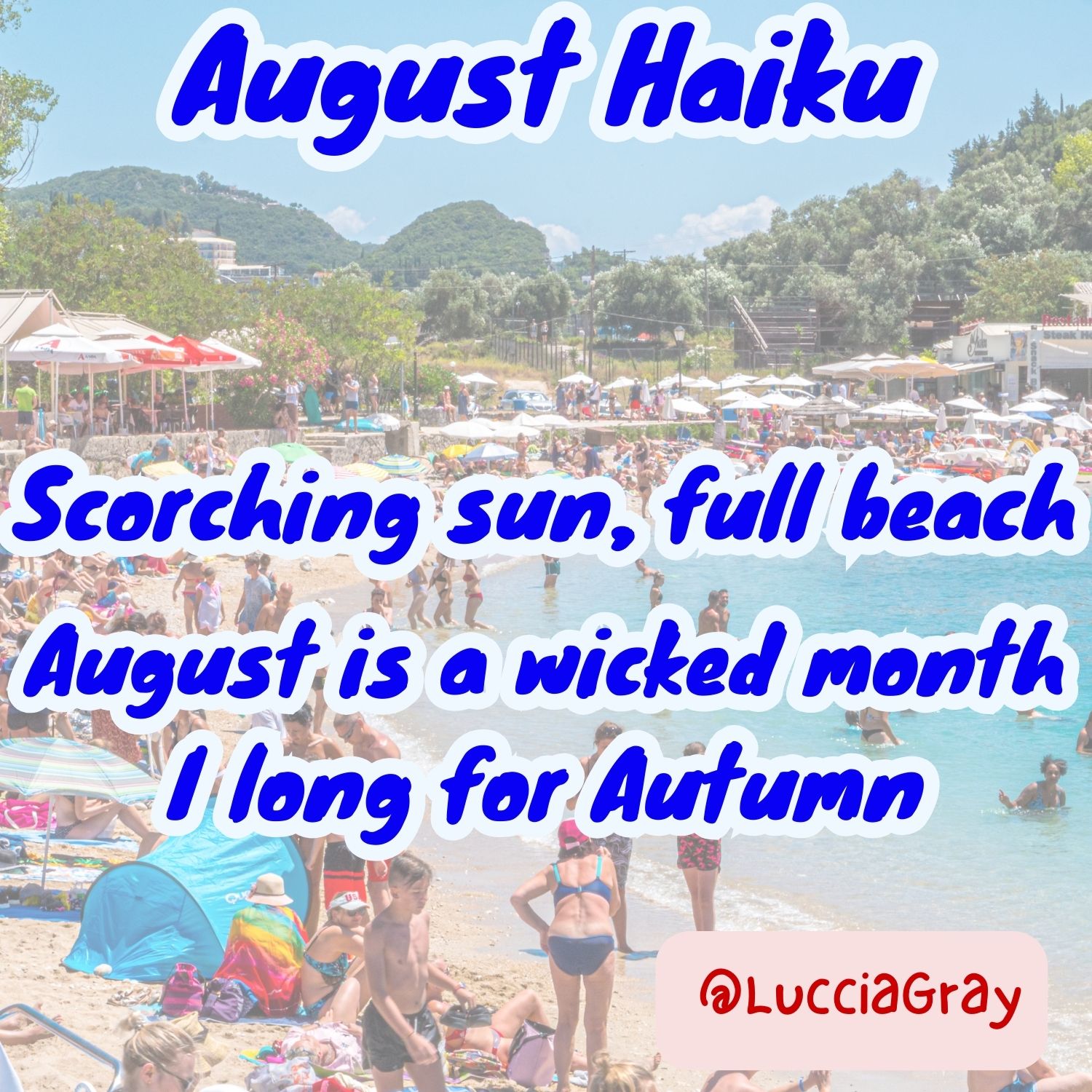
August
Scorching sun, full beach
August is a wicked month
I long for Autumn
Options for line 3:

It was a hard year for all of us. In my case it came with family hardships—my mother’s illness, my eldest daughter’s divorce, my youngest daughter’s pregnancy and childbirth, the lockdown, and the fear of losing everything I valued: my life, my children, my grandchildren, my health, my hopes and dreams for a quiet retirement. It was a time of overwhelming fear, not just for myself, but for everyone I knew and the world at large. The uncertainty and doubt were paralyzing, yet most of us pulled through. We survived, but not unscarred.
The lessons I learned during that time are ones I hope I’ll never forget, although my memories are often selective and choose to forget the pain. But I want to remember what I learned and how the lessons were learned. Now the storm has passed, those who have survived, must soothe our weeping hearts, reliving the pain, hearts dare not forget. I’ve grown wiser, kinder, and less careless with my fragile feelings. I’m more grateful for the life I feel fortunate to still have.
I longed to feel the warm hugs of family and friends I hadn’t seen for months. I remember the silence—a strange, empty silence that was as terrifying as my fear that it would never end. It was a silence I pray I’ll never hear again, the silence of death and loss and emptiness.
One specific moment that stands out was when I had to travel from the South of Spain to the North to visit my mother who was taken ill in hospital. I was allowed to spend most of the day at the hospital with her, but it was a traumatic experience. I wore two masks (at the same time, just in case), washed my hands obsessively, and lived in constant fear of getting COVID. My children called me daily, urging me to be careful. Fortunately, my mother recovered, and was able to leave the hospital, and I never caught the virus, but the fear was a dark shadow at my side.
Shortly after, I had to travel to Munich because my fifth grandson had just been born. If any of you flew in the summer of 2020, you will remember there were very few flights, scarcely populated airport lounges, and we weren’t able to sit next to anyone, anywhere in the building, or on the plane, plus, of course the dreaded masks. The silence on board was as ominous as the silence in the streets.

Through it all, I learned that we are stronger and more resilient than we think. We pulled through, in spite of the fear, and in many cases, loss of loved ones. This proven resilience shows how much we can endure and overcome in challenging times.
How did I cope? I walked—a lot. Most days I walked 10,000 steps without leaving home, pacing up and down the stairs and around my small garden as I chatted or listened to podcasts. I couldn’t sit still; the nervous energy was overwhelming. I started meditating and journaling daily, a practice I still keep up. Reading on my kindle and listening on Audible, as well as writing filled many of my hours. Chatting to loved ones on the phone also helped immensely. I watched films and series on streaming platforms and followed many youtubers. Fortunately, I wasn’t alone—my husband was by my side, sharing the same fears and struggles, although at least he seemed much calmer than I felt, but who knows? We all express our worries in diverse ways, don’t we?.
The pandemic was a giant storm, but we face smaller storms every day. It’s through these storms that we grow. Life’s difficult moments teach us the most important lessons. Life is a miracle, and we are all part of this miracle. As long as we hang on to our hopes, dreams will happen. We did it once and we can do it again; we can make the world a better place for us all.
However dark the night, the sun will always rise at dawn. We can make our lives a little better every day. We can overcome the little storms that try to spoil our days. Compared to the great storm of the pandemic, these are just puddles on the sidewalk. You’ve got this!
It’s been raining cats and dogs for weeks here in Andalucia, Spain—a soggy rebellion against our usual 300 days of sun. I’m starting to think the clouds have forgotten they’re not supposed to be here so long! Normally, I’d soak up the inspiration—rain’s a writer’s best friend, especially with a book by the window—but even muses can overstay their welcome, and my boots and raincoat are begging for a break. This morning, though, I caught myself staring at the raindrops over my coffee, mesmerised by the show the relentless little daredevils put on, hurling themselves at windowpanes, ricocheting off leaves, bouncing off cars and umbrellas like ping-pong balls. I decided they deserved a tribute, so I brewed up a haiku for all the brave drops trembling on the edge before they take the plunge. What would you tell these noisy poets of the storm? I’m half-tempted to whisper, “Isn’t it time for your siesta!”

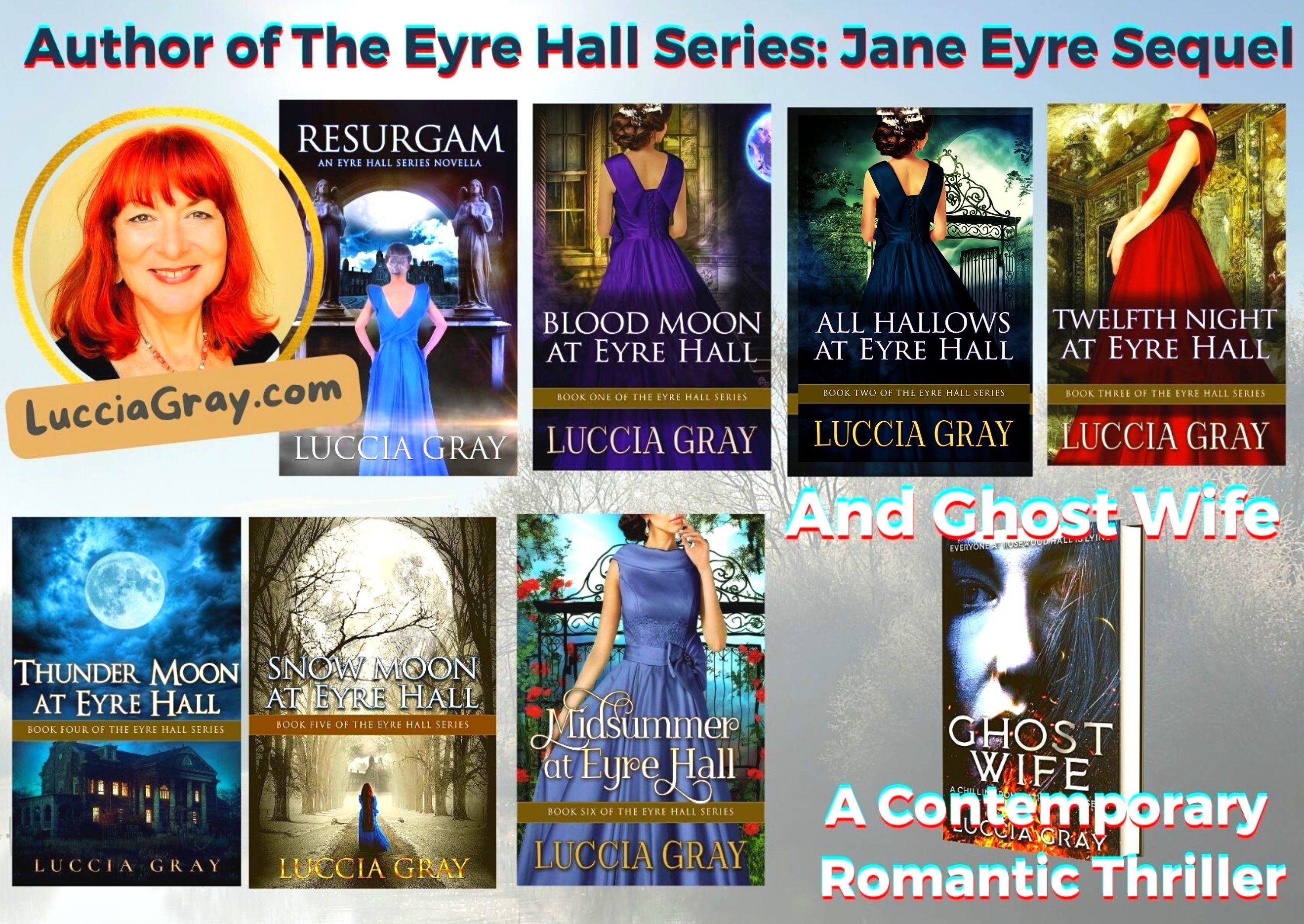
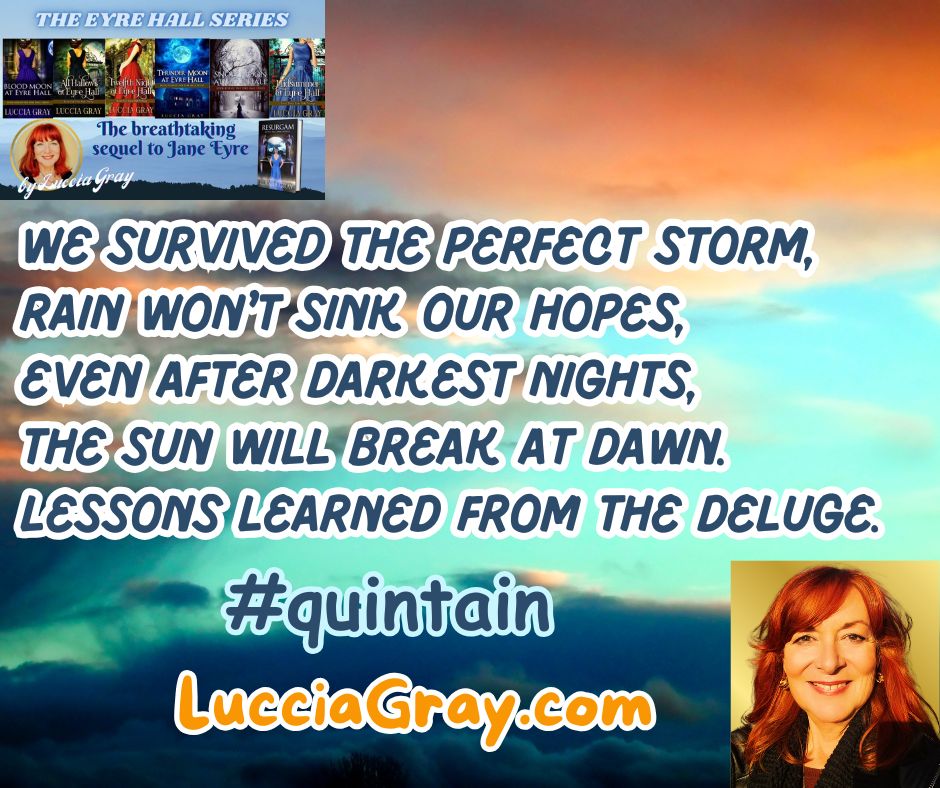
Enjoy, stay dry and take care! By the way, if you’re looking for an engaging historical saga set in Victorian England, you might like to check out my Eyre Hall Series

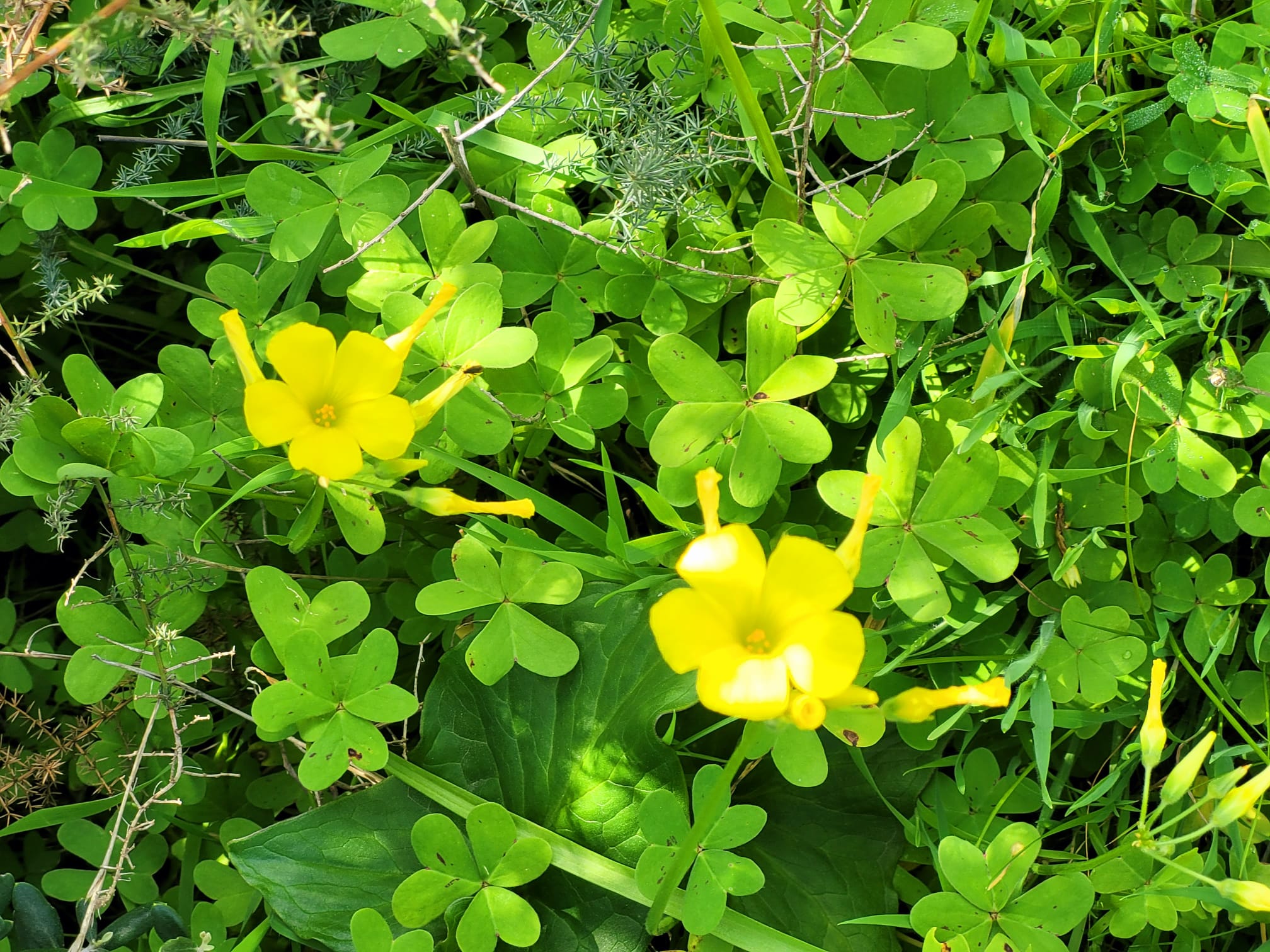
Yellows, pinks and greens,
Blues, browns, purples and black, too,
Colours of fresh air,
The sweet smell of cool spring skies,
The sound of bright, warm sunshine.



I hope you’re having a wonderful Sunday!


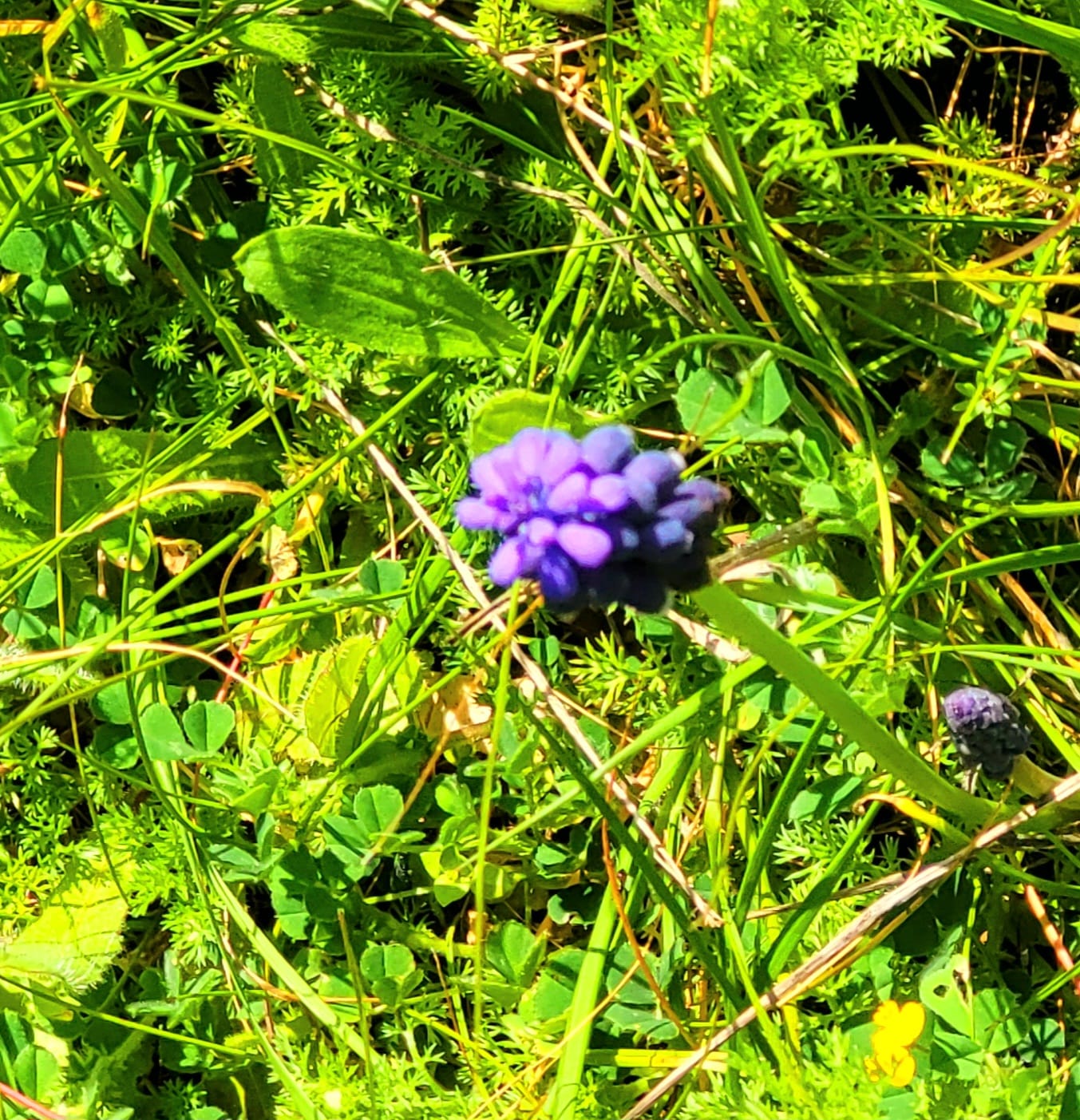
Chilly winds blow, yet
Sun warms Earth, wildflowers bloom,
Spring is coming soon!

Go for a walk,
LIsten to an audiobook,
Stand by tall tree
Smile at the sky.
Happy Wednesday!

Today it is my pleasure to post my review of The Second Life of Mirielle West, an emotional historical fiction novel, based on real events, by Amanda Skenandore.

For Mirielle West, a 1920’s socialite married to a silent film star, the isolation and powerlessness of the Louisiana Leper Home is an unimaginable fall from her intoxicatingly chic life of bootlegged champagne and the star-studded parties of Hollywood’s Golden Age. When a doctor notices a pale patch of skin on her hand, she’s immediately branded a leper and carted hundreds of miles from home to Carville, taking a new name to spare her family and famous husband the shame that accompanies the disease.
At first she hopes her exile will be brief, but those sent to Carville are more prisoners than patients and their disease has no cure. Instead she must find community and purpose within its walls, struggling to redefine her self-worth while fighting an unchosen fate.
As a registered nurse, Amanda Skenandore’s medical background adds layers of detail and authenticity to the experiences of patients and medical professionals at Carville – the isolation, stigma, experimental treatments, and disparate community. A tale of repulsion, resilience, and the Roaring ‘20s, The Second Life of Mirielle West is also the story of a health crisis in America’s past, made all the more poignant by the author’s experiences during another, all-too-recent crisis.
Where to begin to review this moving story? I’ll start with the end, by telling you I cried, and I haven’t cried at the end of a novel in a very long time.
The setting is the Louisiana institution known as Carville, where thousands of people were branded as lepers and forcibly quarantined throughout the entire 20th century. It was a dire place where the patients suffered illness, pain, desperation, isolation, for periods of up to fifteen years or more. The situation was worsened by the social and familial rejection they suffered. And yet, in spite of the horror, the inmates and staff, mostly religious nurses and doctors, managed to build a community of compassion, friendship, respect, and some, such as Mirielle, even found love.
Mirielle was not a likeable character at first, and at times, she became even more unlikeable, and yet, her character arc was so carefully drawn that it was impossible not to admire her resilience, courage, and ability to adapt to and even thrive in her new life. Her emotional growth, led to a heart-wrenching and uplifting conclusion, which she would not have had, had she not found meaning and hope in the most depressing place a person could be confined.
If you’re up for an emotional and meaningful rollercoaster, read it, you won’t regret it or forget it.
I listened to this novel on Scribd. Follow this link to see all her books on Scribd. It was narrated by Nicole Poole, an absolutely brilliant narrator, especially because her male voices sound authentically masculine.
You can find Amanda on Twitter: @ARShenandoah and on her Web Page
This is her Amazon.com Author Page and her Amazon UK Author Page
Happy Reading and have a wonderful week!

Beautiful and delicious lemons from my neighbour’s lemon tree!
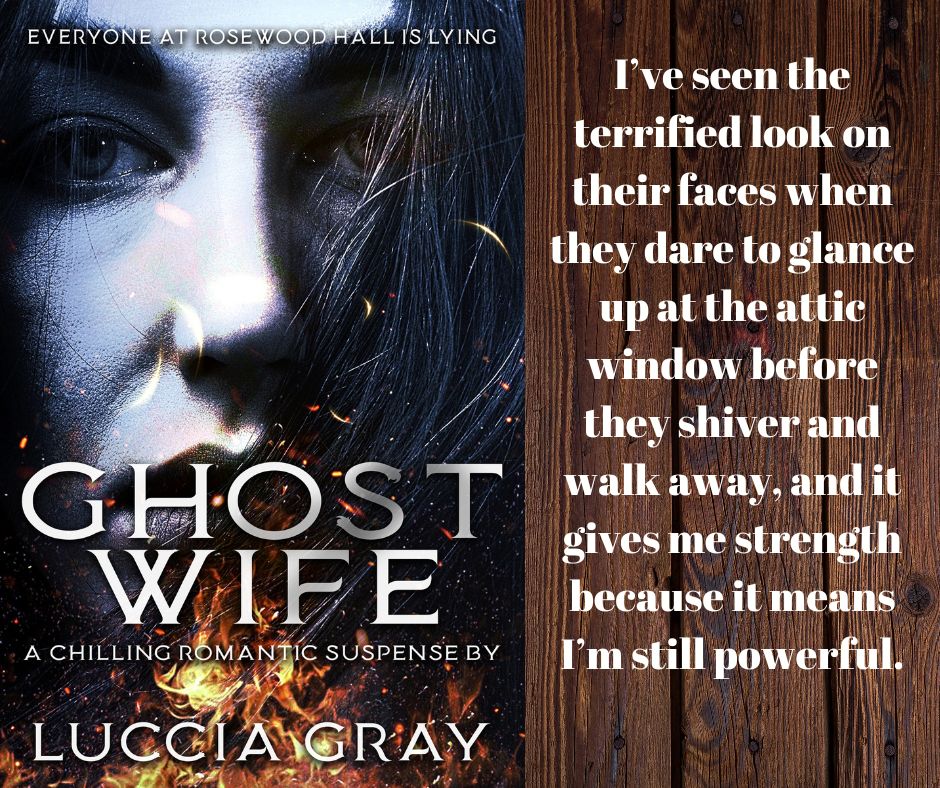
I’m thrilled at my first 5-star review for my most recent, and first contemporary novel, Ghost Wife. I can’t seem to be able to reblog her post, so I’ll share the link to the review on Georgia Rose’s blog post here:
If you enjoy reading contemporary, gothic romantic suspense, this is the ideal book for you.
Blurb
Check out Georgía’s Blog, with information on her novels, her book reviews and much more! Click on the image below:


Worn dobbin shivers
Ignoring snowy mauntains
Soon this too shall pass
Today it is my pleasure to post my review of A Killer Strikes, a gripping domestic thriller by Georgia Rose, whose previous novels, The Grayson Trilogy, and an author interview, have already been featured in this Author Spotlight.

The perfect family… The perfect murders…
A family massacred. A village in mourning. Can anyone sleep safely while a killer is on the loose?
Laura Percival, owner of The Stables, notices something wrong at her friend’s house when out on her morning ride. Further investigation reveals scenes she’ll never forget.
While the police are quick to accuse, Laura is less so, defending those around her as she struggles to make sense of the deaths. And all the time she wonders if she really knew her friends at all.
A chance encounter opens up a line of investigation that uncovers a secret life. One that Laura is much closer to than she ever realised.
A Killer Strikes is a gripping domestic thriller. If you like character-driven action, suspenseful storytelling and dark revelations then you’ll love this exciting novel.
A Killer Strikes was a thoroughly engrossing read. Georgia Rose grips readers from the first line and doesn’t let them go until the very end. When I started it, I only stopped for lunch! I couldn’t put it down until I found out who the killer was and once the identity was revealed, I needed to find out their motives.
There are plenty of domestic thrillers around, many are good, but not all. A Killer Strikes is very well written and plotted. The story flows seamlessly, gripping the reader to the very end. The characters are engaging, and readers will no doubt enjoy the setting; a rural English village, which is an added bonus for those who enjoy a literary visit to less known and unexplored areas of the UK.
If you enjoy reading domestic thrillers, you are in for a treat with A Killer Strikes, and you’ll no doubt want to read the second novel in the series, The Shape of Revenge, which I’ll be reviewing shortly, and is already available for purchase.
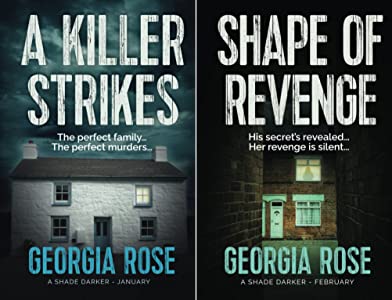
You can find Georgia on Twitter:- @GeorgiaRoseBook and Facebook
This is her Amazon.com Author Page and her Amazon UK Author Page
And this is Georgia’s Blog
Happy Reading and have a wonderful week!
Beautiful and delicious lemons from my neighbour’s lemon tree!

 Rereading Jane Eyre