#SoCS Stream of Consciousness Saturday ‘March 2020-March 2021: A Year to Remember’ #SaturdayThoughts

This post was written in response to Linda Hill’s weekly Stream of Consciousness Saturday prompt. 

This week’s prompt for Stream of Consciousness Saturday Linda has asked us to write about this past year to share our common experiences as a way to connect, to feel a little less alone, perhaps. 

****

March 2020- March 2021: A Year to Remember

I’d use four words to describe how I’ve felt over the last year: Connectedness, Silence, Introspection, and Renewal.

Connectedness

Perhaps ironically, from March 2020 to March 2021 is the year I have felt less alone in the world in my life!

I feel connected to everyone in the world, because we’ve all had to cope with the same fears, restrictions, economic crisis, and illness this pandemic has brought.

The very existence of this pandemic, which originated in a market in a town in china and reached every corner of the world in a few weeks, just goes to show how interconnected we are.

We all breathe the same air, are warmed by the same sun, and our tides are governed by the same moon. We are all unique, but that doesn’t mean we aren’t connected to everything else on our planet and universe.
Silence

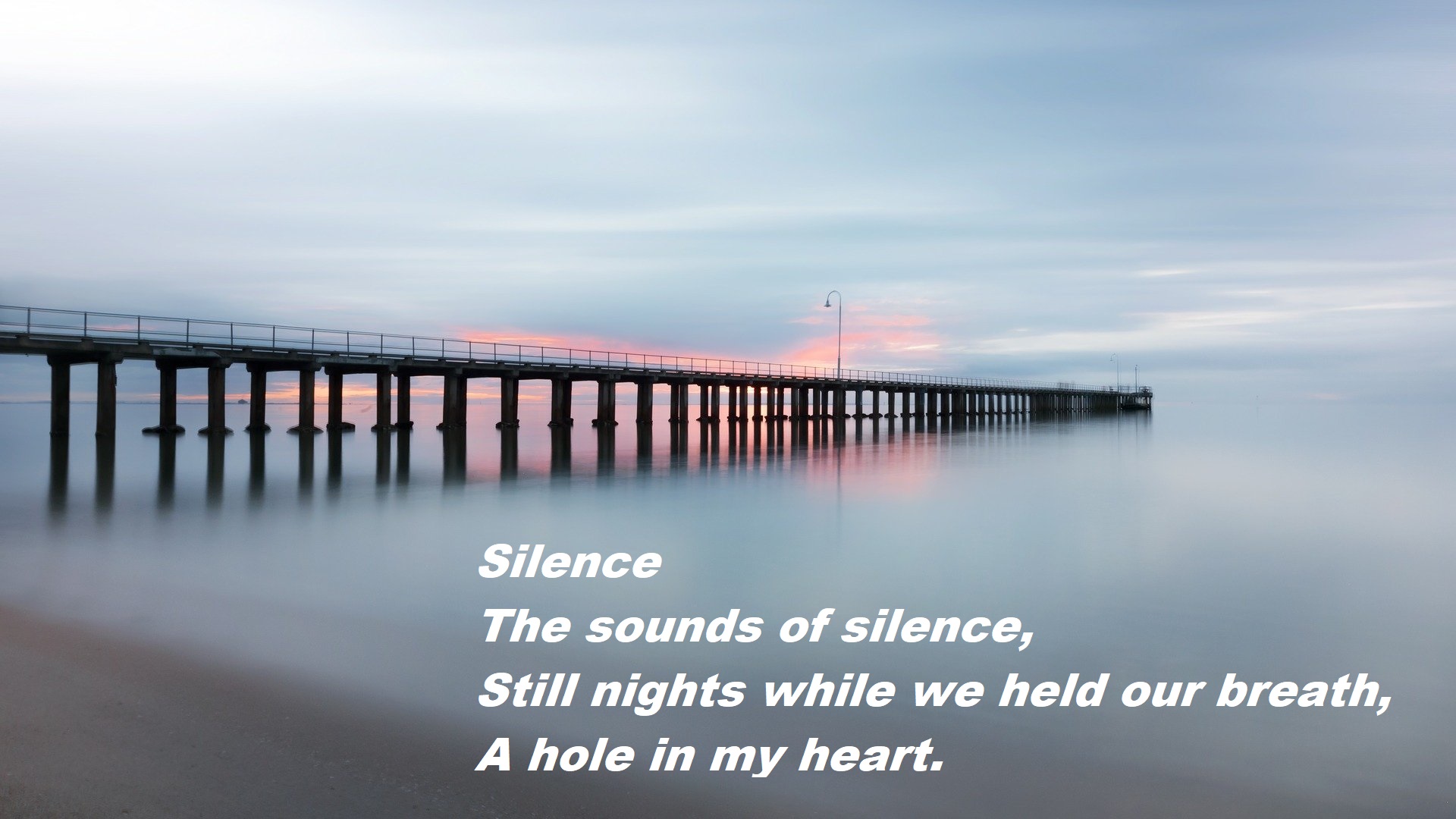
At first, during lockdown the silence, especially at night when the curfew meant we were all at home early, was terrifying.

I love silence. In fact, when I write, I often I use my headphones on mute to block everything out and write, but that’s my choice, for a few hours. This silence was different, it was empty; life was missing. And it was distressing, because it wasn’t normal. It was the silence of absence; as if the world had stopped breathing, and it led to a distressing feeling; as something was missing and there was a hole in the world.

Now, after a year we are still on partial lockdown, but the vaccine is being administered and there is a light at the end of the tunnel. The Silence is no longer frightening, it’s just silence, a friendly, quiet silence. A silence waiting for the storm to pass.

Introversion 

Apart from the pandemic, between March and September 2020, I’ve had challenging months, not related to the pandemic, but worsened by occurring at the same time. I was forced to travel, visit several hospitals, and take care of administrative and household matters in hospitals, shops and government offices, when all I wanted to do was hide at home and wait for the storm to pass.

I wrote little during this time, except some notes and poems, and a few blog posts, but I didn’t have the routines or mindset to revise or continue writing my novels.

However, I did read a lot, especially personal growth and self-help books that have helped me immensely to understand myself and cope with stressful situations. I’m still reading these wonderful books and posting reviews and opinions about them on my blog every Monday on a weekly post called #MondayMotivation. 

Renewal

Fortunately, October brought a relative peace back into my life and I was able to devote my time to my literary pursuits with renewed strength and enthusiasm.

And now that winter is coming to a close, the vaccine is being administered, and the world seems a safer place, we are all longing to get back to our lives, but our ‘new lives’ because at least I am not the same person I was last March. I want more freedom to hug my friends and family and to travel, but I also appreciate everything I have and everyone I love, much more.

I value and feel grateful for my comfortable home, my internet connection for social media, work and enjoyment, the food in my fridge, the clothes I choose to wear, the friends I speak to on the phone every day and the air I breathe.

What are your reflections on this last year?
#JaneEyreFF Rereading Jane Eyre in #FlashFiction #Chapter5 #VictorianFiction #CharlotteBronte

Jane Eyre in Flash Fiction Chapter 5

My First Day at Lowood Institution  

I left Gateshead Hall at six am on the morning of the 19th of January. At twilight, after a 50-mile coach journey, we descended a valley into a dark, windy wood. A servant accompanied me along a pebbly path and into a house.

A tall lady with dark hair, dark eyes, enveloped in a shawl said, ‘The child is very young to be sent alone.’ I later learned she was Miss Maria Temple, the superintendent of Lowood.

She instructed Miss Miller to take me to another long room with great tables and girls aged between ten and twenty, uniformly dressed in brown stuff frocks and long pinafores, seated round on benches, in their hour of study.

Four girls went out and returned bearing trays with a thin oaten cake cut into fragments and mugs of water which were handed around. I drank because I was thirsty, but I did not eat.

After the meal, prayers were read by Miss Miller, and the classes filed off, two and two, upstairs to a large room with rows of beds, each filled with two occupants. I fell asleep at once.

At dawn a loud bell signalled we should wake up, wash our faces, get dressed and formed in file, two and two, descended the stairs and enter the cold and dimly lit schoolroom where Miss Miller read prayers.

We sat around four tables with one teacher. I sat with the smallest children. After four classes we had burnt porridge for breakfast. I ate a few spoonfuls because I was starving and then we went back to class. At twelve, the classes stopped and miss Temple ordered a lunch of bread and cheese.

After lunch we went out to the garden, a wide space surrounded with walls so high as to exclude every glimpse of what lay beyond. Some flower beds were assigned as gardens for the pupils to cultivate, and each bed had an owner.

Some girls ran playing active games while others sat in the shelter of the verandah where I leant against a pillar and spoke to a girl reading a book. I asked her some questions, and she told me Lowood was a charity school for orphans and poor children. I found out the treasurer was Mr Brocklehurst, a clergyman who lived in a large hall two miles away.

We re-entered the house for dinner made up of some potatoes and strange shreds of rusty meat, mixed and cooked together. After dinner we had more classes until five o’clock. Miss Scatcherd ridiculed a girl by making her stand in the middle of the large schoolroom.

Soon after five p.m. we had the best meal of the day, comprising a small mug of coffee, and half-a-slice of brown bread which I devoured and wished for more.

Half-an-hour’s recreation succeeded, then study; then the glass of water and the piece of oat-cake, prayers, and bed. Such was my first day at Lowood.

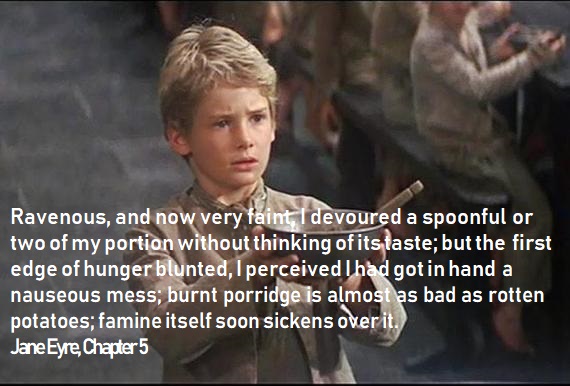
This picture of Oliver Twist asking for more, reminds me of the burnt porridge Jane Eyre had to eat on her first day at Lowood. Jane is the female equivalent of Oliver (published by Charles Dickens about ten years before Jane Eyre).

Jane was one of the youngest children in the institution and she had just arrived, so she accepted her lot and didn’t complain, although some older girls did.

Here we have another sad chapter where Jane is forced to live at a charity school as a pauper and endure the hardships of the life of a Victorian orphan. It’s like a prison. The girls wear identical ugly and uncomfortable clothes, made of ‘stuff’ a coarse material. The food is disgusting, and it’s a cold and lonely place, and although her stay has only just begun, we can imagine there is much more hardship in store.

There are two positive points in the chapter which give us some hope for Jane. She meets Helen, who will become her best friend, and she also meets Miss Temple, the superintendent, a kind and fair teacher who will leave a mark on Jane, as we will soon see.

Again, we have faith that Jane will find a way to survive yet again in another hostile environment.

The summary is based on the free ebook by planet books which you can find here.

I’ll be posting a chapter of Jane Eyre in flash fiction every Friday. If you’re wondering why, read all about it here.

If you’d you’d like to Reread Jane Eyre with me, visit my blog every Friday for #JaneEyreFF posts.

See you next week for chapter 6!

Images from Pixabay

#ThursdayPhotoThoughts ‘Butterfly Effect’ #March2021 @Pixabay

Don’t worry, I’m not going to introduce you to Edward Lorenz’s hypothesis, presented at the New York Academy of Science, in which he states that the flutter of a butterfly’s wings could set in motion a movement of air which could eventually lead to a hurricane on the other side of our planet. There are arguments for and against this theory, but I don’t have the scientific knowledge to enter into a discussion on the subject.

I’m going to write about the importance of apparently little things which can have a tremendous impact on our lives.

Small, often improvised decisions or sheer luck, can have long-lasting positive or negative effects on our lives and the lives of the people we interact with, regardless of whether we are aware of the consequences. In fact, we may never know how our words or actions changed the course of someone’s life.

Chance meetings

How many of you met the person you are currently living with by chance? If I hadn’t visited a friend of a friend on a specific day, I would never have met my husband. By the way, I never saw her again, so she doesn’t know! Many friends have mentioned similar experiences. Job opportunities, finding the right house, etc. are often the result of a chance encounter.

Minor Changes to Our Routines

I recently reviewed ‘Feel Better in Five’ and ‘Atomic Habits’, two books about how minor changes to our routines can make a tremendous impact on our lives.

For example, imagine never brushing your teeth, and now imagine doing so three times a day for 2 minutes, and what a great impact that makes on your oral health.

Five or ten minutes of exercise, or meditation, or journaling will improve our wellbeing enormously.

Happy Moments

What about your happy moments? Some of your happiest moments were life-changing events, such as a birth, a wedding or an official ceremony. These moments are few and far between.

Most of our happy moments are smaller, often intimate events such as a photograph you took, a letter you received or sent, a coffee with a friend, a text message, a phone call, a kiss, a hug, words of encouragement from a friend or a stranger. Our lives are full of a multitude of small moments, which make us happy.

The older I get, the more important little things become, because every day is made up of moments and I’m determined to make each one special.

It’s a bit like the saying, ‘Take care of the pennies and the pounds will look after themselves.’ So, ‘Take care of the moments and the days will take care of themselves.’

I looked up the quote, just in case, and as I had supposed, someone else said something very similar, first!

In this case, anglo-Irish, 18th century writer,  Maria Edgeworth said: If we take care of the moments, the years will take care of themselves.

****
Do you practice any small actions which impact your life?

Has a chance encounter or event changed the course of your life?

All pictures from pixabay and all thoughts my own, although I’m sure someone has already expressed some of them.

#WednesdayWisdom ‘If I Could Change…’ #1linewed #WWWBlogs #Tanka

If I could change the way I live my life today, I wouldn’t change a single thing.

“Change” is a song recorded by British singer Lisa Stansfield for her 1991 album, Real Love. It was written by Stansfield, Ian Devaney and Andy Morris. More about Lisa Stansfield on her blog.

Change 

If I could change
The way I live my life today
I wouldn’t change a thing
Because if I changed my world
I wouldn’t be who I am 
*****
Basically, those 31 syllables say it all.
Everything I have ever seen, done, experienced, learnt, and everyone I have ever seen, heard, met, loved, or not, has brought me to this moment in time, and I wouldn’t change any of it.

But just to clarify, here are another 31 syllables.

Me

This is who I am,
All that is, was, and will be
Exists in this time,
Breathe it, live it, and love it,
There is no other moment. 

****

More One Liner Wednesday here on Linda Hill’s Blog, join in!

#Tuesdaybookblog ‘Ines of my Soul’ by Isabel Allende #BookReview #HistFic Audible

Today I’m reviewing ‘Ines of my soul’, a passionate tale of love, freedom, and conquest, set in the 16th century from the New York Times bestselling author Isabel Allende.

Inés of My Soul: A Novel by [Isabel Allende]

From the blurb

Born into a poor family in Spain, Inés Suárez, finds herself condemned to a life of poverty without opportunity as a lowly seamstress. But it’s the sixteenth century, the beginning of the Spanish conquest of the Americas. Struck by the same restless hope and opportunism, Inés uses her shiftless husband’s disappearance to Peru as an excuse to embark on her own adventure. After learning of her husband’s death in battle, she meets the fiery war hero, Pedro de Valdivia and begins a love that not only changes her life but the course of history.

Based on the real historical events that founded Chile, Allende takes us on a whirlwind adventure of love and loss seen through the eyes of a daring, complicated woman who fought for freedom. 


File:Isabel Allende Frankfurter Buchmesse 2015.JPG - Wikimedia Commons

I have a confession to make. I admire Isabel Allende so much that when I grow up as an author (I consider myself a young author, because I published my first novel seven years ago), I want to be as intelligent, insightful, prolific, poetic, beautiful (inside and out) and full of life and vigour as Isabel Allende. She’s 78 and fell in love and married a year ago. She has also sold over 72 million books since she wrote The House of Spirits in 1982, and she still writes every day and publishes at least one novel every year.

She writes in Spanish always, which is her mother tongue, but her English is so fluent that she has translated some of her Spanish books into English, such as her recent memoir The Soul of a Woman, which I featured on my blog yesterday, International Women’s Day.

I am proud to say that we have a few things in common. I write mostly in English, but also in Spanish. We are both perfectly fluent in both languages, we are incurable romantics, and we are both mothers, grandmothers, writers and feminists.

She is my role model as a writer and a woman, and it is my pleasure to tell you about Ines del Alma Mía, a novel I read in Spanish when it first came out in 2014.

By the way you can watch the brilliant mini-series of eight episodes produced by Spanish and Chilean television companies on Amazon Prime.

My Review

Inés of my soul is an epic tale of love, adventure and the cruelty of the conquest of South America by the Spanish conquerors of the 16th century, when Spain was ruled by the Holy Roman Emperor and King of Spain, Charles V.

The tale begins in the early fifteen hundreds in Spain and continues to Venezuela and Peru, which had been conquered by Pizarro and continues with Pedro de Valdivia’s obsession to conquer Chile for the Spanish crown. 

It is also the story of Ines Suarez, a young girl whose husband travels to America in search of El Dorado and never returns, so she decides to go there herself to find him, which was a dangerous and daring thing to do at the time for a woman on her own. But Ines is no ordinary woman. When she arrives she meets Valdivia, they fall in love and travel together during his conquests. There is plenty of drama, action and adventure, as well as savagery and inhumanity, which had me gasping in horror and shame.

The novel is thoroughly researched; all the major characters are based on real historical characters. The rich prose immerses the reader in the life and minds of the characters and the hardships and cruelty they face.

It’s not a quick, easy read, but it’s worth it to gain an insight into this convoluted and fascinated period in European and South American history.  

Have you read any of Isabel Allende’s books?

#MondayMotivation ‘Happy International Women’s Day 2021’ Isabel Allende ‘Soul of a Woman’ #MondayBlogs #IWD2021

For the women I love,

And the women I have loved and will love,

For my mother, who fought to be free,

For my sister who died

Before freedom was grasped,

For my friends, whose love I crave,

For my colleagues, whose support I need,

For readers who devour our adventures,

For writers who spread their stories,

For my daughters who were born free,

For my granddaughter, who must remember

To share our journeys,

And for everyone who is lucky enough

to have a woman in their lives,

Happy Day and Happy Life,

I’m proud of you all.

****

Today I’m sharing a very special book, by a very special writer. Soul of a Woman by one of my favourite writers, the fabulous Isabel Allende.

The Soul of a Woman by [Isabel Allende]

From the Blurb

When I say that I was a feminist in kindergarten, I am not exaggerating,” begins Isabel Allende. As a child, she watched her mother, abandoned by her husband, provide for her three small children without “resources or voice.” Isabel became a fierce and defiant little girl, determined to fight for the life her mother couldn’t have.

As a young woman coming of age in the late 1960s, she rode the second wave of feminism. Among a tribe of like-minded female journalists, Allende for the first time felt comfortable in her own skin, as they wrote “with a knife between our teeth” about women’s issues. She has seen what the movement has accomplished in the course of her lifetime. And over the course of three passionate marriages, she has learned how to grow as a woman while having a partner, when to step away, and the rewards of embracing one’s sexuality.

I listened to The Soul of A woman on Audible. It is a short but intense memoir of her feminist journey and includes topics that would interest women of any age, such as womanhood, feminism, parenting, and she also discusses aging and love.

This wonderful little book is full of real-life experiences, knowledge and insight of one of the most fascinating contemporary authors writing in Spanish, although she speaks perfect English and all her novels have been translated into English.

Isabel Allende reminds us that our grandmothers and great-grandmothers paved the way for us, and there is still is a lot to be done, all over the world, but young women today, especially in countries which enjoy greater social freedom must be reminded of what previous generations have done and are still doing to further equality.

I like her inclusive idea of Feminism, which is not against men who are also victims of patriarchy, but in favour of women and our struggle to be seen and heard.

Listen to Isabel speaking about the Soul of a Woman.

https://youtu.be/09vO3oC6_Tg

Take care and stay safe.

Here’s the link if you’d like to read my other posts on #MondayBlogs and on #PersonalGrowth 

Check this post out to find out about my Blogging schedule.

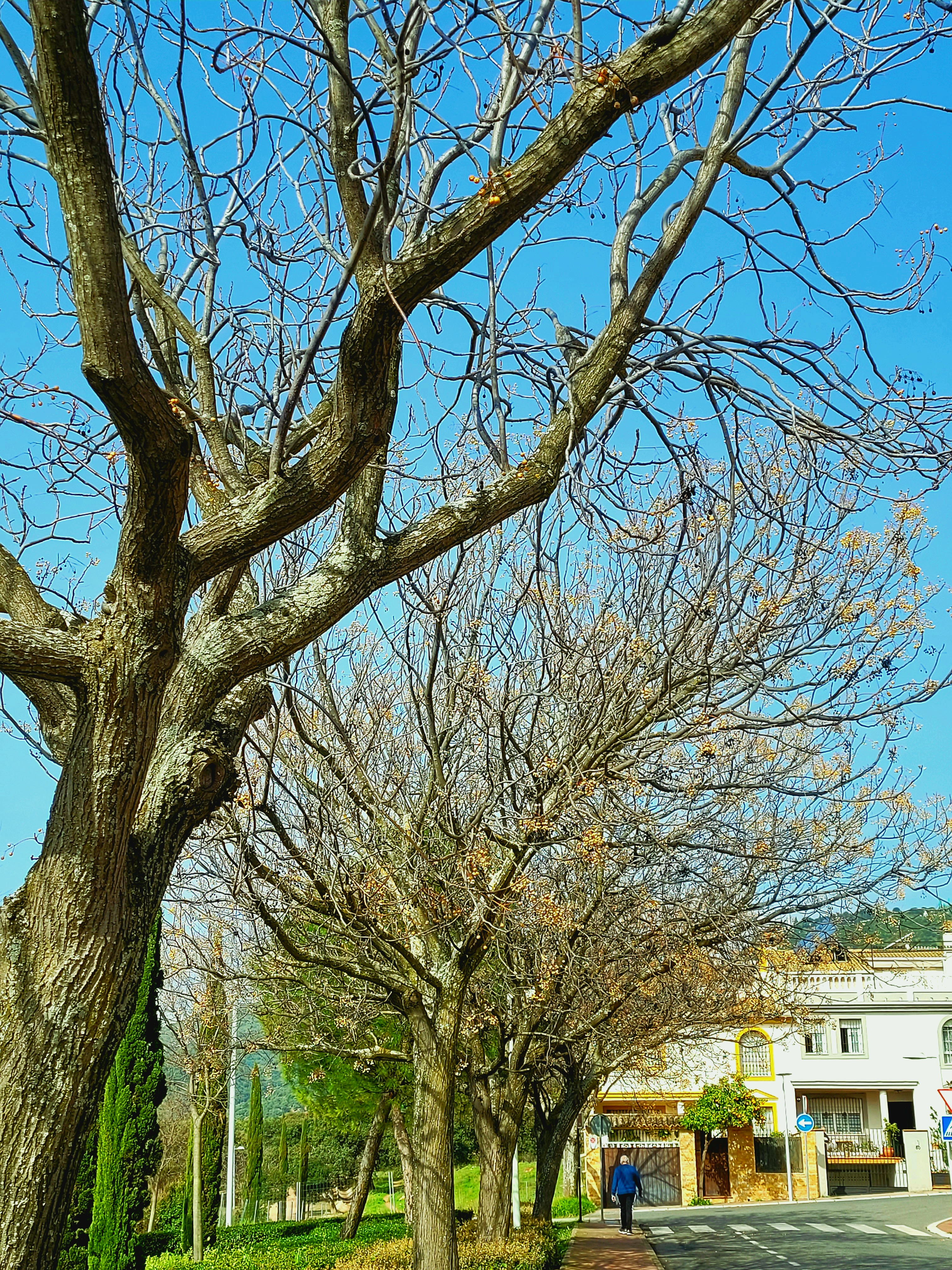
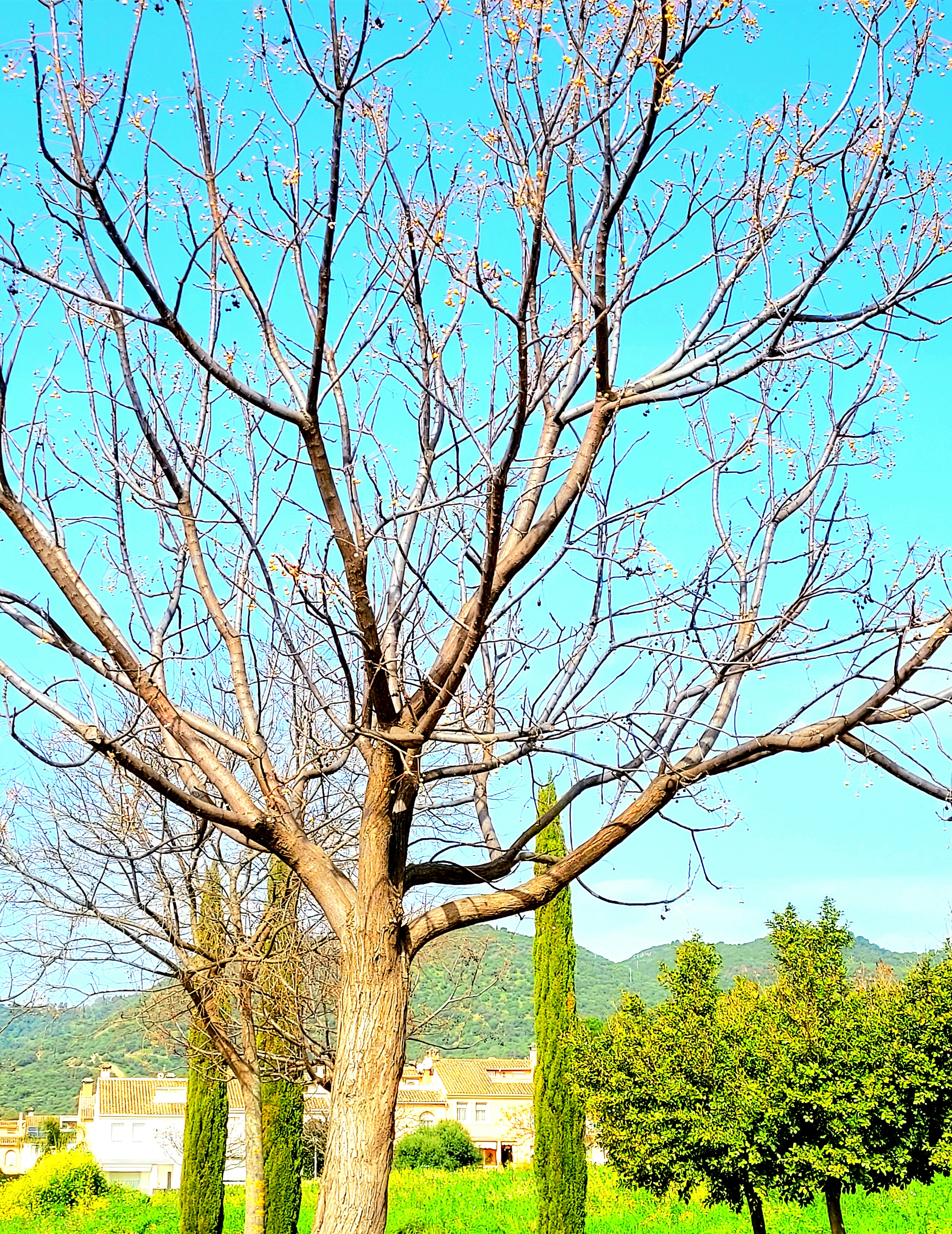
#SundayWalks ‘Believe in your path’ #Haiku

 
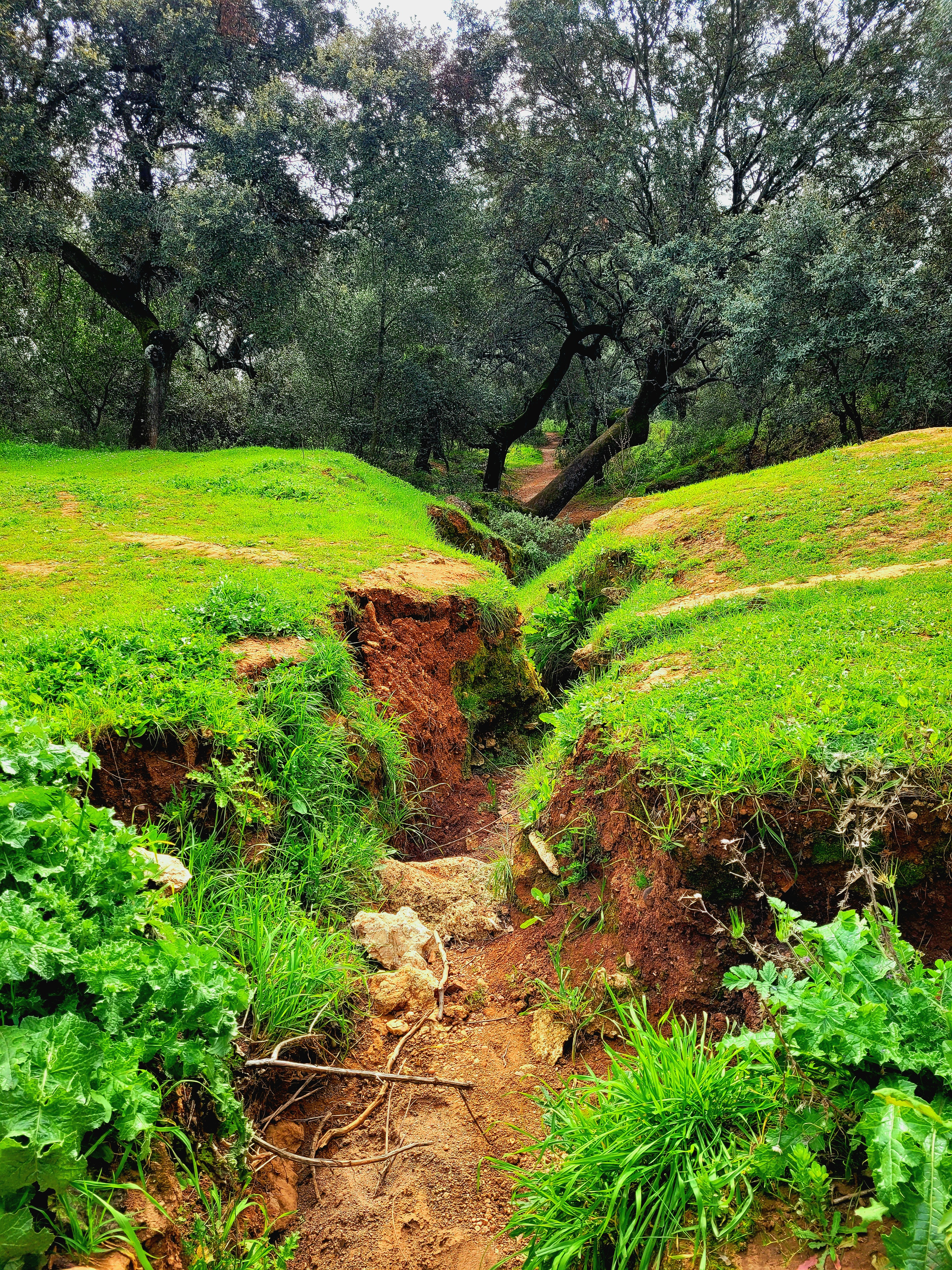
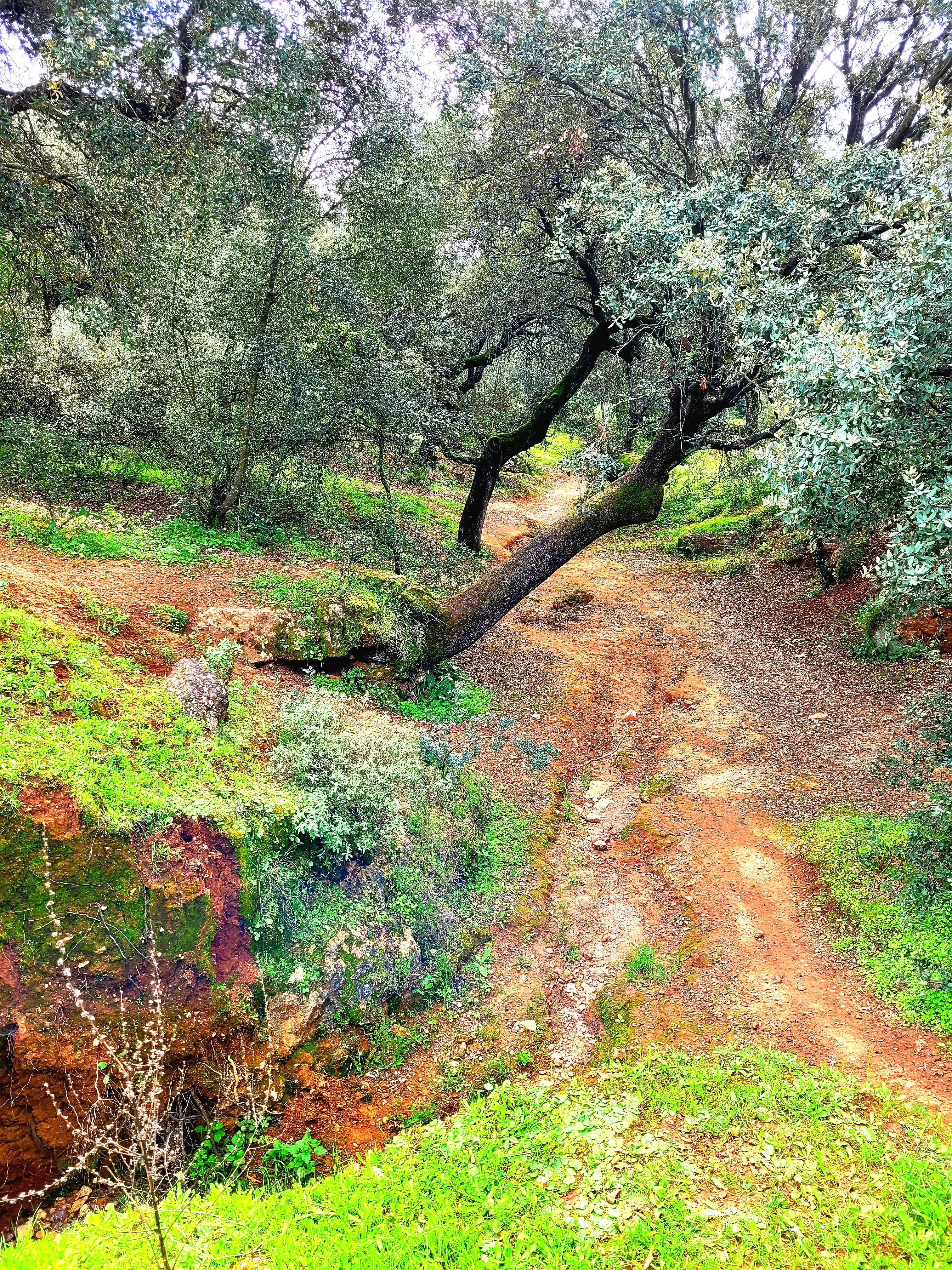
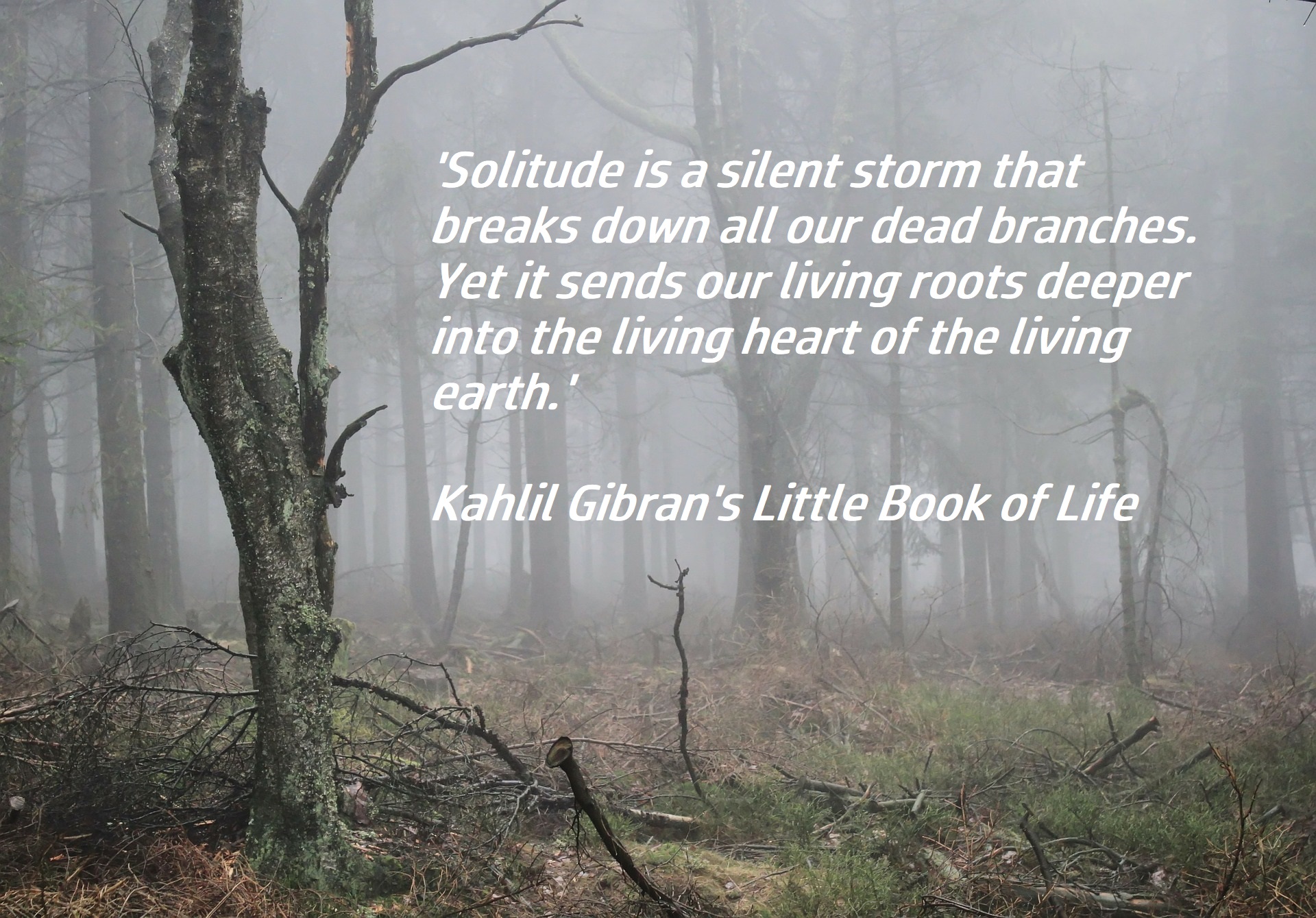
First two photos were taken this morning, the one below is from pixabay. 
Wishing you a wonderful Sunday! Hope you can go for a walk!

#SereneSaturday #Haiku ‘Branches’


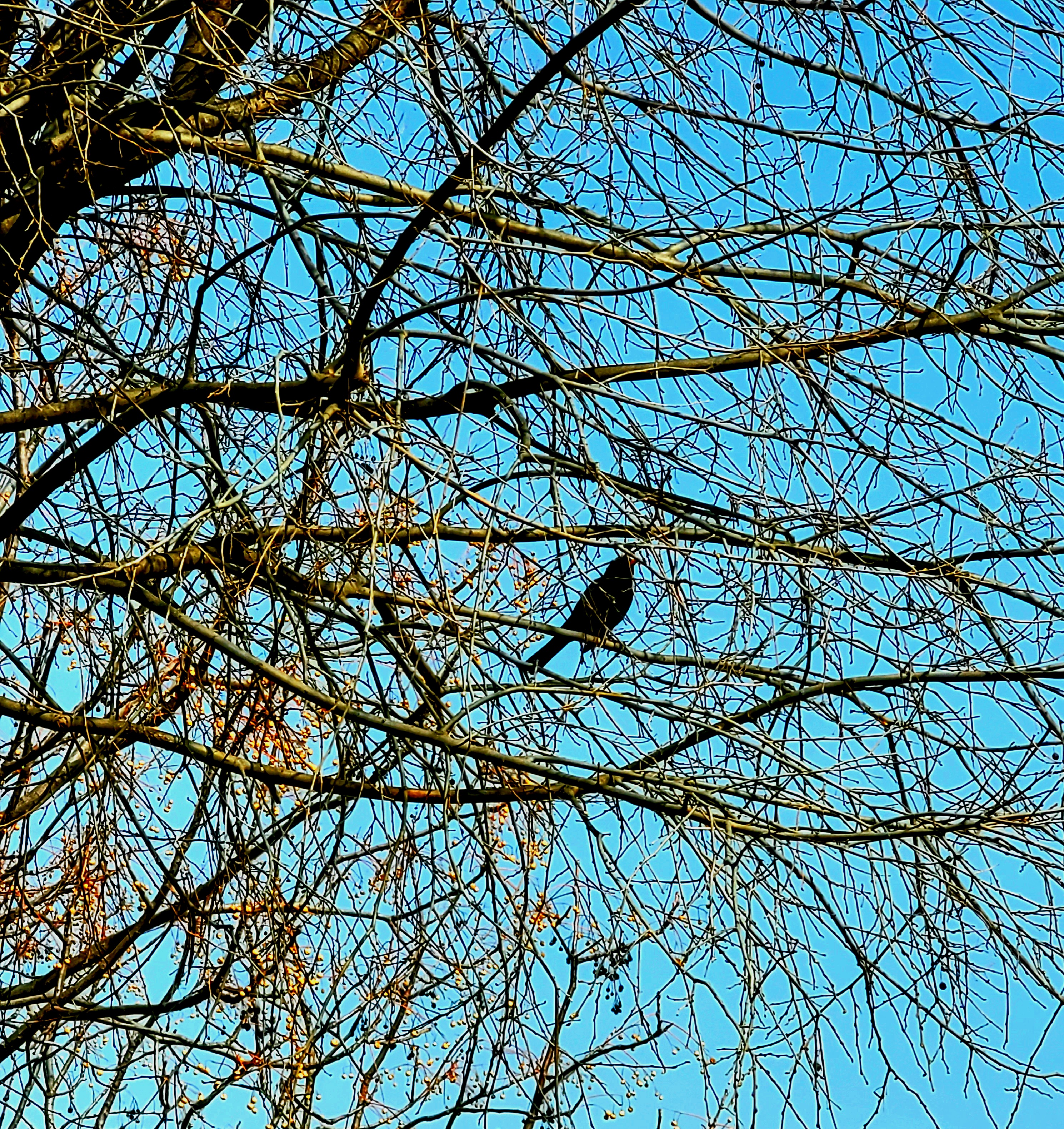
#Haiku Branches

Skinny trees stand tall,
Leafless, reaching azure sky,
Black bird waits on branch.


#JaneEyreFF Rereading Jane Eyre in #FlashFiction #Chapter4

Jane Eyre in Flash Fiction Chapter 4

How I met Mr Brocklehurst  

November, December, and half of January passed away. Christmas and the New Year had been celebrated at Gateshead with the usual festive cheer; presents had been interchanged, dinners and evening parties given, but from every enjoyment I was, of course, excluded.

On the 15 of January I was called to the breakfast room to meet a visitor.

‘What is your name?’ The tall man with the large eyes and grim face asked.

“Jane Eyre, sir.”

‘How old are you?’

‘Ten.’

‘Are you a good child?’

My aunt shook her head. ‘The less said on that subject the better, Mr. Brocklehurst.’

‘Do you know where the wicked go after death?’  he asked.

‘They go to hell,’ was my answer.

‘And what is hell? Can you tell me that?’

‘A pit full of fire.’

‘And should you like to fall into that pit burn forever?’

‘No, sir.’

‘What must you do to avoid it?’

‘I must keep in good health, and not die.’

He looked displeased. ‘Do you say your prayers night and morning?’

‘Yes, sir.’

‘Do you read your Bible?’

‘Sometimes.’

“Do you read the psalms?”

“They are not interesting.”

Mr Brocklehurst gasped. “That proves you are wicked.”

‘And deceitful,’ said my aunt. ‘May I depend upon this child being received as a pupil at Lowood to be to be brought up in a manner suiting her prospects and to be made useful and to be kept humble.’

He nodded. ‘You may.’ Then he turned to me. ‘Here is a book entitled the ‘Child’s Guide,’ read it carefully. There is an account of the awfully sudden death of Martha, a naughty child addicted to falsehood and deceit.’

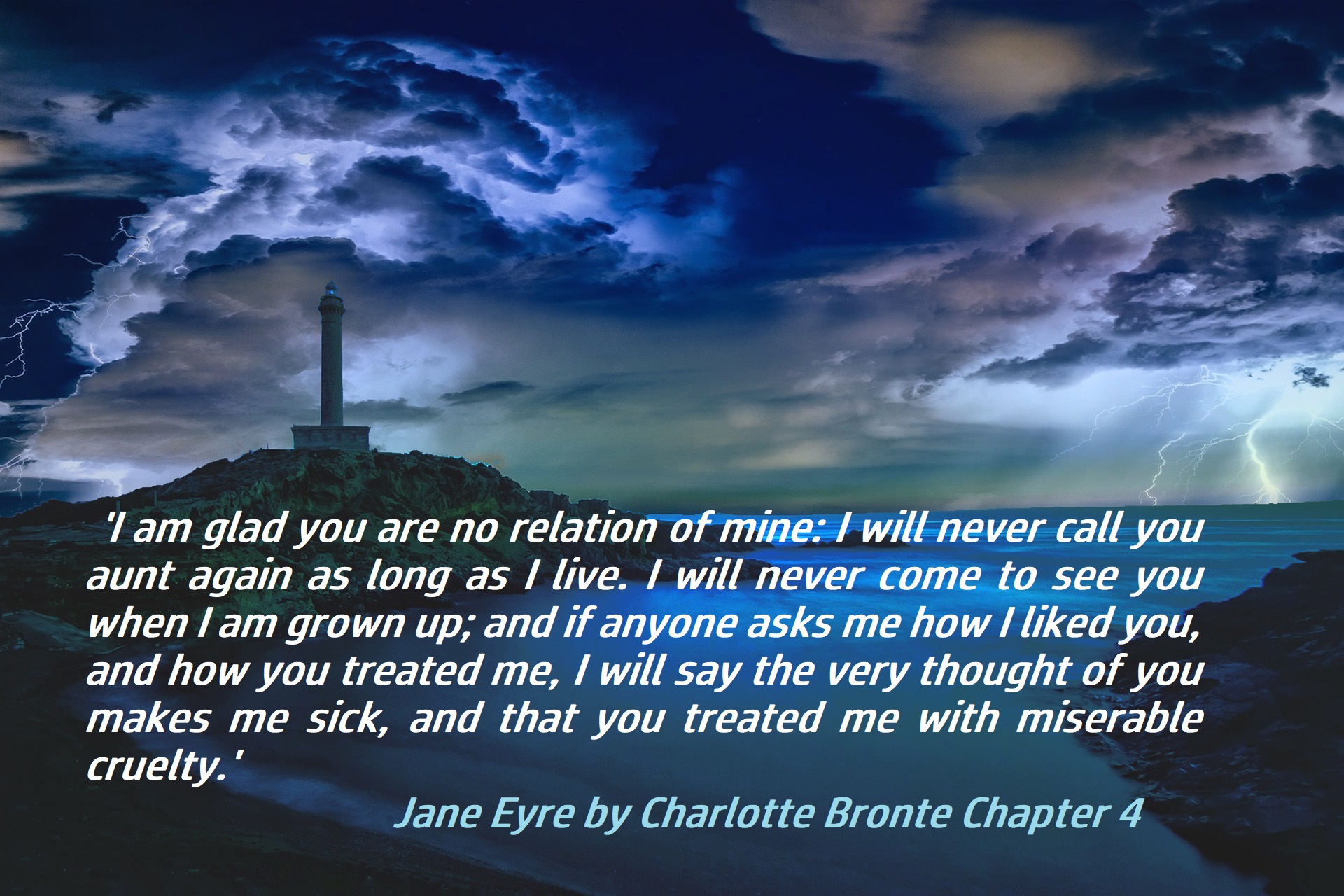
When he left, knowing I would soon be leaving, I told my aunt how I felt. ‘I will never come to see you when I am grown up; and if anyone asks me how you treated me, I will say the very thought of you makes me sick, and that you treated me with miserable cruelty.’

The fourth chapter of Jane Eyre introduces Mr Brocklehurst, a clergyman and fanatical christian who is the supervisor of Lowood Institution for Orphaned Girls. we will see as the novel progresses how he mistreats the girls at the boarding school.

This chapter shows ten-year-old Jane to be sure of herself and eloquent enough to maintain a lively discussion with Brocklehurst and tell her aunt exactly what she thinks of her.

The reader has no inclination to feel sorry for this girl, who has a strong, principled character, and although she is still a child who needs to learn to control her temper, we know that she will survive whatever ordeals she will encounter at Lowood.

If you check out this page of the British Library you can see a photograph of Charlotte Bronte’s handwritten manuscript of Jane’s conversation with Mr Brocklehurst.

The summary is based on the free ebook by planet books which you can find here.

I’ll be posting a chapter of Jane Eyre in flash fiction every Friday. If you’re wondering why, read all about it here.

If you’d you’d like to Reread Jane Eyre with me, visit my blog every Friday for #JaneEyreFF posts.

See you next week for chapter 5!

Images from Pixabay

#ThursdayPhotoThoughts ‘Still Winter, Soon Spring, Welcome March!’ #March2021 @Pixabay #Tanka

Still winter, soon spring,

Birds build nests, trees start to bloom,

Stormy, windy March,

Go you! Leave winter behind,

New year, new life, rebirth, hope.

****

I discovered this fabulous webpage full of wonderful poems to March by nineteenth and twentieth-century poets which you might like to read, while you listen to birds chirping!

I’ve noticed the sound and smell of spring during my daily walks. Birds are merrier and plants are blooming, the air smells fresher and sweeter and the sounds are more cheerful.

I look forward to spring every year, but this year, especially I’m looking forward to moving away from the confinement and fear of  this winter, or should I say last winter?

I was surprised to hear on the news that there are two spring dates, an astronomical or traditional one from 21st of December to 21st March and a meteorological one, which uses whole months, so winter is December to February and spring March to May, and so on for the other seasons.

Apparently, meteorologists think it’s more sensible for record keeping purposes. I can see it would work from a practical point of view too. It may give us a sense of a more logical order if the seasons are defined by whole months, but I’m a fan of astrology and the astrological calendar.

That doesn’t mean to say I’m superstitious, on the contrary, it’s because I believe there is order not irrationality in the cosmos. The universe is like a giant clock where everything ticks perfectly, thanks to its marvellous machinery.

According to the astrological calendar, winter is based on the position of the Earth in its orbit around the Sun, regardless of weather conditions. I feel more appreciation for these considerations, because it reminds me that I’m part of something greater than myself and the planet where I happen to live at the moment.

More about this debate in this article.

All pictures from pixabay and all thoughts my own, although I’m sure someone has already expressed some of them.

How do you feel about March, is it a winter month or a spring month?

****

Image by ejausburg on Pixabay

Pixabay is a wonderful site where many generous amateur and professional photographers offer their photos at no cost (there are also photos you have to pay for). And Thursday, which is in the exact middle of the week is an ideal day to stop and reflect, so I’m grabbing one or more pictures and reflecting on whatever comes to mind. I’m not planning on stream-of-consciousness, because although it’s an unplanned post based on a random picture, I’ll edit my thoughts and words, because you’re worth it! I want you to read a pretty and polished post:)