#MondayMotivation ‘Happy For No Reason’ by Marci Shimoff #MondayBlogs #PersonalGrowth

Over the past months, I’ve been reading a great number of motivational and inspiring books on personal growth. I’ve also been listening to podcasts and watching videos on YouTube. This interest has sprung from a combination of factors as I’ve recently reached a few significant milestones in my life; I retired and turned sixty, and I have five grandchildren between the ages of three months and nine years. I am concerned with aging, health, and emotional wellbeing, as well as my children’s and grandchildren’s future challenges. I have more time to reflect and more things to reflect on, so I’ve found these books, podcasts and videos very helpful, especially in these uncertain and volatile times in which we can take nothing for granted. I’ll be sharing my thoughts with you on Mondays.
Today I’m sharing my reflections on a wonderful book with an intriguing and motivating title, Happy for no Reason by Marci Shimoff, NY Times bestselling author, and motivational speaker. This is a link to her blog/vlog Your Year of Miracles.

Happy for No Reason: 7 Steps to Being Happy from the Inside Out de [Marci Shimoff]

Part one explores the paradigm of happiness based on theories and experiments carried out, so we get a better understanding of what it means to be happy. She also discusses of happiness blocks and how she applies the Law of Attraction to lead a happier life. It also includes a 20-question test to help the reader assess and understand our level of happiness. You can download the questionnaire here.

Part II is about raising our level of happiness through the seven steps she proposes using an analogy of building a Home for Happiness.
1. The Foundation—Take Ownership of Your Happiness. Only you are responsible for your happiness.
2. The Pillar of the Mind—Don’t Believe Everything You Think. Question your thoughts, because your thoughts make your beliefs and sometimes they are negative, limited or simply untrue and they can sabbotage your life.
3. The Pillar of the Heart—Let Love Lead. Focus on gratitude, forgiveness and kindness. I love this chapter because it has many examples and simple practices for emotional growth.
4. The Pillar of the Body—Make Your Cells Happy. In this chapter she discusses taking care of our physical being, food, exercise, sleep etc.
5. The Pillar of the Soul—Plug Yourself In to Spirit. She talks about our connection to a higher power or the universe by inner listening through meditation.
6. The Roof—Live a Life Inspired by Purpose. Find what your are passionate about. this can be your job, career, calling, hobby. Do what you love and love what you do.
7. The Garden—Cultivate Nourishing Relationships. Connecting with and supporting others.

Part three is about building habits which will increase our wellbeing and guide us us in our path to happiness. It also includes a comprehensive bibliography and other online resources.

If you don’t have time to read the book, watch this interview where she explains it all in her own words:

I really enjoyed reading this book which is full of real life stories and examples of all her suggestions. There are also practical and thought-provoking questions, called ‘Exercises’ throughout the book, which make it a useful tool to personal improvement.

Take care and stay safe.

Here’s the link if you’d like to read my other posts on #PersonalGrowth 

Check this post out to find out about my Blogging schedule.

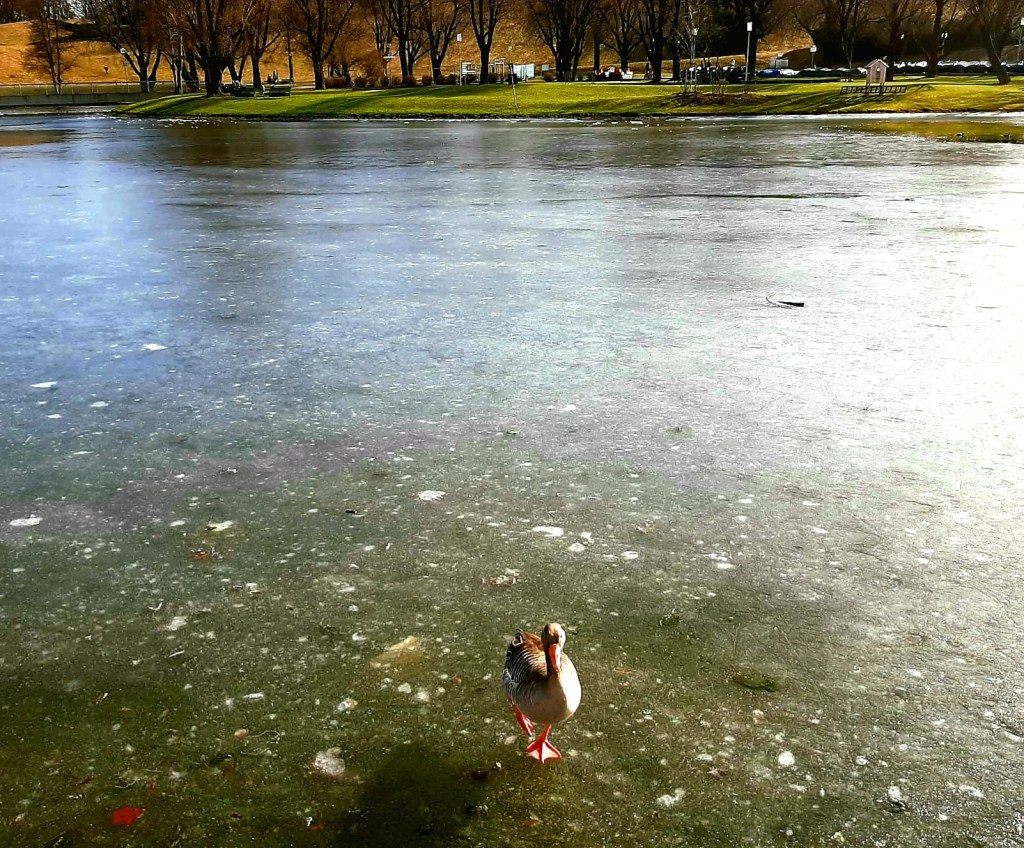
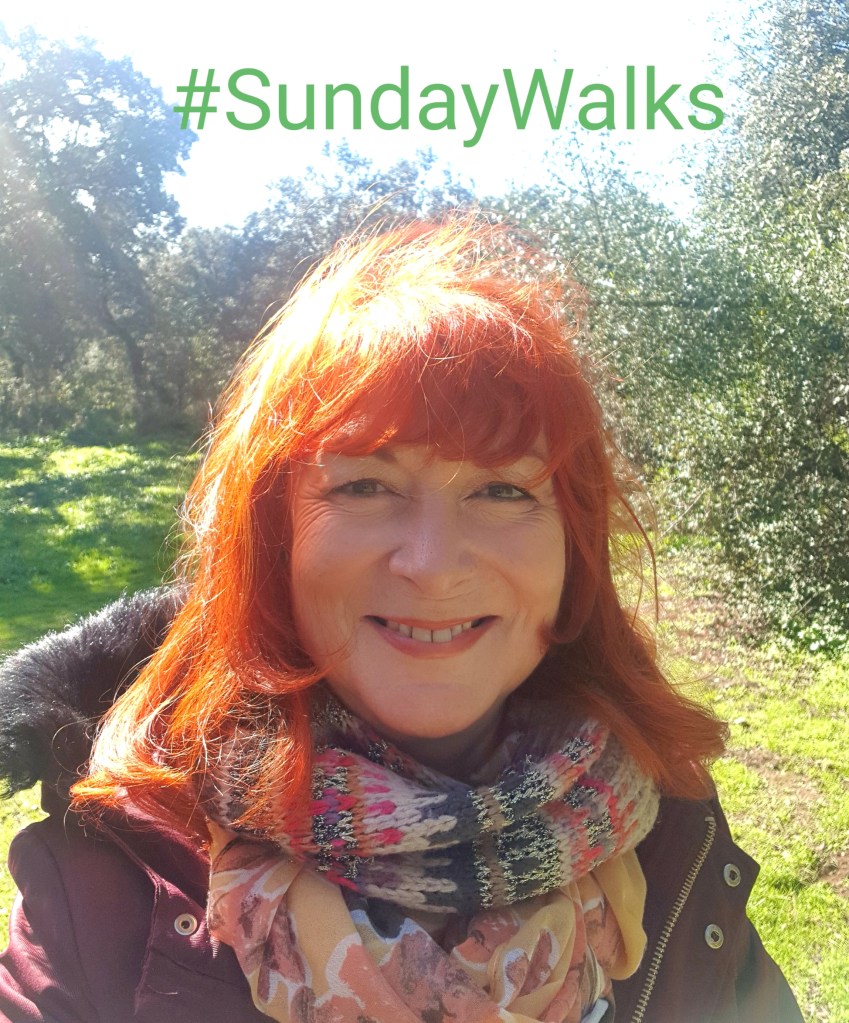
#SilentSunday #SundayWalks February2021 #Haiku #Munich

February. Still,

Quiet leaves, frozen water,

Calm. Waiting for spring.

Fotos by Andrés. Sent from Munich💖

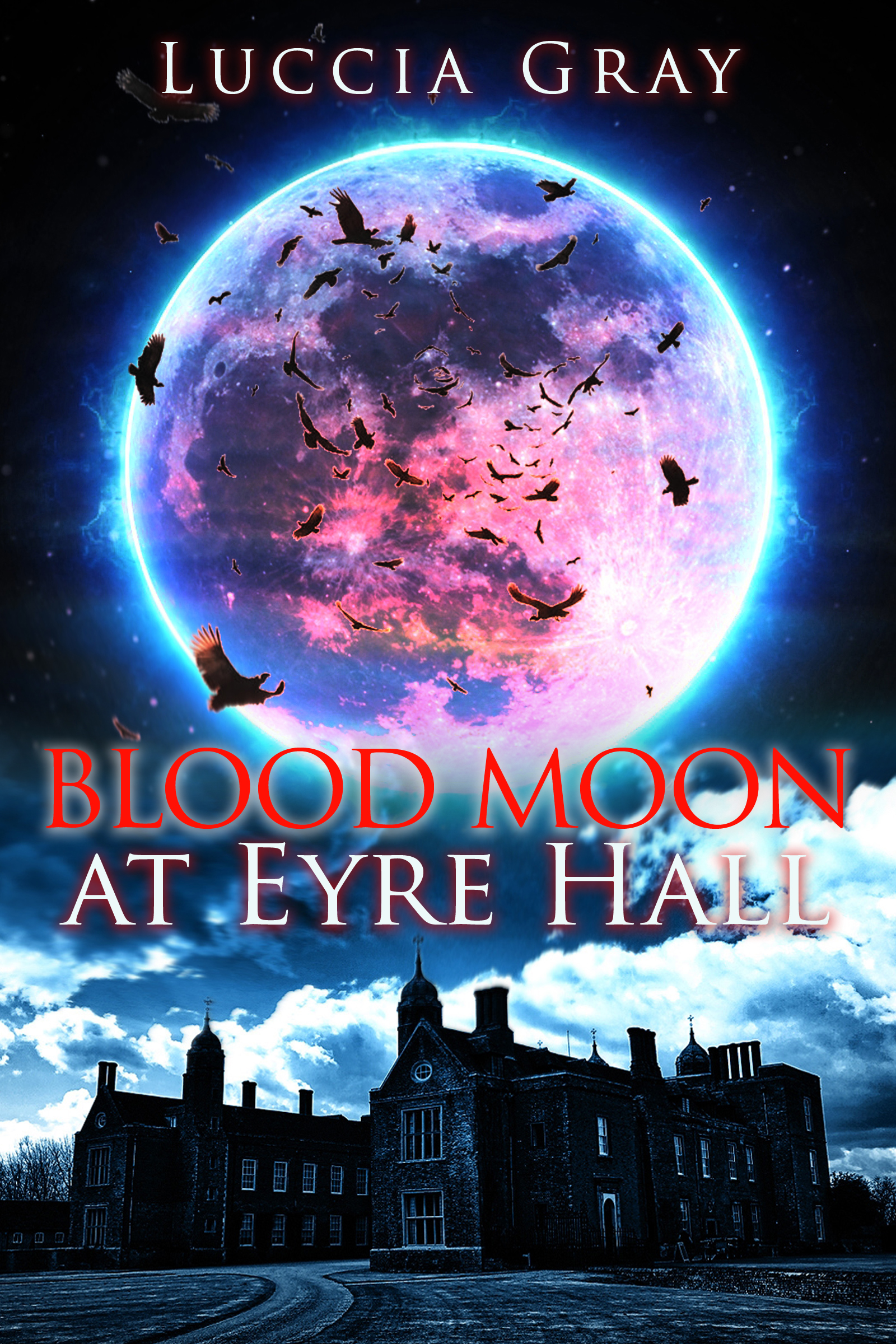
Extract from ‘Blood Moon at Eyre Hall’ #amediting #amwriting

Writing the first draft of the fourth novel, which is the prequel to the Eyre Hall Trilogy, my sequel to Jane Eyre, was challenging but fun. The exploration of the characters’ backstories and the gradual unveiling of the plot was thrilling. But editing is another story.

I am currently grinding my teeth and pulling out my hair, because I’m sending my editor the second and final edit on Monday. 

Why does self-editing get more difficult with every novel I write? Answers in the comments, please! 

Meanwhile, I’m taking a brief break to post a short extract from Chapter 12 of Blood Moon at Eyre Hall. Narrated by Michael, Mrs Rochester’s valet.

“My husband’s first wife, was a very unfortunate woman. It pains me to remember her.”

Mrs Rochester turned to me. “You look surprised, Michael. So was I when I met her, just once.”

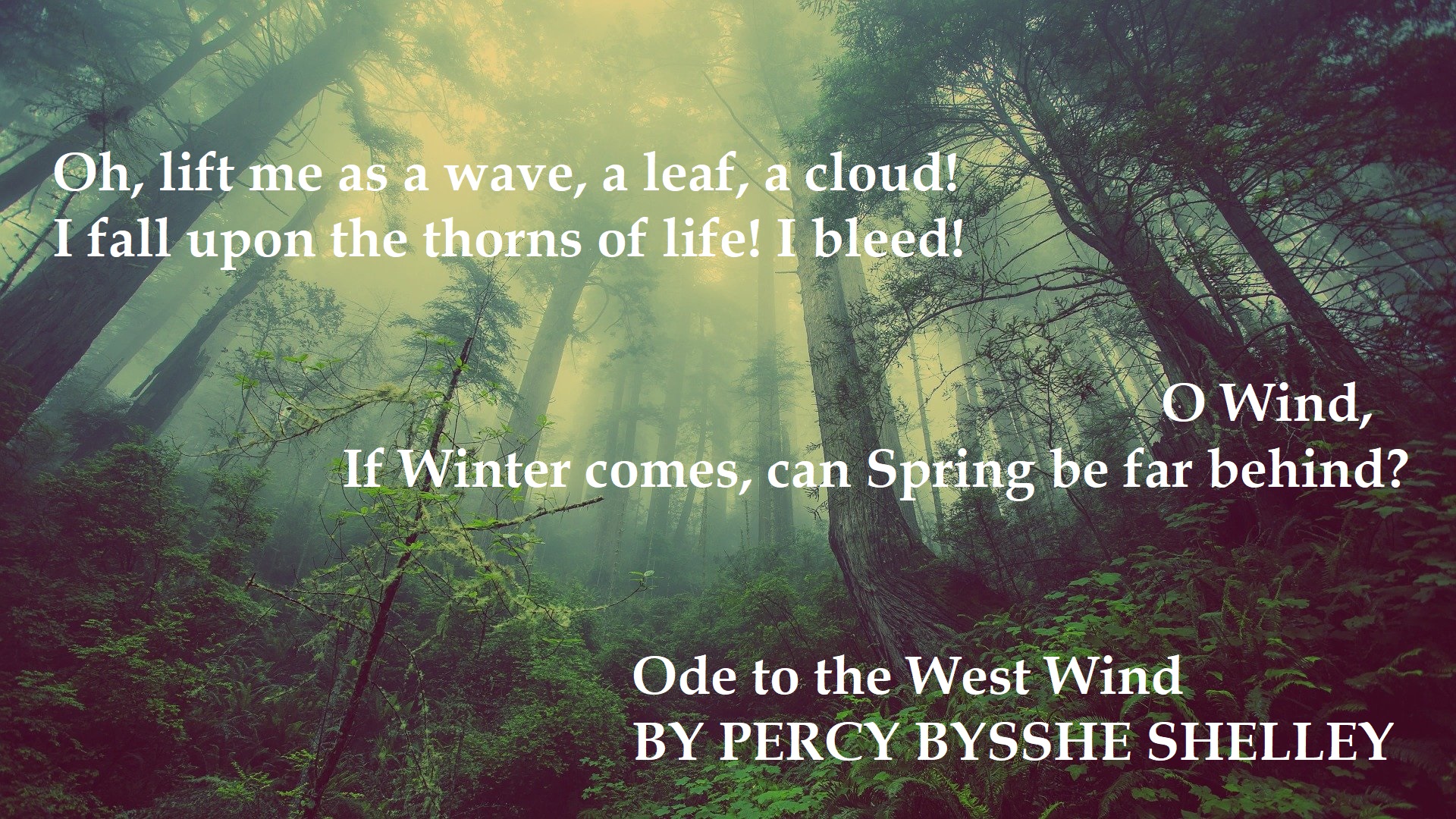
Her eyes followed the tumbling flight of the chestnut leaves blowing across the lawn. “The leaves remind me of some lines from Shelley’s Ode to the West Wind, ‘If I were a dead leaf, Or a swift cloud to fly with thee, Uncontrollable in my wanderings, Oh, lift me like a wave, a leaf, a cloud!’”

She sighed and closed her eyes. “’I fall upon the thorns of life! I bleed!’ Or words to that effect.”

I had read her copy of ‘Prometheus Unbound’ many times. “The last line reads something like, ‘When winter passes, can spring be far behind?’”

Her face bloomed like a summer rose. “Indeed, Michael; the calm after the storm, the annual rebirth of life. Perhaps spring will bring new hope.”

Release date, 24th May 2021

#JaneEyreFF Rereading Jane Eyre in #FlashFiction #Chapter2

Jane Eyre in Flash Fiction Chapter 2

How I imagined I saw my uncle’s ghost in the red-room

I was unjustly accused of violence and wickedness towards my cousin, John, and reminded that I was less than a servant. They warned me that if I was not congenial, I would be sent to the poorhouse.

I knew my aunt had promised my uncle, Mr Reed, that she would rear and maintain me as her own. Instead, she considered me an alien intruder in her family. I was an unloved and unwanted guest at Gateshead Hall. They called me naughty, sullen and sneaking. Everything I did was at fault, consequently I was always suffering, brow beaten and condemned.

Miss Abbot and Bessie, both servants at Gateshead, wanted to tie me up with a pair of garters. I promised to keep still, and they left me on a low ottoman near the marble chimneypiece in the red room, the largest and coldest room, furnished with a bed, dark mahogany chairs and wardrobe. There was a miniature of my poor uncle, who had died in this very room.

The rain was beating on the windows, and the wind howled in the grove behind the Hall. When night fell and I saw a ghost in the looking glass, I screamed and sobbed to be let out, but they did not believe me. I was so terrified that my uncle would rise from the grave that I had a fit and lost consciousness.

The second chapter of Jane Eyre intensifies Jane’s sense of abandonment, loneliness and lack of love or support.

Another chilling aspect is added to her misery, her uncle’s ghostly presence in the ominous room. Jane is threatened with the poorhouse, almost tied up, and locked in the red room, where her uncle died and presumably haunts in the dead of night.

A terrifying situation for a helpless ten-year-old child.

The summary is based on the free ebook by planet books which you can find here.

I’ll be posting a chapter of Jane Eyre in flash fiction every Friday. If you’re wondering why, read all about it here.

If you’d you’d like to Reread Jane Eyre with me, visit my blog every Friday for #JaneEyreFF posts.

See you next week for chapter 3!

Images from Pixabay

#ThursdayPhotoThoughts ‘White Swan’ #February2021 @Pixabay

White Swan

This is no black swan

Who was once a duck,

This is no mirror

Hanging on the wall,

This is no painting,

Seen in museums.

She’s a brave, white swan

Travelling alone

Towards the unknown,

Sure to overcome

Any sudden storm.

The queen of the seas

****

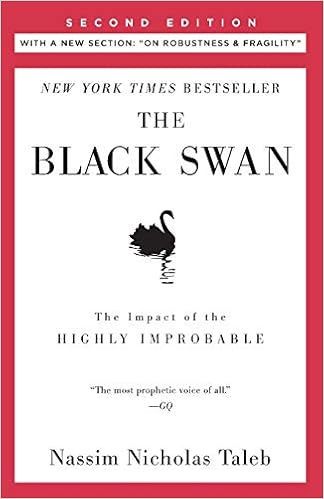
Events that are difficult to predict but when they happen have an enormous impact are referred to by author, Nasim Taleb as black swans, in his influential book.

These low probability and high-impact events are unavoidable and are guaranteed to occur in our personal and collective lives.

I’m using the term, black swan, loosely to refer to any unexpected, sudden and negative personal events such as unemployment, illness, death, or collective experiences such as an earthquake or covid19.

These unforeseen events have happened and will inevitably strike again. If we are unprepared, there is very little we can do to stop the emotional and physical tsunami that threatens to bring us to our knees.

Resultado de imagen de quotes about adapt or die

But we can be prepared. By building three powerful mindsets we should work hard to develop: Faith, optimism, and adaptability, from an early age.

We must be prepared for unavoidable disasters by increasing our self-confidence and mental fortitude, cultivating a positive mindset, and creating a mental attitude of adaptability to change.

Sometimes I feel all our lives are a preparation to cope with black swans when they appear, because we know we will surely face more than one throughout our lives. As schools are more concerned with teaching facts, emotional growth is left to our personal initiative and our families.

I’m a great believer in the power of reading, reflecting, and meditation. I’m certainly feeling stronger and more prepared to face challenges since I have more time to think and meditate and read specific books on personal growth.

If you’d like to have a look at some of the books I’ve been reading follow the link below.

All pictures from pixabay and all thoughts my own, although I’m sure someone has already expressed some of them.

How do you cope with black swans?

****

Image by ejausburg on Pixabay

Pixabay is a wonderful site where many generous amateur and professional photographers offer their photos at no cost (there are also photos you have to pay for). And Thursday, which is in the exact middle of the week is an ideal day to stop and reflect, so I’m grabbing one or more pictures and reflecting on whatever comes to mind. I’m not planning on stream-of-consciousness, because although it’s an unplanned post based on a random picture, I’ll edit my thoughts and words, because you’re worth it! I want you to read a pretty and polished post:)

#WordlessWednesday ‘Shades of Green’ #haiku

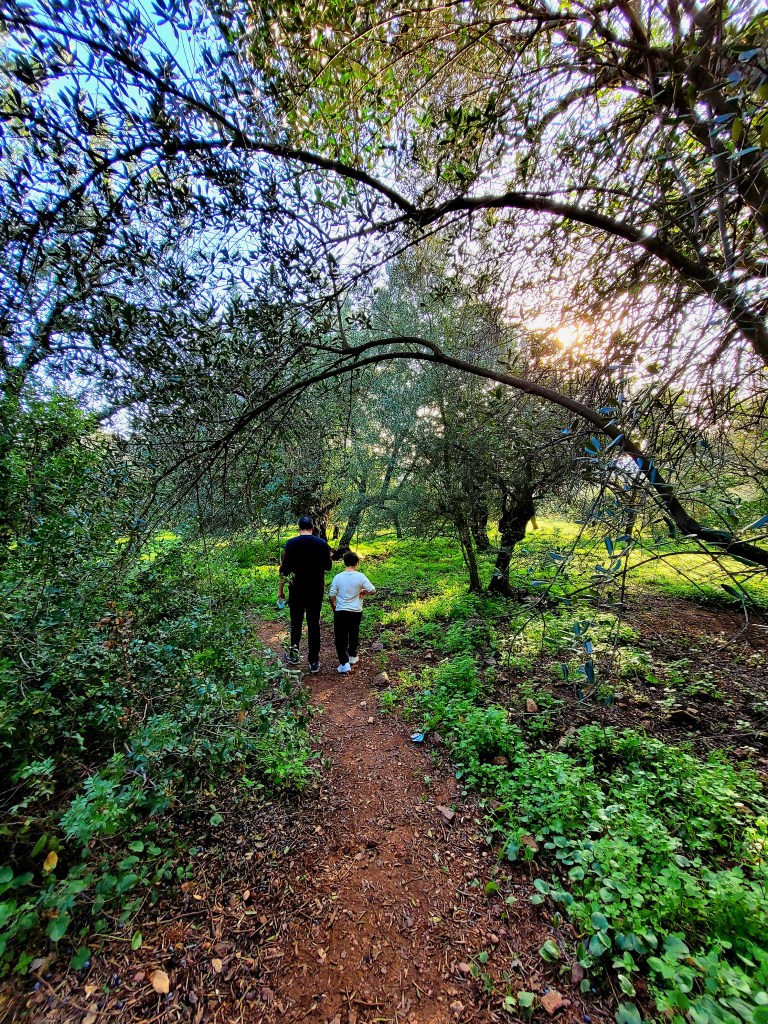
Father and son chat

Nothing’s ever black or white

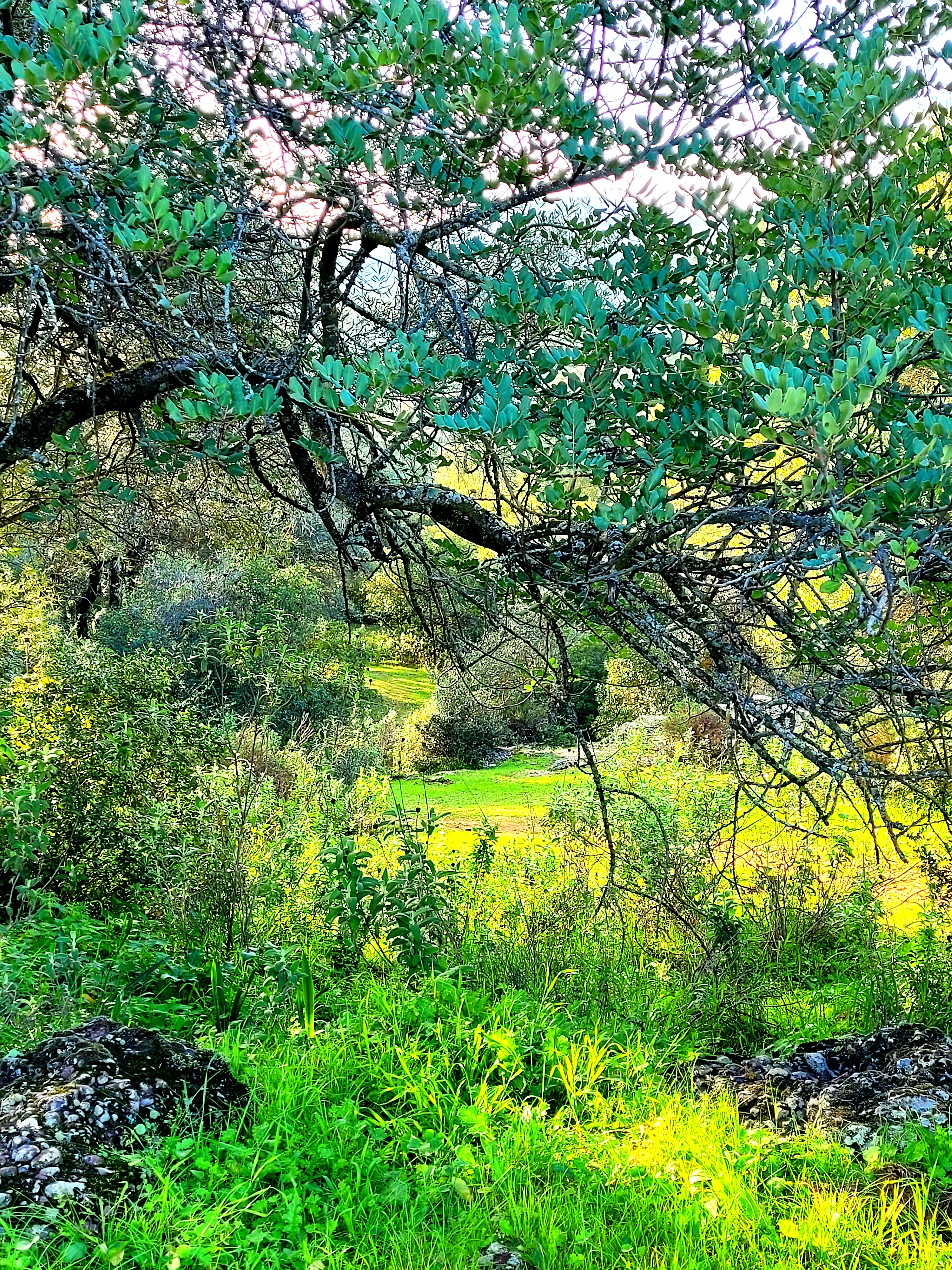
Life in shades of green

All photos by @LucciaGray

#Tuesdaybookblog ‘Home Before Dark’ by Riley Sager #GhostThriller #Suspense @Audible

Today I’m reviewing another audiobook I listened to on Audible with my monthly credit, Home Before Dark by Riley Sager, a ghostly, mystery thriller narrated by Cady McClain and Jon Lindstrom

Home Before Dark: A Novel by [Riley Sager]

From the blurb

Maggie Holt is used to such questions. Twenty-five years ago, she and her parents, Ewan and Jess, moved into Baneberry Hall, a rambling Victorian estate in the Vermont woods. They spent three weeks there before fleeing in the dead of night, an ordeal Ewan later recounted in a nonfiction book called House of Horrors. His tale of ghostly happenings and encounters with malevolent spirits became a worldwide phenomenon, rivaling The Amityville Horror in popularity—and skepticism.

Today, Maggie is a restorer of old homes and too young to remember any of the events mentioned in her father’s book. But she also doesn’t believe a word of it. Ghosts, after all, don’t exist. When Maggie inherits Baneberry Hall after her father’s death, she returns to renovate the place to prepare it for sale. But her homecoming is anything but warm. People from the past, chronicled in House of Horrors, lurk in the shadows. And locals aren’t thrilled that their small town has been made infamous thanks to Maggie’s father. Even more unnerving is Baneberry Hall itself—a place filled with relics from another era that hint at a history of dark deeds. As Maggie experiences strange occurrences straight out of her father’s book, she starts to believe that what he wrote was more fact than fiction.

My Review

Home Before Dark is a cleverly plotted story of various generations of secrets, lies and crimes surrounding a mysterious Victorian house and estate in the woods, Baneberry Hall. The last owners, before Maggie inherited the house, were her parents, who lived in there for exactly 3 weeks before running away in the dead of night, with 5-year-old Maggie, supposedly fleeing from ghosts.

Maggie’s father, a novelist, wrote a bestseller based on their experiences, and although their lives improved financially, their family was destroyed after that fateful moment, and even today the adult Maggie cannot get over her experiences at the house. She’s still searching for the truth, which could be stranger and more devastating than her father’s book.

The novel is narrated by Maggie and her father in two time frames, past and present, and the plot cleverly unfolds amidst secrets, legends, lies, half-lies, and a few truths, until the mystery is finally solved.

I enjoyed reading the novel, because the story was engaging, and I love stories set in atmospheric houses with spooky legends. But, although the characters were authentic and interesting, I didn’t actually like any of them, especially Maggie or her parents, except the father (but that was mostly due to Jon Lindstrom’s brilliant narration!). Despite wanting to understand them, I found it hard to sympathise with their thoughts, actions or lack of affection.

Also, a little bit of love or romance of any type would have been nice. All the relationships portrayed between married couples, friends, or family, seemed cold or damaged. There wasn’t a single drop of warmth between anyone, but I’m a hopeless romantic, so I would say that. 

Overall. it was an entertaining story which was excellently read by both narrators. And I’m certainly curious to read more of Riley Sager’s books.

Check out my other fiction book reviews here or my non-fiction, personal growth books here.

Happy reading! 


#MondayMotivation ‘Positive Intelligence’ by Shirzad Chamine #MondayBlogs #PersonalGrowth

Over the past months, I’ve been reading a great number of motivational and inspiring books on personal growth. I’ve also been listening to podcasts and watching videos on YouTube. This interest has sprung from a combination of factors as I’ve recently reached a few significant milestones in my life; I retired and turned sixty, and I have five grandchildren between the ages of three months and nine years. I am concerned with aging, health, and emotional wellbeing, as well as my children’s and grandchildren’s future challenges. I have more time to reflect and more things to reflect on, so I’ve found these books, podcasts and videos very helpful, especially in these uncertain and volatile times in which we can take nothing for granted. I’ll be sharing my thoughts with you on Mondays.

Today I’m sharing my reflections on Positive Intelligence by Shirzad Chamine, a motivational speaker and coach who lectures at Stanford on Positive Intelligence.

Positive intelligence is one of the most practical and useful books I’ve read on leading a positive and happy life. Shirzad introduces us to our Saboteurs, who cause us stress and unhappiness, our Sages who embody our positive characteristics and our Superpowers who help us overcome the difficult moments we face in life.

Positive Intelligence: Why Only 20% of Teams and Individuals Achieve Their True Potential AND HOW YOU CAN ACHIEVE YOURS de [Shirzad Chamine]

We all have Saboteurs, but if you take the test yourself here, you can find out which degrees you have of each one by measuring your PQ or Positive Intelligence Quotient. You are required to give your email to receive the results, but there’s no spamming, just your results and some interesting advice on being more positive.

This quotient is based on research in neuroscience, organizational science, and positive psychology and according to the author, the relationship between PQ performance and happiness are interrelated. PQ measures to what extent your brain is working positively with your sages or negatively with your saboteurs.

These are our saboteurs:

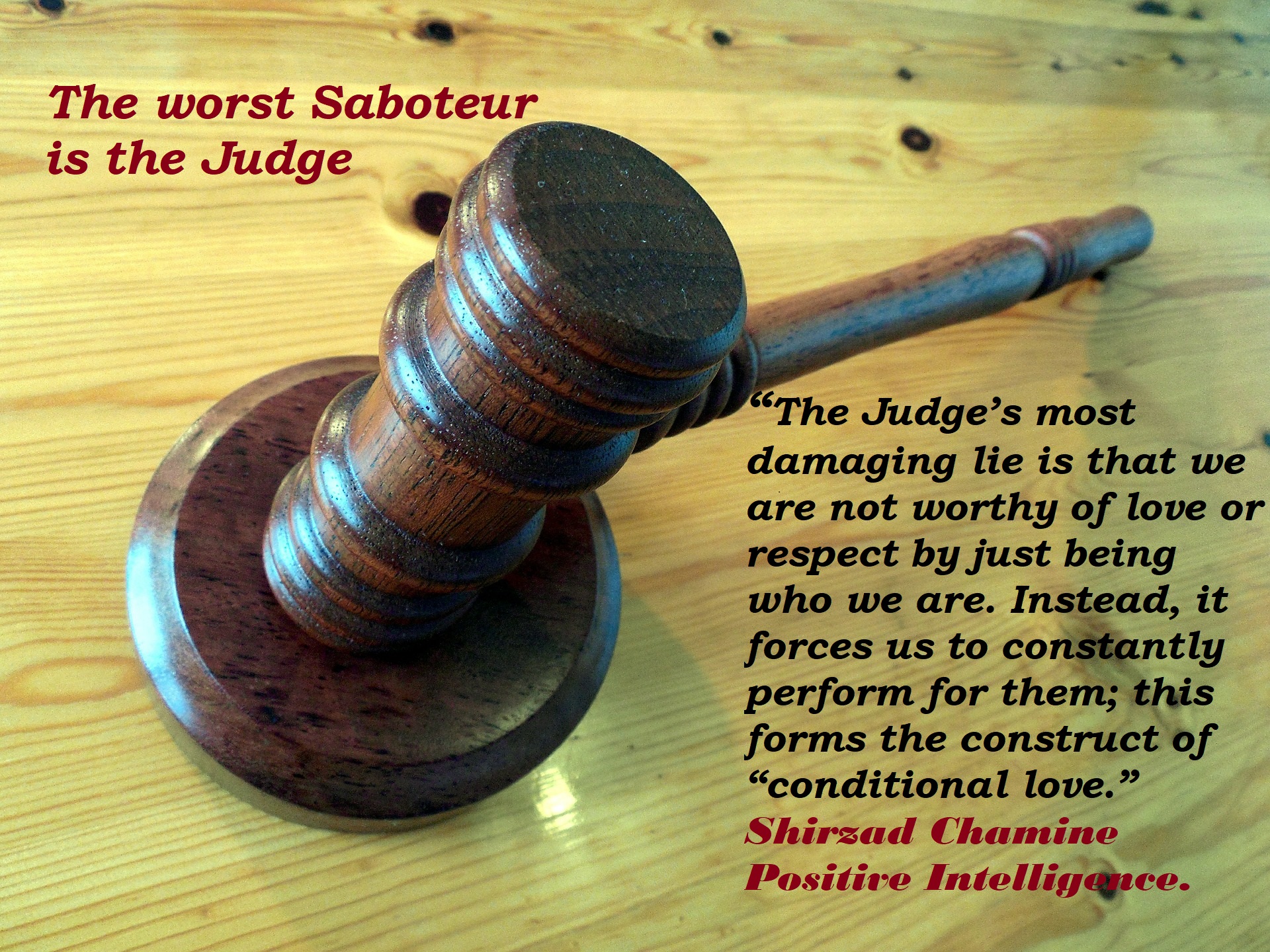
The Judge is the master Saboteur, and we all have this one. The judge constantly finds faults with yourself and others, and generates most of your anxiety, stress, anger, disappointment, shame, and guilt.

Other saboteurs are the Stickler, the Pleaser, the Hyper-achiever, the Victim, the Hyper-rational, the Hyper-vigilant, the Restless, the Controller and the Avoider.

Fortunately, we all have our Sage Powers to combat the Saboteurs, these are: Empathy, Exploration, Innovation, Navigation and Activation.

The book is full of many practical examples for finding and dealing with life’s saboteurs within ourselves which stop us finding happiness, meaning and purpose in life. There are also chapters about working and living with difficult people (I found this chapter very enlightening), health and dieting and managing stress, including case studies with examples and strategies.

His proposals are related to mindfulness, meditation and self-awareness, by being kind to others and ourselves.

Watch this video where he explains it all in his own words:

Once we have understood these positive and negative influences we all have to varying degrees, he gives us ways to intercept these negative impulses which cause us so much pain and stress.

I found the book, the test and his words mind opening, especially for understanding other people’s struggles and behaviour and how to cope with them. For example, imagine one of your dominant saboteurs arguing with someone else’s! It will lead to an explosive situation. The solution is to use one or more of our sages to handle this situation. The ideas are based on scientific evidence; they are clearly expressed and simple to implement, and the results are incredible.

Take care and stay safe.

Here’s the link if you’d like to read my other posts on #PersonalGrowth 

Check this post out to find out about my Blogging schedule.

#SundayWalks ‘Iced Beauty’ #Tanka

Trapped in ice, still life,

Frozen white prison,

Sun will set you free,

To wither on spring’s green lawns,

Death is inevitable.

My friend Kumi sent me these beautiful photos from Norway.

If you look hard enough there’s beauty everywhere. 🤩💖☃️❄

I hope you’re having a wonderful Sunday.

#WritePhoto ‘Lucky!’ #FlashFiction #101words

The following Tanka was written in response to Sue Vincent’s weekly photo prompt. Join in or read other entries here!

Alice’s Lucky Day

Alice wasn’t enjoying the picnic.
Her cousins giggled and whispered behind her back until her mother made them include her in their games.
They grumbled and Chelsea said, “Count to a hundred, you’re It!”
Instead of chasing them, Alice wandered to the old stone bridge by the river.
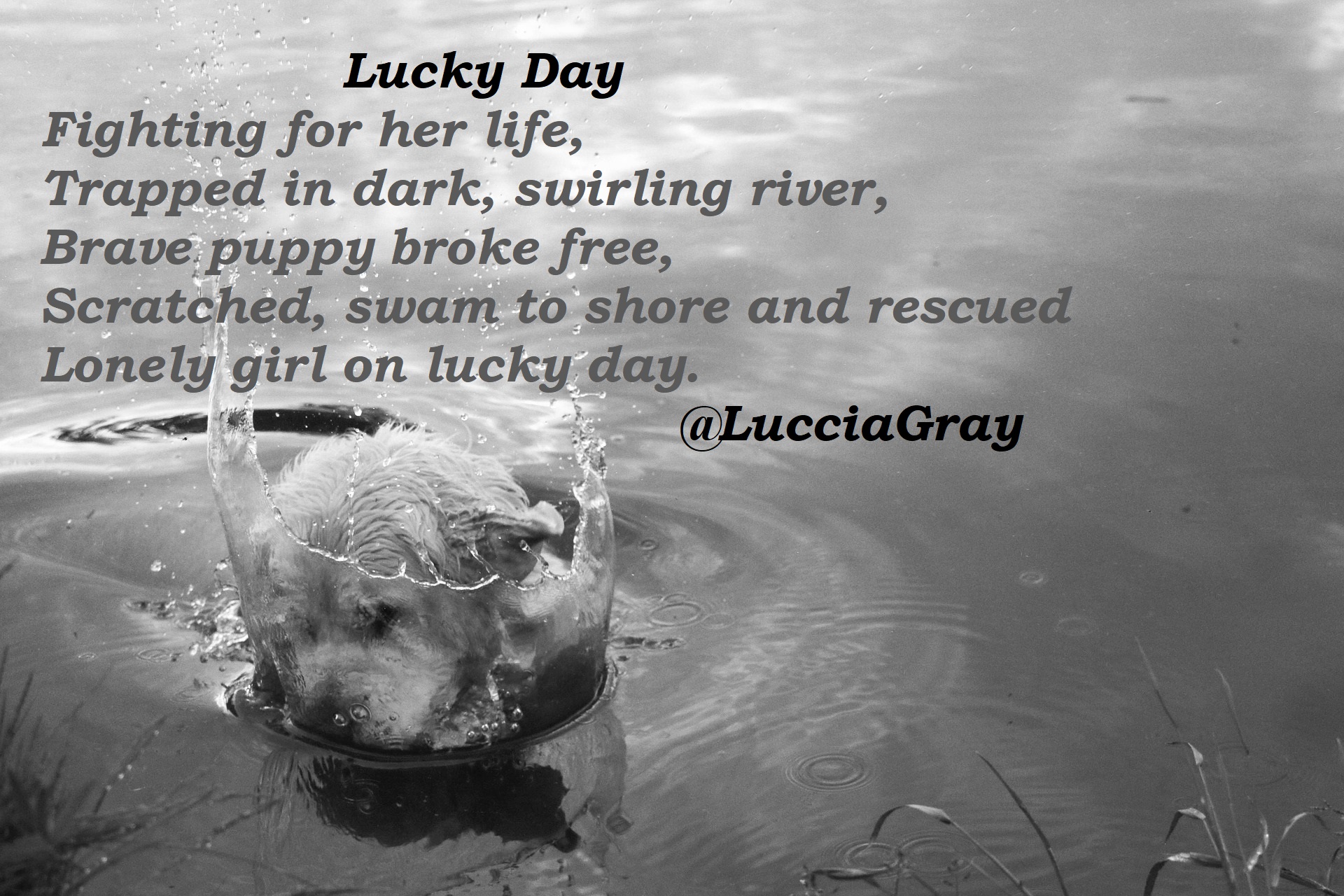
Climbing down between the rocks, she heard a puppy whimpering and scratching its way out of a plastic bag floating in the deep waters.
When she returned, everyone fussed around her, waiting for their turn to hold the puppy.
“She’s called Lucky,” Alice told them, “because I rescued her on my lucky day.”   

****

Photo from Pixabay

Happy weekend!