There was no possibility of taking a walk that chilly November afternoon.
My cousins Eliza, John and Georgina were clustered around their mother and my aunt, Mrs Reed, in the drawing room, while I was kept at a distance, accused of insolence.
I made myself at home on the window-seat in the breakfast-room, behind a heavy curtain, reading Berwick’s History of British Birds, with its eerie pictures, which told mysterious stories of marine phantoms, churchyards, torpid seas and gallows.
My cousin, John, who at fourteen was four years older and twice my size, interrupted my solitude, ordering me to return his book because I was a penniless orphan and an unwanted guest at his house.
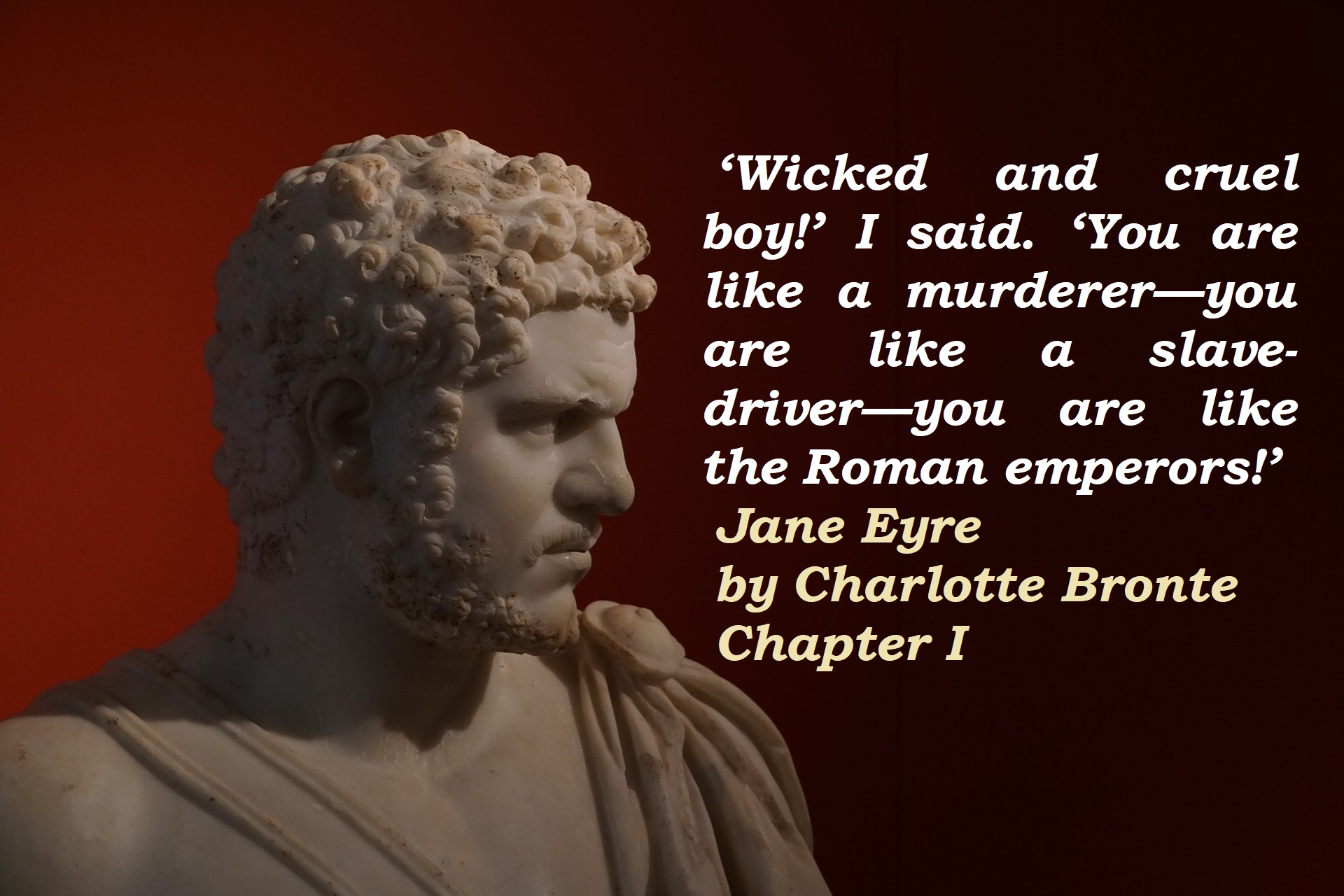
I did as requested and he threw the book at my head with such force that I fell and hit my head on the door. Blood trickled down my neck. “You are wicked like the Roman emperors,” I said, because I had read all about Nero and Caligula in Goldsmith’s History of Rome.
He called me a rat and pulled my hair viciously. I fought him off frantically and when his mother found us; I was accused of aggressive behaviour and dragged upstairs to be locked in the red room.
The first chapter of Jane Eyre is impressive. The reader is thrust into a brave, intelligent and abused ten-year-old’s struggle to survive in a hostile world.
The story begins in Jane’s lowest moment; orphaned, unloved, bullied, physically beaten, silenced and locked in a room. It may not be a coincidence that at this precise moment, Bertha Antionetta Mason, the first Mrs Rochester, was also locked in the attic at Thornfield Hall.
We learn that Jane is an orphan who lives with her unloving aunt and nasty cousins, much like Cinderella, but with a bullying boy added to the picture. We also know she is an intelligent child who reads and understands books for adults about Roman emperors and birds.
We feel immediate compassion for the child, but we are also aware that she is not to be pitied. Jane is an intelligent and spirited girl who is prepared to face her bullies and fight for her freedom.
The summary is based on the free ebook by planet books which you can find here.
This picture has taken me to a dark place I’m familiar with, but not fond of. I’m standing outside the doors to a dark castle inhabited by thirsty, blood-sucking vampires.
Some will suck your blood
And your dreams, if you let them.
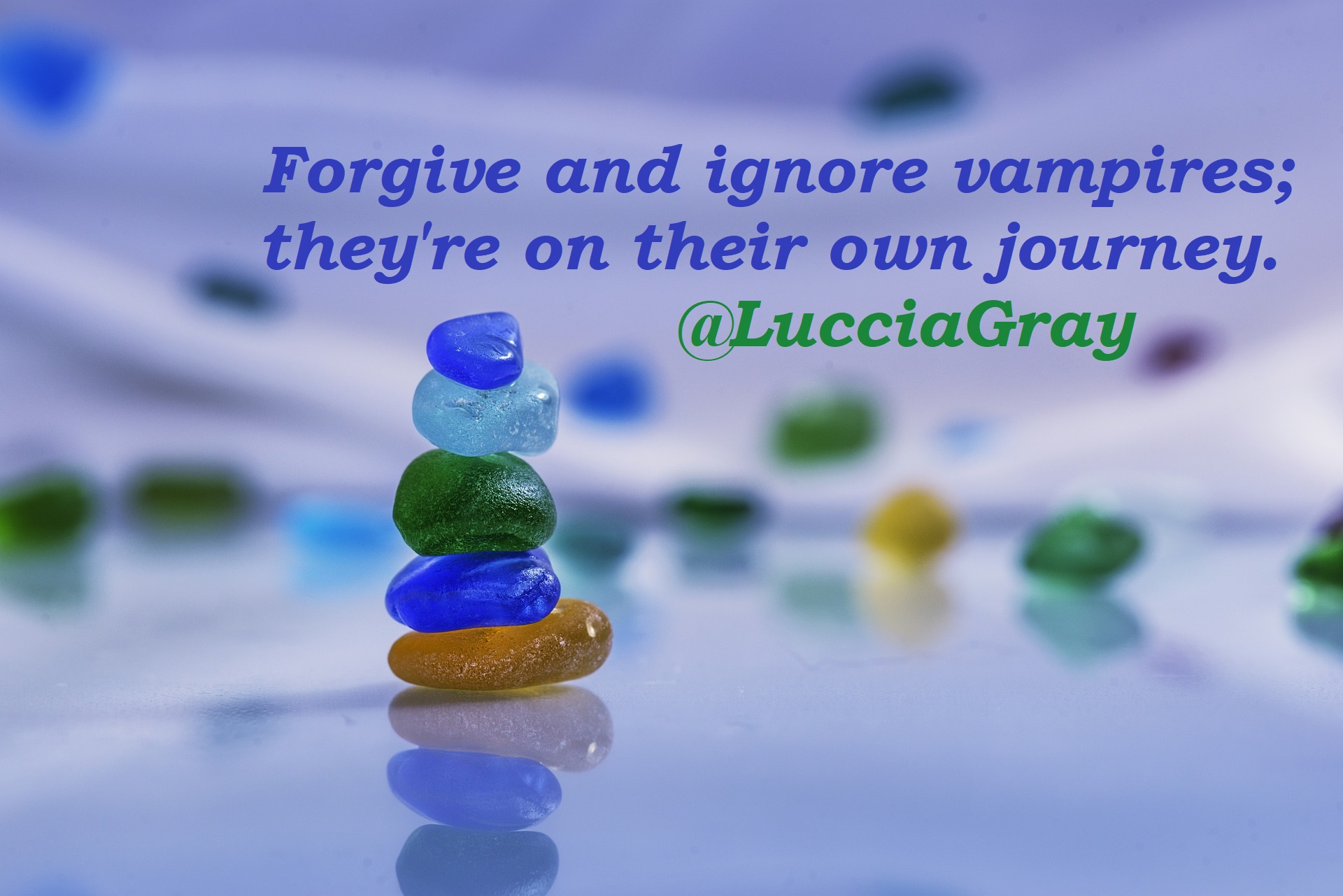
Forgive and ignore,
They have their own sad journey.
You cannot change their flight path.
****
I’m going to tell you three things I’ve learned about vampires. The first is the power of forgiveness.
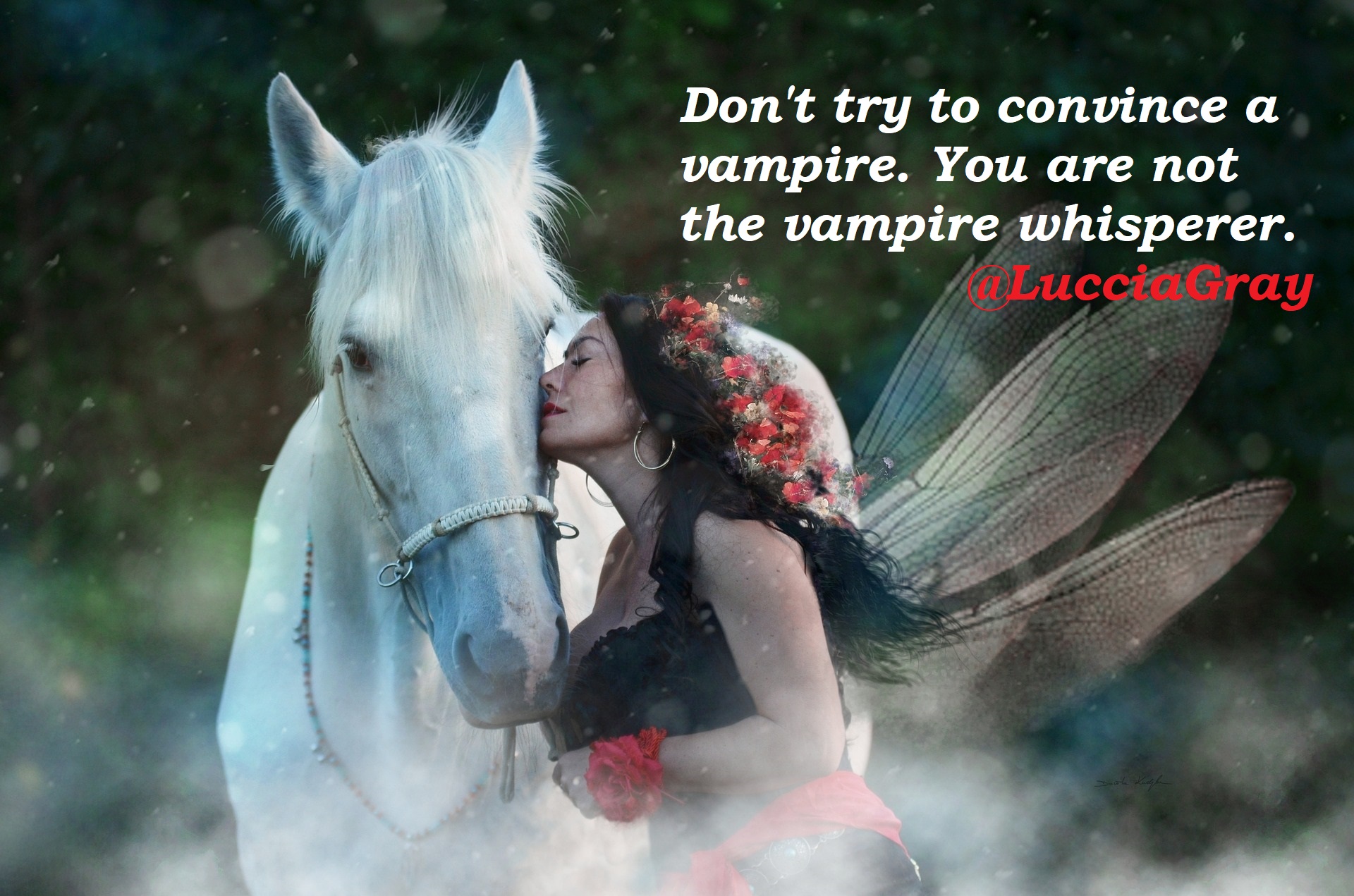
The second is don’t let them convince or confuse you, and the only way is to ignore their negative words. They’re not your friends, they’re not there to help you, they’re out to help themselves to your precious energy, your lifeblood. But here’s the thing, they can’t take it if you don’t let them have it! You have what they need. Your dreams and enthusiasm are your superpower. Don’t waste it on them.
The third thing I know is that you cannot help a vampire. You may think it’s your duty to help them, and it would be if you could, but you can’t. They don’t want or need your help. They only want your blood.
Finally. I know each one of us has to follow our own dreams and plan our own routes to self realisation and discovery. That doesn’t mean we have to be selfish or obsessive. We should enjoy and share our journey, but ultimately our journey is as unique as each one of us and we owe it to ourselves to make sure we are ready for our final destination.
My final thoughts on dealing with people who bring out the worst in you, highlight your fears and insecurities, demean or criticise you, there’s only one thing you can do, and the sooner you realise this, the sooner you can continue on your own journey.
All pictures from pixabay and all thoughts my own, although I’m sure someone has already expressed some of them.
Pixabay is a wonderful site where many generous amateur and professional photographers offer their photos at no cost (there are also photos you have to pay for). And Thursday, which is in the exact middle of the week is an ideal day to stop and reflect, so I’m grabbing one or more pictures and reflecting on whatever comes to mind. I’m not planning on stream-of-consciousness, because although it’s an unplanned post based on a random picture, I’ll edit my thoughts and words, because you’re worth it! I want you to read a pretty and polished post:)
Feel free to join in! Grab the hashtag, photo and share your post in the comments. I’d love to read your thoughts.
Are there many vampires in your life? How do you cope with them?
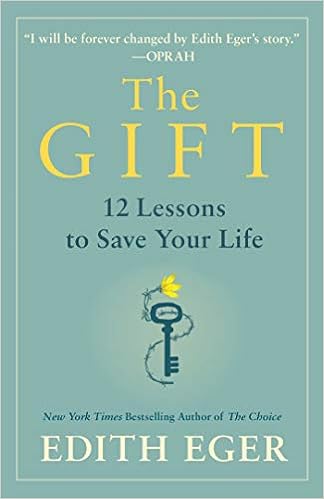
I’m currently reading The Gift: Twelve Lessons to Save your life by Dr Edith Eva Eger and the words I read this morning inspired me to write this tanka.
Good morning, Sunshine
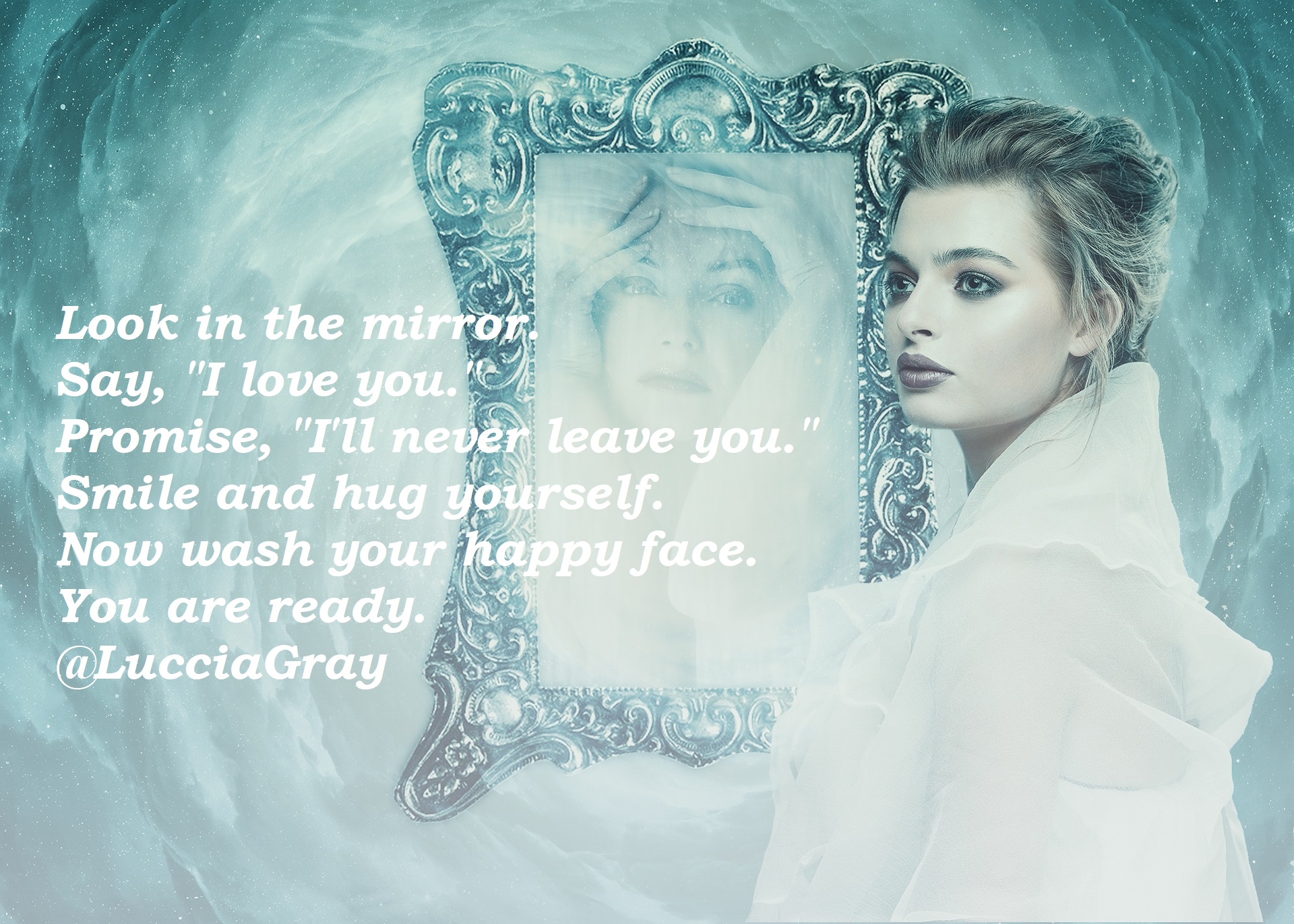
Look in the mirror,
Say, “I love you”
Promise, “I’ll never leave you.”
Smile and hug yourself,
Now wash your happy face,
You are ready.
****
The Gift is indeed a gift of a book, to be read slowly and savour every word. I’m reading a few pages morning because I want to digest Edith’s wisdom slowly.
Here’s the paragraph which inspired me today. This is a piece of advice she gave a patient who was severely depressed.
“So start by getting up in the morning and going to the mirror. Look yourself in the eye and say, ‘I love you.’ Say, ‘I’m never going to leave you.’ Hug yourself. Kiss yourself. Try it!
And then keep showing up for yourself all day, every day.”
Today I’m reviewing another audiobook. This time I listened on Scribd, to Recursion by Blake Crouch, an unputdownable Science Fiction, Technothriller narrated by Abby Craden and Jon Lindstrom.
From the blurb
What if someone could rewrite your entire life?
‘My son has been erased.’
Those are the last words the woman tells Barry Sutton, before she leaps from the Manhattan rooftop. Deeply unnerved, Barry begins to investigate her death, only to learn that this wasn’t an isolated case. All across the country, people are waking up to lives different than the ones they fell asleep to. Are they suffering from False Memory Syndrome, a mysterious, new disease that afflicts people with vivid memories of a life they never lived? Or is something far more sinister behind the fracturing of reality all around him?
Miles away, neuroscientist Helena Smith is developing a technology that allows us to preserve our most intense memories, and relive them. If she succeeds, anyone will be able to re-experience a first kiss, the birth of a child, the final moment with a dying parent.
Barry’s search for the truth leads him on an impossible, astonishing journey, as he discovers that Helena’s work has yielded a terrifying gift – the ability not just to preserve memories, but to remake them . . . at the risk of destroying what it means to be human.
My Review
I hadn’t read any books by the author and I don’t usually read technothrillers or science fiction, so I didn’t know what to expect from this novel, but I like to read outside my comfort zone so I started listening.
Beginnings are vital, a good first paragraph, page, chapter will make a novel irresistible to the reader, and that’s what happened with Recursion. I knew from the first line I’d love it.
Detective Barry Sutton rushes up to a skyscraper to stop a woman from jumping off but before she does so, she tells him she has a strange disease called False Memory Syndrome (FMS) which means she has memories of different lives, but only one is real at present.
From this moment on, the novel is fast-paced, full of action and suspense as Barry decides to investigate the woman’s story and finds himself involved in a crazy conspiracy to control time and history.
The story may sound far-fetched, but Recursion is so convincingly written that it feels authentic.
The best parts of the novel are the two main characters, Barry and Helena and their timeless love story, which is breathtaking. I can’t help being an incurable romantic, and although this is not a romance at the beginning, it does soon turn into an epic romance across time and space.
I’m glad I read it and I’m going to read his other novels, too.
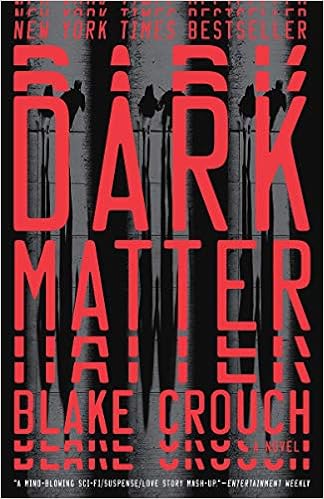
Since writing the post I also read Dark Matter, which is his first and most successful novel, and I thoroughly enjoyed it, too.
Dark Matter is another mind blowing science fiction technothriller about the choices we make, doppelgangers, alternate universes and what a person is prepared to do and give up to keep the life he chose and stay with his wife and son. I also listened to the audiobook which was also brilliantly narrated by Jon Lindstrom.
However, if I were to recommend one of the two, it would be Recursion. I found the plot more believably constructed, and the narrative more tightly spun. I also preferred the main characters because they were more engaging and complex.
Over the past months, I’ve been reading a great number of motivational and inspiring books on personal growth. I’ve also been listening to podcasts and watching videos on YouTube. This interest has sprung from a combination of factors as I’ve recently reached a few significant milestones in my life; I retired and turned sixty, and I have five grandchildren between the ages of three months and nine years. I am concerned with aging, health, and emotional wellbeing, as well as my children’s and grandchildren’s future challenges. I have more time to reflect and more things to reflect on, so I’ve found these books, podcasts and videos very helpful, especially in these uncertain and volatile times in which we can take nothing for granted. I’ll be sharing my thoughts with you on Mondays.
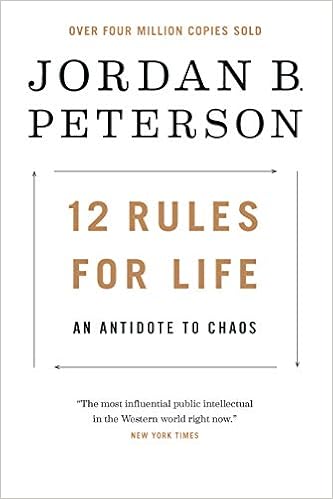
Today I’m sharing my reflections on The 12 Rules for Life by Jordan B. Peterson, a Canadian clinical psychologist and professor of psychology.
He’s a brilliant speaker and writer whose words and thoughts are sometimes controversial and always inspirational. I have to say that The 12 Rules for Life is the most intellectually demanding of all the personal growth books I’ve to read so far, as he includes many references to religion, ideology, anthropology, biology and psychology, and sometimes I felt the information and ideas were going over my head. It was a challenge to read, but I’m glad I did.
I humbly offer you a brief overview of his rules, which does little justice to the enormity and scope of the book.
I’ve added a question for you to think about for each rule and a very brief summary.
Rule 1: Stand up straight with your shoulders straight
Do you value yourself?
Based on ample examples from the evolution of our species, he concludes that our whole universe and all known societies are hierarchal. Our confidence and demeanour will define our place in the hierarchy. If we straighten up, physically, emotionally and intellectually we can claim a higher position and subsequently more successful life.
2 Treat yourself like someone you are responsible for helping
Do you treat yourself well?
You have to figure out how you want to be treated and treat others in the same way, so you’ll get that treatment back from other people. The choice is yours to treat yourself and others well and receive the treatment you deserve in return.
3 Befriend people who want the best for you
Do your friends support you?
Learn to tell the difference between people who support you and bring you down. Move away from those who do not serve you because you are not helping each other in your respective journeys.
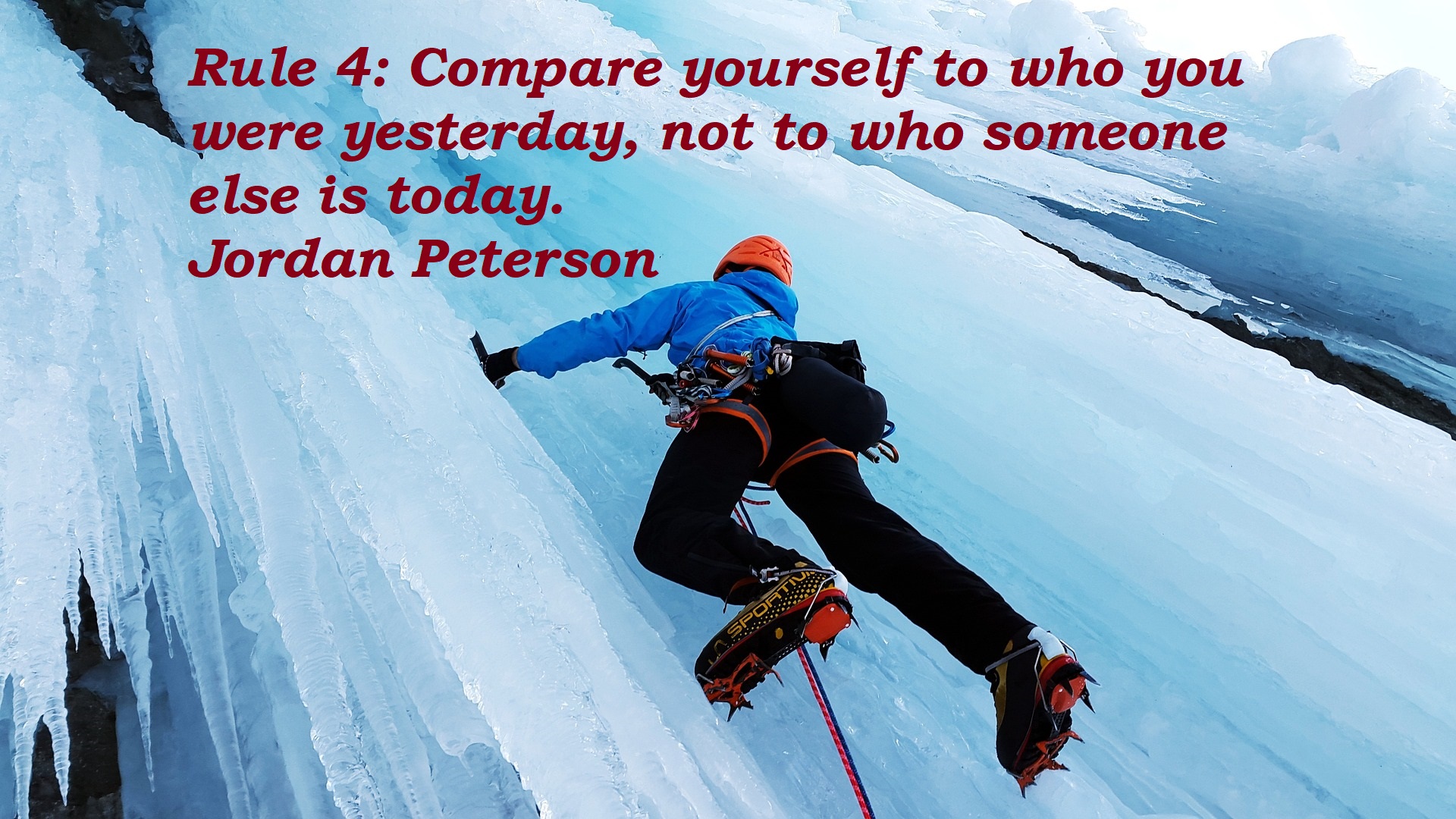
Rule 4: Compare yourself to who you were yesterday, not to who someone else is today
Are you better today than you were yesterday?
Don’t compare yourself to someone else. Acknowledge that wealth, intelligence, ability or luck never has been and never will be equally distributed. Don’t get bitter or jealous, work on yourself. You are on your own journey, not someone else’s.
He also suggests pushing yourself with gradually higher goals to do and be better than yourself. Divide big goals into smaller, doable pieces, so you’ll move forward each day.
Rule 5: Do not let your children do anything that makes you dislike them
Do you want your children to fit into society?
We all have a capacity for evil, parents should help children understand and control their dark side. He suggests two actions for doing so: positive and negative reinforcement.
Praise the positive actions your children do so they will repeat them.
If your children do things which annoy you, they will surely annoy other people, too. So, by curbing their negative actions, the child will play and interact with other people more effortlessly.
Listen to Jordan Peterson describing the rules himself in 14 minutes on YouTube.
6 Set your house in order before you criticise the world
What are you doing to solve your misfortune?
Suffering is inevitable. Life can be cruel and unjust, but you can recover from hurt and trauma, through therapy, forgiveness and gratitude. Do not blame others for your situation or problems. Learn from your misfortunes and do not judge others or be resentful or act out of resentment.
7 Pursue what is meaningful, not what is expedient
How can I improve my life in the long term?
Short-term satisfaction is fleeting. We need to learn to delay gratification, because meaningful relationships and events take time and patience. We must learn to trade with others, which means both to give or share and receive in exchange.
8 Tell the truth. Or at least don’t lie.
Do you lie to yourself?
We sometimes lie to others to avoid pain, appear better, get what we want, etc. But the worst lies are those we tell ourselves when we are in denial. They don’t allow us to grow because we don’t acknowledge our failings.
9 Assume the person you are listening to might know something you don’t know
Do you want to be right or to learn from others?
This rule is about humility and listening to others. You don’t know everything, so listen to those who know more than you about a specific topic. Listen actively. One strategy is to summarise what the speaker said to see if you understand.
Avoid misunderstandings and arguments which are due to lack of meaningful conversations and listening to each other.
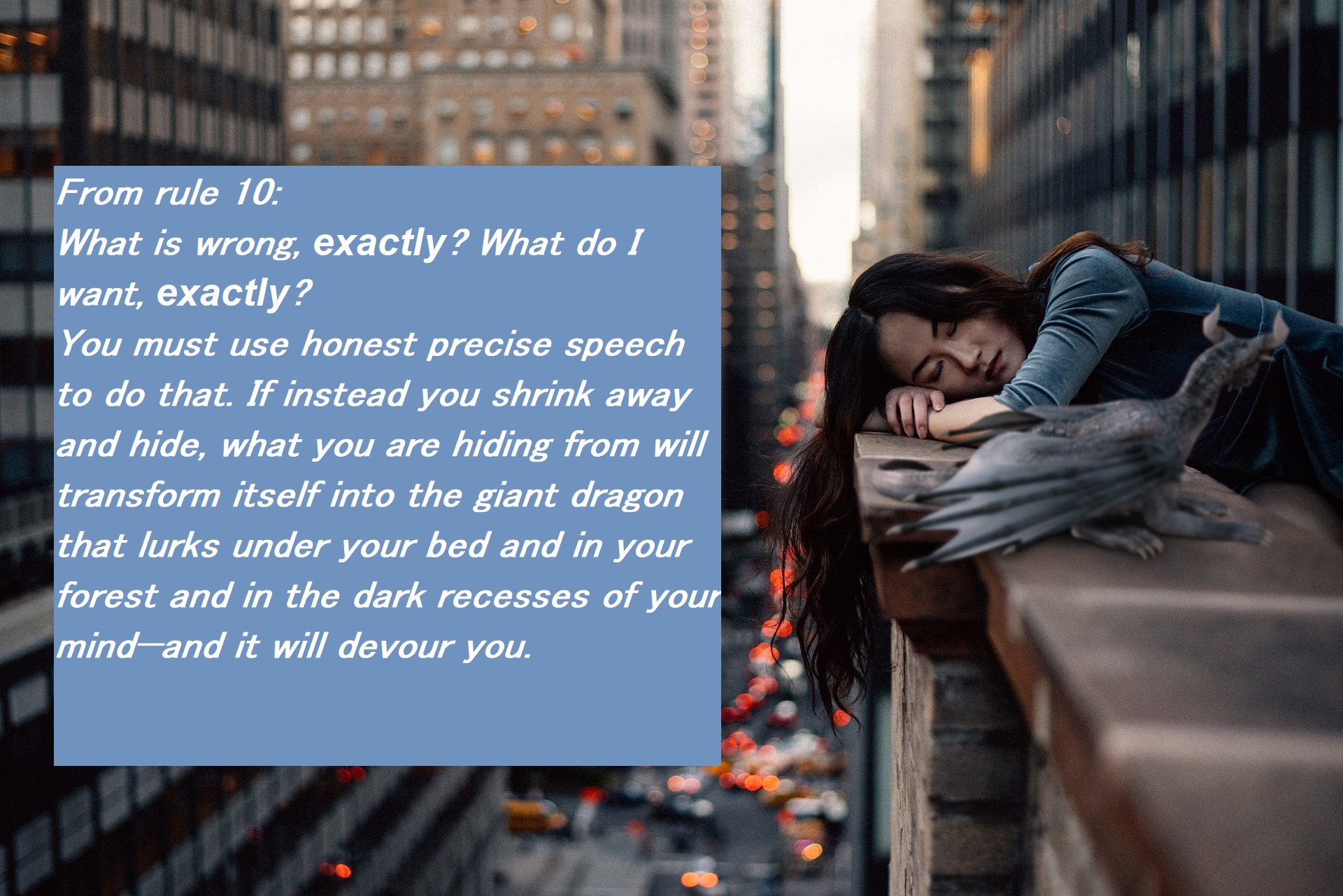
10 Be precise in your speech
Do you know what you want, and why you want it?
First you have to know and understand yourself and your beliefs and desires, and then you should express them clearly. Identify what you want and what your problem is and verbalise it correctly in order to solve it, improve the situation, or move on.
This one is a follow up of the previous rule, which was about active listening, this one is about clear speaking and will also help to avoid or overcoming interpersonal conflicts.
11. Don’t bother children when they’re ice skating
Do you overprotect your children?
Do not restrict children’s natural development in fun and games. You can’t protect your children from everything because the child will eventually have to face the dangers of the real world and find their own way in life. Shelter will not teach children to stand on their own two feet. Encourage honesty, responsibility and participation.
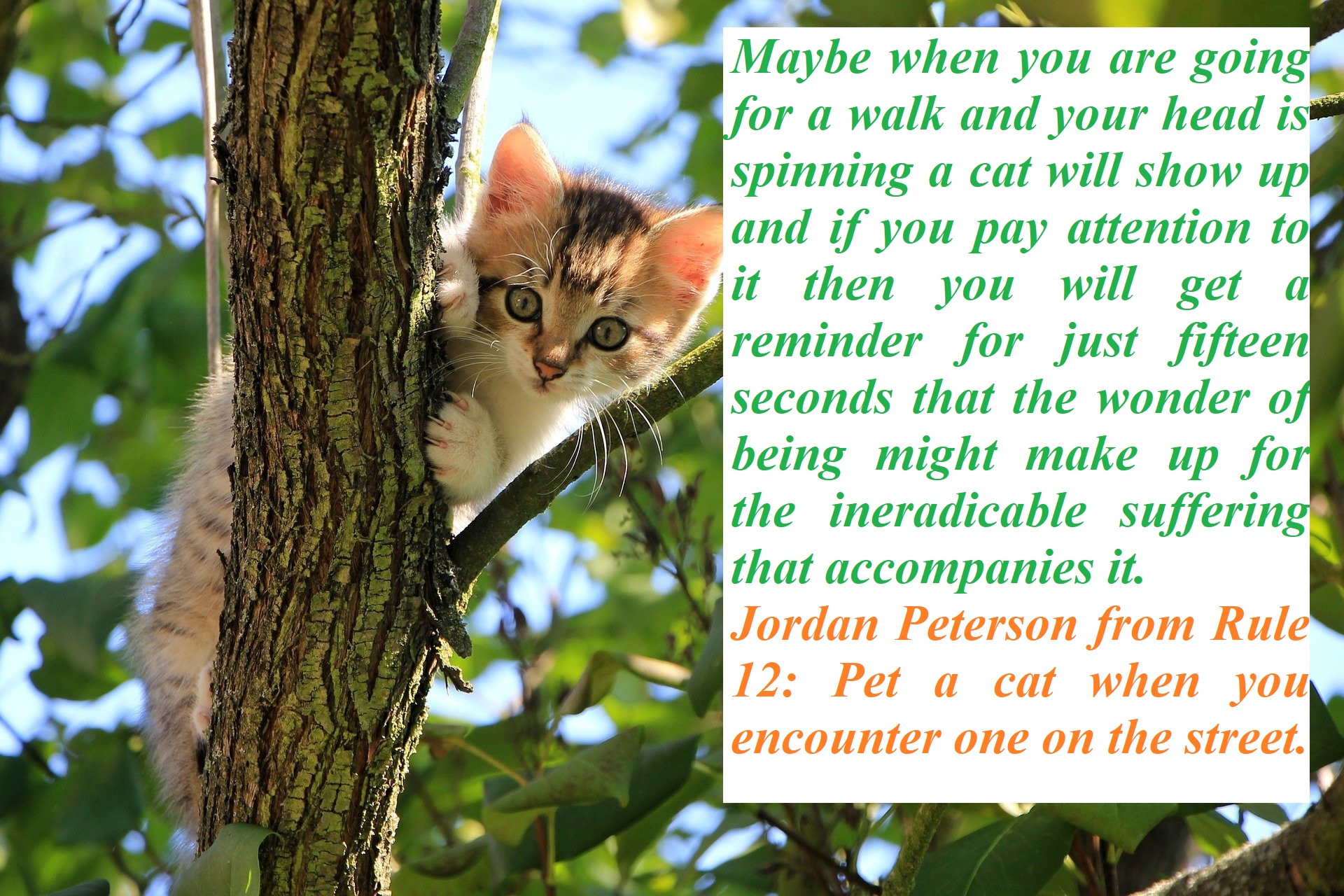
12. Pet a cat when you encounter one on the street.
Do you take time to appreciate the good things in life?
Suffering is inevitable, but that doesn’t mean you can’t find moments of joy in your life. Be alert to the unexpected simple joy in life, and remember gratitude, especially when things are bad.
He also gives us an important tip for a long-term or serious difficulty; cut your timeframe until you can cope. Don’t think of next year, next month, or next week even, think of coping until tomorrow, or for the next hour and so on.
I studied and admired the French existentialists in my youth, so I wasn’t distressed by this book’s pessimism, nevertheless I find Peterson’s proposals more optimistic and useful, because although he acknowledges the inevitability of struggle and strife, he implicitly rejects life’s ‘absurd’ nature by offering us twelve ways to make sense of life so it becomes ‘less chaotic’.
I enjoyed reading about his personal struggles and the real cases he describes. It was engagingly written, although I was sometimes overwhelmed with so much information, but overall it was a pleasure to read.
By the way, which is your favourite rule?
Mine is number 4!
Take care and stay safe.
Here’s the link if you’d like to read my other posts on #PersonalGrowth
February in the south of Spain has been a mixture of sun, clouds, rain and some wind, as expected. Frosty mornings, kinder midday temperatures, and long afternoons and evenings by the fireplace. Excellent weather for reading and writing!
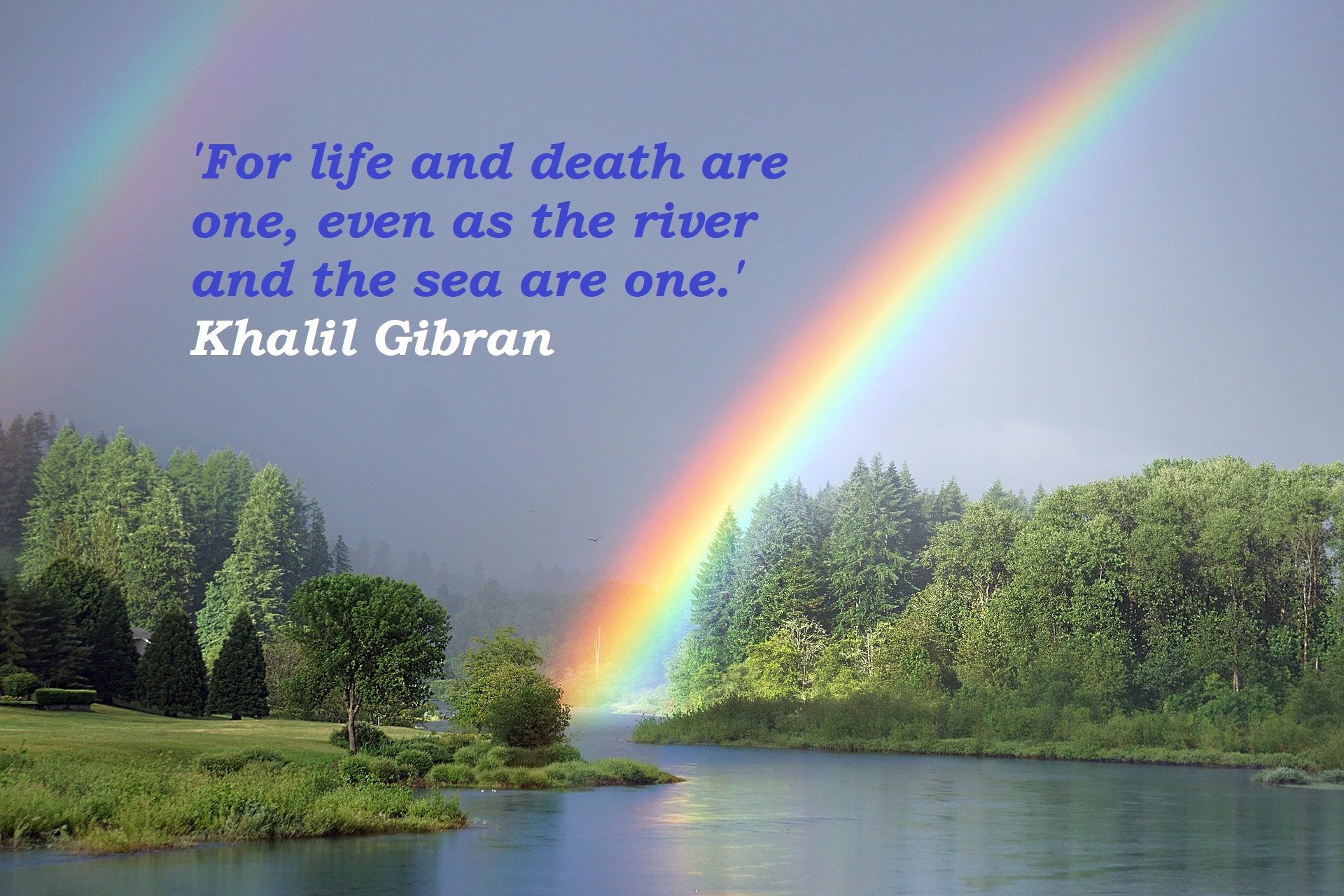
January 28, 2021, Special Collection Challenge prompt: In 99 words (no more, no less), write a story about life as a river of consciousness. Think about the possibilities of the prompt. Go where the prompt leads! Respond by February 11, 2021.
The 99-word entries to this Carrot Ranch Special Collection Challenge will be presented to Sue Vincent on February 17. If you want to take part and be included in this special collection, respond using the formHERE.
I regularly reread Jane Eyre by Charlotte Bronte. Sometimes the whole book, other times passages and it never gets old! There’s always something new I notice or think about. As this blog is called Rereading Jane Eyre and all my novels so far were directly influenced by Jane Eyre I thought I’d share my latest rereading on my blog this time.
But the question I asked myself was, ‘How do I breathe new life into my rereading of Jane Eyre, a novel which has been read and discussed millions of times over the last two centuries?’
Everything I could think of, such as write summaries or opinions of each chapter has already been done. On the other hand, I didn’t just want to write posts for students to pass exams or do their homework, although I’m delighted if students of English or Victorian literature drop by and get some value from my blog, after all, I am/was a teacher (once a teacher always a teacher!)
I also wanted it to be fun for me. Life’s short and wonderful, so I’m only prepared to take on projects I feel passionate about. So how could I bring renewed passion into yet another rereading of the classic?
The solution came to me suddenly, as all my best ideas do.
I enjoy writing flash fiction and I enjoy reading Jane Eyre, so why not combine both?
Photo by No Longer Here. See more of their images on Pixabay
This weekly post will include a flash fiction rewriting of each of the 38 chapters of Jane Eyre. My aim is to condense each chapter to less than 250 words and maintain the tone, style, vocabulary and content of the original novel. At the same time, each flash fiction chapter will be a complete story in itself, to be continued the following week.
The summary is based on the free ebook by planet books which you can find by clicking on the book cover.
Why Flash Fiction?
I’ve been writing flash fiction since I discovered it six years ago, and it’s definitely helped me as a writer by building awareness of the value of making every word count whatever I write. I explain this in greater detail in this post.
Who are these flash fiction chapters for?
Before I answer the question I’d like to encourage you all to read or reread Jane Eyre by Charlotte Bronte, because it’s one of the greatest novels in the English language.
Jane Eyre is on many diverse lists of ‘Best English Novels’ and it has been giving readers all over the world hours of pleasure and inspiration for over 170 years.
However, I do appreciate that Victorian novels are three volumes long and much more slow-paced than 21st century novels, so they are not for all contemporary readers, and yet, if I can create an interest in readers with my flash fiction samples (or my novels), to read the original, that would be fabulous.
Back to the question. These posts are for anyone who has not read the novel and would like to get the feel of it, as well as people who have read it some time ago and don’t remember much, and for anyone who enjoys reading flash fiction.
I will also include a brief commentary on the chapter and some quotes and discussion questions, which may be of value to teachers, students and general readers. My aim is to keep the whole post to between 500-600 words.
So if you’d you’d like to Reread Jane Eyre with me, visit my blog every Friday for #JaneEyreFF posts.
I definitely have too many clothes in my wardrobe.
Some no longer fit, some are no longer fashionable, others are worn out, some I don’t like any more, but even so, I have a hard time getting rid of them.
Am I a hoarder? Perhaps, although I don’t think so…
About twice a year I clear out my wardrobe and make three piles:
Pile one are clothes to throw away, because they’re too tattered.
Pile two are clothes to give away, because someone else could use them.
These two piles are easy enough, it’s the third pile with the items I want to keep which poses problems, because I always keep more than I eventually use. Some have been in the third pile for years and I haven’t worn them for ages. The issue is, how do I decide which items from pile three I should also give or throw away?
One of my best and oldest (not because she’s old, but because I’ve known her since uni) friends, Kumi, swears by Marie Kondo’s decluttering and organisation method.
Marie’s question would be: Which item sparks joy? They all do, that’s why I don’t give them away!
Then Marie suggests thanking the clothes for the joy they brought you and let them go if you no longer need or use them. Sounds good. I might try that, but I have a feeling it’s not going to work.
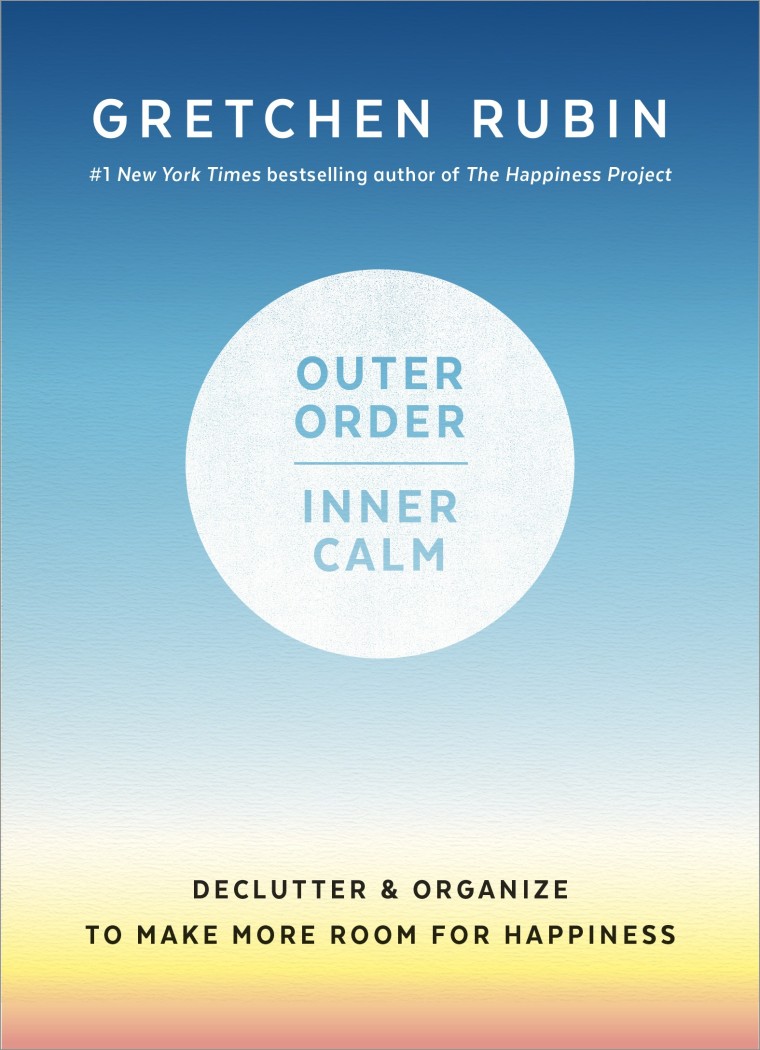
Gretchen Rubin suggests if you can’t decide whether to keep an item of clothing, ask yourself, “If I ran into my ex on the street, would I be happy wearing this?” So, I should be thinking of my ex while I declutter? It sounds odd, as I’ve been married to the same man for forty years. I’d have to go back to someone in my early twenties! That would be a nostalgic trip down memory lane…
Still, Gretchen does have 17 other questions which are very useful in this blog post. I’ll try to seriously declutter my wardrobe next month, as I welcome spring, following her suggestions.
Once I’ve decluttered, another challenge is how to organise the clothes in my wardrobe. I’m still trying to figure out a method for that too! Any tips?
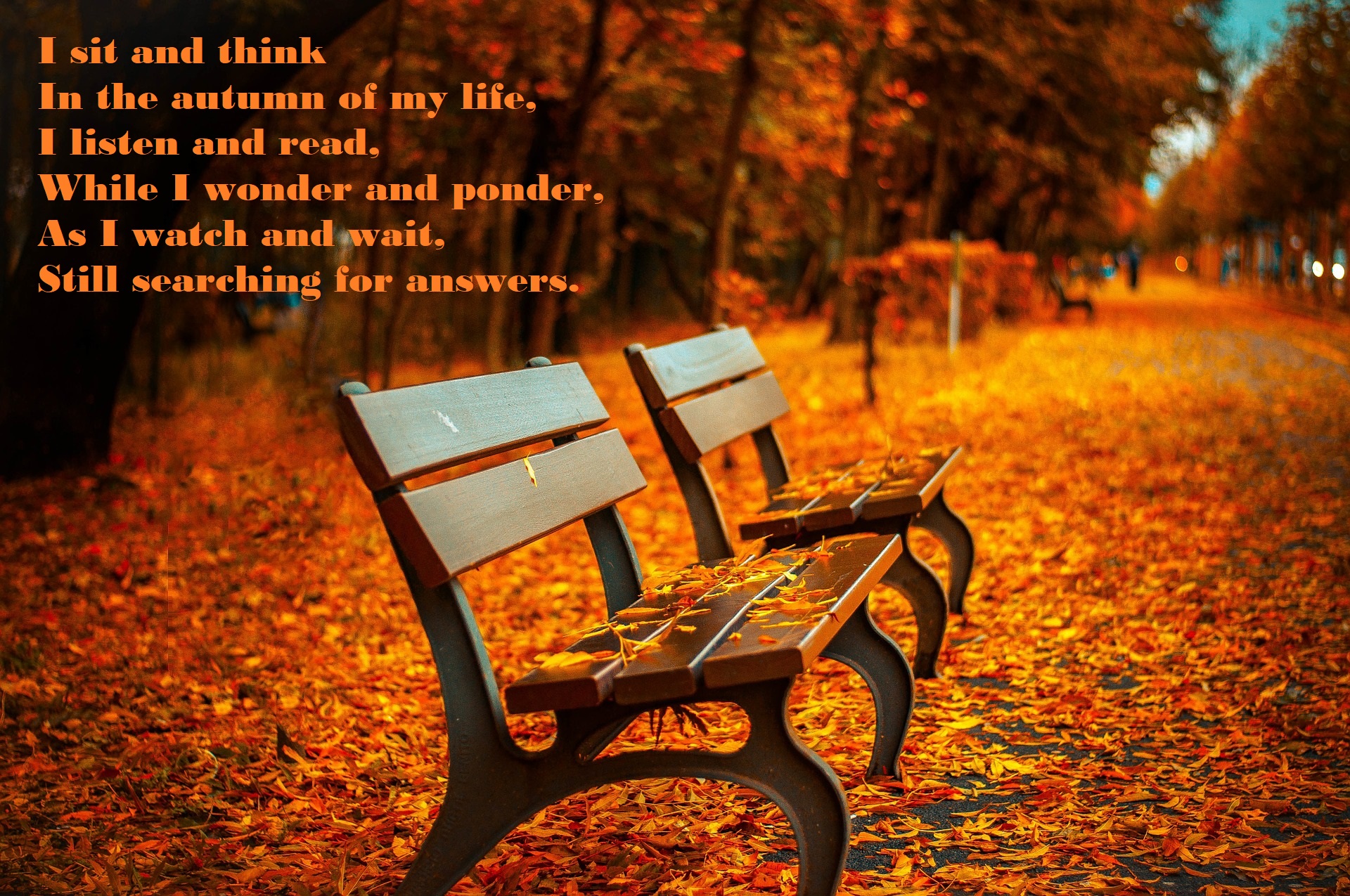
Pixabay is a wonderful site where many generous amateur and professional photographers offer their photos at no cost (there are also photos you have to pay for). I’ll be grabbing one of their photos as a prompt for a #ThursdayPhotoThoughts.
Thursday is a good day for thinking. In fact, it’s the exact middle of the week. Monday, Tuesday and Wednesday have flown by, probably full of work, obligations and general busyness, but Friday, Saturday and Sunday are days we look forward to with joy, because they hold the promise of some free time for relaxation, friendship, family and hobbies. Thursday is an ideal day to stop and reflect. I’m not planning on stream-of-consciousness, because although it’s an unplanned post based on a random picture, I’ll edit my thoughts and words.
Feel free to join in! Grab the hashtag, photo and share your post in the comments. I’d love to read your thoughts.











 Rereading Jane Eyre