Five Reasons not to #Blog if You’re a Writer #BloggersBash2019 #BookBloggers #MondayBlogs

Writers in the dawn of the third millennium have more options to publish, connect and share than any previous generation ever dreamt of, but is blogging worthwhile, or time-consuming and ineffective?

1. Don’t blog if your aim is Isolation. If you don’t want to connect with anyone else, because they might copy or steal your ideas and waste your precious time, blogging’s not for you.

Blogging is for people who want to connect with other writers, readers, and bloggers. Bloggers want to be part of an online community, sharing, learning, being creative, and helping, encouraging and inspiring others.

2. Don’t blog if secrecy and privacy are vital, because if you blog, others might see what you’re doing or find out about your plans.

Blogging is for people who want to make use of the window display to the world which blogging offers. Bloggers want to show others what we think, feel, and write, receive feedback, encouragement, share ideas, maybe inspire other readers, writers and bloggers, too.

3. Don’t blog if you’re an excellent, driven, knowledgeable,  inspired and self-motivated writer who needs no external incentive.

Blogging is for those who aim to improve their writing, because we know it’s an invaluable aid, encouraging us to think about, schedule and hone in on our writing skills, by reading and writing blog posts about our craft.

4. Don’t blog if you’re self-sufficient and self-absorbed. You’ve never needed anyone’s help or advice, and you’re certainly not going to give any away for free.

Blogging is for those who want to become a bigger person by sharing knowledge, opinions, thoughts and work, freely and generously in the blogosphere.

5. Don’t blog if you don’t need virtual friends to have fun, because you have a ‘real’ life with plenty of ‘real’ friends, and you are not interested in meeting, or trust, ‘virtual’ strangers.

Blogging is for those who love meeting other readers and writers, enjoy reading other writers’ opinions, poems, flash fiction, and generally enjoy connecting, networking and interacting with like-minded people. If that’s your idea of fun, the blogosphere is the place for you!

*****


****

This post was written in response to the 2019 Bloggers Bash Blog Post Competition.
#TuesdayBookBlog #BookReview ‘The Cactus’ by Sarah Haywood @SarahxHaywood

The Cactus is another book I discovered thanks to my favourite reviewer, Linda Hill, who reviewed it on Linda’s Book Bag in January.

I love reading humorous, feel good novels and romance, to balance the intensity of the thrillers and dramatic novels I usually read, so after reading Linda’s review, I was sure I’d love The Cactus. The unique and quirky main character, Susan Green, reminded me of Eleanor in Eleanor Oliphant is Completely Fine, one of my favourite novels of 2018, which I reviewed here.

BLURB

People aren’t sure what to make of Susan Green – family and colleagues find her prickly and hard to understand, but Susan makes perfect sense to herself.

Age 45, she thinks her life is perfect, as long as she avoids her feckless brother, Edward – a safe distance away in Birmingham. She has a London flat which is ideal for one; a job that suits her passion for logic; and a personal arrangement providing cultural and other, more intimate, benefits.

Yet suddenly faced with the loss of her mother and, implausibly, with the possibility of becoming a mother herself, Susan’s greatest fear is being realised: she is losing control. And things can only get worse … at least in Susan’s eyes.

****

My Review

The Cactus is a wonderful and uplifting novel with an unlikely, quirky and lovable heroine, Susan Green, who is coping with her mother’s death, litigation regarding the will, as well as serious personal issues (I don’t want to include spoilers). In spite of her world imploding, she’ll find her silver lining in the most unlikely places and situations.

It’s a novel about family secrets and domestic strife, and how honesty and goodness can overcome the most negative situations. I read it in an afternoon – evening (finished in the early hours), because I just couldn’t put it down. Fortunately, it was another blissfully lazy, winter Sunday, ideal for cosy reading by the fireplace.

Susan, who tells her story in the first person, is a fascinating woman, who captivates the reader with her honesty and humour, from page one. The rest of the secondary characters who interact with Susan are also believable and engaging, and the plot is clever. It’s set mostly in London and Birmingham, so it has a very English feel to it.

I highly recommend it to readers who enjoy well written, feel good novels with unique characters. It will make you laugh, cringe and cry, right up to the heart-warming ending. A delight to read!

And it’s a real gift at its present, very low price, of well under the cost of a coffee for the kindle version, which I read, and a few more pounds/dollars/euros for the paperback, which I’m getting for my bookshelf, because I know I’ll be rereading it.

US Buy link

UK Buy link

Read more of my #TuesdayBookBlog reviews.


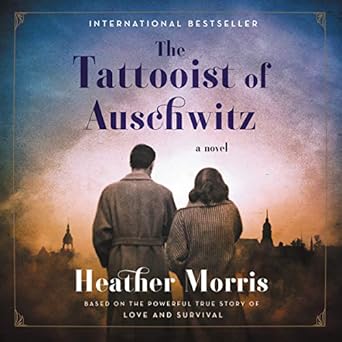
#TuesdayBookBlog #BookReview ‘The Tattooist of Auschwitz’ by Heather Morris @Audible

I’d heard about this novel when it first came out, but it was after recently listening to an interview by Richard Armitage, who is the narrator on Audible, that I decided to purchase it with my monthly credit, and I’m so glad I did. The Tattooist of Auschwitz is more than a book, it’s an emotional experience.

BLURB

In April 1942, Lale Sokolov, a Slovakian Jew, is forcibly transported to the concentration camps at Auschwitz-Birkenau. When his captors discover that he speaks several languages, he is put to work as a Tätowierer (the German word for tattooist), tasked with permanently marking his fellow prisoners.

Imprisoned for over two and a half years, Lale witnesses horrific atrocities and barbarism—but also incredible acts of bravery and compassion. Risking his own life, he uses his privileged position to exchange jewels and money from murdered Jews for food to keep his fellow prisoners alive.

One day in July 1942, Lale, prisoner 32407, comforts a trembling young woman waiting in line to have the number 34902 tattooed onto her arm. Her name is Gita, and in that first encounter, Lale vows to somehow survive the camp and marry her.

A vivid, harrowing, and ultimately hopeful re-creation of Lale Sokolov’s experiences as the man who tattooed the arms of thousands of prisoners with what would become one of the most potent symbols of the Holocaust, The Tattooist of Auschwitz is also a testament to the endurance of love and humanity under the darkest possible conditions.


****

My Review

The Tattooist of Auschwitz is one of the most emotional love stories I’ve ever read. It’s about Lale and Gita, both from Bratislava, who meet and fall in love in a concentration camp in Poland.

It’s the story of Lale’s resourcefulness, strength, tenacity, goodness and love for Gita, during the three years they spent in the camp, and how he found her again when they lost touch after leaving Auschwitz.

It’s also about the horrors of war, the cruelty humans are capable of, and the need to take risks and compromise in order to survive.

The struggle for survival in extreme situations is complex and unimaginable for those who have never experienced it. The emotional and psychological cost of that survival is just as unimaginably distressing, and also comes across in the narrative. 

Yet the end of the novel, the epilogue and their son’s testimony, makes it ultimately an uplifting novel, because there is more gratitude and faith in the future than bitterness or desire for vengeance about the past.

In the end it’s not a novel about war or evil, it’s about the power of love.

Did I tell you I listened to the audio version brilliantly read by Richard Armitage?

US Buy link

UK Buy link

Read more of my #TuesdayBookBlog reviews.


#Writephoto ‘Tranquil Music’ #Haiku #Poetry #MondayMotivation

Tranquil Music

Ancient trees crouching

Over calm waters rippling

Listen to their song

****

This post was written in response to Sue Vincent’s weekly photo prompt

#writephoto

#SilentSunday Sunrise #haiku

Sunrise

Sun breaks into sky

New day rises from ocean

Dream’ s one step closer

****

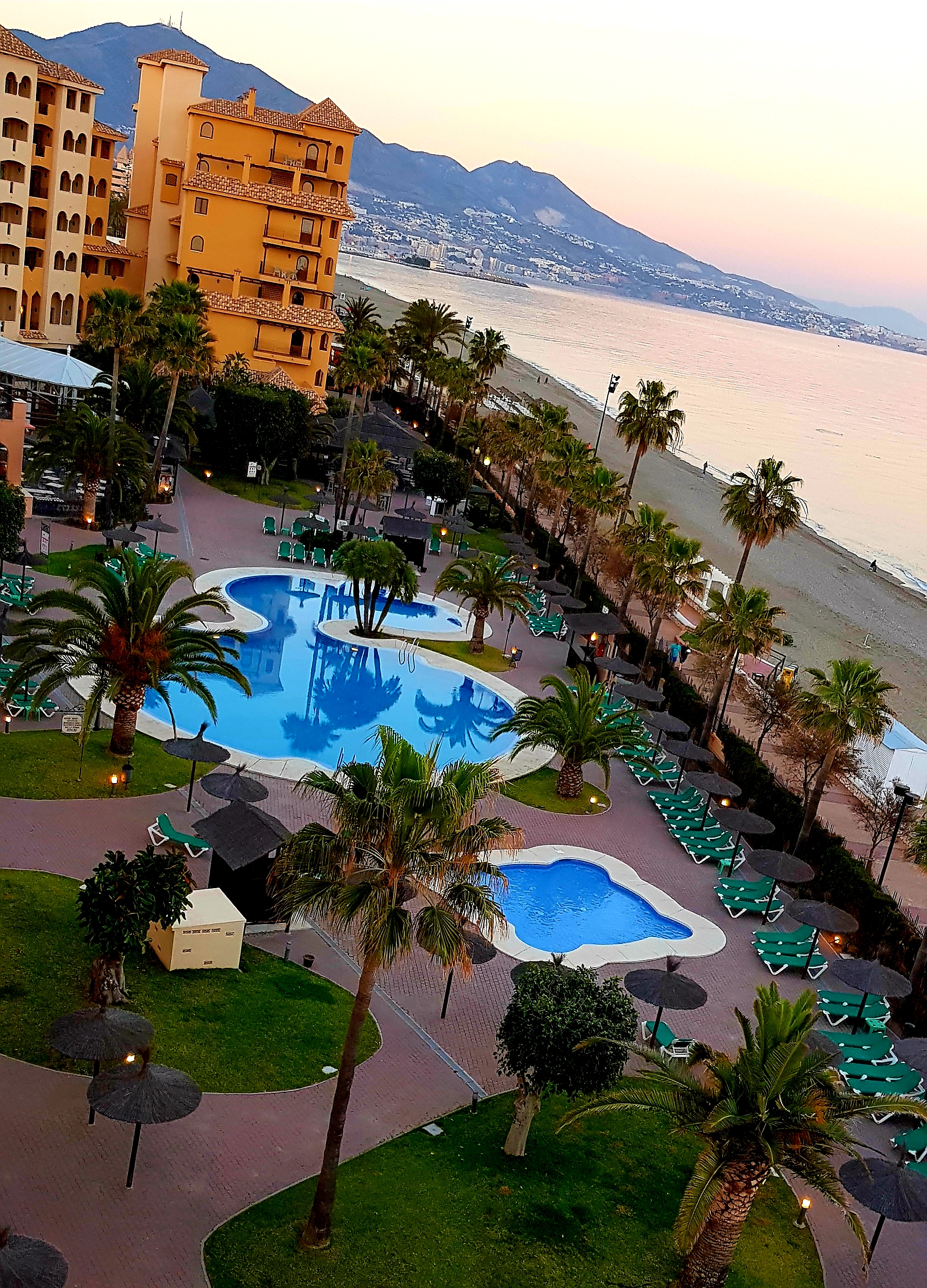
Photos taken from my hotel room at IPV Spa in Fuengirola this morning.


#IWSG POV: Protagonist or Antagonist? @TheIWSG #amwriting #WWWBlogs

This post was written in response to the Insecure Writer’s Support Group monthly (first Wednesday of every month) blog hop to where writers express thoughts, doubts and concerns about our profession.

Let’s rock the neurotic writing world! Our Twitter handle is @TheIWSG and hashtag is #IWSG

The co-hosts for the March 6 posting of the IWSG are Fundy Blue, Beverly Stowe McClure, Erika Beebe, and Lisa Buie-Collard!

  • March 6 question Whose perspective do you like to write from best, the hero (protagonist) or the villain (antagonist)? And why?

insecure-writers-support-group-badge

I definitely prefer first person point of view of the protagonist, as a reader and as a writer. My favourite novels, when I started reading adult fiction, in my teens, such as, Jane Eyre, Wuthering Heights, David Copperfield, and Rebecca, to name a few, were written in this fashion.

The first person narrator, whether he or she is protagonist or antagonist, has the powerful advantage of speaking directly to the reader, but on the other hand, he or she also has the enormous disadvantage of limited knowledge and bias.

The first person narrator cannot be everywhere or be aware of everything the reader would like to know. Moreover, he or she is necessarily biased due to gullibility, innocence, ignorance, physical, or psychological problems, or he or she can be downright evil and purposefully lead everyone along the wrong path, which is usually the case of the antagonist as first person narrator.

The question posed, implies that only one narrator is possible, and that he or she is either protagonist or antagonist, but there are many more options available to the writer. There could be more than one point of view, and more than one protagonist and or antagonist, or the protagonist and antagonist could even be the same person at the same or different stages of his/her life.

The first time I read a novel with various first person narrators was Laura, by Vera Caspary, also in my teenage years. I remember being pleasantly surprised, as a reader, by two aspects, the multiple first person narrators and the presence of unreliable narrators, including the antagonist.

In one of my ‘A’ level texts, The Fall, Camus’ manipulative first person narrator, Jean-Baptiste Clamence, whose long series of monologues is a confession and reflection of his life, to a stranger he calls, ‘cher ami’, thus, mostly using the second person ‘you’. He is also both protagonist and antagonist, as he finally turns the mirror on his patient and unsuspecting listener/reader.

The options are endless. In my case, I’ve published three books and written five (two will hopefully be published this year), and all of them have multiple, first person narrators, including protagonist and antagonist.

Although I don’t mind reading novels written in third person, I can’t see myself doing so. I would especially avoid third person omniscient narrators, mainly because I think it’s all too easy to fall into the trap of manipulating characters, events and readers. I prefer to allow my characters and readers more space to grow and reconstruct their own novel.

I overcome the hurdles inherent to first person narration, at least partly, by having more than one first person narrator, which I believe gives the novel wider scope and perspective.

The Eyre Hall Trilogy has several, rotating first person narrators, and although some readers have complained, most readers have positive opinions. The use of various first person voices is innovative and enriching, but it’s by no means easy to juggle so many characters at once, and it’s not something I’m planning on doing again, at the moment.

My two latest, unpublished novels, both have only two points of view. In one case it is the protagonist and the antagonist, and in the second case a mother and daughter, who are both protagonists. So far, beta readers have responded favourably, and I’m satisfied with the end product, although, one still has to go through the final draft and editing stage.

I think two narrators give enough scope for multiple perspectives to allow readers more space to interact with the narrative.

I will probably experiment with other viewpoints in the future. As I said, I enjoy many  different points of view as a reader, but for the moment, I plan to continue writing novels with, at least, two first person points of view.

Thanks for stopping by and don’t forget to like and/or leave a comment 🙂

What about you, how many and whose point(s) of view do you prefer as a reader and as a writer?

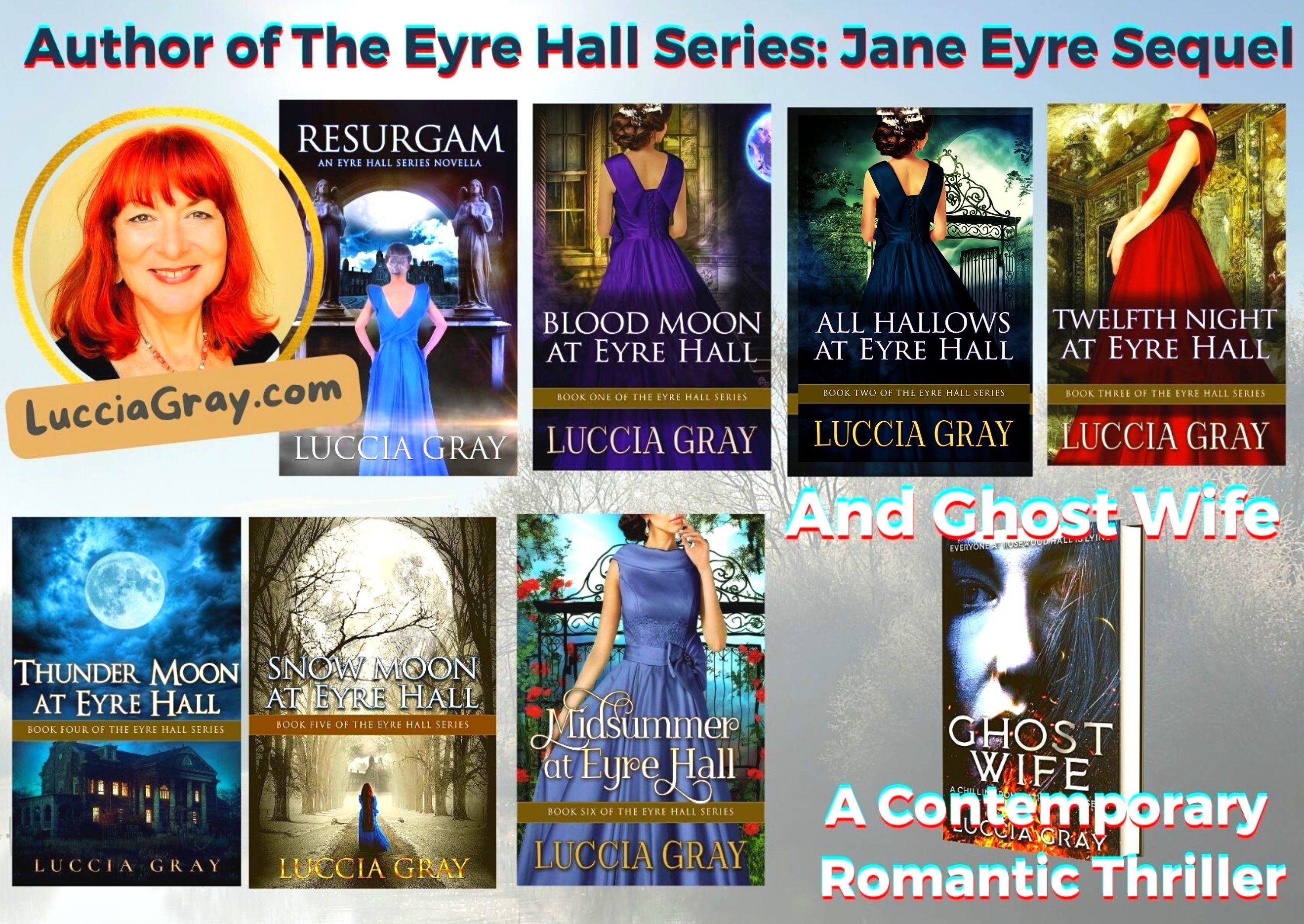
Follow Luccia Gray on Social Media:

Twitter

Facebook

Goodreads

Check out Luccia Gray’s Books on Amazon 


#WorldBookDay ‘Stories make your heart grow’ #amreading #Audible

Readers enjoy all sorts of stories, but what makes a book outstanding, instead of enjoyable? 

Imagen relacionada

A book becomes outstanding instead of enjoyable if it’s ‘Written from the heart’ with the aim of ‘Reaching other hearts’.

I recently wrote a short post about ‘Writing from the heart’ and my conclusion is that the key is to: Write with passion about a meaningful issue.

I am convinced the world needs, has always needed and will always need, uplifting stories about wonderful, yet ordinary people, who struggle and survive.

The world’s a harsh place and we are all aware of the limited time we’ll be spending here, especially compared to the thousands of years we’ve heard about, but haven’t experienced, so we appreciate stories that remind us of our history and fill our hearts with hope for the future.

At the moment I’m in the middle of reading, or rather listening to, an outstanding book, The Tattooist of Auschwitz.

We were all told about WWII in our history classes at school, but it’s the novels and films of the period that reach our hearts and help us understand what happened and must be avoided at all cost.

And yet The Tattooist of Auschwitz is not only about events which took place in WWII. It’s about hope, the struggle for survival, the strength that lies in love and gratitude, and the value of the combined effort of many, as well as the power of positive leadership.

Lale could not have survived, or accomplished anything on his own. He needed the help and support of many others, and they needed a leader, an intelligent and compassionate organiser to manage and synchronise their combined efforts.

I’ll be writing a proper review when I finish listening, but at the moment I can say, The Tattooist of Auschwitz is a beautifully written story which connected directly to my heart.

The Tattooist of Auschwitz is an outstanding novel, for adults. Another outstanding novel, I read some time ago and is more suitable for younger readers, is The Boy in the Striped Pyjamas. 

The Boy in the Striped Pyjamas by [Boyne, John]

Happy World Book Day!

Tell us, which is the most outstanding novel you’ve recently read?


Cee’s Black & White #Photo Challenge: Tender Moments #Haiku

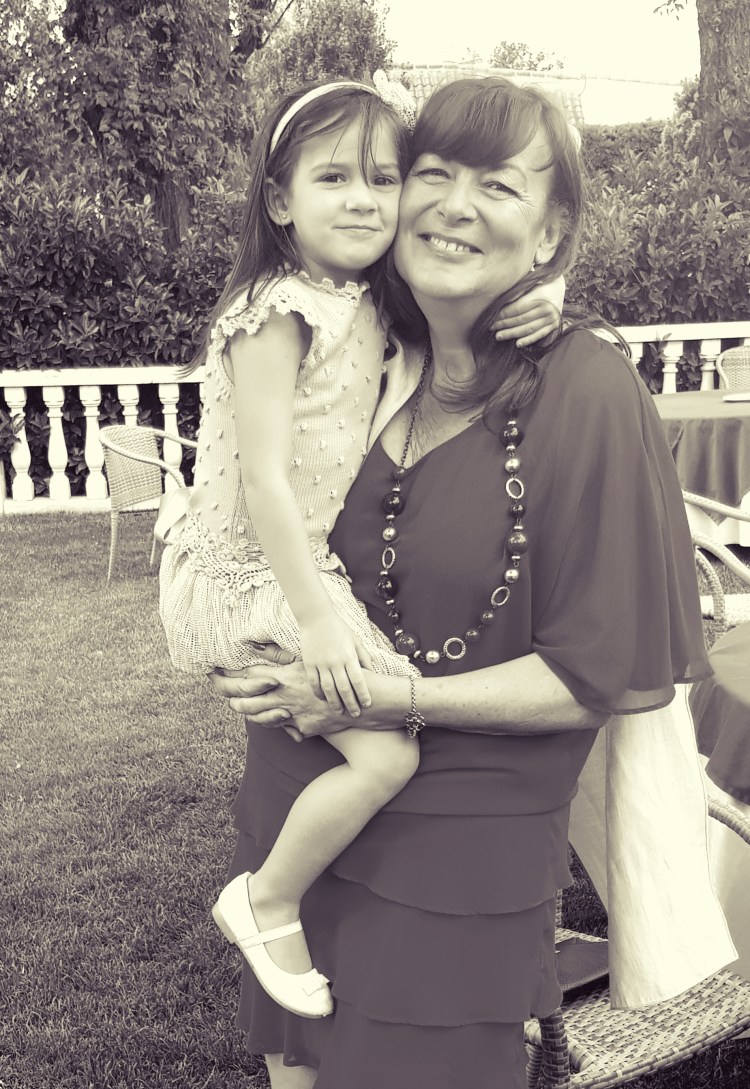
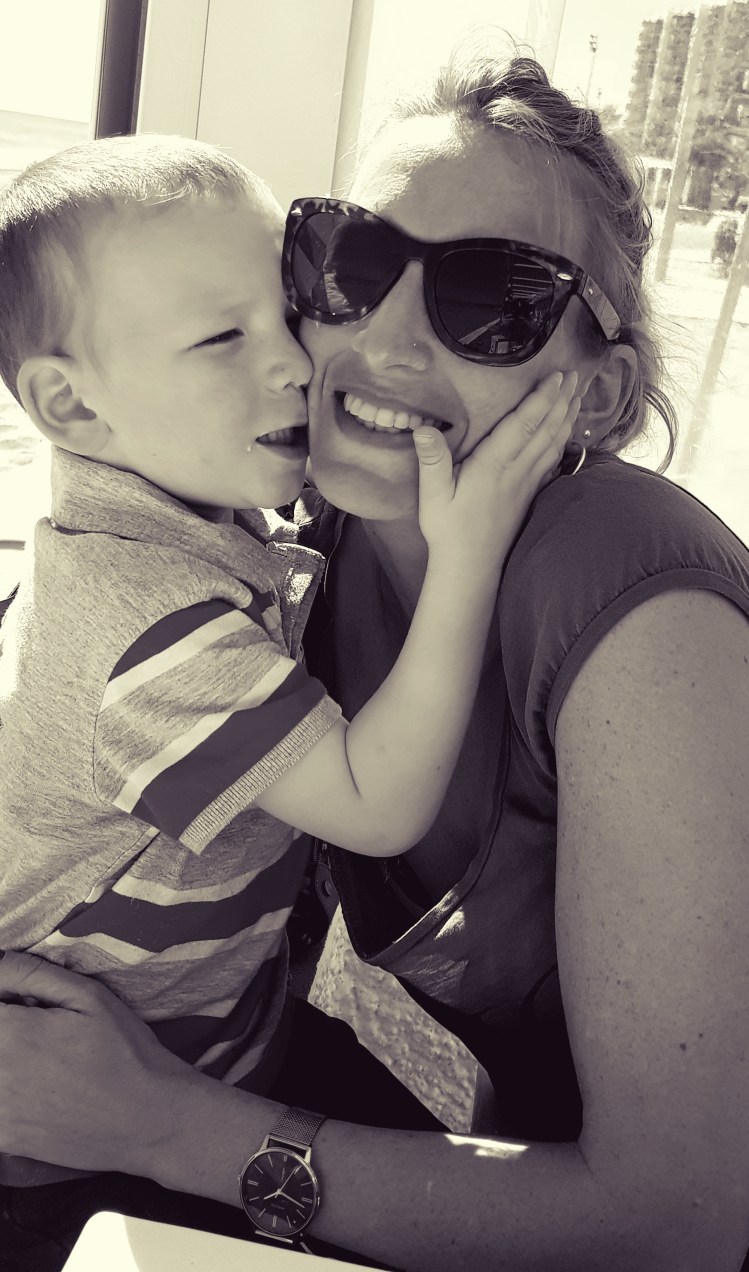
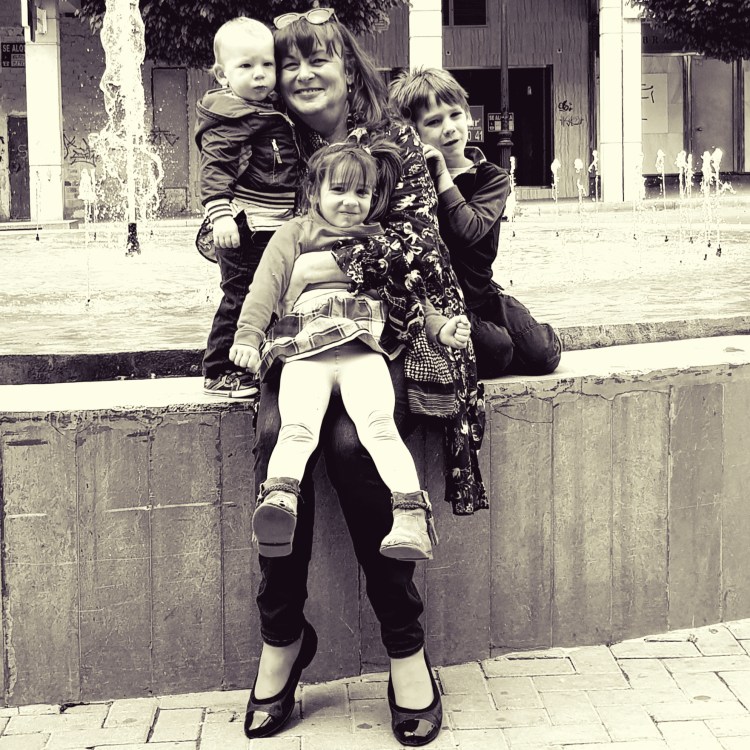
This post was written in response to Cee’s Black & White Photo Challenge: Tender Moments. Join in here.

Unconditional

Love. Unforgettable hugs.

Life’s tender moments

****