#JaneEyreFF Rereading Jane Eyre in #FlashFiction #Chapter7 #VictorianFiction #CharlotteBronte

Jane Eyre in Flash Fiction Chapter 7

Chapter VII Mr Brocklehurst’s Visit to Lowood

My first quarter at Lowood was an irksome struggle as I habituated myself to new rules and unwanted tasks. The deep snows of January, February, and March, meant impassable roads which prevented our stirring beyond the garden walls, except to go to church which was even colder than Lowood. Our clothing was insufficient to protect us from the severe cold: we had no boots, the snow got into our shoes and melted there: our ungloved hands became numbed and covered with chilblains, as were our feet.

The scanty supply of food was distressing: with the keen appetites of growing children, we had scarcely sufficient to keep alive a delicate invalid. This deficiency of nourishment resulted an abuse, the older girls would coax or menace the little ones, like me, out of their portions.

Mr. Brocklehurst’s first visit occurred a month after my arrival. I dreaded that he had come to keep the promise he pledged to my aunt to apprise Miss Temple and the teachers of what he described as my vicious nature.

I was near enough to hear him complain to Miss Temple that we were getting extra clothes, bread and cheese without his authorisation.

‘Madam, You are aware that my plan in bringing up these girls is, not to accustom them to habits of luxury and indulgence, but to render them hardy, patient, self-denying, encouraging them to evince fortitude under temporary privation, such as the torments of martyrs and the exhortations of our blessed Lord Himself who said. ‘If ye suffer hunger or thirst for My sake, happy are ye.’

He then turned his wrath on Julia Severn. “Why is her red hair worn in a mass of curls? Their hair must be arranged modestly and plainly. That girl’s hair must be cut off entirely.’

Mr. Brocklehurst was here interrupted by three other visitors, his wife and daughters, splendidly attired in velvet, silk, and furs. The elder lady was enveloped in a costly velvet shawl, trimmed with ermine, and she wore a false front of French curls.

I had sat well back and held my slate up to conceal my face, but it slipped from my hand and fell with an obtrusive crash.

‘Let the child who broke her slate come forward!’ said Mr Brocklehurst.

When I stepped forward, he told someone to fetch a stool and I was placed there, hoisted up to the height of his nose.

‘Ladies,’ said he, turning to everyone. ‘It is my duty to warn you, that this girl is an interloper and an alien. You must be on your guard against her, avoid her company, exclude her from your sports, and shut her out from your converse. Teachers, you must watch her: keep your eyes on her movements, weigh well her words, scrutinise her actions, punish her body to save her soul: if, indeed, such salvation be possible, this girl is a liar! Let her stand half-an-hour longer on that stool, and let no one speak to her during the remainder of the day.’

There was I, then, mounted aloft, in the middle of the room, exposed to general view on a pedestal of infamy.

Helen Burns passed by me, lifted her eyes, smiled and like an angel gave me her courage and strength to lift up my head, and stand firmly on the stool.

This image has an empty alt attribute; its file name is jane-on-stool.1-1.jpg

In this chapter we are informed that Jane is living in an inhospitable Lowood, suffering from extreme cold, and she is unhappy following many rules and carrying out unwanted tasks. She is also being underfed and bullied by the older girls who steal their meagre portions of food.

Mr Brocklehurst’s visit is devastating. Jane is insulted, defamed, humiliated and ridiculed in front of all the school, on a ‘pedestal of infamy’. Fortunately, she received courage from her friend, Helen Burns, to endure the ordeal.

Mr Brocklehurst’s splendidly attired daughters are a striking contrast to the poor, underfed and skimpily dressed girls at Lowood. Another minor detail, which I have included because of its significance, is that fact that Mr Brocklehurst orders Julia Severn’s curls to be cut off, while his wife is wearing ‘a false front of French curls’. Perhaps the curls will be used to make a wig for his wife?  

The way the clergyman uses the name of ‘The Blessed Lord’ to justify the cruelty with which he expects the girls at Lowood to be treated, makes him a major villain in the novel. Although he has a minor role, he is the most despicable character and the greatest villain in the novel, much worse than her Aunt Reed, because he has been gravely mistreating all the girls at Lowood for years, for his own financial gain. 

The plot thickens. Jane finds herself in a cruel and unjust situation once again. What will happen now? How will she move forward or out of the new pit she has been thrust into?

The summary is based on the free ebook by planet books which you can find here.

I’ll be posting a chapter of Jane Eyre in flash fiction every Friday. If you’re wondering why, read all about it here.

If you’d you’d like to Reread Jane Eyre with me, visit my blog every Friday for #JaneEyreFF posts.

See you next week for chapter 8!

Images from Pixabay

#ThursdayPhotoThoughts ‘Invincible’ #March2021 @Pixabay #Haiku #ThursdayMotivation

Today I needed a WAM Morning, that is my Water And Music therapy. Step 1: I get up and jump into the shower while my favourite motivating song/s of the moment are playing, loud enough to block out my terrible singing!

The songs vary depending on my mood. Today it was The Champion sung by Carrie Underwood on replay, and by the time I went downstairs for Step 2: my first cup of tea, I already felt energised. I did 7 minutes of quick exercises, stretches and breathing while the water boiled, as usual. Step 3: I then carried my tea into my study and write my morning pages in my journal, again as usual.

I don’t follow any set rules for my morning pages; I freewrite whatever I need to say to myself or get off my chest, or what I’ve dreamed of, or what I’m worried or happy about, for no longer than ten minutes. I have a busy day ahead, so there’s no point in wasting more time than is strictly necessary on brooding or daydreaming.

And now I’m ready for Step 4: to face the day with a big smile on my face!

What do you do to bring a smile to your face on a challenging morning?

All pictures from pixabay and all thoughts my own, although I’m sure someone has already expressed some of them.


#SilentSunday ‘Opposites: Stormy and Quiet Sky’ #OneWordSunday #haiku

Stormy, vibrant clouds,

Grey and golden hues battle

In the evening sky.

Pink on blue, some green,

Bright, spring day, all is quiet,

Not a cloud in sight.

This post was written in response to the One Word Sunday challenge on Debbie Smyth’s blog, Travel with Intent. Pop over and join in!

#SoCS Stream of Consciousness Saturday ‘Stay Calm’ #SaturdayThoughts

This post was written in response to Linda Hill’s weekly Stream of Consciousness Saturday prompt. 

This week’s prompt for Stream of Consciousness Saturday Linda has asked us to use a word starting with the letters “cal” as our prompt word. Join in and have fun!

****

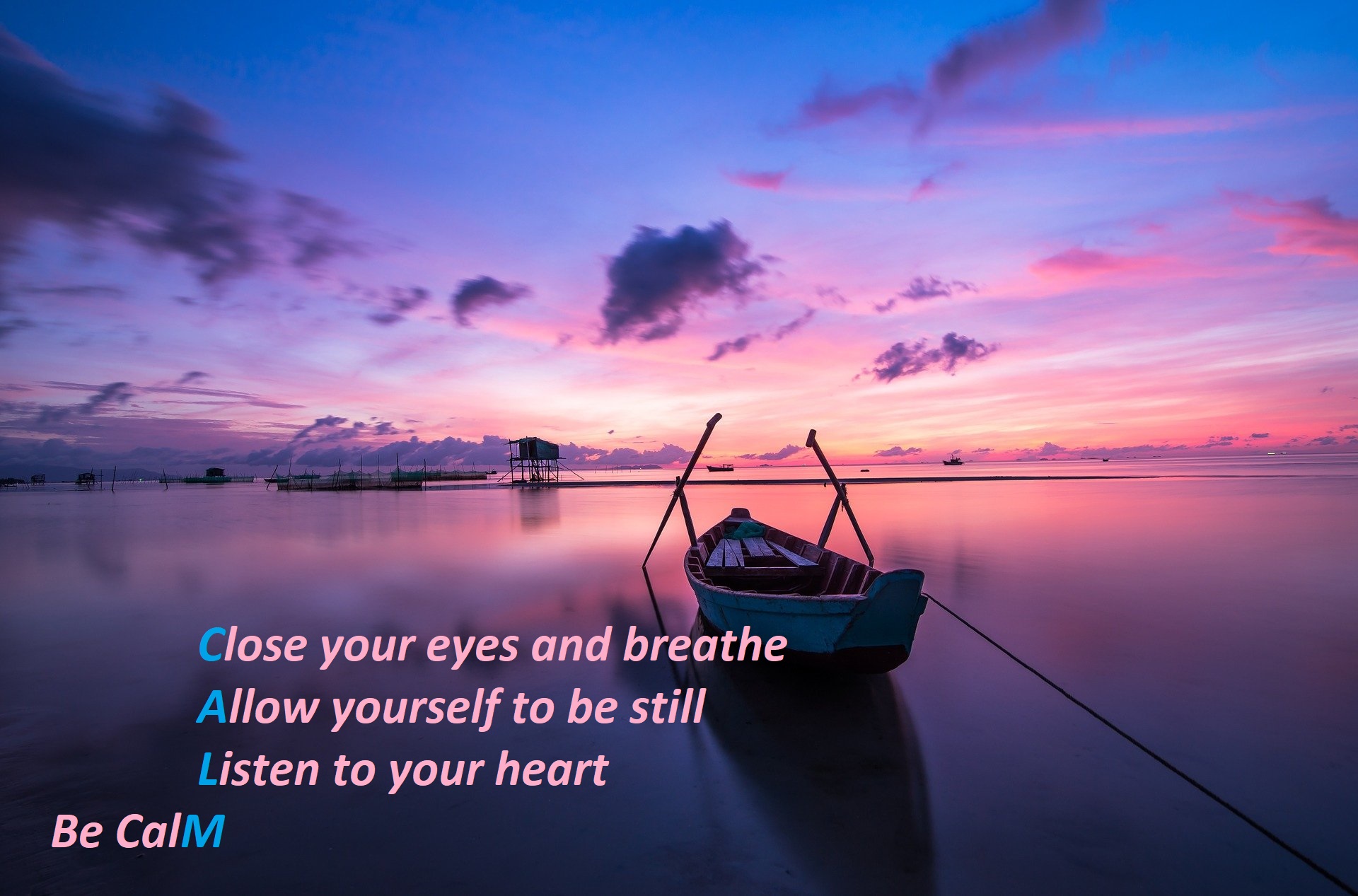
Stay Calm

Calm is a word which has become one of my favourites. Every day is full of tiny problems which give could lead to disaster if I don’t find a solution. A broken washing machine, losing my car keys, forgetting my best friend’s birthday, a toothache, a traffic jam which makes me late to an important appointment, a bad hair day…

On any day, so many little things can go wrong and cause havoc, but if I react by losing my nerves, which I sometimes do, it only makes matters worse. On the other hand, I can usually find simple solutions to most small, daily problems if I react calmly.

Machines can be repaired, if it’s urgent I can access a dry cleaners or laundromats, hairdresser’s, dentists, or an Uber. If I calm down, I can find most misplaced objects (once I put the keys in the freezer and found them retracing my steps!). A heartfelt apology or an honest excuse will often work wonders when I’ve made a mistake. Responding to a rude client (in my case student) with more rudeness or anger will only increase the problem, calm them down or ask them to leave. But if I’m worked up, the solution to even the simplest problem becomes impossible.

So how do I calm down when I’m feeling hysterical? The following simple activities take between 2 and 10 minutes and I find they usually help me relax.

1- Controlling my breathing does wonders, I love the breathing technique recommended by Dr Chatterjee; three in, hold for four and breathe out in five, then repeat until I feel calmer.

2- If I can, I find a quiet spot and close my eyes, and breathe slowly and visualise the problem and think of a solution.

3- I’m a great believer in the power of writing lists, so just sitting down for a few minutes and writing a list of possible solutions, also helps.

4- Asking for help. If I can’t solve it myself, I think about who I could phone and ask for help.

How do you keep calm? 

#JaneEyreFF Rereading Jane Eyre in #FlashFiction #Chapter6 #VictorianFiction #CharlotteBronte

Jane Eyre in Flash Fiction Chapter 6

My First Conversation with Helen Burns

The north-east wind, which whistled through the crevices of our bedroom windows all night long, had frozen the water in our pitchers. After an hour and a half of prayers and Bible-reading, I felt ready to perish with cold. I was grateful for today’s meagre portion of unburnt porridge, but I was still hungry.

Three months had passed; it was March. Being little accustomed to learn by heart, the morning lessons appeared to me both long and difficult and the frequent change from task to task, bewildered me.

In the afternoon, as I sat in a quiet corner of the schoolroom doing needlework, I watched Miss Scatcherd make a girl called Burns the object of her constant scolding.

‘You dirty, disagreeable girl!’ she said and inflicted on her neck a dozen strokes with the bunch of twigs.

After classes, I saw the girl reading a book by the dim glare of the embers.

‘Is it still ‘Rasselas’?’ I asked.

‘Yes, and I have just finished it.’

‘What is your name besides Burns?’

‘Helen.’

‘Do you come a long way from here?’

‘I come from the borders of Scotland.’

‘Will you ever go back?’

‘I hope so; but nobody can be sure of the future.’

‘You must wish to leave Lowood?’

‘No! I was sent to Lowood to get an education.’

‘But Miss Scatcherd, is so cruel to you.’

‘She dislikes my faults.’

‘If she struck me with that rod, I should get it from her hand; I should break it under her nose.’

‘If you did, Mr. Brocklehurst would expel you from the school. It is far better to endure patiently, than to commit a hasty action whose evil consequences will extend to all connected with you; and besides, the Bible bids us return good for evil.’

‘But it is disgraceful to be publicly flogged.’

‘I am careless, and I forget rules. I provoke Miss Scatcherd, who is naturally neat, punctual, and particular.’

‘Is Miss Temple as severe to you as Miss Scatcherd?’

At the utterance of Miss Temple’s name, she smiled. ‘Miss Temple is full of goodness; she sees my errors and tells me of them gently; and, if I do anything worthy of praise, she gives it to me.’

‘If we are struck at without a reason, we should strike back again very hard, so hard as to teach the person who struck us never to do it again.’

‘You will change your mind, I hope, when you grow older.’

‘I must resist those who punish me unjustly.’

‘Heathens and savage tribes hold that doctrine, but Christians and civilised nations disown it.’

I could not comprehend this doctrine of endurance. ‘How?’

‘It is not violence that best overcomes hate—nor vengeance that most certainly heals injury.’

‘What then?’

‘Read the New Testament, and observe what Christ says, and how He acts; make His word your rule, and His conduct your example.’

‘What does He say?’

‘Love your enemies; bless them that curse you; do good to them that hate you and despitefully use you.’

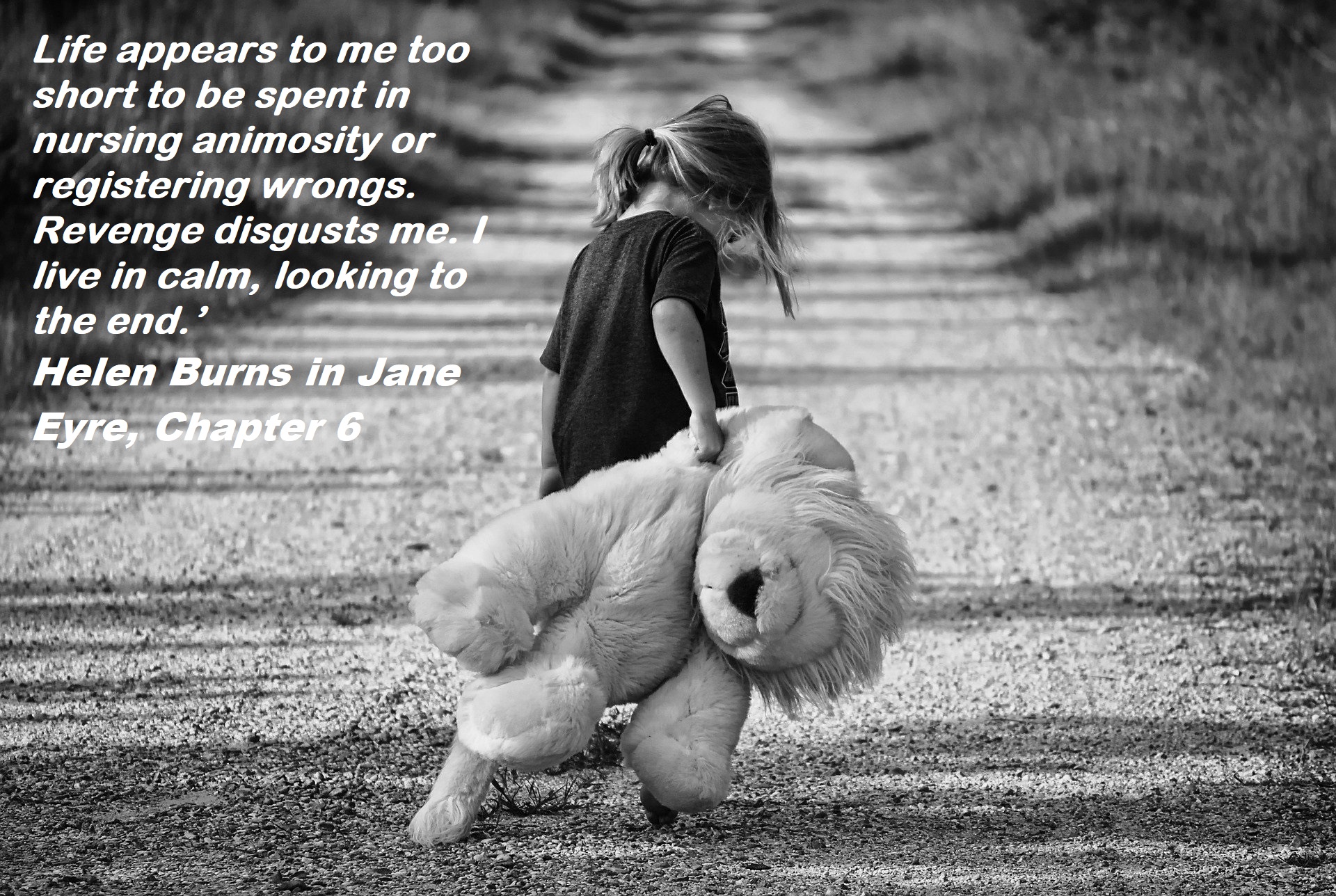
Helen listened patiently as I told her about my aunt’s cruelty. ‘Would you not be happier if you tried to forget her severity, together with the passionate emotions it excited? Life appears to me too short to be spent in nursing animosity or registering wrongs. Revenge disgusts me. I live in calm, looking to the end.’

A monitor, a great rough girl, interrupted us, exclaiming, ‘Helen Burns, if you don’t put your drawer in order, I’ll tell Miss Scatcherd to come and look at it!’

Helen sighed and obeyed without reply as without delay.

In this chapter Jane is an angry, bitter child who hates the world and is on a crusade against injustice, but Helen, who is a few years older and has a calmer character, teaches her that it is better to adopt Christian values, not hold grudges or hate, and bear whatever life sends your way.

At this point, Jane doesn’t agree with her new friend, but as the novel progresses, she will adopt some of Helen’s ideas, for example, she will eventually forgive her aunt on her deathbed.

The chapter also brings up an interesting debate on education and the merits of strict discipline versus kindness and understanding. Miss Temple prefers a sympathetic approach, while Miss Scatcherd’s teachings force Helen to face her shortcomings by using humiliation and violence. Jane prefers the first approach and Helen the second. We will soon see, when Jane is a teacher, which one of the two prevails.

Regarding Helen’s stoic philosophy, it is influenced by the Bible and Rasselas, a philosophical novel published in 1759 by Samuel Johnson.

Rasselas is the Prince of Abyssinia, who lives a life of luxury in Happy Valley, but at 26, bored with his pleasurable but unhappy life, he decides to travel the world and discover whether it’s possible for mankind to attain happiness. He finally returns to his Happy Valley and accepts that life on earth is not meant to be happy.

Rasselas has realised that the search for happiness on Earth is futile. Everyone is unhappy regardless of their circumstances and situation. Consequently, Man should search for God by focusing on one’s immortal soul, and thereby reach eternal happiness after death.

Helen is telling Jane that happiness does not depend on external circumstances, but that it is within ourselves. The kindness or cruelty we are subject to are merely different means to the same end: self-improvement or godliness. We must try to be the best version of ourselves in whichever circumstances we live by following the dictates of Christianity; ‘Love your enemies; bless them that curse you; do good to them that hate you and despitefully use you.’ Because heaven will recompense you after death, as she says, ‘looking to the end.’

This is a fascinating and intense chapter with a profound discussion on education, happiness, and the meaning of life, bearing in mind that Jane is ten years old, although Helen is a few years older. Jane has not yet read Rasselas, although as it seems to be a required text at Lowood and she will read it in the future. As the novel progresses, Jane will tame her rebellious nature, although she will never be as meek and submissive as Helen.

The summary is based on the free ebook by planet books which you can find here.

I’ll be posting a chapter of Jane Eyre in flash fiction every Friday. If you’re wondering why, read all about it here.

If you’d you’d like to Reread Jane Eyre with me, visit my blog every Friday for #JaneEyreFF posts.

See you next week for chapter 7!

Images from Pixabay
#ThursdayPhotoThoughts ‘The Sun Will Rise’ #March2021 @Pixabay #Haiku #ThursdayMotivation

Even the darkest night will end and the sun will rise.  Victor Hugo, Les Misérables, 1862. 

After darkest night

Sun will rise on horizon

Bringing light and warmth 

****

We cannot avoid dark nights, there will be one every day, as surely as the sun will rise. As the sun sets, the night gradually darkens until ‘the darkest moment is just before dawn’.

Black night will descend,

Dawn will break darkest moment,

Hope will rise like sun.

We cannot avoid loss, any more than we can avoid the night, but we can be comforted with the fact that daylight will always follow.  

Avoiding loss means avoiding love. If we do not love we will not mourn any loss, but it would be a loveless life.

Some philosophers like Heidegger suggest that as our being is finite, then an authentic human life can only be found by confronting our mortality and trying to make a meaning out of the fact of death. In this case, the acceptance of our mortal limitation is the basis for an affirmation of our life.  

And while we carry our pain like a backpack full of bricks, we must make a conscious effort to gradually lighten our load and live each moment mindfully, not only to be alive.

Advice and suggestions for coping with loss here in my post on ‘6 Ways to recover from grief.’ 

All pictures from pixabay and all thoughts my own, although I’m sure someone has already expressed some of them.

#WordlessWednesday ‘Shades of Pink’ #tanka

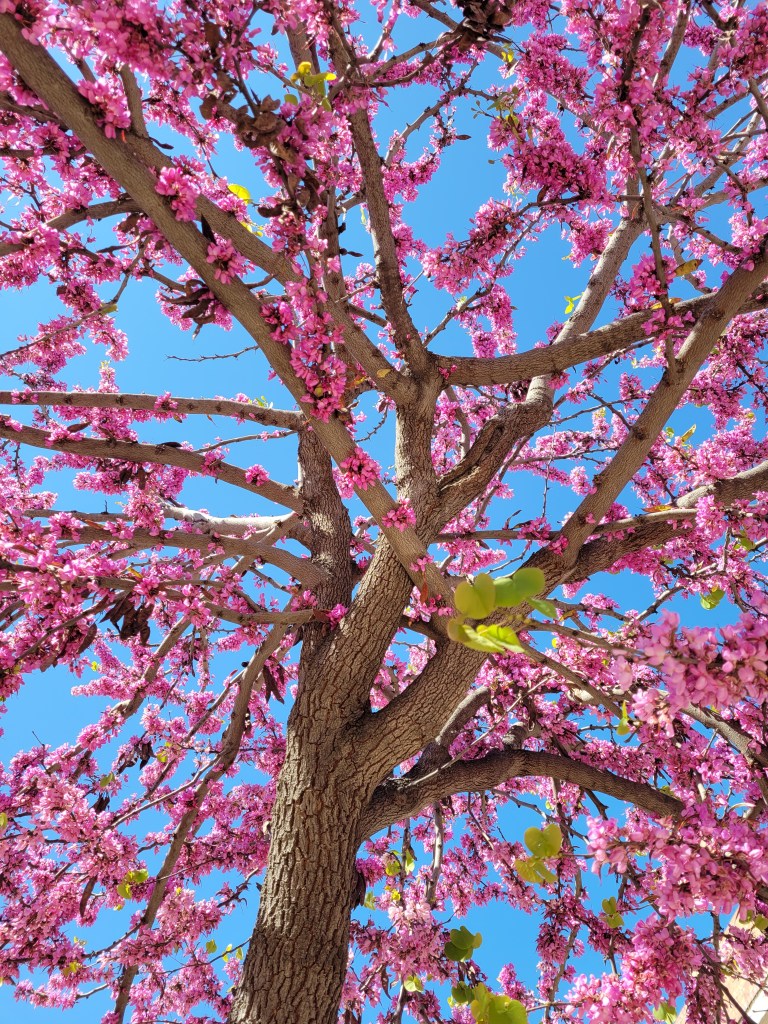
Pink leaves on street trees,

Cherry Blossom, mimosa,

Chewing gum, lip gloss,

Cotton candy, strawberries,

Sweet scents,

Spring in shades of pink.


All photos by @LucciaGray

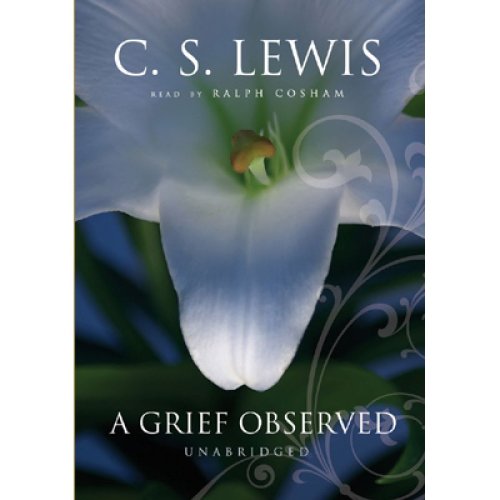
#Tuesdaybookblog ‘A Grief Observed’ by C. S. Lewis #BookReview #Memoir @Audible

This is a short and intense first person account of C S Lewis’s (1898-1963) emotional journey as a result of his beloved wife’s death. Lewis was a British writer, best known for The Chronicles of Narnia, who was professor of English literature at both Oxford and Cambridge University. 

The Chronicles of Narnia Adult Box Set

From the blurb

Written after his wife’s tragic death as a way of surviving the “mad midnight moments”, A Grief Observed is C.S. Lewis’s honest reflection on the fundamental issues of life, death, and faith in the midst of loss. This work contains his concise, genuine reflections on that period: “Nothing will shake a man, or at any rate a man like me, out of his merely verbal thinking and his merely notional beliefs. He has to be knocked silly before he comes to his senses. Only torture will bring out the truth. Only under torture does he discover it himself.”

This is a beautiful and unflinchingly honest record of how even a stalwart believer can lose all sense of meaning in the universe, and how he can gradually regain his bearings.

My Review

A Grief Observed is a heartfelt memoir of the loss of his wife. It is the agonising experience of death as told by a highly intelligent, devout Catholic, who was also very much in love with his wife at her death. Lewis lays out his bare feelings honestly and poignantly.  This is the first paragraph:

No one ever told me that grief felt so like fear. I am not afraid, but the sensation is like being afraid. The same fluttering in the stomach, the same restlessness, the yawning. I keep on swallowing.

He then tries to make sense or accept her death from a religious point of view:

Meanwhile, where is God? This is one of the most disquieting symptoms. When you are happy, so happy that you have no sense of needing Him, so happy that you are tempted to feel His claims upon you as an interruption, if you remember yourself and turn to Him with gratitude and praise, you will be—or so it feels—welcomed with open arms. But go to Him when your need is desperate, when all other help is vain, and what do you find? A door slammed in your face and a sound of bolting and double bolting on the inside. After that, silence.  

His wife had cancer and she knew she was dying, and they had discussed it before it happened, but once she was gone, he learns that no amount of prior discussion prepares you for the death of the person you love. He is plagued with the uncertainty of her whereabouts after death, as he tries to rationalise his religious beliefs and the reality and pain of her loss:

‘Where is she now?’ That is, in what place is she at the present time? But if H. is not a body—and the body I loved is certainly no longer she—she is in no place at all. And ‘the present time’ is a date or point in our time series. 

Finally, he tells us she had come to terms with her own death at least there is some hope in the ending. These are the last lines:

How wicked it would be, if we could, to call the dead back! She said not to me but to the chaplain, ‘I am at peace with God.’ She smiled, but not at me. Poi si tornò all’ eterna fontana.

The last words, Poi si torno all eterna fontana, mean “And then she returned to the Eternal Fount,” which were the last words of Dante’s Divine Comedy, when Beatrice returns to heaven.

Nevertheless, it is the living who find no consolation.

A Grief Observed

I listened to it twice on Audible brilliantly read by Ralf Cosham  and also read the kindle version.

It is not an easy book to listen to, but I believe it could be very helpful for anyone who is working their way through grief because Lewis expresses his grief honestly and eloquently. And people who are suffering loss often cannot find words to express their pain, which leads to a sense of helplessness. If we can out our pain into words thereby verbalising our pain it will be easier to understand and gradually overcome the grief, and as I said in yesterday’s post on ‘6 Ways to Recover from Grief’, we have to walk through the stages of grief, and move forward until the love we feel when we remember is greater than the pain we feel for the loss.  

 A Grief Observed is not for everyone, I warn you it is raw and devastating, but it has 2,500 reviews and 80% are five stars written by people who found the book helpful for their own grieving process.   

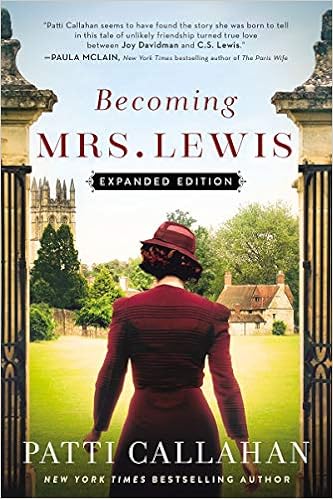
His wife was the American poet Joy Davidman

I’ve just discovered this fictionalised account of their relationship and marriage, which is now on my TBR list. 

#MondayBlogs ‘6 Ways to Recover from Grief: A Letter to Myself’ #MondayMotivation

When I was in the midst of grieving the loss of a loved one, it was like being in a dark tunnel. I felt alone, lost, and I had no idea how to get out of the darkness and devastation. I think this sense of desperation, loss and confusion at losing your bearings, was not a unique experience; many others I’ve spoken to have felt much the same.

My sister died over thirty years ago, and although other family members, such as aunts, uncles, cousins, and my father, have died since then, my sister’s death was the most devastating loss I’ve had to date.

It was 1989, the Internet was in its early years, so information was not as easily and readily available. I had no counselling, and no type of bereavement support. I read How We Die, which was helpful from a practical, medical and rational point of view, but not emotionally, at least not for me.

I was bought up a catholic, but the doctrines of the established church, which I am well aware of, did not help, although I picked up the Bible a few times, but could not find any consolation.

My depression lasted ten months, and I got through it if I was walking across a dessert, putting one foot in front of the other and trying my best to cover my head from the burning sun. No pills, no therapy, and no closure. I was working as a teacher and looking after my three children, who were under 4, until one day, ten months after the tragedy, I woke up and bought new clothes, and my mood started to improve.

I have no idea why or how this happened, but I can clearly identify the moment the love I felt when I thought of my sister was greater than the pain I felt for her loss. I was finally walking towards the light and away from the dark tunnel.

I imagined my sister’s voice saying, “You look dreadful. You need to go shopping” and it was true. I hadn’t bought any clothes in over a year and I had lost weight, so I can’t have looked very pretty. I hadn’t gone to the hairdresser’s either. I wore a pony tail every day and stopped wearing make up. This was not a conscious decision, I just didn’t care about how I looked, until suddenly it started mattering.

It’s not the anniversary of my sister’s birth or death, in fact, there is nothing to remind me of it, although she is always in my heart and on my mind. I write her letters sometimes, and think of her with love and melancholy, not sadness, every day. In fact, her photograph is on my desk in my study and I smile every time I see it.

The reason I’m thinking about death today is because it has struck very near home. Covid-19 has claimed the life of my neighbour of twenty-five years and a doctor, and my best friend’s father both in the same month, and their family’s devastation has reminded me of the inevitable pain they must endure in order for their memories to be full of love instead of sorrow.

Giving advice on personal matters is a minefield, you can help or lose a friend, so when I was approached for advice, I decided to be thorough and look carefully at my own pain and process of recovery.

Looking back, I believe there was little I could have done to improve or speed up the process, because we all have to walk through our own tunnel in order to reach the other side. Some of us will take a longer time, or may need the help of medication or therapy or both, but as I have learnt many years later, we all have to go through the stages of grief.

The advice I never received

As far as I remember nobody gave me helpful advice and I had no-one to turn to. My mother was in an even worse state then I was, and the adults around me were either unequipped or unable to offer advice, other than an attempt at a comforting sentence or two, which is nice to hear, but has no lasting effect on lessening the pain.

So, this is the advice I think might have helped me to feel less alone and distressed. It’s like a letter to myself and I’d like to share it with you.

6 Ways to Recover from Grief: Letter to Myself 

1: Acknowledge the Pain

Firstly acknowledge the pain, you have lost someone you loved. Your sadness is a natural reaction to your loss, and although your pain is unique to you, you are not alone. Go through the rituals you have chosen according to your customs, ideas or religion, accept the condolences, pray, cry, express your pain in your own way.

2: Be Aware of What Grieving Involves

Secondly, I wish I had known about the five stages of grief at the time, a wonderful book I read at a later date.

in 1969, a Swiss-American psychiatrist named Elizabeth Kübler-Ross wrote On Death and Dying and On Grief and Grieving based on observations from years of working with terminally ill patients. She put forward the five stages of grief which became known as the Kübler-Ross model.

  • denial.
  • anger.
  • bargaining.
  • depression.
  • acceptance.

They may not always be experienced in the same order, and they may overlap, and some may take longer than others, but know that you will experience these feelings, and you are not alone in the process. If you don’t feel up to reading a book, you can read articles which summarise her theories or watch YouTube videos. Here are some excellent links. but a google search will also be helpful.

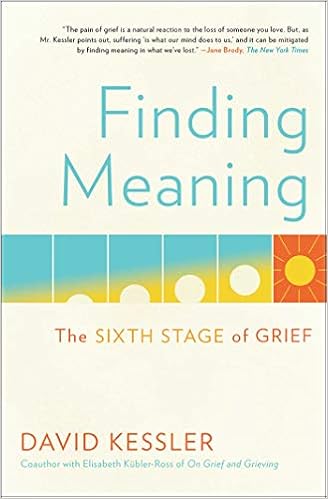
Finding Meaning:The Sixth Stage of Grief is on my TBR list. It was written in 2020 by David Kessler, coauthor of Elizabeth Kübler-Ross’s original book.

Knowing what is happening and that is a process which has happened and will happen in a similar way to everyone who loses a loved one, will lead to an understanding which could help us move forward and accept.

3: Writing letters and Journaling

Thirdly, although I have always enjoyed writing, poems, stories and thoughts, thirty years ago I had not yet understood the power of journaling. So, I wish I’d written a journal dedicated to my sister, like a scrapbook, including photographs, letters, memories. This is something I could still do, and may do. I could gather the letters Ive written, add photos and thoughts, letters and postcards she wrote to me, too.

If you are not used to journaling or would like more ideas, this article on grief journaling could be helpful there are books like Understanding your grief journal which could also help.

The Understanding Your Grief Journal: Exploring the Ten Essential Touchstones de [Alan D. Wolfelt]

Letters are another powerful tool which could be included in your journal they can be to your loved one, or a letter you imagine he or she would write to you.

4: Meditation and Spiritual Guides

If you are part of a supportive religious community, you won’t need to think about this, but of your religious beliefs aren’t helping or you need more spiritual support I’d recommend in the first place meditation, I have two favourite books on this topic, plus there are apps for your mobile which are also very useful.

Any book by Deepak Chopra will be enlightening, especially his book on Total Meditation, which is one of the ones discussed on this blog post.

Books like Heal Your Grieving Soul: 100 Practices for Mourners  can be helpful as it contains one hundred short activities to think about based on meditation, prayer, yoga, breathing exercises, etc are described and proposed.

Five:  Go for a Walk and take photographs

If you already have a favourite exercise, such as cycling, or if you practice a sport, don’t stop because your grieving. You may need to force yourself, but you have to do it because the serotonin you’ll secrete will help you handle your depression.

If you don’t exercise regularly, go for a walk, preferably anywhere in nature, a park, the countryside, and I’d recommend you take photos, because if you plan to take, say, five photos, you will be looking for nice things to photograph. This means you will be actively looking and thinking about your environment which is outside, instead of your pain, which is inside.

6. Humour and Not Moving On, Moving Forward.

This Ted Talk will make you cry and make you laugh. In a talk that’s by turns heartbreaking and hilarious, writer and podcaster Nora McInerny shares her hard-earned wisdom about life and death.  She encourages us to shift how we approach grief. “A grieving person is going to laugh again and smile again,” she says. “They’re going to move forward. But that doesn’t mean that they’ve moved on.”

Unfortunately, as Nora reminds us, “Everyone we love has 100% chance of Dying” and so do we, and yet it’s probably the most heart-wrenching pain we’ll have to endure, and there’s no pill or magic wand to make it disappear. We have to go through the stages, walk through the grief, and move forward until the love we feel when we remember is greater than the pain we feel for the loss.  

To conclude my letter to myself and anyone who has or will suffer the loss of a loved one, reading and writing is the answer. Understanding our pain and what is happening by reading and expressing our loss in a coherent way by writing journals, letters, poems, or blog posts.

Take care and stay safe.

Here’s the link if you’d like to read my other posts on #PersonalGrowth 


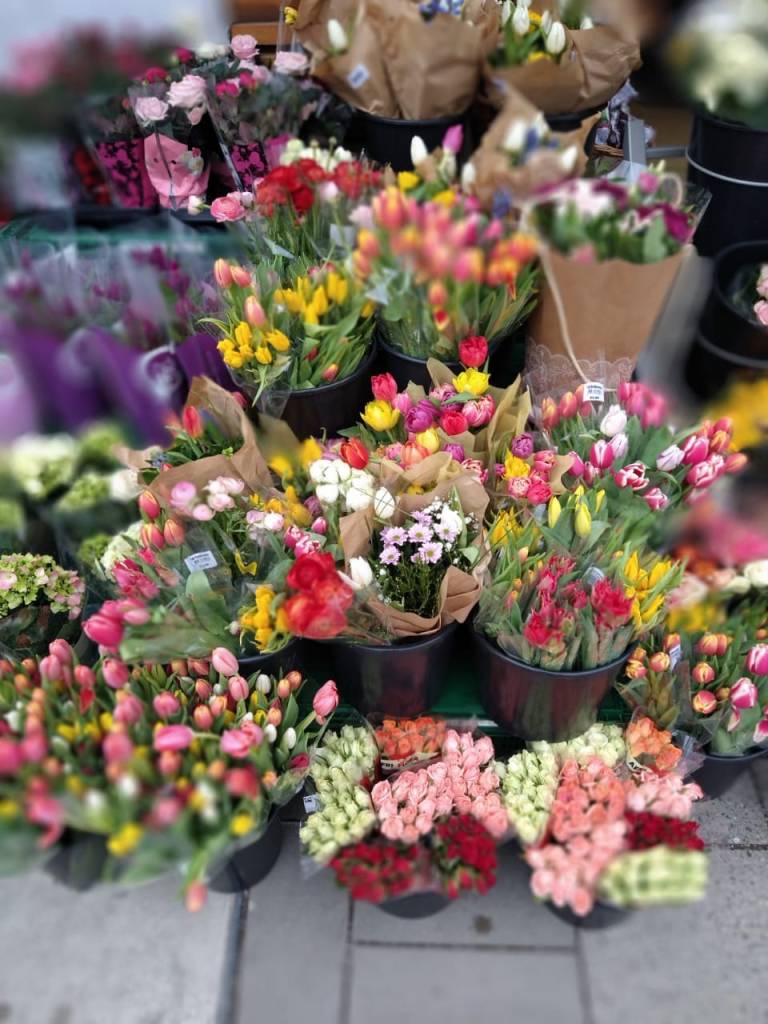
#SilentSunday ‘Spring is in the Air’ #haiku

Spring is in the air,

Vibrant colours, sweet perfume,

Joyous eyes smiling.

Photos sent by Paty, my daughter’s mother-in-law, taken in Munich a few days ago.